Vendors for Internet Infrastructure Solar PV Systems**
When network operators set out to harden their critical infrastructure against grid failures, fuel shortages, and unexpected disasters, designing a robust solar photovoltaic system is only the opening phase. Transitioning from theoretical energy models and theoretical resilience requirements to a physical, operational installation introduces a new layer of complexity. For organizations where keeping data packets moving is a matter of public continuity, the hardware, software, and vendor relationships chosen today will dictate operational reliability for decades to come.
This reality forms the core of the second installment in a three-part series exploring solar photovoltaic integration for internet resilience. Following the foundational principles established in Part 1—which detailed how to calculate exact energy demands, select optimal system architectures, and model performance outcomes—the focus now shifts to the critical procurement phase. For Internet infrastructure operators, a solar installation transcends a standard corporate sustainability initiative; it is an active component of the grid-independent life support system designed to keep servers, routers, and local access points online when mainstream power collapses.
Navigating the marketplace requires a healthy degree of skepticism. Vendor claims do not always survive real-world stress tests, and opting for the lowest initial price tag frequently results in crippling long-term operational expenses. Because a solar PV investment must perform reliably under duress, procurement teams must look far beyond standard photovoltaic panels and inverters to evaluate the software ecosystems, cybersecurity profiles, and long-term support structures offered by suppliers.
A primary consideration in modern energy infrastructure is software dependency. Many contemporary solar setups rely heavily on cloud-based monitoring platforms to track generation, battery health, and system loads. However, if a vendor-dependent cloud service goes offline—or if the supplier decides to discontinue support for a legacy hardware line—operators could find themselves flying blind during a critical grid outage. Understanding these digital dependencies is just as crucial as evaluating the physical components themselves. Furthermore, because these energy systems interface with the grid and local networks, they represent potential vectors for cyber vulnerabilities. Operators must interrogate how vendors handle firmware updates, data privacy, and secure local management access.
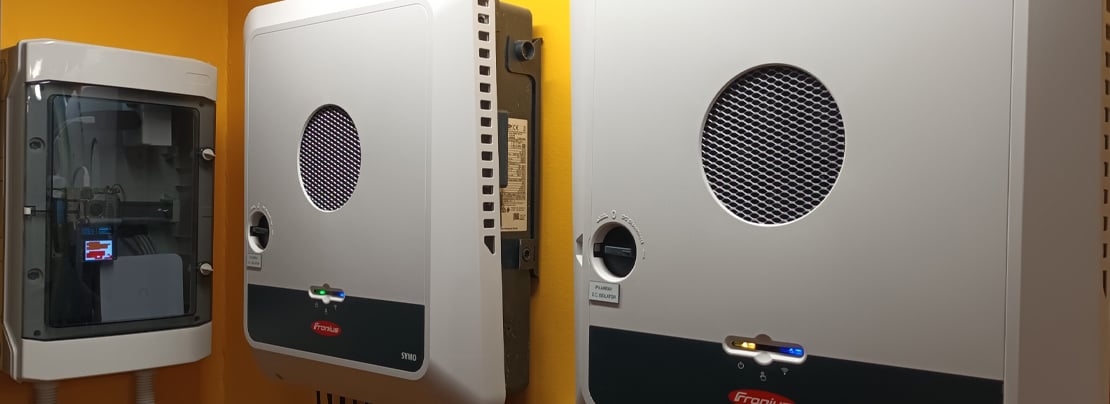
System design and grid integration also demand rigorous collaboration rather than passive purchasing. A reliable supplier should act as a technical partner, willing to dissect the engineering models alongside the operator to ensure the installation behaves predictably under both normal operating conditions and emergency off-grid scenarios. Component compatibility remains another potential pitfall; manufacturers frequently restrict warranty support and performance optimization to specific, approved combinations of inverters and energy storage units. Ensuring that a system can maintain basic operations and local monitoring capabilities even when all external internet connectivity is severed is a non-negotiable requirement for resilient network architecture.
Ongoing operational support and training heavily influence whether a system remains functional over its lifecycle. Maintenance and troubleshooting become exponentially more difficult if the engineering team lacks access to deep-level diagnostic tools and comprehensive documentation. Similarly, even the most meticulously engineered design can be entirely undermined by subpar installation standards. Evaluating a contractor’s historical track record, adherence to rigorous electrical codes, and familiarity with complex hybrid energy systems is just as important as vetting the hardware spec sheet.
Gathering detailed, written responses from prospective vendors and cross-referencing those answers against the initial performance models remains the most effective safeguard against procurement mistakes. A supplier’s willingness to engage in granular technical discussions often serves as a reliable proxy for the quality of support they will deliver once the equipment is bolted down and energized.
With procurement strategies locked in and equipment selected, the operational momentum shifts from strategic planning to physical execution. The final installment of this series will examine the critical phases of installation, system commissioning, and the practical, day-to-day competencies required to monitor and operate a solar PV installation successfully throughout its multi-decade lifespan.
The ongoing research and implementation frameworks surrounding these resilient connectivity projects have been advanced with support from organizations like the APNIC Foundation, highlighting the vital intersection between renewable energy engineering and global internet stability.