
As the digital retail landscape becomes increasingly competitive, online merchants are turning to artificial intelligence to navigate massive sets of consumer, product, and campaign data. According to recent insights published on October 14, 2026, by Alma F., the integration of AI into e-commerce marketing is no longer just an experimental frontier for major brands, but a practical necessity for stores of all sizes looking to attract shoppers, drive sales, and improve customer retention.

Rather than replacing human marketers entirely, modern AI systems are designed to identify subtle patterns in how people browse, buy, and react to promotional messaging. These machine-learning capabilities allow platforms to power personalized product recommendations, optimize paid advertising budgets in real time, generate and adapt marketing content, and identify when a loyal customer might be losing interest. However, industry experts emphasize that human oversight remains critical to prevent unchecked automation errors, inaccurate recommendations, or wasted advertising spend.

Defining AI in E-Commerce Marketing
Modern e-commerce platforms—ranging from established ecosystems like Shopify and WooCommerce to integrated solutions like Hostinger Ecommerce—are increasingly embedding AI features into their core dashboards. These tools generally manifest as product recommendation engines, ad optimization systems, generative content assistants, and advanced shopping bots.

For instance, a boutique home decor merchant might use browsing and purchase history to dynamically recommend matching items, generate multiple ad variations for a brand-new seasonal collection, or isolate a cohort of buyers whose purchasing frequency has dropped over the previous quarter. In this dynamic, artificial intelligence handles heavy data processing and repetitive operational tasks, while the human marketer defines strategic goals, establishes spending parameters, and acts upon the generated insights.
Core Applications Driving Modern Retail
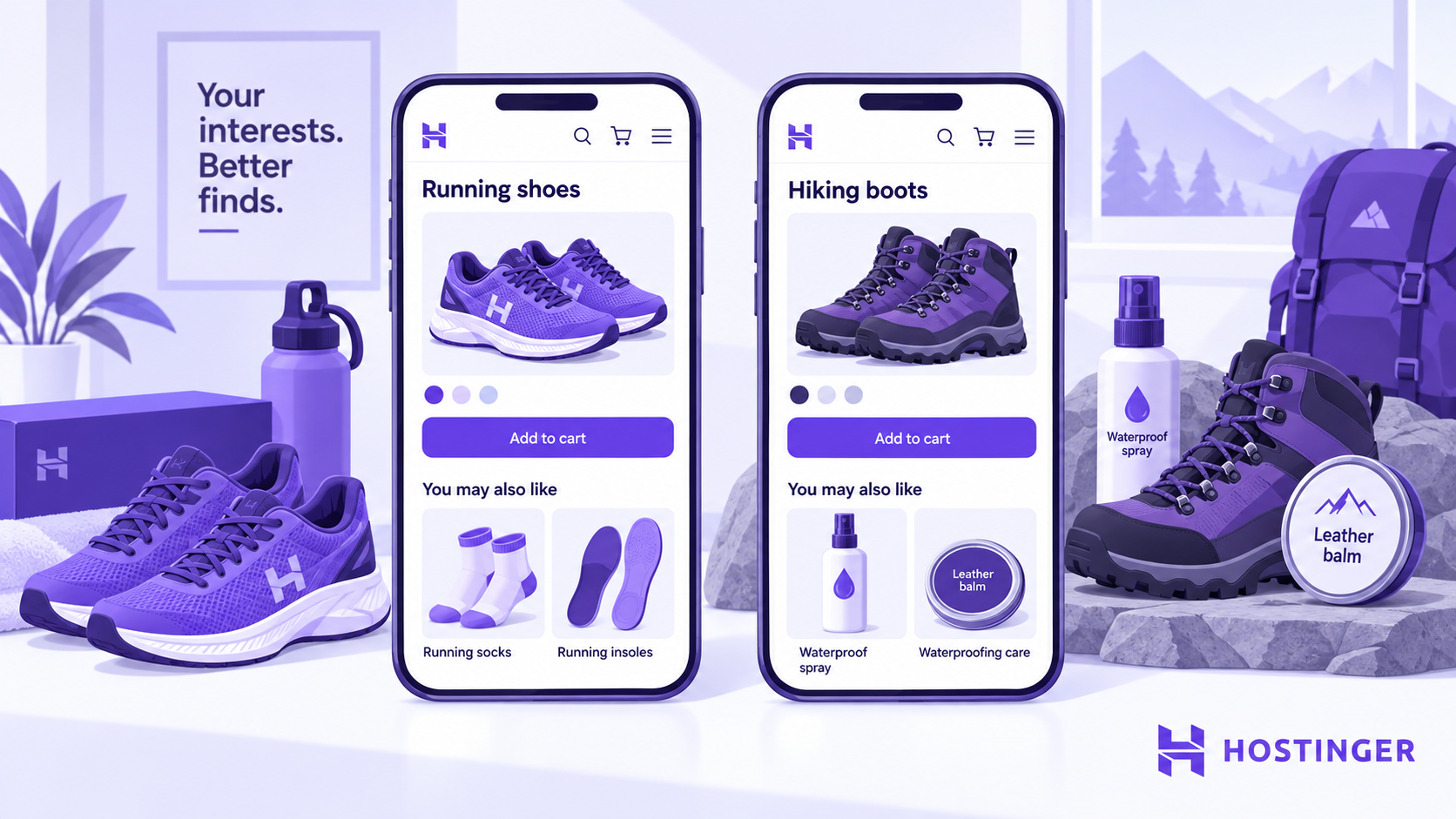
Industry data highlights several primary areas where AI is delivering measurable value for online merchants. Personalizing product recommendations remains one of the most effective strategies. By analyzing real-time cart, browse, and transaction history, stores can display complementary items—such as running socks and insoles for a customer looking at athletic shoes—directly on product pages, at checkout, or within follow-up emails. Research indicates that when shoppers actively engage with these personalized recommendations, they can account for nearly a third of total e-commerce revenue.

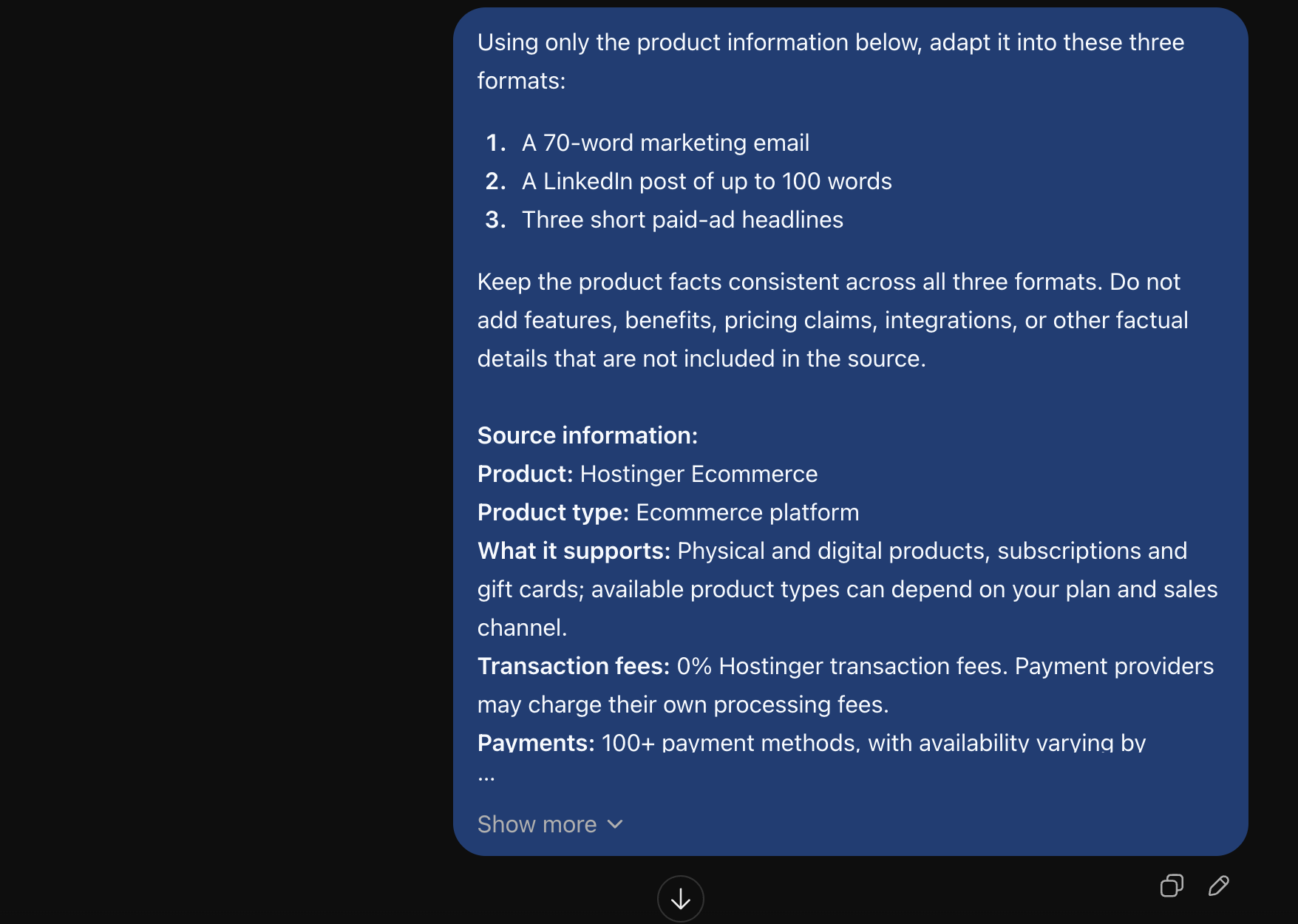
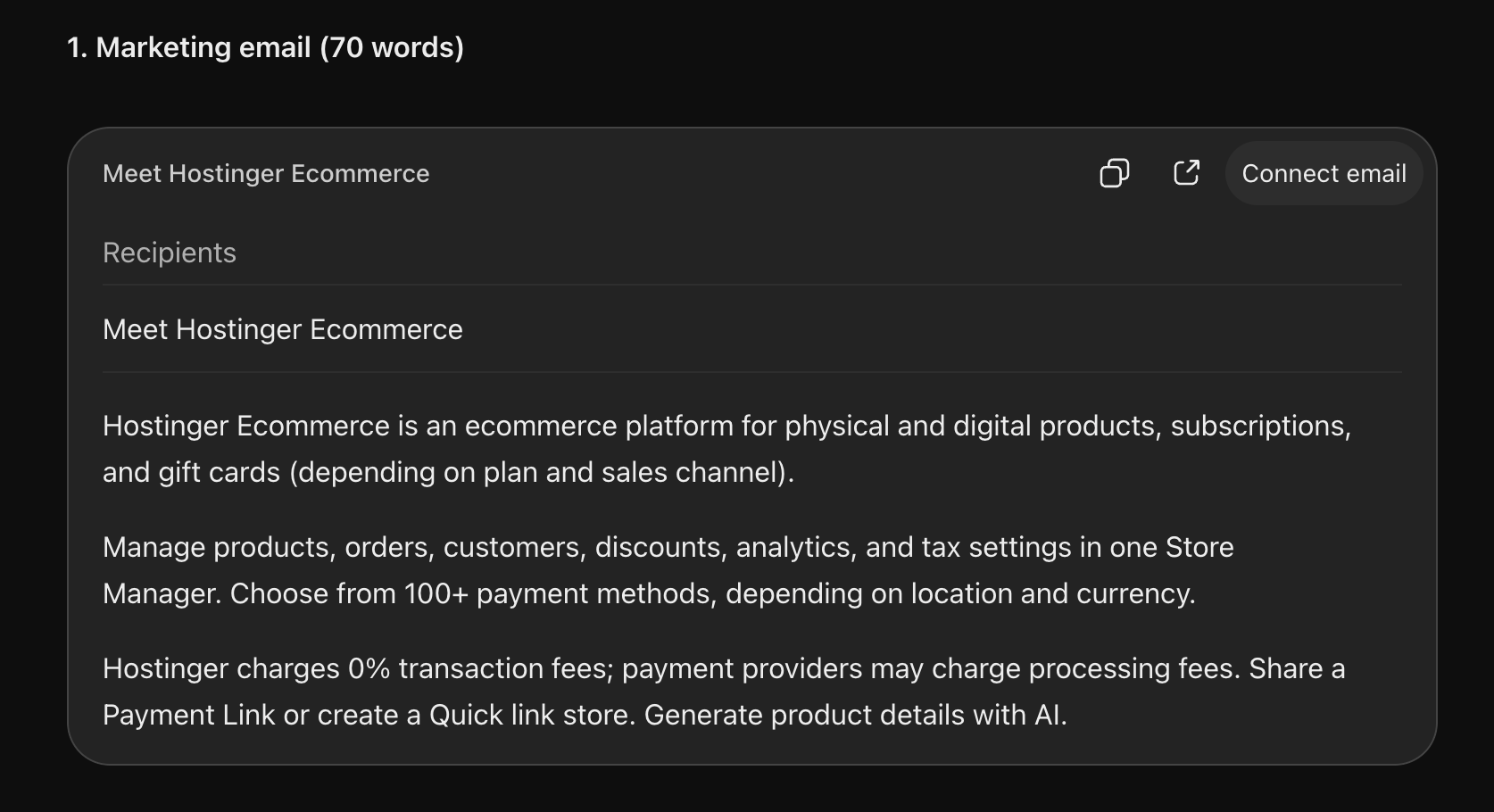
Content creation and adaptation have also undergone a significant shift. Marketing professionals increasingly rely on AI to generate initial drafts for product descriptions, social media captions, email subject lines, and paid-ad variations. By feeding verified source material, brand voice guidelines, and accurate product specifications into a content generator, teams can rapidly adapt a single product launch brief across multiple formats and distribution channels without losing consistency.
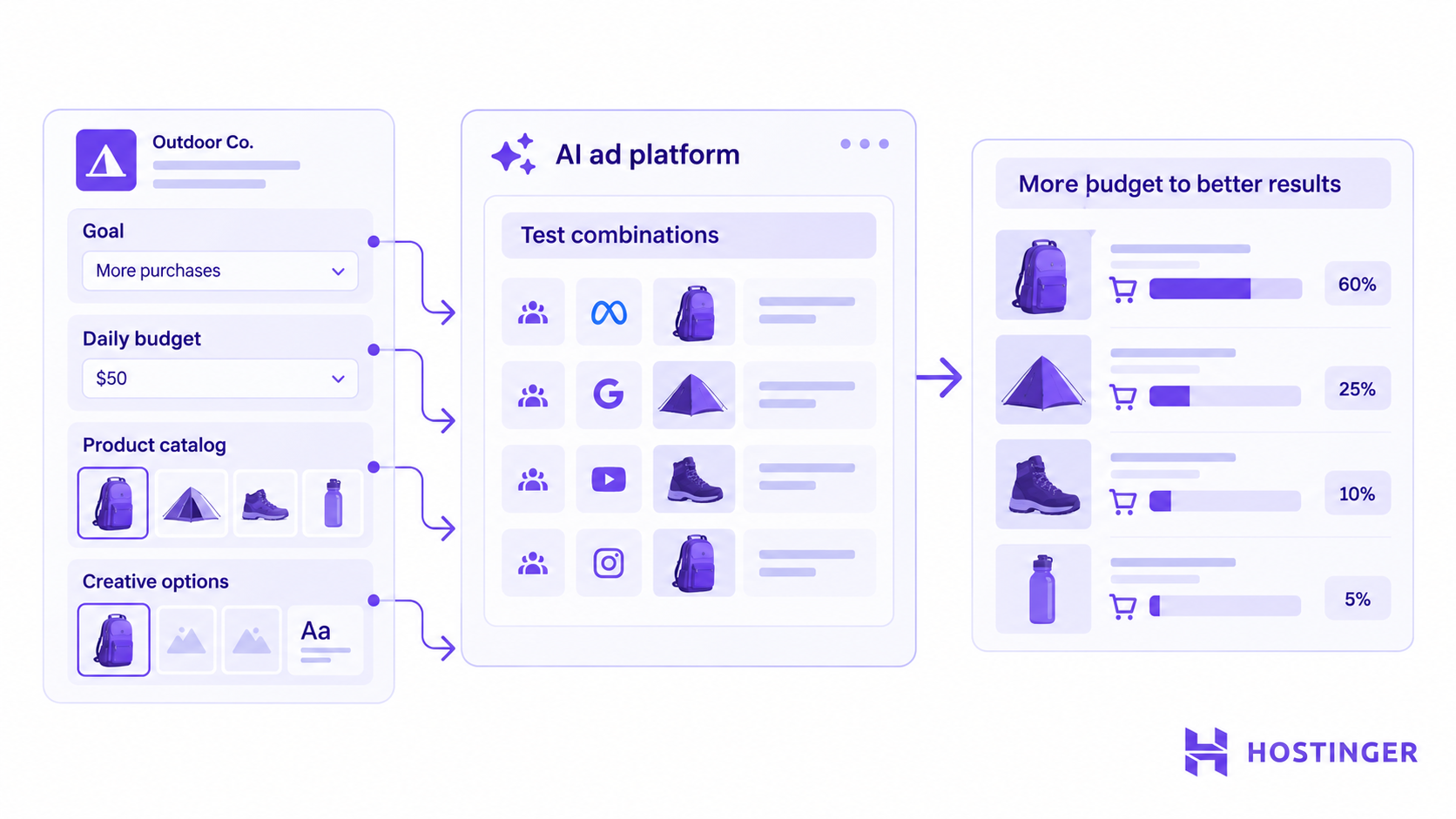
Paid advertising optimization represents another major growth sector. Platforms utilizing automated bidding and targeting systems—such as Meta’s Advantage+ or Google’s Performance Max—allow merchants to input a product catalog, creative assets, a daily budget, and a primary sales goal. The underlying algorithms then test thousands of audience and placement combinations, automatically shifting funds toward top-performing segments to maximize return on ad spend.
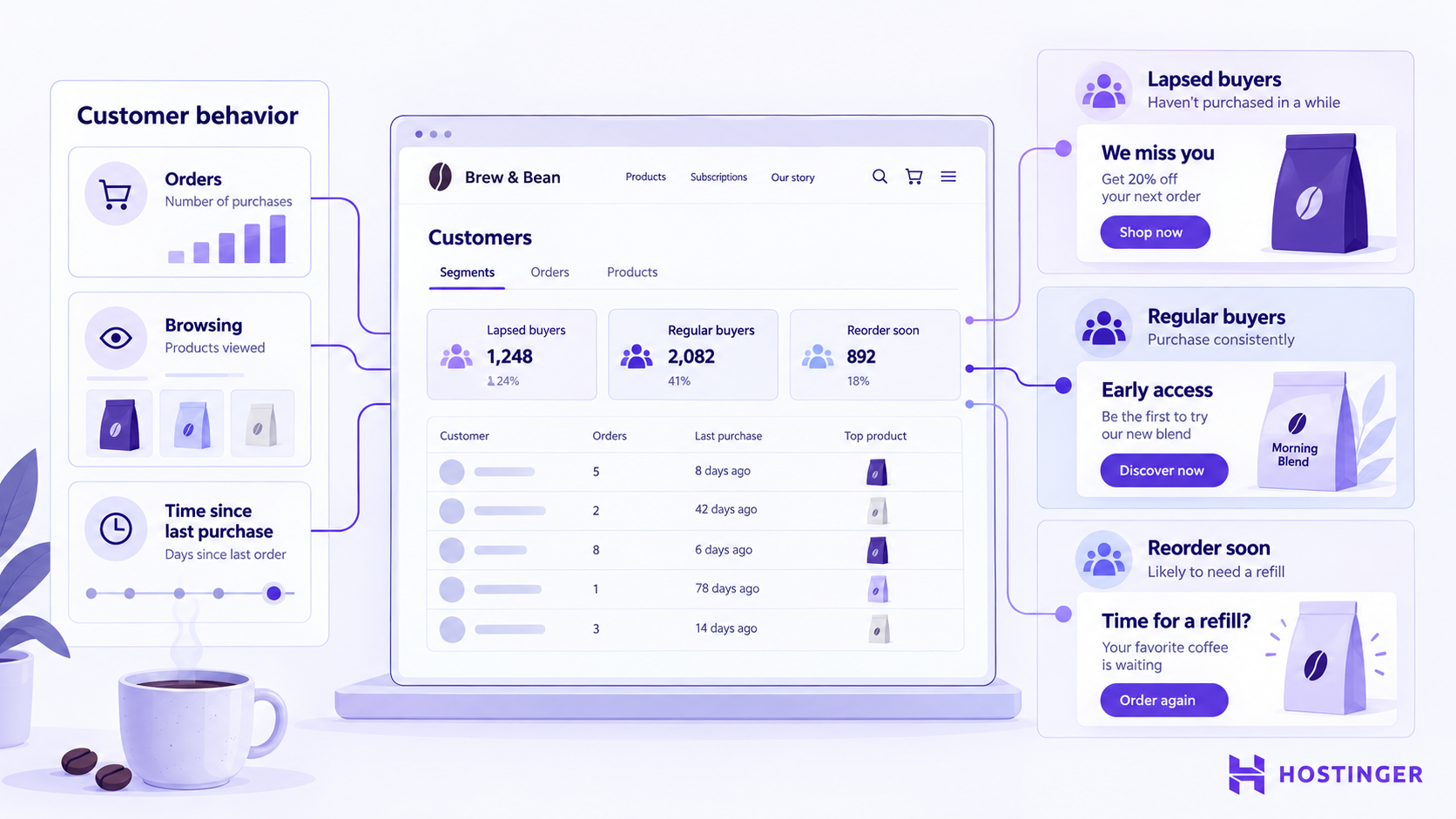
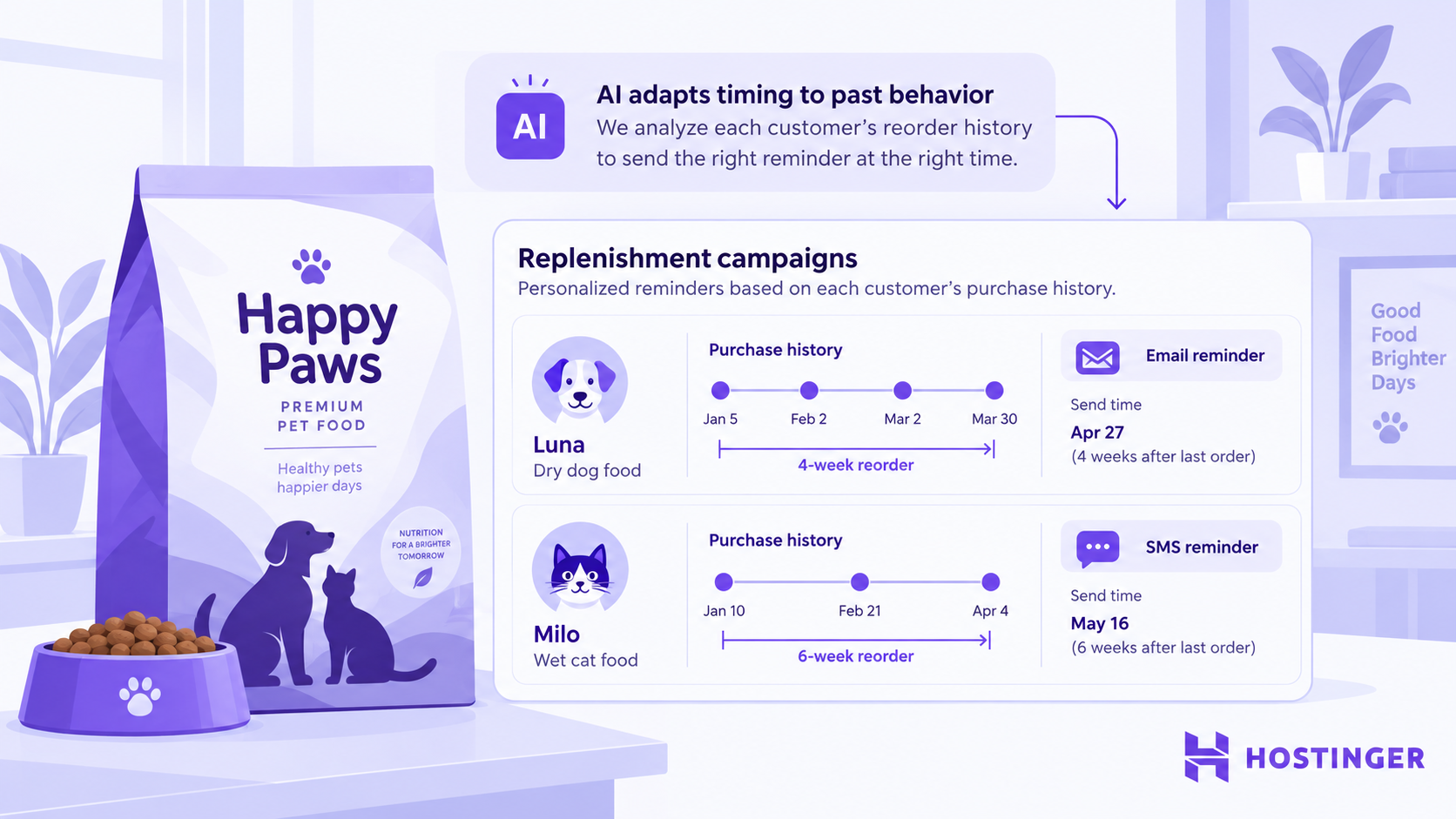
Furthermore, behavioral customer segmentation allows merchants to move away from one-size-fits-all promotions. By grouping buyers based on actual activity rather than static demographics, stores can tailor email and SMS campaigns to match individual buying cycles. For example, a pet supply store can automate reorder reminders that align closely with a specific customer’s historical replenishment rate—sending a prompt at four weeks for one buyer and six weeks for another.
Conversational Commerce and Retention Management
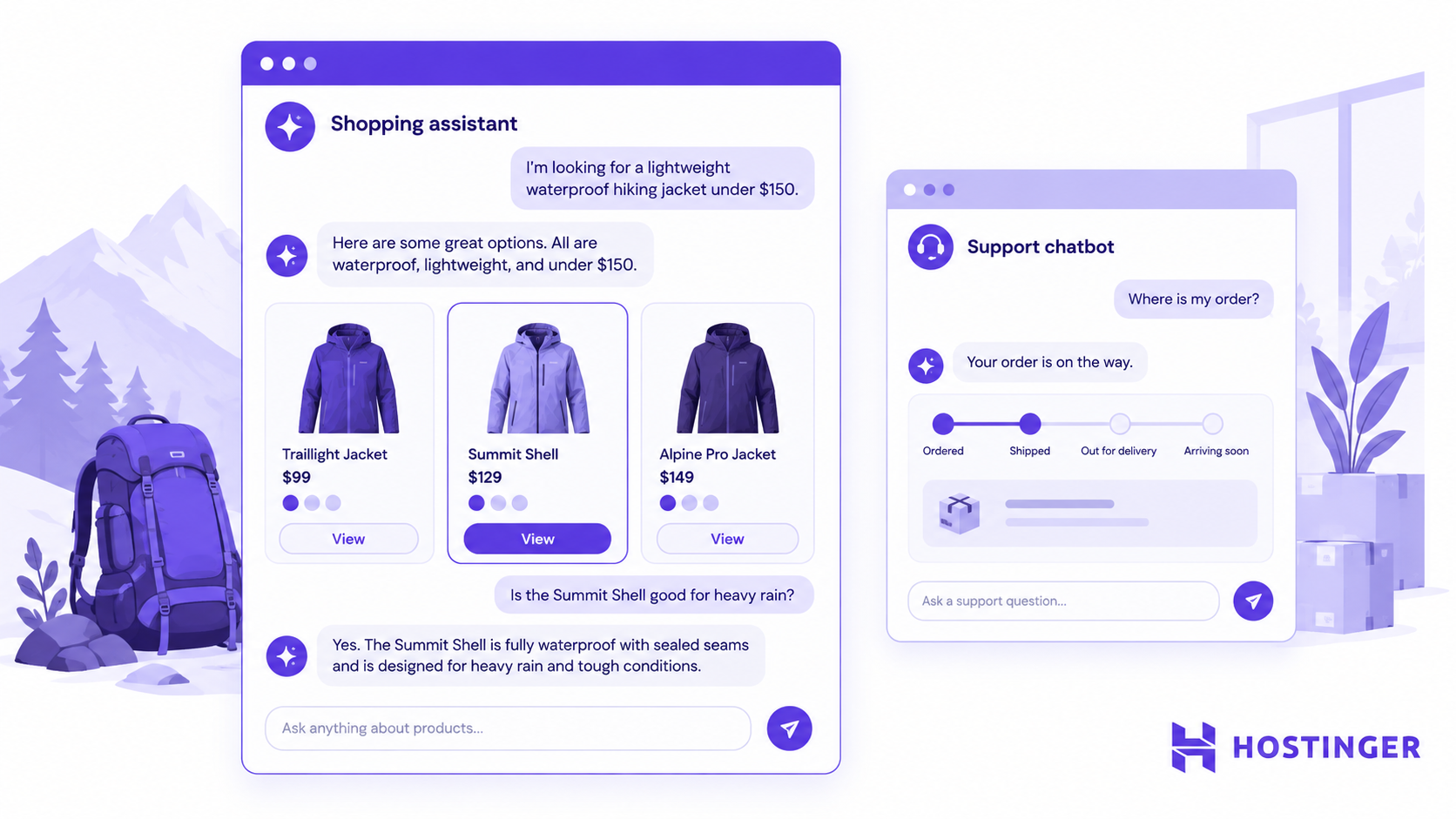
Conversational AI is transforming how shoppers find products on modern web stores. Unlike traditional support chatbots that merely answer transactional questions, advanced shopping assistants allow consumers to describe their needs in natural, everyday language. A shopper looking for outdoor apparel might ask for a lightweight, waterproof hiking jacket under a specific price point, and the conversational agent will instantly filter and compare suitable inventory, explaining the differences between options to reduce friction in the buying journey.

Beyond initial acquisition and conversion, AI is proving valuable in cart recovery and churn prediction. When a shopper abandons their digital cart, intelligent recovery systems can tailor follow-up messaging based on customer profile data. A first-time visitor hesitant about shipping costs may receive a different incentive than a repeat buyer who simply forgot to complete the transaction.
Similarly, predictive analytics can forecast customer churn by tracking simultaneous behavioral shifts—such as a sudden drop in email engagement, missed reorder dates, and fewer site visits. Recognizing these warning signs early gives merchants an opportunity to intervene with targeted retention campaigns before the buyer is lost permanently.
Managing Risks and Limitations
Despite its efficiency, industry analysts caution that artificial intelligence in marketing carries inherent risks. The technology is entirely dependent on the quality of the data and the integrity of the rules provided to it. Poor data hygiene, such as duplicate or missing transaction records, can cause an AI system to misinterpret consumer behavior, leading to flawed campaign decisions.
Inaccurate outputs, such as AI-generated product descriptions that claim a skincare item is fragrance-free when the source data does not support it, pose another significant challenge. Furthermore, automated processes can quickly compound errors if strict limits on spending, discounting, and contact frequency are not enforced by human supervisors. Data privacy and compliance also remain paramount, requiring businesses to carefully evaluate how third-party AI providers store, process, and retain sensitive customer information.
For merchants looking to integrate these capabilities, industry best practices suggest starting small. By focusing on a single, well-understood marketing task, validating the underlying data, choosing a reliable platform, and testing the AI workflow against established baseline results, online businesses can harness the power of artificial intelligence while maintaining full strategic control over their brand and customer relationships.
Leave a Reply