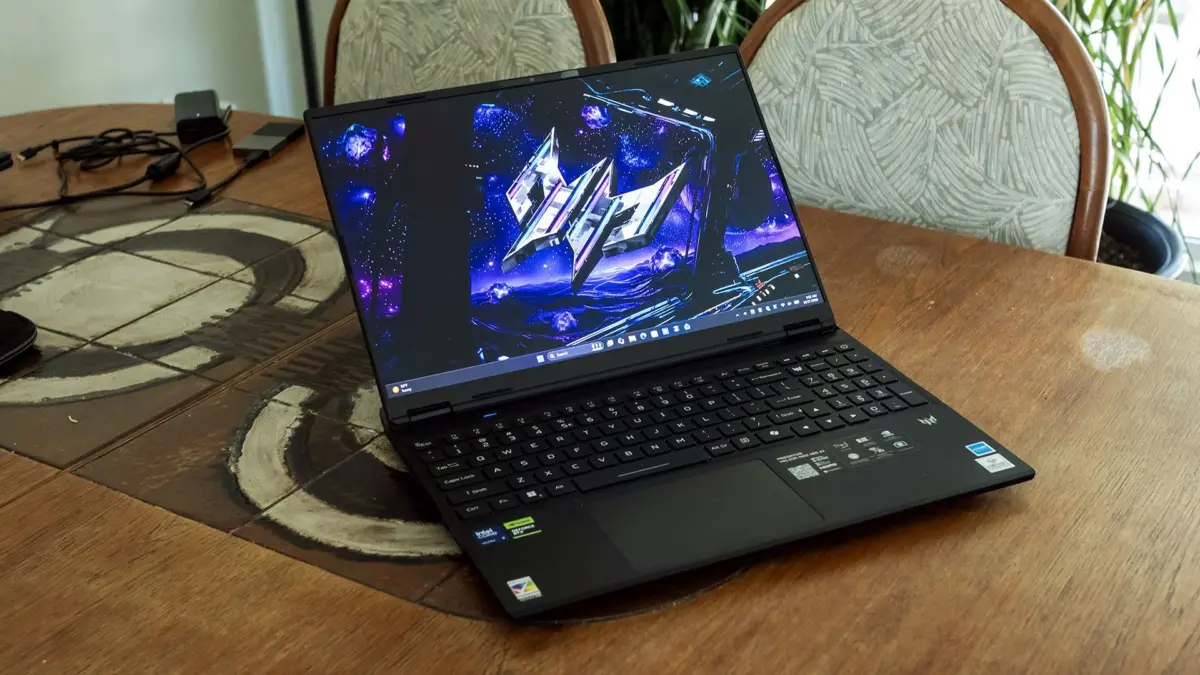
The modern landscape of high-performance gaming laptops has long been defined by a fundamental compromise: users must generally choose between desktop-class power with massive, heavy chassis or slim, travel-friendly designs that sacrifice thermal headroom and raw graphics output. Gamers and creators who prefer a stealthier profile often look for systems that can slip easily into a backpack without drawing excessive attention in a professional or academic environment. Acer is addressing this specific demographic with the Predator Helios Neo 16S AI, a machine designed to balance high-end internal components with a remarkably thin-and-light form factor.
Weighing in at under five pounds, the Acer Predator Helios Neo 16S AI aims to redefine what users can expect from a portable gaming ecosystem. Yet, packing substantial desktop-tier silicon into such a constrained chassis requires a delicate balance of thermal engineering, power management, and hardware selection. According to recent expert testing and analysis by reviewers at Tom’s Hardware, the Helios Neo 16S AI largely succeeds in delivering a compelling thin-and-light gaming experience, though it runs into notable hurdles when forced to operate away from a wall outlet.
At the core of the laptop’s performance capabilities is a powerful hardware configuration. Acer has equipped the machine with an Intel Core Ultra 9 290HX Plus processor paired with Nvidia RTX 5070 Ti graphics. This combination provides a robust foundation for modern AAA gaming titles, high-refresh-rate esports, and demanding creative workflows such as video editing, 3D rendering, and AI-accelerated workloads. The inclusion of the RTX 5070 Ti ensures that users can take full advantage of advanced graphical features, ray tracing, and DLSS technologies without stepping up to the heaviest, most expensive flagship notebooks on the market.
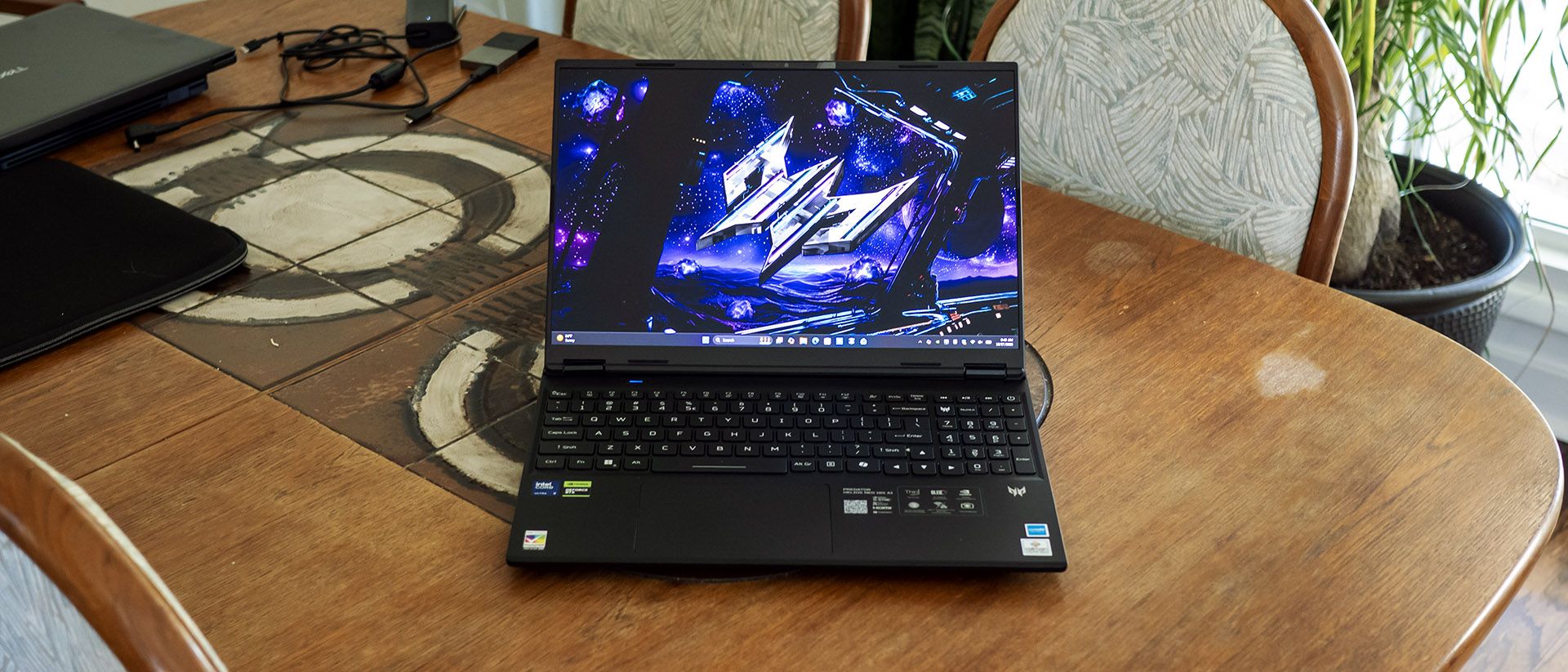
Complementing this powerhouse of internal hardware is a visual and physical feature set tailored for enthusiast users. The laptop boasts a gorgeous 240 Hz OLED display, providing stunning contrast levels, deep blacks, and exceptional motion clarity that benefits both fast-paced competitive shooters and visually rich single-player adventures. Furthermore, Acer has ensured that portability does not come at the cost of connectivity. The Helios Neo 16S AI includes a plentiful array of ports, allowing users to connect external monitors, peripherals, and storage solutions without constantly relying on cumbersome docking stations. Input devices, including the keyboard and trackpad, also score high marks for comfort during extended typing and gaming sessions.
Design of the Acer Predator Helios Neo 16S AI
The physical design of the Acer Predator Helios Neo 16S AI represents a significant shift from the bulky, aggressively styled gaming machines that once dominated the market. By keeping the total weight under the crucial five-pound threshold, Acer has made it significantly easier for mobile professionals, students, and frequent travelers to carry a high-performance rig on a daily basis. The chassis maintains a relatively understated aesthetic while still hinting at the formidable processing power contained within, allowing it to transition smoothly from a gaming setup at home to a corporate meeting room or a quiet coffee shop.
However, the pursuit of a slim profile inevitably introduces engineering challenges, particularly regarding thermal dissipation and power delivery. While the Core Ultra 9 processor and RTX 5070 Ti graphics card perform admirably during intense gaming sessions when plugged into AC power, the physical limitations of a thin-and-light chassis become glaringly apparent in other areas.
The biggest weakness of the Acer Predator Helios Neo 16S AI is, ironically, its battery life. Despite being marketed and built as a system focused heavily on portability and mobile use, the laptop falls substantially short of the endurance expectations typically associated with modern thin-and-light devices. When users take the machine away from a desk and attempt to run tasks on battery power alone, the high-performance silicon and vibrant 240 Hz OLED display draw a tremendous amount of energy. The resulting runtime falls well below what is expected from a system designed to be carried around throughout the day, meaning users will find themselves tethered to a power brick far more often than the laptop’s slim dimensions might suggest.
Ultimately, the Acer Predator Helios Neo 16S AI carves out a specific niche in the gaming laptop market. It delivers solid RTX 5070 Ti performance, a breathtaking 240 Hz OLED panel, comfortable input devices, and a generous selection of ports, all housed within a sleek and relatively lightweight chassis. For users who primarily game and work in fixed locations but want the flexibility to pack up their system easily without breaking their back, it offers a strong blend of style and substance. Yet, prospective buyers who prioritize genuine mobility and long unplugged working hours will need to weigh these impressive performance and display merits against the device’s decidedly limited battery stamina.