This forward-looking initiative places Apple squarely in the rapidly escalating race for autonomous AI
dominance, directly positioning the iPhone maker to compete against an array of advanced agentic systems from major tech rivals. Competitors in this high-stakes space include Meta with its Muse assistant, OpenAI with Dots, Anthropic with Duet, and Google with its Tasks and Gemini-powered computer-use capabilities. Across the tech industry, a growing number of digital assistants and desktop applications—ranging from ChatGPT and Perplexity to Google’s latest Mac integrations—are already gaining the ability to take direct control of user computers, navigating web browsers, executing code, and interacting with native software interfaces in real time.
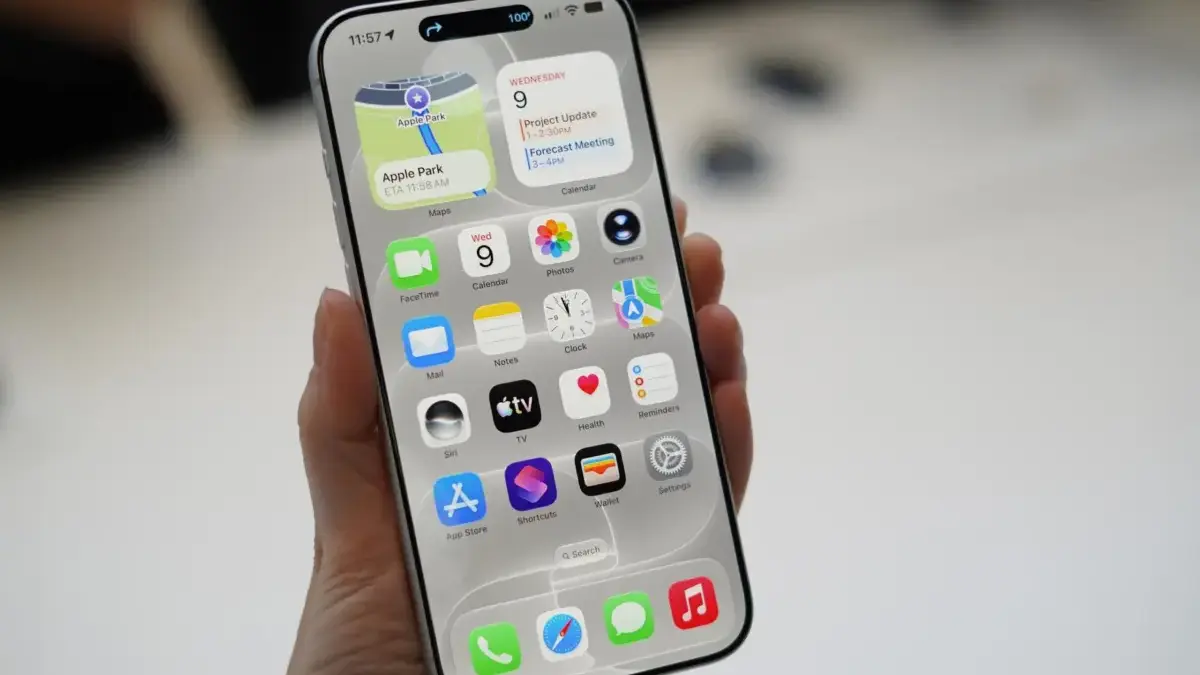
Apple’s push into advanced autonomous task management builds upon its recent deployment of an AI-upgraded version of Siri, which rolled out to the public in beta preview form. This upgraded Siri already allows users to ask contextual questions about what is currently displayed on their device screens and perform basic actions across various built-in applications. However, industry reports indicate that Apple is planning to significantly expand these foundational capabilities, giving Siri much deeper agentic control. Upcoming software iterations are expected to introduce specialized automated features, such as the ability to intelligently rotate and crop images directly within the Photos application or automatically sort, group, and organize messy Safari tabs based on user habits.

The newly surfaced recruitment posting aligns closely with these rumored software roadmaps, detailing that the incoming engineering leader will collaborate extensively across several critical internal divisions, including the Siri development team, UI Frameworks, and the core Apple Foundation Models division. By bringing these disparate engineering groups together, Apple hopes to bridge the gap between low-level system UI controls and high-level machine learning reasoning.
The job description explicitly outlines the core philosophy driving the new project, highlighting the fragmented nature of modern digital productivity. Pointing out that human workers achieve their most valuable results by moving fluidly across a diverse ecosystem of digital tools—including web browsers, text documents, command-line terminals, code editors, and cloud-based services—the listing notes that Apple is now engineering AI agents designed to replicate that exact fluidity. According to the text, these upcoming autonomous agents are being built to plan and execute sophisticated, multi-step tasks that span multiple applications, web browsers, command lines, codebases, and application programming interfaces. Furthermore, the system is designed to intelligently coordinate specialized sub-agents along the way to handle niche sub-tasks efficiently.
This hardware-software integration strategy is also extending to the company’s developer ecosystem. With the upcoming release of the iOS 27.3 update, Apple is providing third-party software developers with the necessary tools to integrate Siri AI capabilities deeply into virtually all applications. Currently rolling out through a targeted Developer Preview phase, this infrastructure will eventually allow Siri to perform complex, cross-platform tasks across a vastly wider range of third-party software, effectively transforming the operating system into a unified canvas for autonomous AI operations. As Apple continues to refine its underlying foundation models and recruit top-tier engineering talent for its agentic AI initiative, the company is steadily laying the groundwork for a future where its devices do not merely respond to direct commands, but proactively anticipate and execute complex multi-application workflows on behalf of the user.