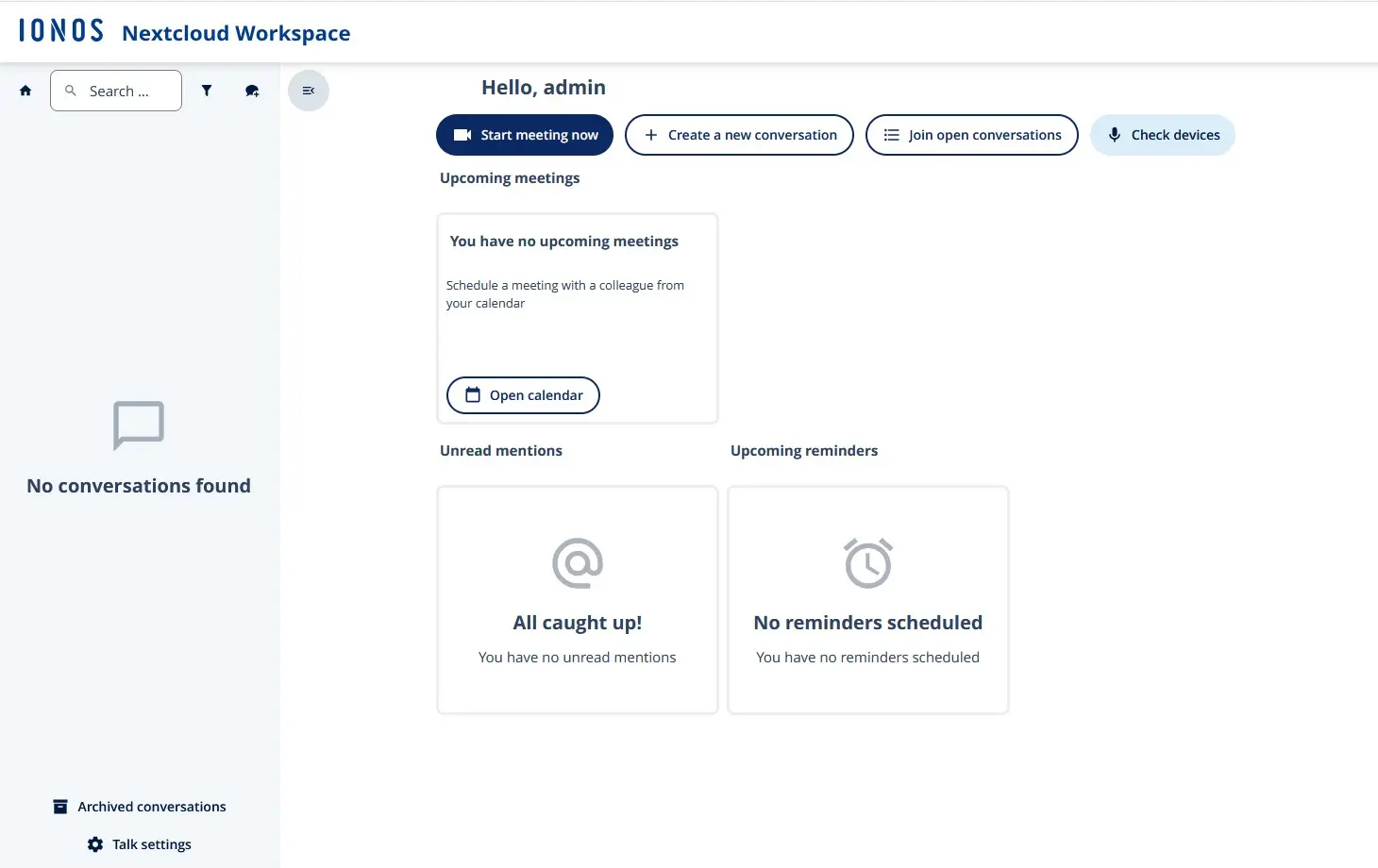
German public digital infrastructure cooperative govdigital eG has awarded cloud provider IONOS a substantial four-year framework contract under the KoDaS initiative, a collaborative file storage and productivity project built on Nextcloud technology. Sold commercially as Nextcloud Workspace, the platform is designed to provide secure, sovereign digital tools tailored specifically for schools and educational authorities across multiple federal states.
The agreement marks a notable milestone in Europe’s broader push toward digital sovereignty, reducing reliance on proprietary platforms hosted by major foreign technology vendors. Under the terms of the arrangement, the software is being made available to educational institutions in Berlin, Hamburg, Bremen, North Rhine-Westphalia, Rhineland-Palatinate, and Hesse. While these six states represent the primary initial participants, the framework has been structured flexibly, allowing other German states to join at a later stage. Implementation remains optional, meaning individual schools and regional authorities are under no mandatory obligation to adopt the system immediately.
How the Deal Works
As the prime contractor, IONOS bears the responsibility of delivering, managing, and operating the service. The underlying cloud infrastructure is hosted entirely within domestic German data centers, ensuring that all stored information remains subject to local data protection laws and strict European regulatory frameworks. The entire architecture rests on Nextcloud’s open-source software ecosystem.
The public tender notice for KoDaS outlines a maximum framework value of 67.5 million euros, spanning a maximum term of 48 months from the official date of the award. Official project communications from Nextcloud emphasize that the six participating states and their respective school networks represent the core ordering parties, while retaining the procedural flexibility to integrate additional regions over time. Industry observers note that the exact financial value realized over the course of the contract will depend heavily on actual adoption rates and tiered user volumes.
The procurement documentation explicitly mandates the acquisition of software licensed under an OSI-approved open-source license. This requirement was driven by core policy goals centered on digital sovereignty, long-term service availability, and the administrative freedom to switch technology providers without suffering vendor lock-in.
To qualify for the rigorous tender, prospective bidders were required to meet stringent administrative and technical criteria. These included holding a valid ISO 27001 certification, demonstrating a minimum annual turnover of 10 million euros, maintaining liability insurance coverage of at least 5 million euros, and providing a verifiable reference project involving a minimum of 10,000 active users with fully separated tenants.

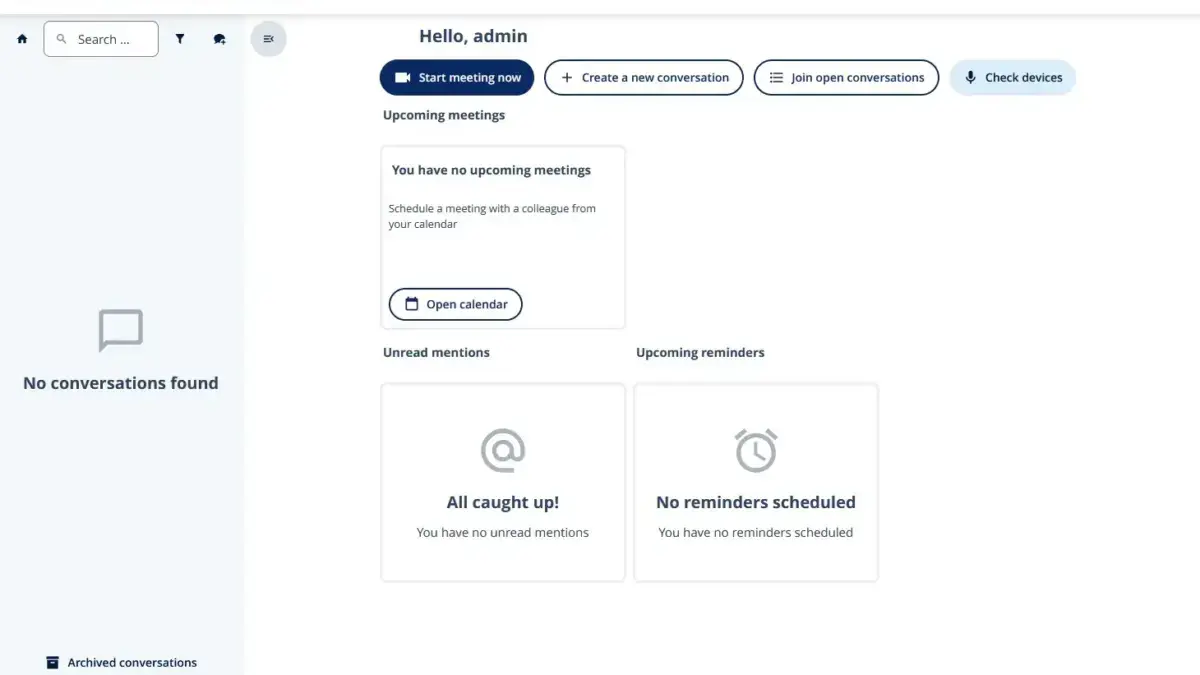
On the functional side, the technical specifications demand a robust suite of productivity tools. These include central file hosting and sharing capabilities, a browser-based office suite enabling real-time collaborative document editing, integrated calendar and contact management systems, and a fully functional email client.
Pricing and deployment are structured around active user metrics, divided into five distinct consumption tiers. These tiers scale upward from an initial bracket covering up to 50,000 users, concluding at a maximum tier exceeding 500,000 users. Because school authorities are not required to commit to a fixed volume upfront, local educational bodies can start small with their existing user base and organically scale their adoption over time.
Nextcloud’s overarching market thesis is that public sector institutions urgently require viable alternatives to proprietary platforms to retain absolute control over sensitive data. Furthermore, the company champions the philosophy that students who become familiar with open-source tools during their formative educational years are significantly less likely to default to big-vendor ecosystems in their professional and personal lives.
A Growing Trend Across German Public Administration
The KoDaS agreement is not an isolated development within Germany, where public administrations at both state and federal levels are systematically re-evaluating their software dependencies. Over recent years, a wave of digital autonomy initiatives has swept through various government departments and regional authorities seeking to insulate public infrastructure from foreign legal jurisdictions and potential extraterritorial data access.
In Schleswig-Holstein, a significant administrative transition saw nearly 80 percent of state government workplaces successfully migrate away from Microsoft products in favor of open-source alternatives. Similarly, the state of Mecklenburg-Vorpommern initiated a strategic shift by replacing SharePoint with a self-hosted Nextcloud deployment currently utilized by approximately 5,000 public employees, with long-term plans to expand the rollout across 50,000 public sector workstations.
At the federal level, the Ministry for Digital Transformation and Government Modernization published the "Deutschland-Stack," a comprehensive guideline governing software use across all tiers of public administration. The framework strictly mandates the use of open standards such as ODF and PDF/UA for official documents, reinforcing the nation’s commitment to interoperable and transparent digital infrastructure.

Industry analysts anticipate that similar migrations will accelerate across Europe. As governments increasingly recognize that housing sensitive institutional data with providers subject to foreign legal frameworks creates inherent compliance and security vulnerabilities—regardless of where physical server hardware happens to reside—sovereign open-source alternatives are moving from the periphery to the center of public sector IT strategy.