APNIC has officially updated its stand-alone conference host and location selection process, introducing a more structured framework designed to accommodate the growing scale, complexity, and global reach of its regional events. The updated guidelines aim to provide prospective hosts with clearer guidance much earlier in the planning cycle, ensuring greater transparency, accountability, and long-term preparation across the Asia-Pacific Internet community.
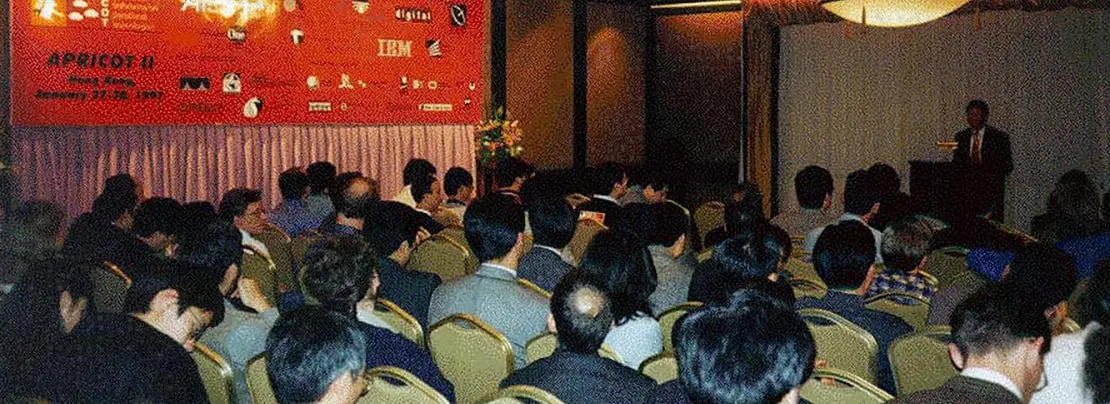
Since its inception, APNIC has organized regional conferences to bring together its members, technical experts, industry partners, and a wide array of Internet stakeholders. These gatherings serve as vital platforms for collaborative policy development, technical training, community governance, and regional networking. The very first APNIC conference took place in Bangkok back in 1995, welcoming a modest gathering of just 82 attendees. Today, stand-alone APNIC conferences regularly attract around six times that number, underscoring the enduring relevance and critical importance of these events for members and the broader digital infrastructure community.
Maintaining a Community-Led Approach
APNIC conferences have always reflected the organization’s core ethos as a member-based, community-governed entity. The conference program itself is entirely driven by a dedicated Program Committee composed of active community members who curate technical sessions, workshops, and plenary discussions. Meanwhile, a local host organisation works in tandem with APNIC to facilitate event logistics, connect with the surrounding local community, and encourage broad regional and domestic participation.
Hosting an APNIC conference offers significant mutual benefits. For local organizations, it presents a unique platform to showcase their technical achievements, infrastructure advancements, and overall Internet development to a wider regional audience. Furthermore, these events help build stronger, more direct relationships between APNIC members and key stakeholders, raise local awareness of vital Internet initiatives, and bring high-level regional expertise and discourse directly to domestic technical communities.
Additionally, hosting an APNIC event significantly lowers financial and logistical barriers to participation for local network engineers, government policymakers, academic researchers, and students who might otherwise find it difficult to travel to regional or international events. This localized access creates valuable opportunities for professional development, education, and technical networking, ultimately helping to foster domestic Internet operational expertise and cultivate the next generation of technical leadership within the host economy.
To ensure equitable access across the entire service region, stand-alone APNIC conferences follow an established sub-regional rotation policy encompassing East Asia, South Asia, and Oceania. This deliberate geographic rotation schedule, established by the APNIC Executive Council (EC), ensures that the organization remains closely connected to diverse communities throughout the region.
The structured rotation schedule maps out stand-alone APNIC conferences years in advance. According to the current plan, Ulaanbaatar, Mongolia, is slated to host the event in 2027. Following that, the rotation moves to Oceania in 2028, South Asia in 2029, East Asia in 2030, Oceania again in 2031, and South Asia in 2032.

It is worth noting that host and location decisions for the APNIC conference held in conjunction with the annual APRICOT Summit are governed separately by the APNOG board. The APNOG board has previously indicated that APRICOT does not rotate across the same sub-regional framework and will instead be held primarily in Southeast Asia by default, following the specific selection processes administered by APNOG.
An Updated Process for Prospective Hosts
The newly revised host and location selection process gives prospective host organizations and the wider community much clearer insight into key planning milestones, proposal assessment methodologies, and final decision-making criteria. As interest in hosting these major technical gatherings continues to scale, the updated framework introduces a formalized Expression of Interest (EoI) process, a standardized and transparent assessment matrix, and a consistent timeline that begins nearly two and a half years before each event takes place.
Under the updated guidelines, the standard EoI process will officially open approximately 30 months prior to the commencement of each stand-alone conference. This extended window is intentionally designed to afford prospective hosts ample time to coordinate local planning, build stakeholder coalitions, secure domestic institutional support, and develop comprehensive proposals.
To illustrate how the timeline operates in practice, the APNIC conference scheduled for September 2029 will take place in South Asia according to the sub-regional rotation. Under the new rules, the formal EoI period for this specific event will run for six months, opening in March 2027 and closing in September 2027. This duration provides interested entities with a structured opportunity to refine their proposals and engage directly with the APNIC Secretariat prior to submission.
Once the EoI application window closes, the APNIC Secretariat will evaluate all submitted proposals against a newly published, objective assessment framework. This evaluation matrix covers critical criteria that will be reviewed by the Executive Council, including location and venue suitability, accessibility and travel convenience for regional participants, local host organizational capability, overall financial viability, and comprehensive risk management. Based upon the outcomes of this thorough evaluation, the EC will select the final host organization and location, after which the Secretariat will publish the decision along with all relevant supporting information.
This clear assessment framework is also intended to serve as a practical guide for prospective hosts, helping them prepare robust, well-supported, and operationally sound proposals during the EoI phase. In rare instances where the standard sub-regional rotation or key timeline milestones cannot reasonably be followed due to unforeseen circumstances, the framework allows for a controlled exception process. Under such conditions, the Secretariat will thoroughly evaluate the contextual circumstances and submit a recommendation for an exception to the Executive Council for formal approval. To maintain organizational integrity, all reasons for granting an exception will be fully documented to ensure complete transparency and accountability to the community.
Organizations interested in stepping forward to host a future APNIC conference are encouraged to review the comprehensive EoI details, detailed assessment criteria, and explicit hosting expectations currently available on the APNIC website. The very first EoI cycle under this newly updated framework is scheduled to open in March 2027 for the September 2029 stand-alone APNIC conference in South Asia. Organizations with questions or seeking further clarification regarding the application process can reach out directly to the APNIC conference team via email.