The open-source landscape is experiencing a period of significant movement, highlighted by the long-awaited release of Fedora 45, shifting paradigms in enterprise and desktop Linux distributions, and a growing wave of European public institutions embracing open-source infrastructure. While software developers grapple with new licensing challenges and taxes, hardware enthusiasts and homelab operators are adapting to shifts in pricing and container management tools.

Fedora 45 Lands Packed with Cutting-Edge Upgrades
Fedora 45 has officially arrived, hitting the public roughly two weeks later than originally scheduled. Despite the minor delay, the new release is exceptionally dense, bringing a robust suite of updates for desktop and server users alike. Under the hood, Fedora 45 ships with Linux kernel 7.2, offering improved hardware compatibility, performance optimizations, and security enhancements.

On the desktop side, users are treated to GNOME 51 and Plasma 6.7, providing the latest visual polish and feature sets from both major desktop environments. Beyond the core desktop and kernel upgrades, Fedora 45 introduces notable under-the-hood changes. The legacy text console has been replaced with kmscon, modernizing the early boot and virtual terminal experience. Additionally, the operating system now includes a specialized QR code linking directly to a troubleshooting page whenever a kernel panic occurs, streamlining the diagnostic process for system administrators and power users.

Enterprise and Immutable Distros Evolve
The discussion around immutable operating systems continues to gain momentum within the Linux ecosystem. Canonical has officially restarted development on Ubuntu Core Desktop, a snap-based, tightly locked-down system tailored for enhanced security and reliability. A dedicated engineering team has been assigned to the project to advance its capabilities. However, both Ubuntu Core Desktop and a proposed Long-Term Support firmware package remain in early stages of development, leaving industry watchers eager to see how Canonical positions the system for future enterprise and consumer deployments.

Meanwhile, other distributions are revisiting features previously discarded in the name of speed and efficiency. Linux Mint is bringing back system hibernation by default, accompanied by a series of performance and reliability tweaks. Hibernation was largely phased out by Ubuntu and various other distributions years ago due to sluggish resume times and inconsistent hardware support, making Mint’s re-implementation a notable step for users seeking power-saving alternatives without losing state.

In the gaming and performance space, KDE Linux has announced plans to load the ntsync kernel module by default. This integration provides Wine and Proton with a much closer match to native Windows synchronization primitives, offering the potential for substantial performance boosts in Windows games and applications running on Linux.

Government Shifts, Taxation, and Security Warnings
In Europe, the intersection of public policy, taxation, and open source continues to make headlines. Denmark’s recent ministry merger abruptly brought an end to a local Collabora pilot project before it could complete its formal evaluation phase. Collabora representatives have emphasized that the discontinuation should not be viewed as a reflection of the software suite’s capabilities, noting that the initial phase of the deployment ran smoothly and met expectations.
In France, the National Assembly has advanced a controversial tax proposal requiring internet service providers and subscribers to pay 5.5 euro cents per gigabyte delivered. VideoLAN, the non-profit organization behind the universally used VLC media player, has strongly criticized the measure, warning that the financial burden could exceed one million euros annually for the organization and threaten its operations.

Security warnings have also emerged within the independent Linux community. The Nitrux development team issued a formal advisory warning users that a website operating under the domain nitrux.org is an unaffiliated, AI-generated platform utilizing the distribution’s name and branding without authorization.

Institutional Adoption of Open Source in Europe
A broader trend indicates that European public institutions and educational bodies are increasingly turning to open-source software to reduce reliance on proprietary ecosystems. In Germany, schools across six states are now eligible to sign up for a Nextcloud-based cloud service managed by IONOS and hosted entirely within domestic data centers. The four-year contract structure allows other states to join at a later date while keeping adoption optional for individual schools.

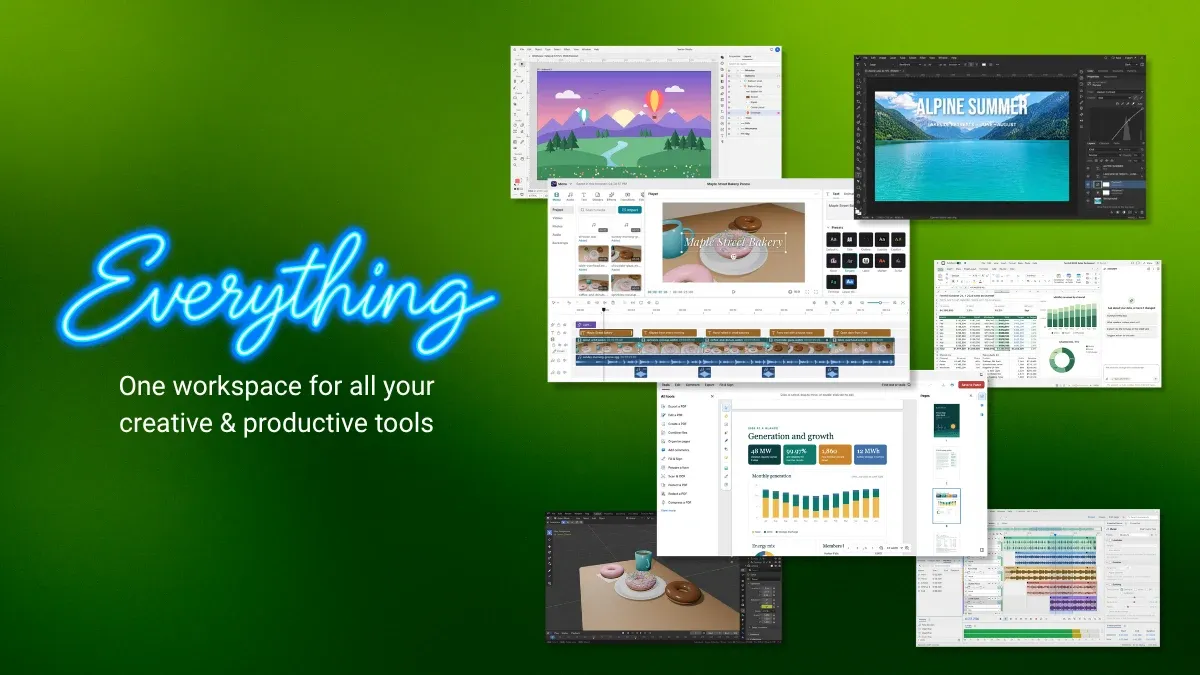
Simultaneously, independent web development projects are attempting to scale open-source alternatives to massive Software-as-a-Service monopolies. A notable example is Puter’s new "everything" repository, which compiles more than fifty open-source web applications under the MIT license. The project is designed to offer browser-based or self-hostable replacements for mainstream commercial SaaS suites covering office productivity, design, and enterprise management tools.
Hardware Adjustments and Homelab Innovations
Hardware markets are also experiencing notable shifts. Raspberry Pi has implemented another round of price increases, raising the cost of its top-tier 16GB Raspberry Pi 5 model by $80 to a total of $385. The 16GB variant of the Compute Module 5 has similarly seen a $40 price hike, reflecting ongoing adjustments in component costs and supply chains.

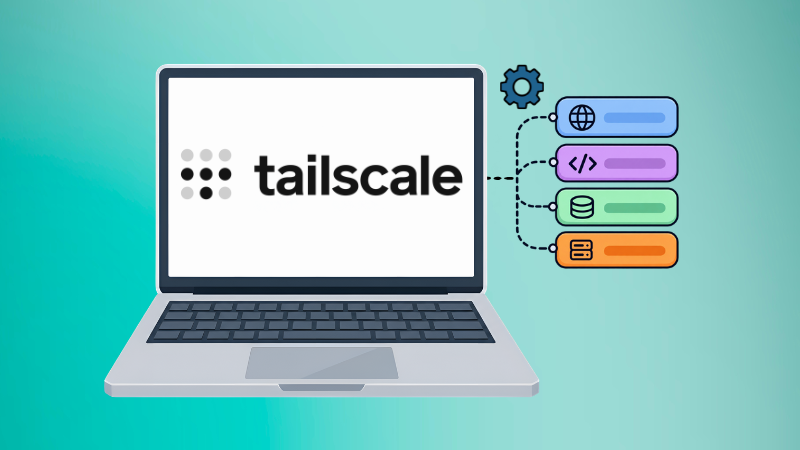
For homelab administrators managing large fleets of containers, network management tools are evolving to simplify local infrastructure. By adopting features like Tailscale Services, operators can assign unique HTTPS names to individual Docker containers within a private tailnet, eliminating the need to memorize complex combinations of IP addresses and ports or deploy separate reverse proxies for every containerized service.
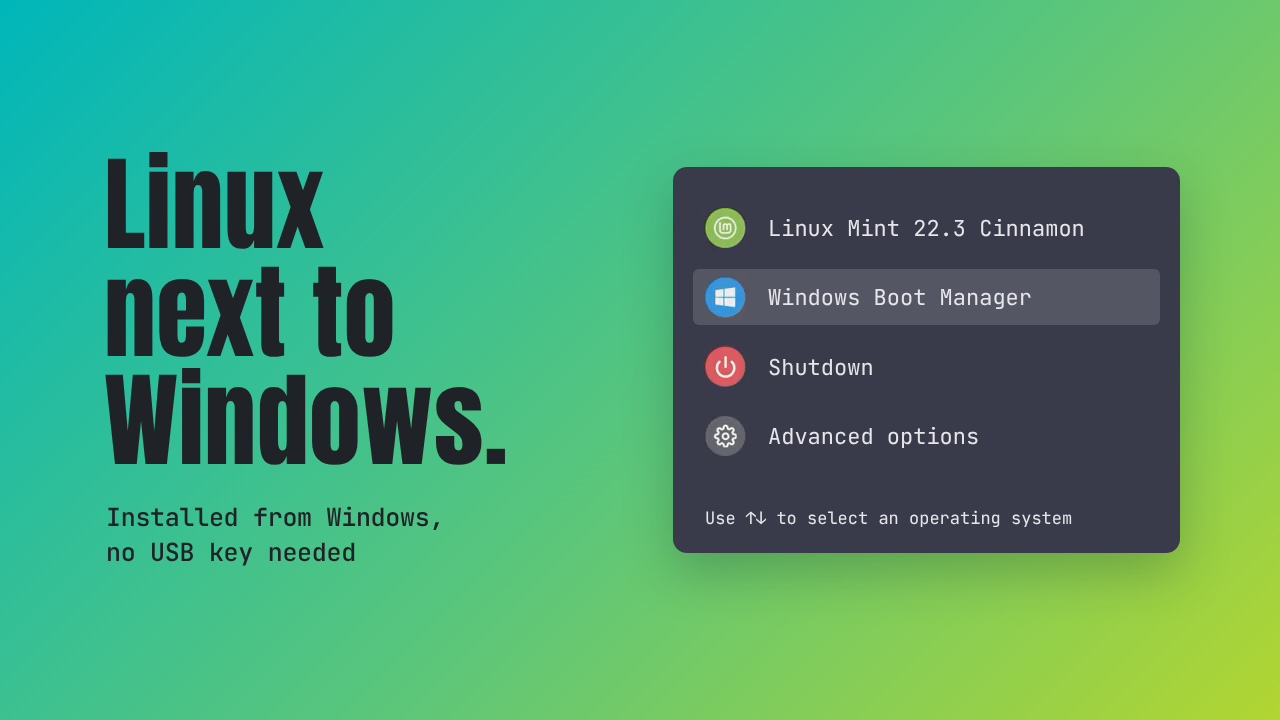
Platform availability continues to expand for alternative hardware architectures as well. Projects bringing Linux to Apple Silicon Macs have matured significantly, with distributions like Fedora Asahi Remix offering functional environments with nearly all hardware components operational on M1 and M2 chips, while support for newer M3 architectures continues to develop. Community projects focused on easing the transition from Windows, such as Libertix—which revives the spirit of tools like Wubi by allowing users to install Linux Mint or Zorin directly from a Windows environment without external installation media—demonstrate a continued focus on lowering barriers to entry for prospective Linux users.