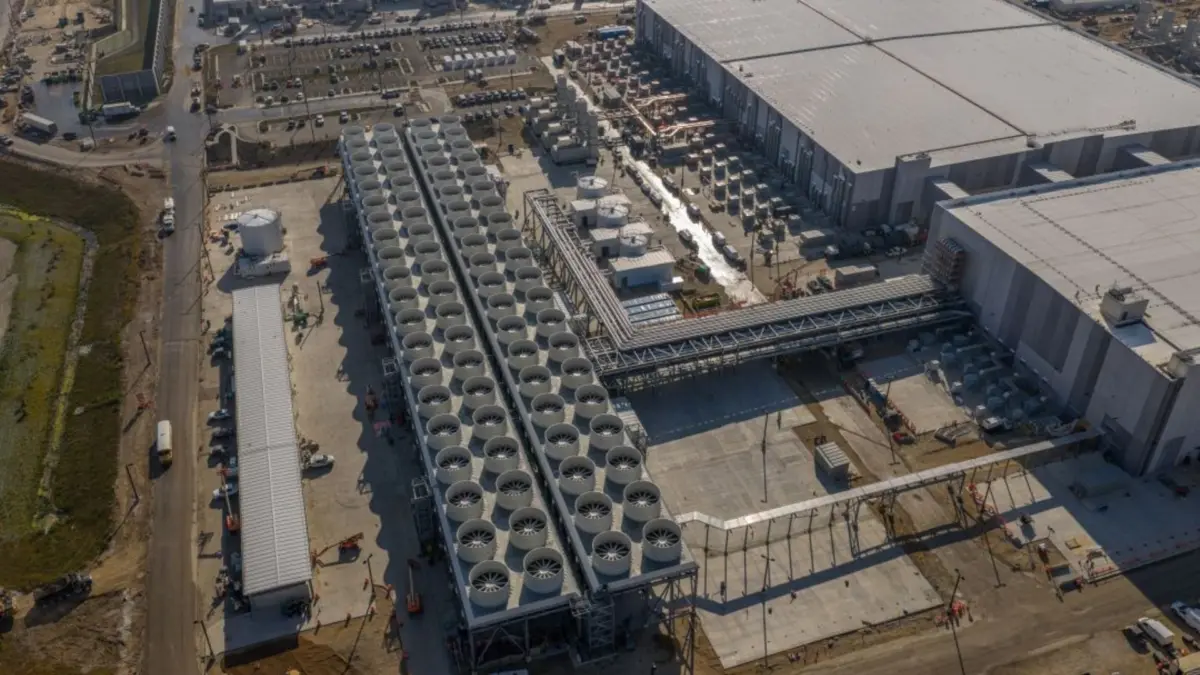
The strategic push reflects a growing recognition within the tech sector that public sentiment and regulatory scrutiny are critical variables for the future growth and deployment of large-scale AI infrastructure. As artificial intelligence models demand unprecedented amounts of computational power, energy, and physical space, the facilities housing these systems have increasingly drawn public attention, local pushback, and policy debates. By attempting to reframe the conversation around these massive facilities, OpenAI aims to alter the vocabulary and imagery associated with the physical footprint of artificial intelligence development.
Chris Lehane, OpenAI’s chief global affairs officer, recently addressed the broader political landscape surrounding the technology, noting that the upcoming midterm elections would serve as "a bit of a movie trailer for what you’re going to see in 2028." Lehane anticipates that artificial intelligence will emerge as a central, highly contested issue for presidential candidates and political parties alike, driven by growing societal anxieties over how the technology will reshape the modern workforce, influence the broader economy, and impact environmental resources, particularly energy grids and water supplies.
The timing of OpenAI’s proposed public relations offensive underscores the high stakes involved in the intersection of technology policy and electoral politics. As lawmakers at both the state and federal levels grapple with how to regulate artificial intelligence, ensure data privacy, manage intellectual property concerns, and address workforce displacement, technology companies are ramping up their engagement with policymakers and the electorate. The debate over AI is no longer confined to technical research laboratories or corporate boardrooms; it has firmly entered the mainstream political arena, where public perception can directly influence legislative outcomes, zoning approvals for new infrastructure, and government funding initiatives.
At the heart of OpenAI’s rebranding strategy is the perception of data centers, which have traditionally been viewed by local communities and environmental advocates as massive, secretive, and resource-intensive facilities that consume vast amounts of electricity and water while offering limited direct employment opportunities. By introducing the terminology of "AI Compute Campuses," the company appears to be seeking a linguistic and conceptual shift. The term "campus" evokes imagery of educational institutions, innovation hubs, and community integration rather than industrial warehouses filled with humming computer servers. Whether this terminology will resonate with the public or face skepticism from critics remains to be seen, but it signals an aggressive shift in corporate communications and public affairs strategy.
The broader public relations campaign is expected to deploy a multifaceted approach, utilizing advertising, community outreach, and direct engagement with policymakers to make the case for the economic and societal benefits of artificial intelligence. Proponents of the technology frequently argue that massive investments in AI infrastructure are essential for maintaining national competitiveness, driving scientific breakthroughs, and securing leadership in a critical global industry. However, these arguments must contend with mounting public concern regarding the immediate practical consequences of rapid AI deployment, including job security fears for workers in various sectors, questions regarding misinformation and copyright, and the ecological footprint of powering next-generation data centers.
As the political landscape shifts toward the 2028 presidential election cycle, tech companies are clearly anticipating that artificial intelligence will be a defining issue for voters. Candidates will likely be forced to articulate clear visions for balancing innovation with regulation, protecting workers while encouraging technological progress, and managing the environmental trade-offs associated with massive computing demands. OpenAI’s proactive stance indicates that industry leaders do not intend to remain passive observers of this political debate, preferring instead to actively shape the narrative surrounding the physical and economic infrastructure that powers the modern artificial intelligence revolution.