
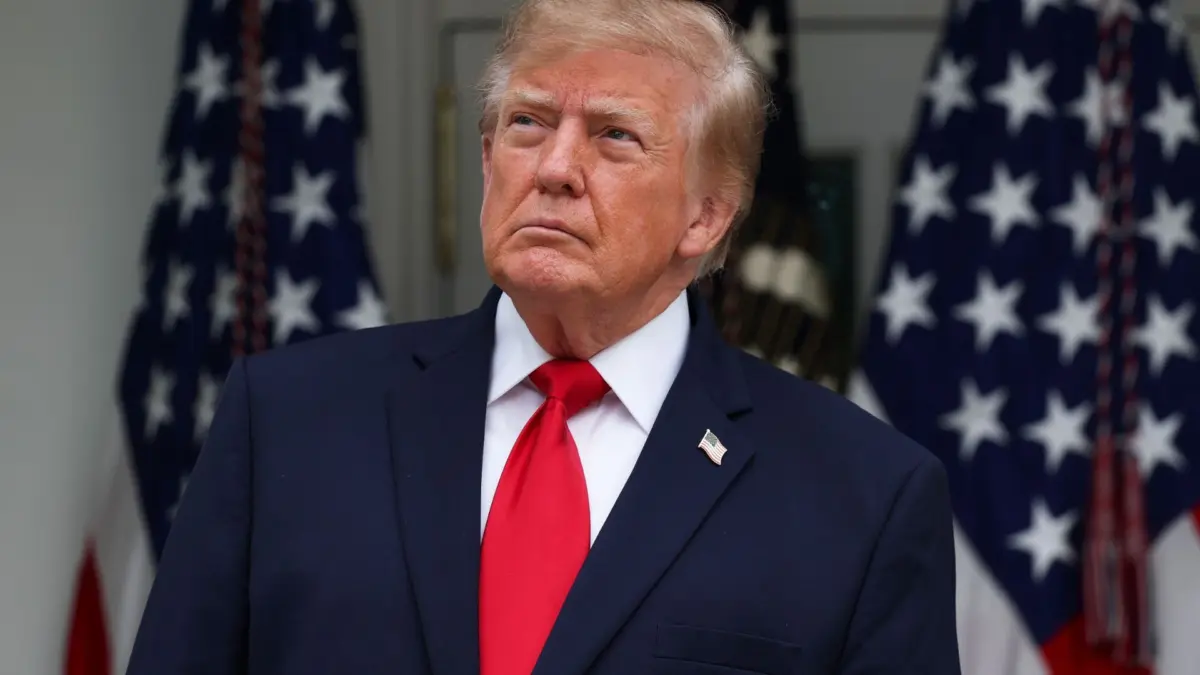
In a post published on Truth Social, the President warned that the rapid, unchecked expansion of AI-driven computing infrastructure cannot come at the direct expense of ordinary citizens who are already struggling with ballooning utility bills. The statement underscores a growing point of friction between the booming tech sector—which requires unprecedented amounts of electricity to train and run massive large language models—and the regional power grids that struggle to keep up with the sudden demand.
Local communities all over the United States and internationally have increasingly pushed back and organized protests against proposed AI data centers, primarily due to their outsized, disruptive impact on local resources and daily life. Among the most prominent grievances voiced by residents are surging electricity costs, which have spiked dramatically in regions heavily targeted by tech companies for data center construction. Recent federal regulatory warnings and utility reports have highlighted how massive regional power draws can trigger steep, sudden electricity price spikes for regular ratepayers, shifting the financial burden of infrastructural expansion onto local households.
Beyond economic strain, neighboring communities frequently grapple with a wide variety of localized environmental and quality-of-life issues. Noise pollution has emerged as a major complaint, with residents living near massive cooling systems and server farms reporting low-frequency infrasound that, while often falling below standard decibel-meter thresholds, causes persistent irritation, sleep disruption, and distress for local citizens. At the same time, massive water consumption required to cool heat-intensive servers has strained municipal supplies, occasionally sparking acute water shortages and public health concerns in vulnerable regions. Other communities have faced severe air pollution from backup diesel generators, local deforestation clearing the way for sprawling campuses, and infrastructural strain resulting from rapid industrial development.
The intersection of national energy policy, booming technological advancement, and local community pushback has turned data center siting into a high-stakes political and economic battleground. As hyperscalers race to secure reliable, multi-gigawatt power supplies—often turning to nuclear energy, natural gas, and renewables—polygonal regulatory bodies and federal watchdogs are facing mounting pressure to ensure that everyday consumers are protected from the externalized costs of the AI revolution. President Trump’s latest proposal adds a new layer to this ongoing debate, suggesting that tech giants may soon face federal or local mandates forcing them to share the immense wealth and power generation capacity they command directly with the neighborhoods that host them.



Leave a Reply