
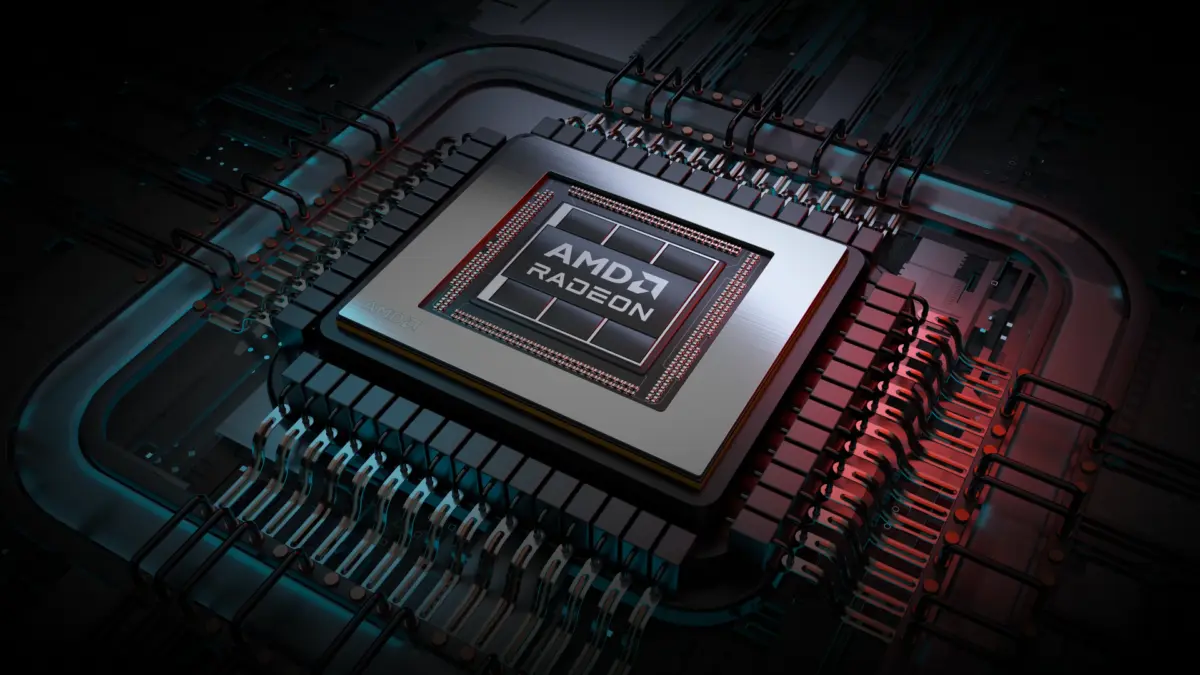
AMD has delivered an unexpected early holiday gift to millions of PC gamers and hardware enthusiasts. Earlier this year, the semiconductor giant brought its advanced FSR 4 upscaling technology—previously an exclusive feature for newer Radeon RX 9000-series graphics cards—to the preceding Radeon RX 7000-series generation. At the time, the company indicated that owners of older Radeon RX 6000-series products would have to wait until early 2027 to experience the visual improvements. However, plans have changed significantly, and the wait is essentially over.
In a major announcement made today, AMD’s senior vice president and general manager of the Computing and Graphics Business Group, Jack Huynh, revealed that FSR 4.1 is officially rolling out to a much broader ecosystem than initially promised. The expansion goes far beyond desktop graphics cards, encompassing the Radeon RX 6000 series, Microsoft’s Xbox Series X and Series S home consoles, various Ryzen Z-series handheld gaming devices, and systems powered by Ryzen AI Max and Ryzen AI 9 processors. This aggressive deployment strategy brings state-of-the-art upscaling performance to hardware architectures that span multiple generations and form factors, defying previous hardware limitations and industry expectations.
To accomplish this impressive technical feat, AMD engineers had to completely rethink how the upscaling technology interacts with older hardware. FSR 4 relies heavily on sophisticated neural network models that traditionally demand specialized, high-precision processing capabilities. Specifically, the original implementation designed for the newest graphics cards leverages FP8 matrix acceleration hardware to handle complex neural computations efficiently. Because the older Radeon RX 6000 series—built on the RDNA 2 architecture—and other designated platforms lack this exact high-precision hardware capability, a direct port of the original algorithm was fundamentally impossible.
Instead of leaving legacy hardware behind or forcing consumers to upgrade their systems, AMD successfully tweaked FSR 4.1’s underlying neural network model. By re-architecting the system to support INT8 shader hardware, the development team bridged the generation gap. This crucial technical modification allows the advanced neural-based upscaling to run smoothly on older RDNA 2 chips and alternative processor architectures without sacrificing the core visual enhancements that define the FSR 4 experience. Users can now expect sharper image reconstruction, reduced shimmering, and superior overall visual fidelity in compatible titles, breathing new life into hardware that many assumed had reached its technological ceiling regarding AI-driven upscaling features.
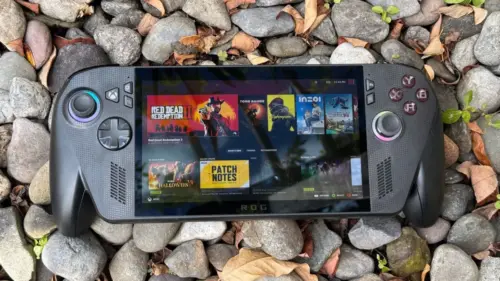
The engineering challenge was even more pronounced when bringing the technology to portable gaming form factors. Handheld gaming PCs and modern hybrid mobile chips operate under strict power, thermal, and memory bandwidth constraints that desktop graphics cards simply do not face. To solve this dilemma, AMD developed a specialized variant of the FSR 4.1 model explicitly tailored for handheld devices. This custom version has been aggressively slimmed down, resulting in a footprint that is less than half the size of the full desktop implementation. Despite its drastically reduced scale, this optimized mobile variant maintains the core benefits of the upscaling algorithm, ensuring that gamers using Ryzen Z-series handhelds and Ryzen AI-powered laptops can enjoy enhanced frame rates and crisp visuals on the go without devastating their battery life or overwhelming their thermal envelopes.
The inclusion of the Xbox Series X and Series S consoles in this rollout represents another major milestone for AMD’s ecosystem strategy. Because both Microsoft consoles rely on custom AMD hardware designs that share architectural DNA with the company’s PC graphics and processor lines, extending FSR 4.1 support to these platforms opens the door for console developers to leverage advanced neural upscaling. This could pave the way for future patches or new game releases on the consoles to achieve higher resolutions and smoother performance targets by utilizing the newly optimized INT8-compatible neural network models.
Similarly, the inclusion of systems equipped with Ryzen AI Max and Ryzen AI 9 chips highlights AMD’s broader corporate push toward integrated artificial intelligence capabilities. By ensuring that these multi-purpose processors can process the FSR 4.1 neural network efficiently, AMD is laying the groundwork for seamless graphics acceleration across thin-and-light laptops, mini PCs, and productivity workstations that double as casual gaming rigs.
The decision by Jack Huynh and the Radeon team to accelerate this roadmap by months underscores a shifting strategy at AMD, placing a heavy emphasis on software longevity and cross-generational feature parity. For owners of Radeon RX 6000-series graphics cards who purchased their hardware years ago, the arrival of FSR 4.1 marks a substantial, unexpected value addition that extends the competitive lifespan of their systems. As the updated drivers and software development kits begin reaching developers and end-users, the gaming community will soon be able to evaluate how well the INT8-optimized neural network performs across this vast array of legacy and alternative hardware platforms.

Leave a Reply