
As artificial intelligence rapidly transitions from generating isolated snippets of syntax to autonomously executing complex software engineering workflows, developers face a new bottleneck. Modern coding agents are increasingly responsible for making high-level architectural decisions, selecting appropriate software development kits, and executing tool calls. However, workflows that appear seamless to a human developer can frequently cause these agents to stumble, stalling progress and introducing hard-to-diagnose errors into the codebase.
To address these reliability hurdles, Microsoft has engineered and released a new open-source platform known as Scope. Falling under the broader developmental umbrella known as the Developer Agent Experience, or DevAx, Scope is explicitly designed to identify, analyze, and score the failure points of existing coding agents. By running identical software engineering tasks through various agent environments, the tool provides a standardized framework for evaluating how well different models perform complex, multi-step development challenges. The source code for the project has been made publicly available under the permissive MIT license via GitHub.
How Does Scope Work?
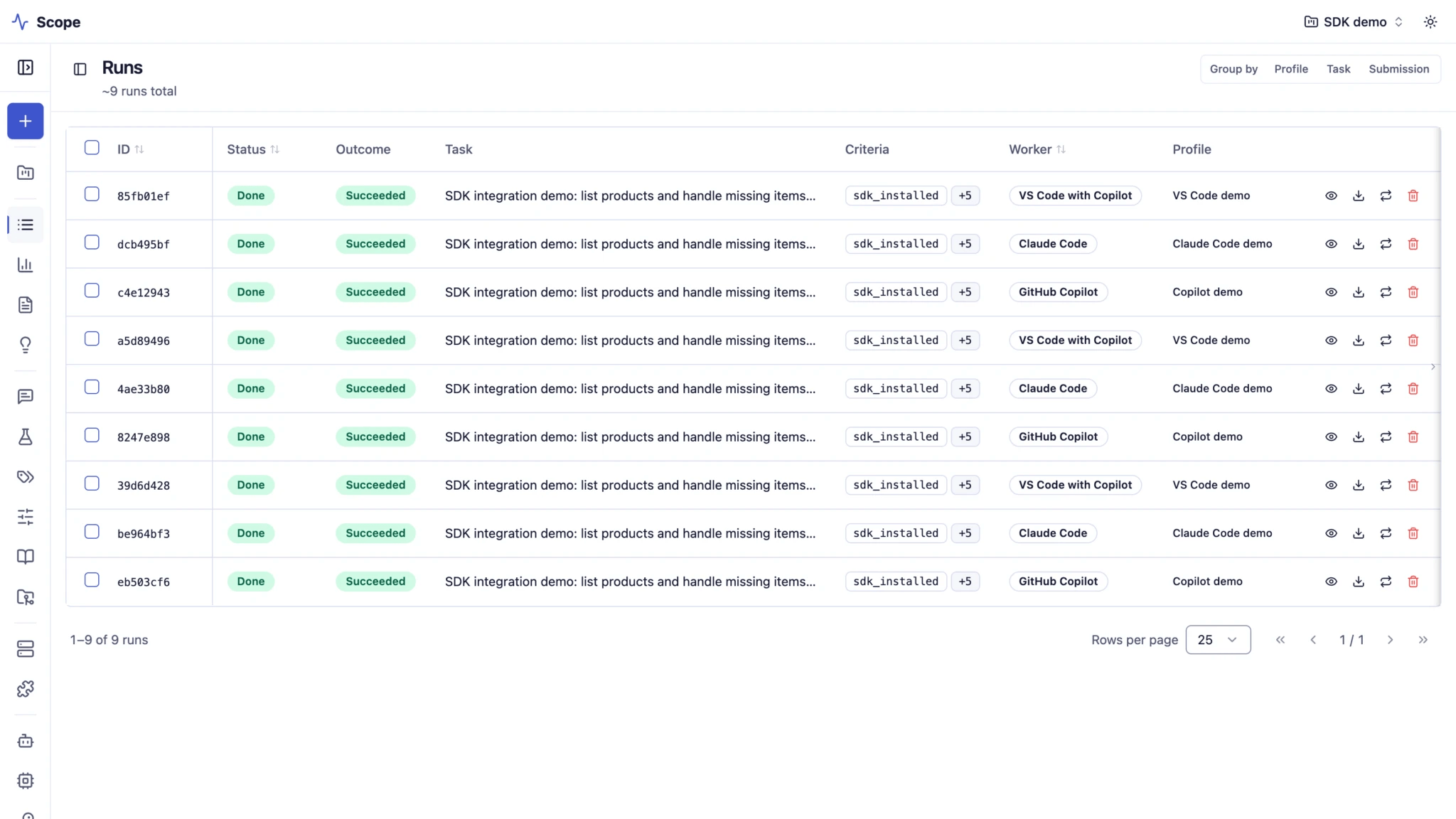
The operational mechanics of Scope revolve around a structured testing pipeline. A user initiates a session by providing the platform with a specific coding task, an optional starting codebase, and a defined agent configuration. Scope then systematically drives existing, widely used coding agents—such as GitHub Copilot and Claude Code—through the assigned workflow, simulating real-world development scenarios under controlled conditions.
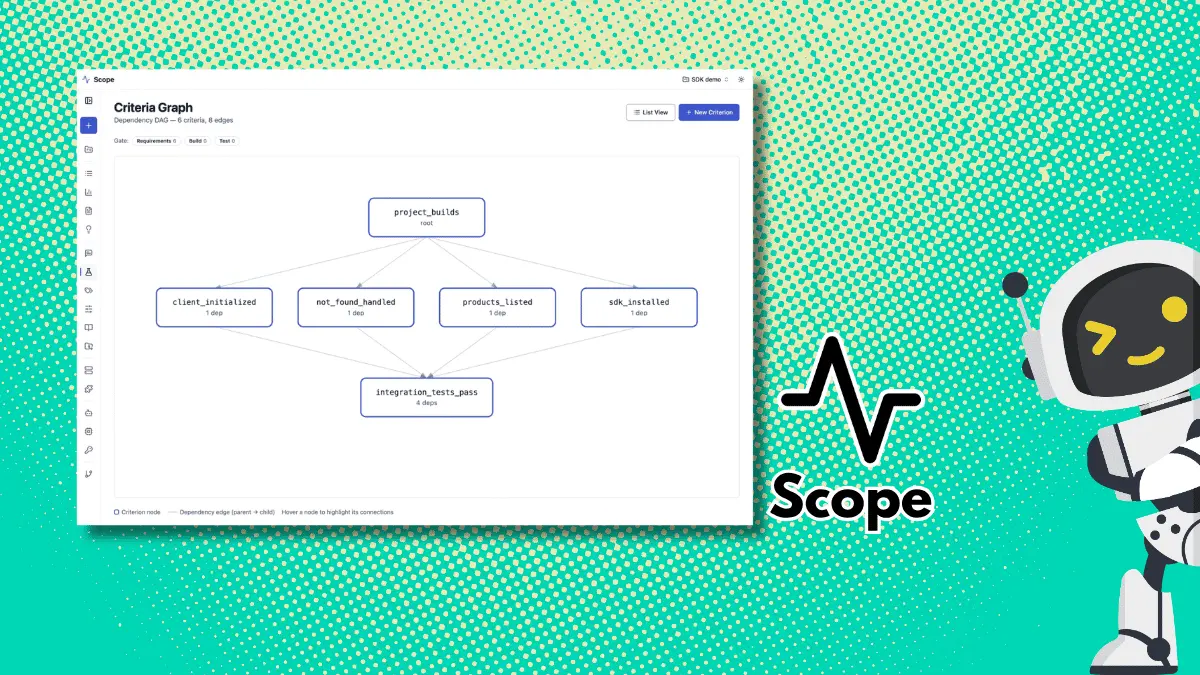
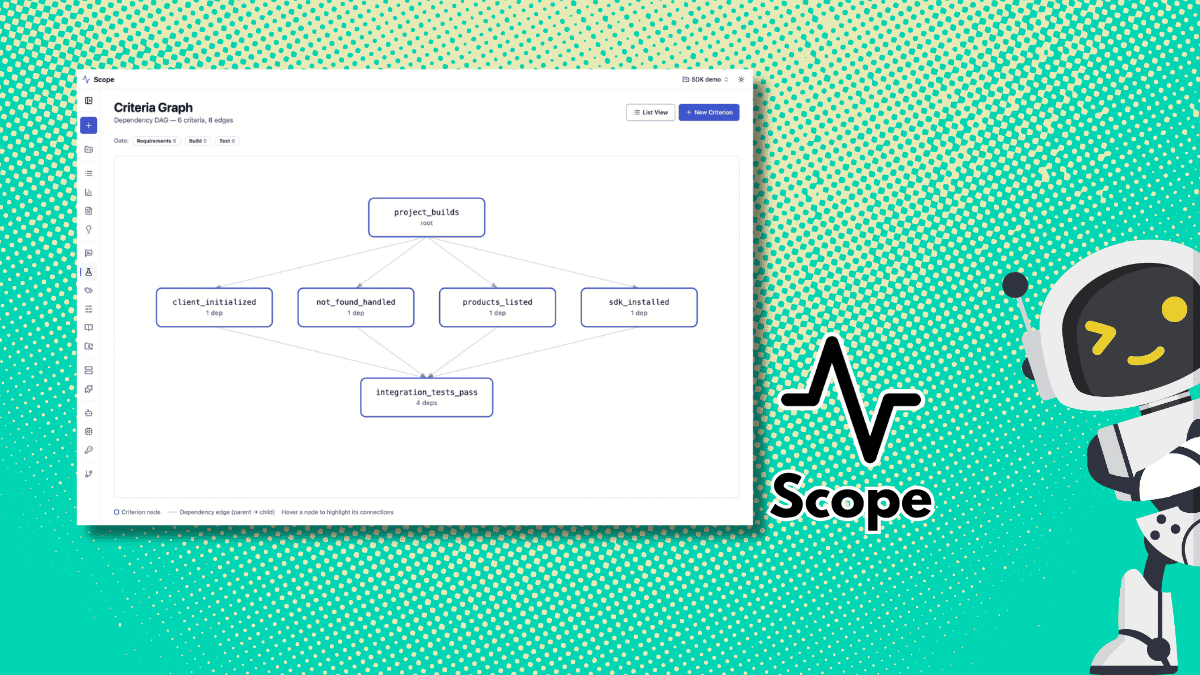
To evaluate success, Scope utilizes criteria structured around a dependency graph, allowing one validation check to logically gate subsequent tests. A straightforward example involves requesting an agent to build a basic Node.js server, where the system subsequently verifies the implementation of a specific GET route at the /health endpoint designed to return a JSON response.
Evaluating whether these criteria have been met falls to an LLM-based Judge service, which scores each execution run against the predefined goals. Because language models are inherently prone to occasional misinterpretations, Microsoft explicitly notes that important conclusions and final evaluations still warrant careful human review.
To ensure comprehensive debugging capabilities, every single execution run maintains detailed live logs, generated files, workspace snapshots, and chronological records of tool calls. If a particular criterion fails, developers can trace the failure step-by-step through the entire history of the session. Furthermore, Scope incorporates versioned profiles that preserve the exact agent, underlying model, specialized skills, Model Context Protocol servers, and extensions used during a given test.

This modularity allows development teams to swap out a single variable—such as updating a model version or modifying a prompt—rerun the identical task, and directly compare the results. Because the performance of language models can vary significantly from attempt to attempt, repeating tasks enables engineers to distinguish between recurring systemic problems and one-off execution anomalies.
Additionally, Scope features configurable personas that allow users to alter the viewpoint and tone of the simulated user during a test run. Once a session concludes, results can be reviewed through an intuitive web portal or integrated directly into automated scripts and continuous integration pipelines using the provided command-line interface and REST API.
Where Would You Use It?
The utility of Scope extends across several distinct domains within the software development ecosystem, offering targeted benefits for technical writers, library maintainers, and tool developers alike.
Documentation teams, for instance, can leverage the platform to monitor how consistently agents follow written instructions. By identifying specific guidelines that agents miss run after run, documentation writers can refine the clarity of a webpage and subsequently rerun the scenario to verify whether the comprehension error has been resolved.
Software development kit maintainers face a different set of challenges, particularly ensuring that an autonomous agent actually chooses their SDK over competing alternatives when tackling a programming problem. Using Scope, maintainers can test whether introducing new sample code, documentation updates, or specialized agent skills successfully alters an agent’s library selection behavior and improves integration outcomes.
For creators of command-line interfaces and Model Context Protocol servers, the platform’s granular execution traces illuminate exact moments where an agent stalls or enters an unproductive loop. These insights often point directly to vague tool descriptions, ambiguous parameter definitions, or unhelpful error messages that leave the agent guessing about how to proceed.
What Is the Catch?

Despite its powerful capabilities and open-source availability under the MIT license, deploying and utilizing Scope requires significant technical overhead. The platform does not currently feature a hosted, cloud-managed version, meaning interested teams must set up and manage the infrastructure themselves.
A local development setup demands a specific suite of modern tools, including Docker combined with Compose v2, Node version 22, pnpm, mkcert for local certificate generation, and the official GitHub CLI. Microsoft provides a detailed local development guide to assist engineers through the configuration process.
Furthermore, running the default worker environment requires an active GitHub Copilot entitlement, while the underlying Judge service necessitates valid credentials for an external model provider. For larger organizations seeking a shared, collaborative deployment, Scope can be installed on Kubernetes using an official Helm chart. While the project’s source code is hosted openly on GitHub, developers wishing to contribute code improvements must agree to Microsoft’s standard Contributor License Agreement.
Leave a Reply