
October 15, 2026 — Artificial intelligence continues to transform the digital retail landscape, shifting from a novelty experimental technology into a foundational operational layer for online stores. Industry data shows that retailers increasingly rely on customer, product, and campaign data processed by machine learning systems to attract shoppers, increase sales conversions, and foster long-term customer loyalty. By identifying intricate patterns in how consumers browse, evaluate, and respond to marketing initiatives, modern algorithms can deliver tailored product recommendations, streamline advertising budgets, and proactively identify customers who may be losing interest.

However, industry experts emphasize that successful implementation requires disciplined oversight. Retailers are advised to start with single marketing workflows, ensure their underlying data remains reliable, and continuously measure performance against baseline results. Human intervention remains vital, as unmonitored automation and flawed datasets can lead to inaccurate content generation, irrelevant consumer suggestions, and substantial financial waste on misdirected advertising.

What is AI in Ecommerce Marketing?
In the current digital ecosystem, artificial intelligence within ecommerce marketing encompasses a wide array of specialized tools. These include automated product recommendation engines, ad optimization systems, text and media generation software, and interactive shopping assistants. Rather than operating independently, these technologies analyze customer behavior, predict purchasing preferences, generate promotional materials, and address routine consumer inquiries in real time.

For instance, a modern home decor retailer might leverage browsing histories to suggest matching accessories, automatically generate multiple variations of a promotional advertisement for a new seasonal collection, or isolate segments of buyers who have reduced their purchasing frequency. In these scenarios, the technology handles pattern recognition and repetitive computational tasks, while human marketers establish strategic goals and determine final courses of action.
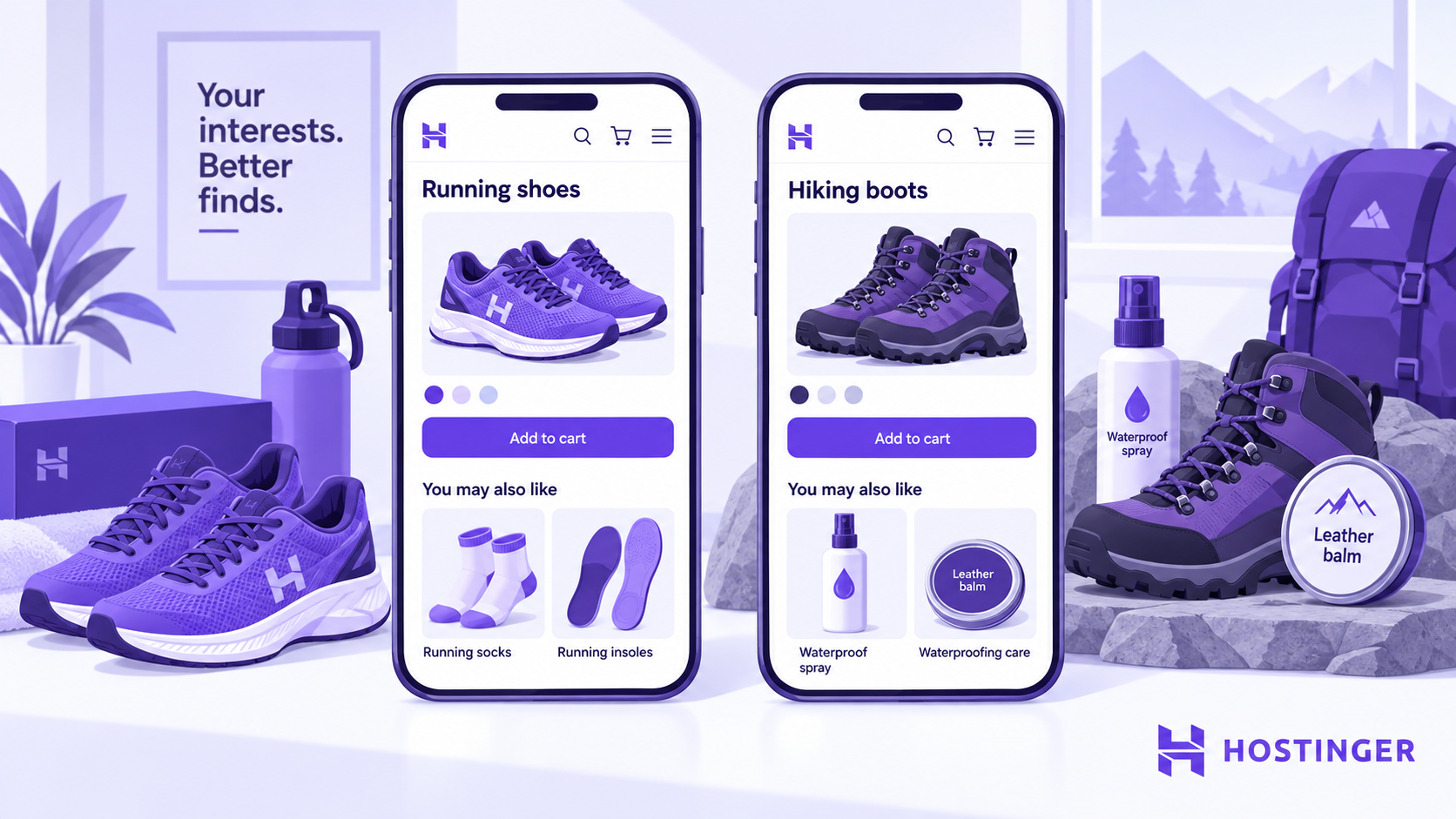
Platforms powering modern online storefronts—such as Hostinger Ecommerce, Shopify, and WooCommerce—frequently integrate these capabilities directly into their dashboards, though the depth and availability of specific automated features vary across platforms.

Core Applications of Machine Learning in Retail
Retail organizations generally deploy machine learning across eight distinct marketing domains: personalizing product recommendations, content creation and adaptation, paid advertising optimization, behavioral customer segmentation, email and SMS campaign refinement, conversational shopping guidance, cart recovery, and churn prediction.
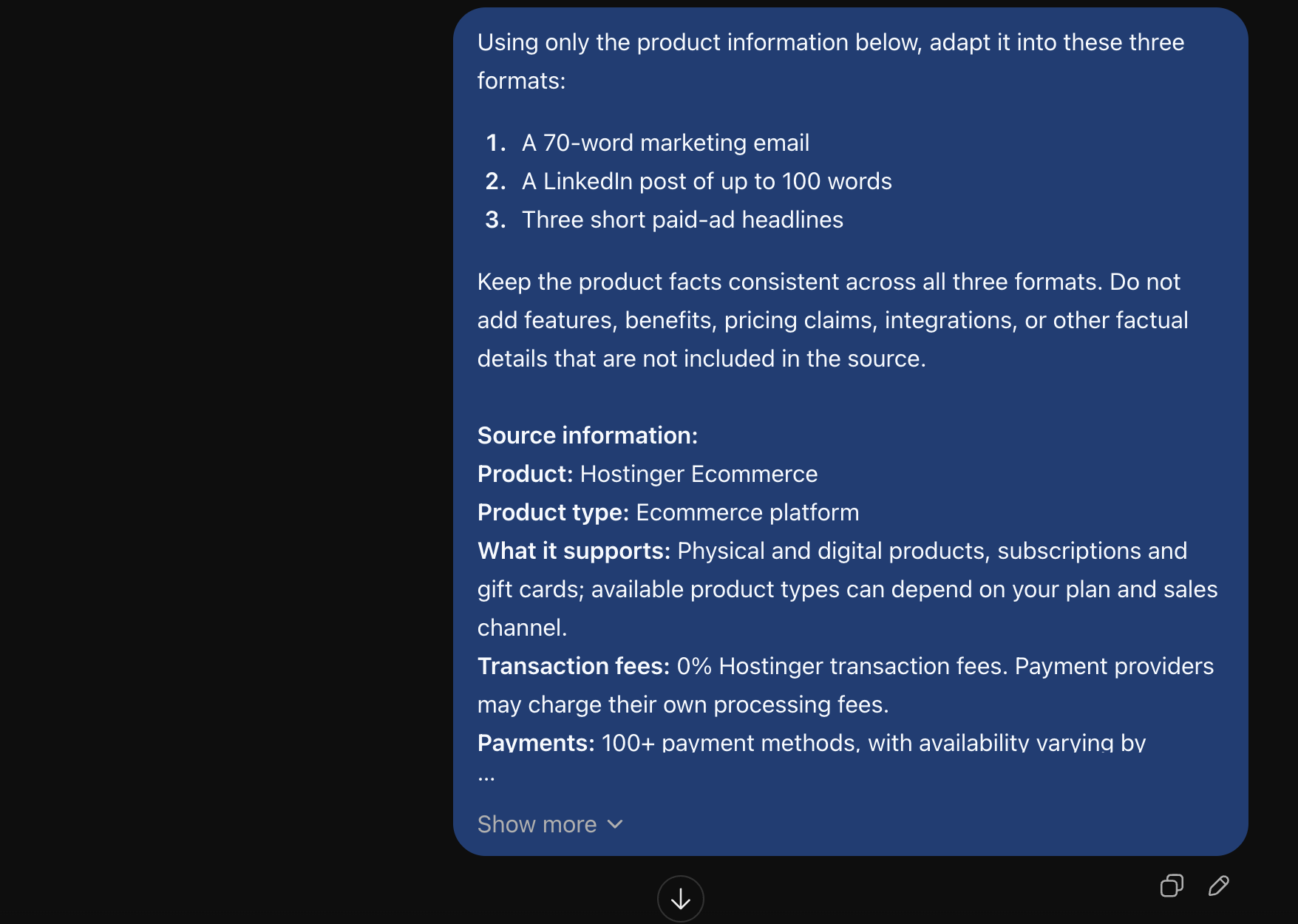
When personalizing product recommendations, stores utilize real-time browsing, cart contents, and historical purchase data to serve relevant items to individual shoppers. Industry research indicates that effective product recommendations can account for up to 31% of total ecommerce revenue when users actively engage with them. By tracking key metrics such as conversion rates, average order values, and repeat purchase frequencies, merchants can gauge the financial impact of these suggestions.
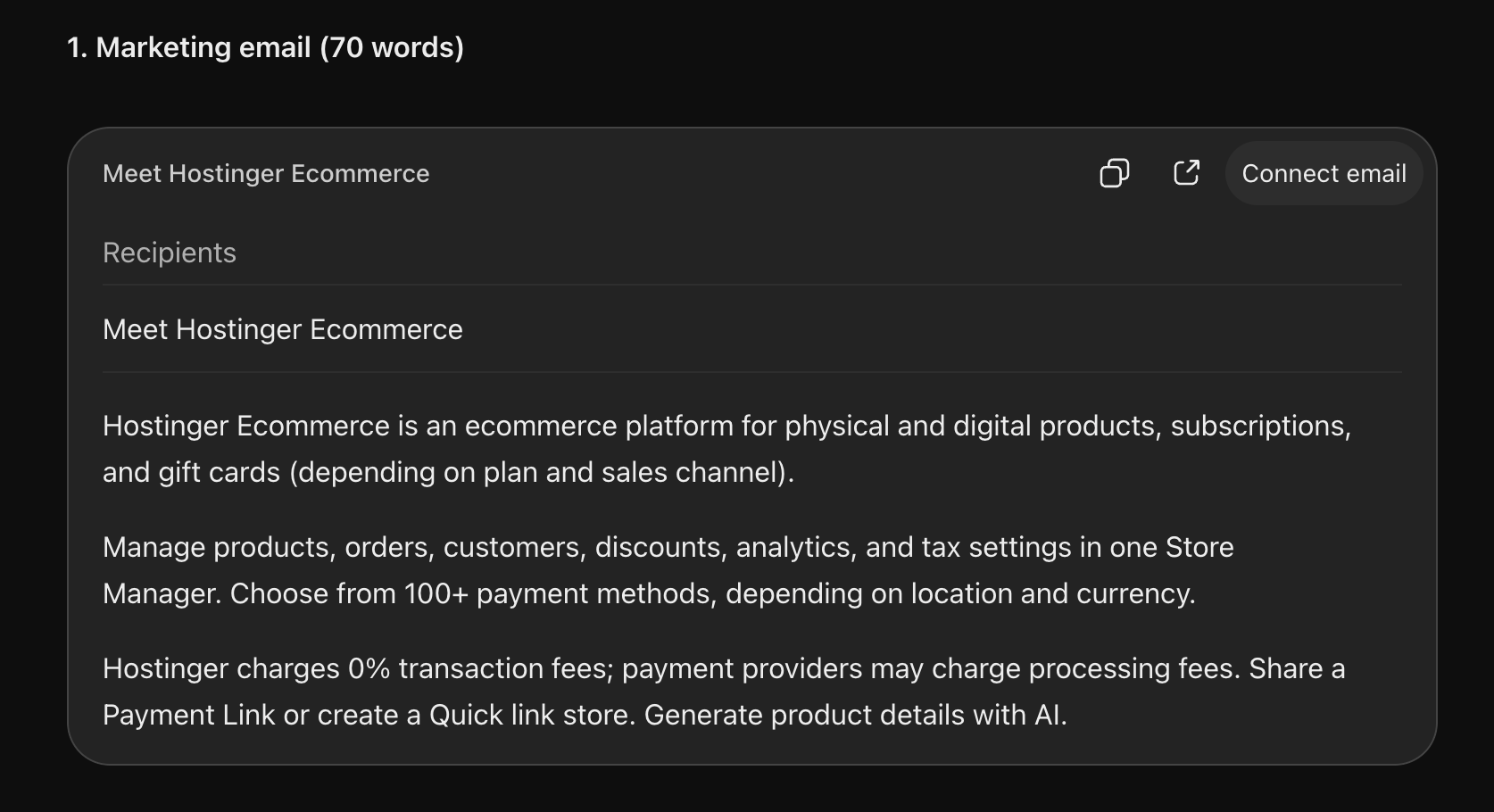
Content creation has similarly shifted. Studies indicate that a significant majority of marketing professionals utilize generative tools to draft initial copy or optimize existing material. Marketers can feed verified product specifications, ingredient lists, and brand voice guidelines into a generation tool to produce coordinated product descriptions, advertising copy, email subject lines, and social media captions. Nevertheless, professionals stress that all generated material must be rigorously reviewed against actual product details before publication to prevent false claims regarding pricing, materials, or performance.
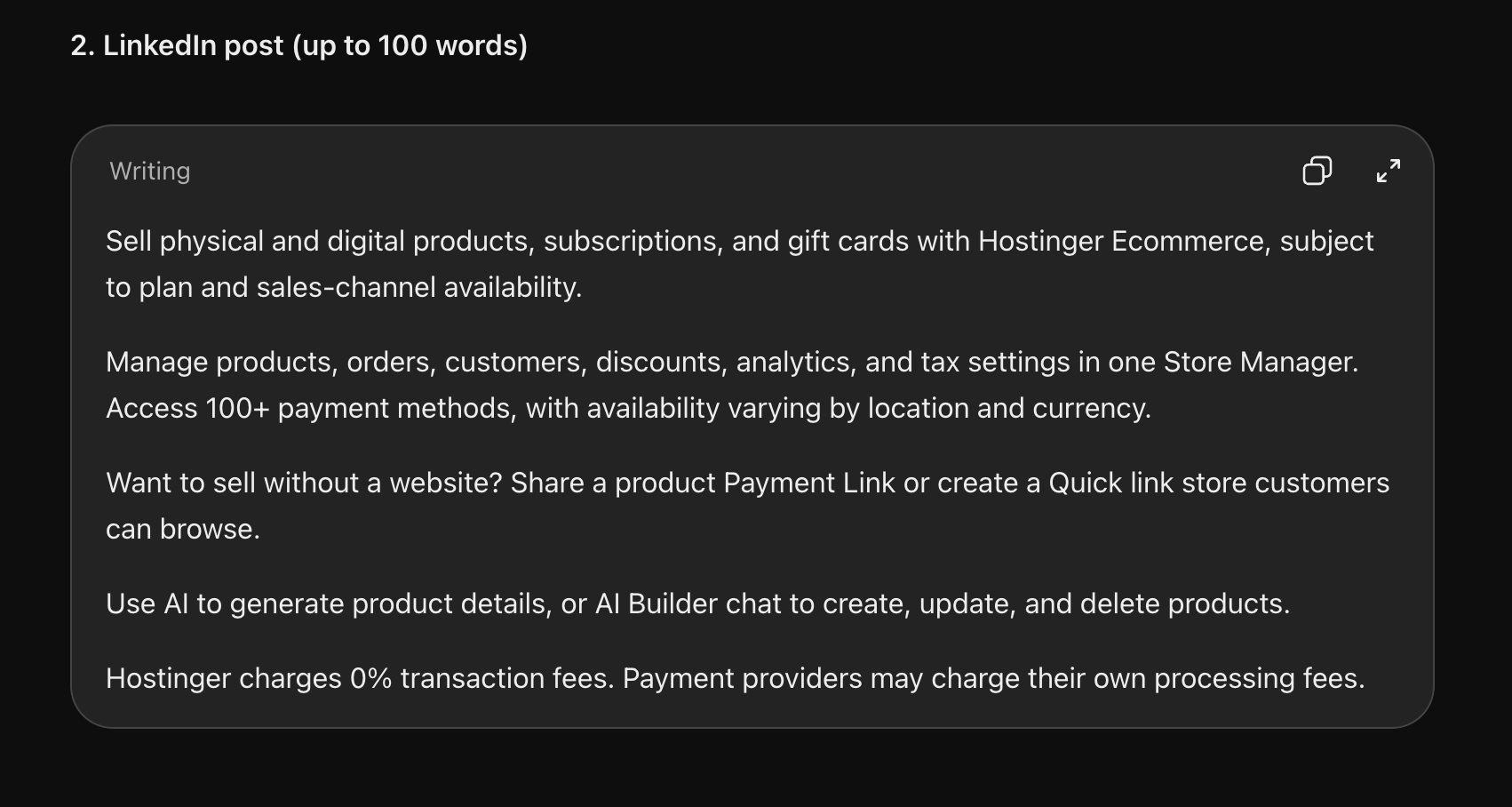
In paid advertising, platforms utilizing advanced machine learning models—such as Google Performance Max and Meta Advantage+—allow merchants to automate audience targeting, ad placements, and bidding strategies. By providing a product catalog, creative assets, and a daily budget, merchants allow algorithms to test different combinations and shift spending toward top-performing segments. Marketers retain control over budgetary caps, brand safety standards, and performance benchmarks.

Behavioral Segmentation and Campaign Refinement
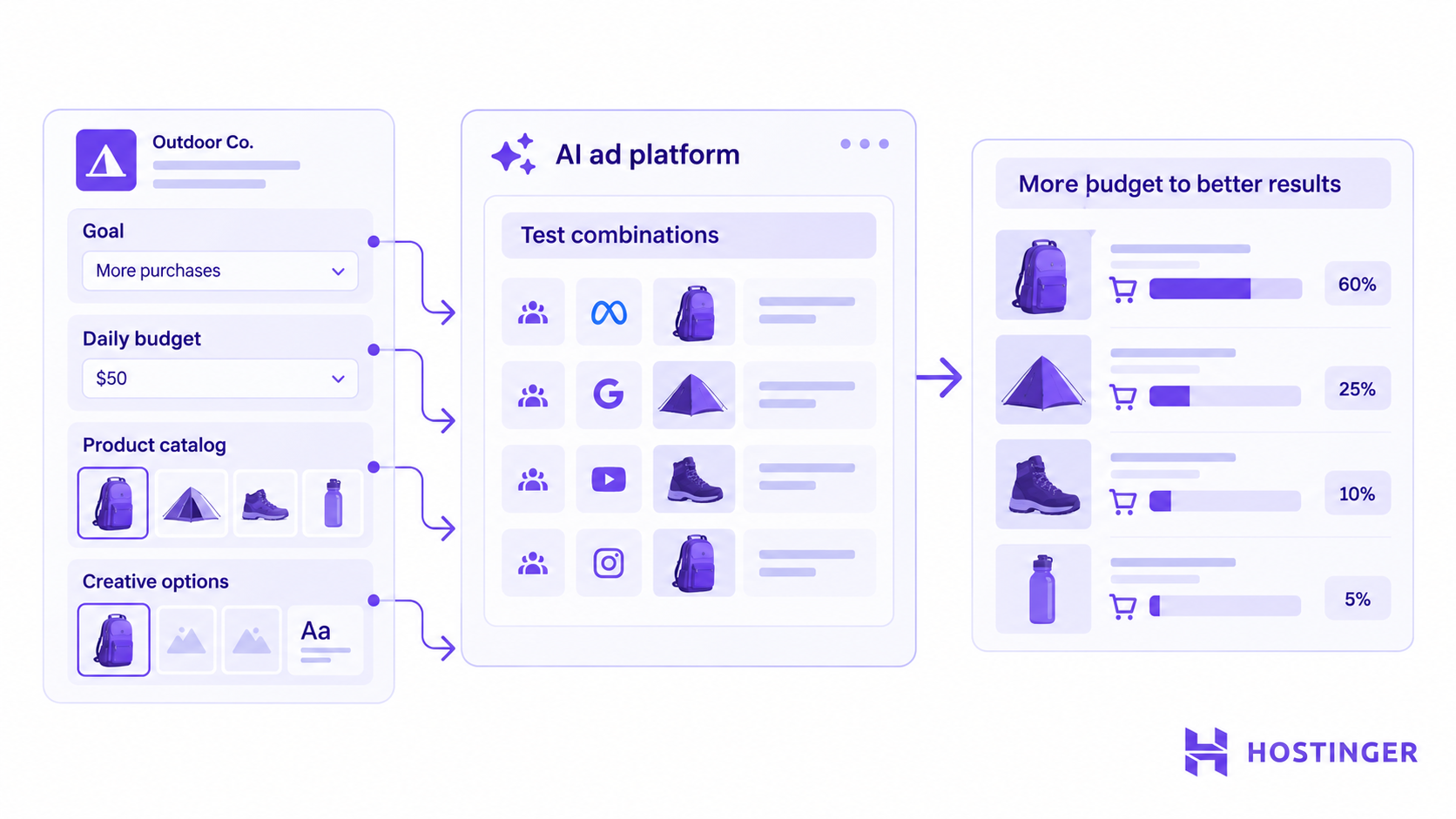
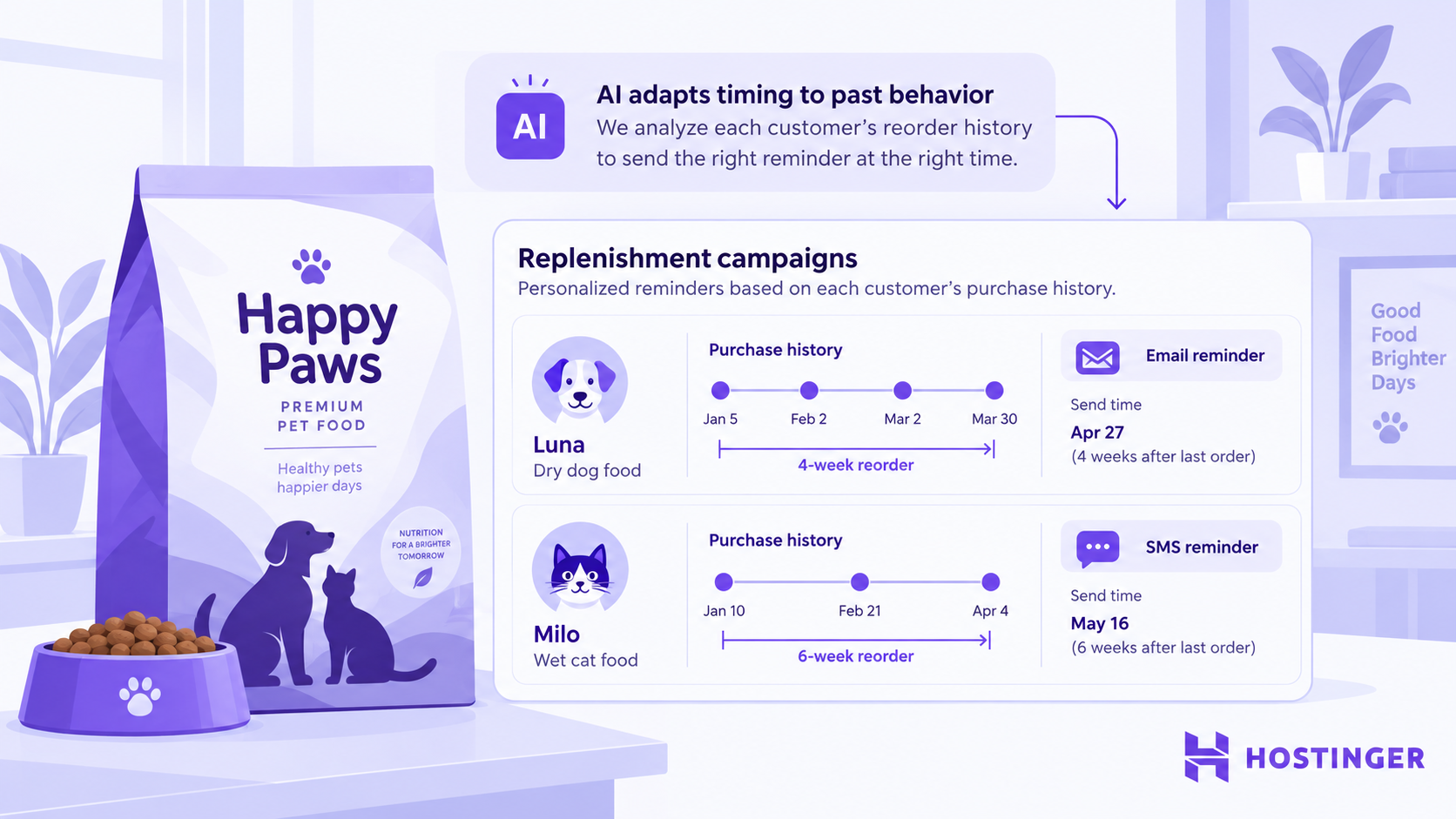
Behavioral segmentation allows merchants to categorize buyers based on actions such as purchasing frequency, browsing habits, and overall engagement, dynamically updating these groups as consumer habits shift. This segmentation enables targeted messaging rather than generalized promotional blasts. For example, email and SMS marketing campaigns can be precisely timed to match an individual consumer’s historical purchasing cycle, ensuring that reminders arrive just as a customer is likely to need a replenishment.
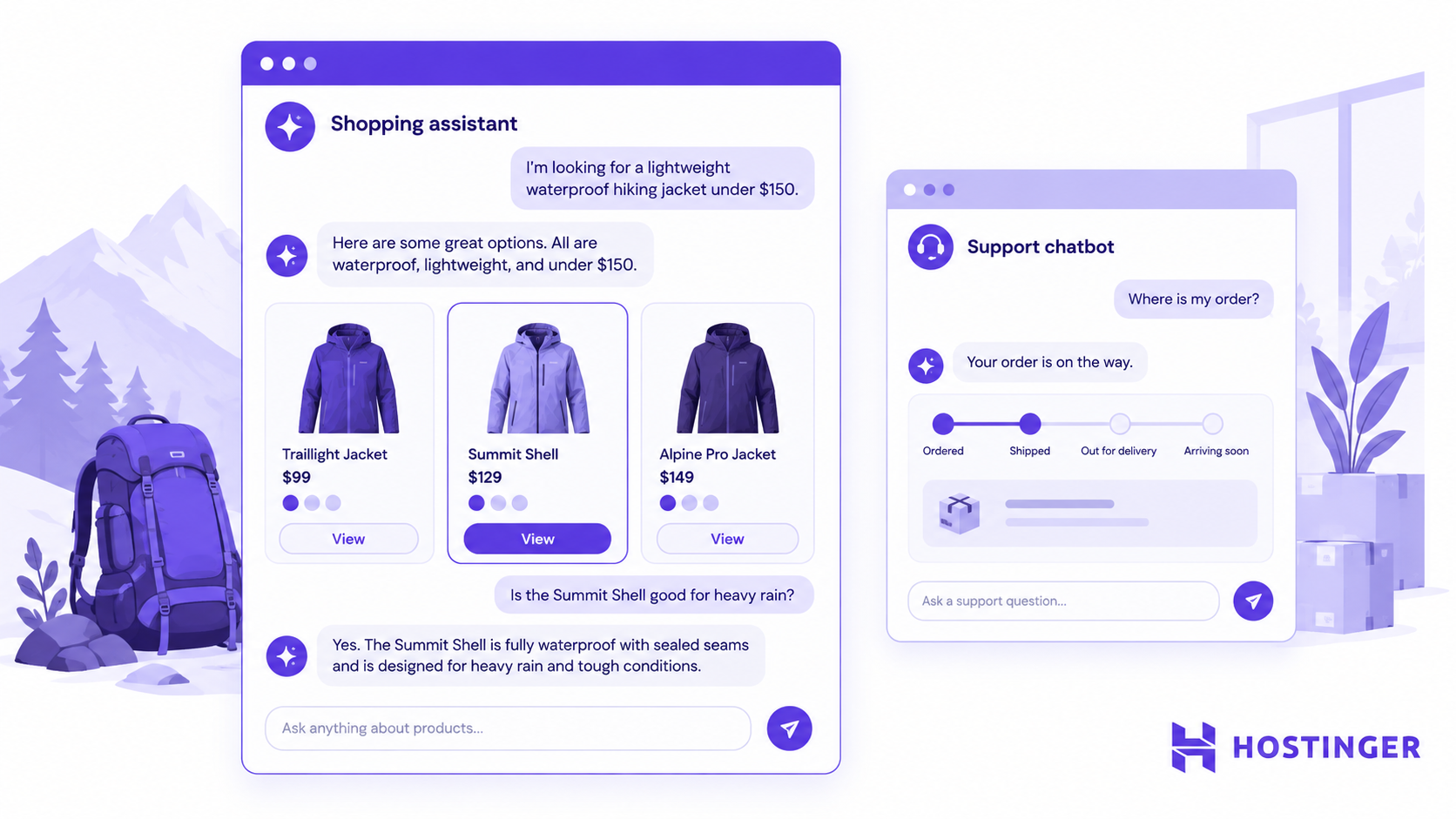
Conversational artificial intelligence has also redefined how consumers navigate online inventories. Rather than forcing shoppers to manually filter through extensive product catalogs, modern conversational assistants allow users to describe their needs using everyday language—such as requesting a lightweight, waterproof jacket for hiking under a specific price point—and receive curated, comparative recommendations. Statistics indicate that over a third of consumers have interacted with automated shopping chatbots over recent months, underscoring the growing consumer acceptance of conversational interfaces.
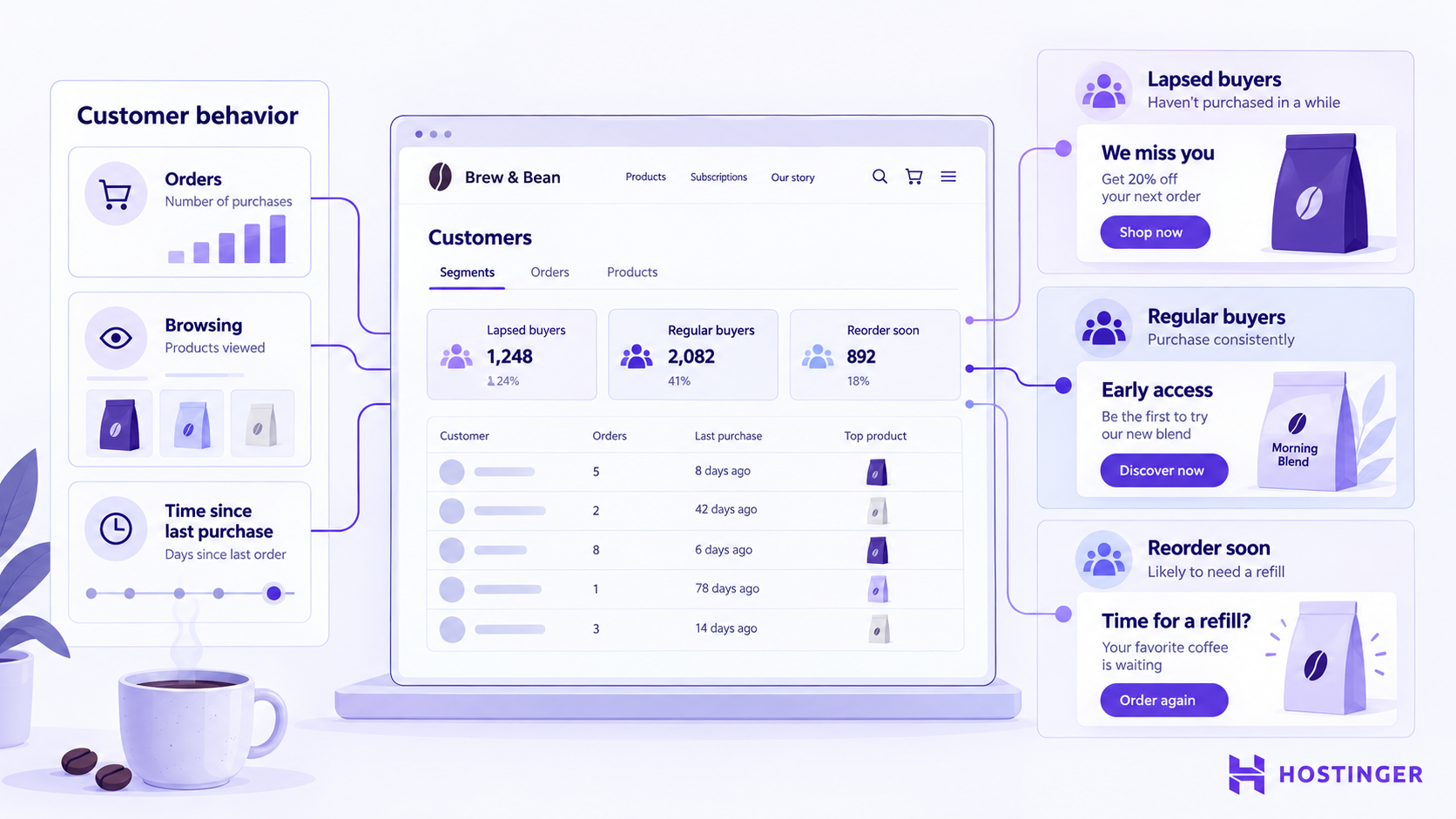
Advanced analytics likewise play a crucial role in recovering abandoned carts and predicting customer churn. By differentiating between first-time visitors who abandon checkouts due to unexpected shipping costs and loyal customers who simply forgot to complete a transaction, automated systems can tailor recovery messages accordingly. Similarly, predictive analytics can identify subtle shifts in customer behavior—such as missed reorder dates or declining email engagement—allowing brands to intervene with targeted retention campaigns before a customer stops purchasing entirely.
Limitations, Risks, and Best Practices
Despite its efficiency, the integration of artificial intelligence in retail marketing carries distinct risks. The primary vulnerability stems from data quality; duplicate or missing records can distort machine learning models, leading to flawed campaign decisions. Furthermore, inaccurate outputs, potential exposure of sensitive customer data, and overreliance on unmonitored automation can compromise brand reputation and consumer trust.
To mitigate these risks, industry specialists recommend maintaining strict parameters on automated spending, discount offers, and messaging frequencies. By establishing clear goals, auditing underlying data sources, and conducting small-scale tests before full deployment, retailers can harness technological efficiencies while retaining control over their brand narrative, budget allocations, and customer relationships.
Leave a Reply