
October 15, 2026 — By Alma F.

Artificial intelligence has firmly cemented its role in modern digital commerce, transforming how online stores attract shoppers, increase sales, and foster long-term customer loyalty. Rather than operating as a futuristic novelty, AI applications now leverage comprehensive customer, product, and campaign data to identify subtle patterns in browsing habits, purchasing decisions, and audience engagement. Industry developments indicate that these insights are increasingly utilized to power automated product recommendations, optimize paid advertising budgets, generate targeted content, and flag customers who may be drifting away from a brand.

However, industry experts emphasize that successful implementation requires careful planning, reliable data pipelines, and consistent human oversight. Because automated tools rely entirely on the information and parameters provided to them, unchecked execution or faulty data can easily result in inaccurate content, irrelevant recommendations, and wasted advertising expenditure. As merchants navigate the rapidly evolving digital landscape, understanding both the capabilities and limitations of AI-driven marketing has become a critical operational priority.

What is AI in Ecommerce Marketing?
At its core, artificial intelligence in the ecommerce sector encompasses a suite of specialized technologies, including product recommendation engines, ad optimization systems, generative content tools, and conversational shopping assistants. These systems analyze historical customer behavior to predict buying preferences, generate promotional materials, or answer consumer inquiries in real time.
For instance, a boutique home decor retailer might use browsing history to suggest complementary items, automatically generate multiple iterations of an advertisement for a newly released collection, or identify purchasing slowdowns among existing buyers. In this dynamic, AI handles the heavy lifting of pattern recognition and repetitive administrative tasks, while human marketers establish overarching strategic goals and decide which actionable insights to pursue. Modern ecommerce platforms—ranging from Shopify and WooCommerce to specialized solutions like Hostinger Ecommerce—frequently integrate these capabilities into their broader ecosystems, though the depth and availability of features vary significantly across providers.

Strategic Applications in Digital Commerce
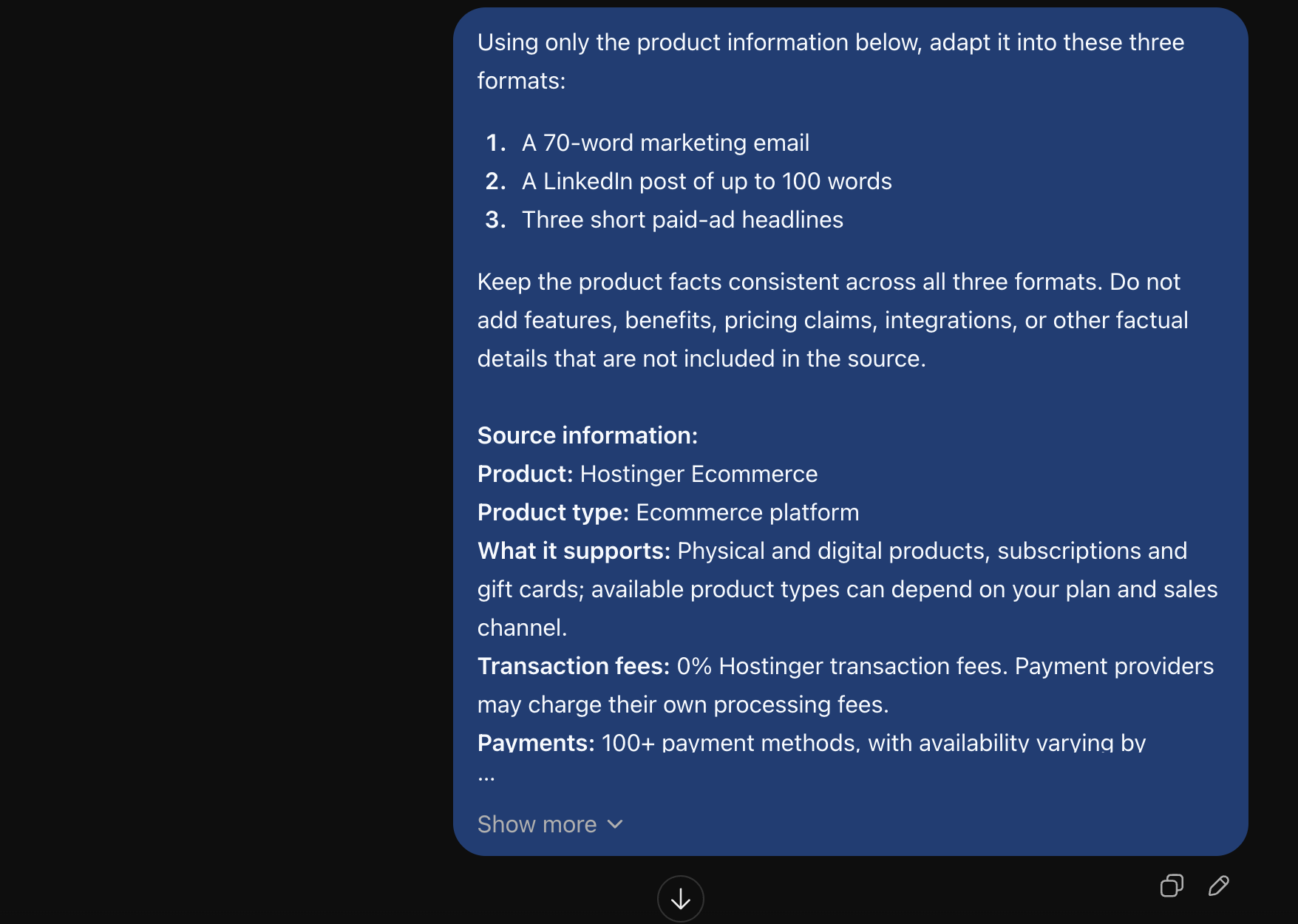
Retailers looking to harness artificial intelligence typically deploy the technology across several distinct operational areas. Among the most prominent use cases is the personalization of product recommendations. By analyzing past browsing sessions, active carts, and historical purchases, stores can display items uniquely tailored to an individual shopper’s interests. For example, a consumer viewing running shoes might be presented with specialized socks or supportive insoles, whereas a shopper exploring hiking boots would encounter weatherproofing treatments instead.
Industry research underscores the commercial impact of these strategies. Data compiled by Hostinger regarding ecommerce trends indicates that personalized product recommendations can account for up to 31% of total store revenue when shoppers actively engage with them. To evaluate success, merchants typically track key performance indicators such as conversion rates, average order values, and repeat purchase frequencies.
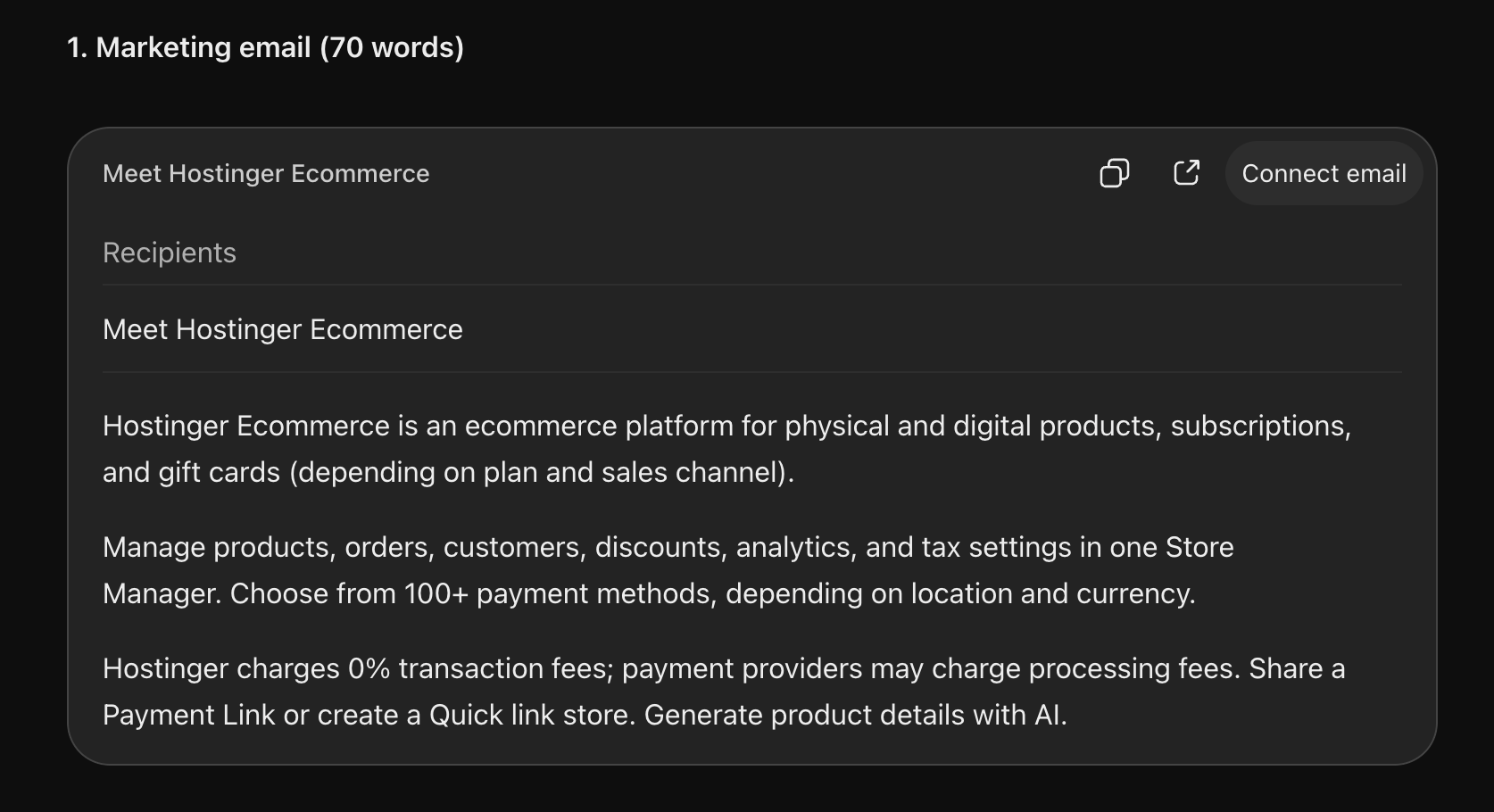
Beyond recommendations, artificial intelligence has become a valuable asset for creating and adapting marketing copy. By supplying verified source material—such as precise product ingredients, functional benefits, and established brand guidelines—to content generation tools, marketing teams can rapidly draft product descriptions, advertising variations, promotional email subject lines, and social media captions. Recent digital marketing statistics reveal that 54% of marketing professionals utilize AI tools to construct initial drafts, while 43% rely on them to optimize existing content. This capability also streamlines cross-channel campaigns, allowing a single product launch brief to be adapted into shorter email sequences, platform-specific social posts, and targeted ad headlines without losing factual consistency.
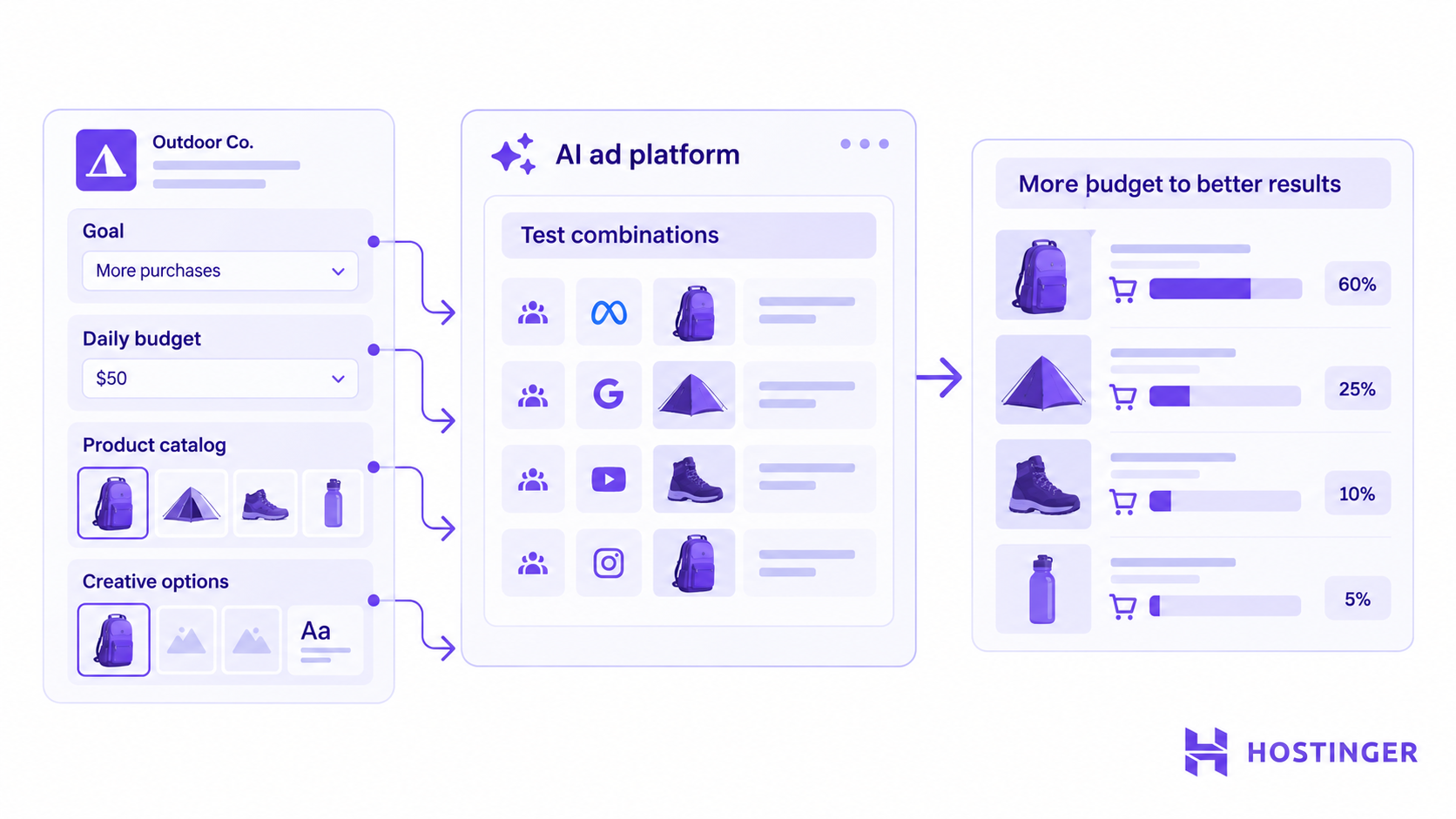
Paid advertising optimization represents another major growth area. Advanced ad platforms utilize automated algorithms to dynamically adjust target audiences, media placements, and bidding strategies based on real-time campaign goals and performance metrics. By inputting a product catalog, creative assets, a daily budget, and specific sales objectives into platforms featuring automated management tools—such as Meta’s Advantage+ or Google’s Performance Max—marketers can test numerous creative combinations and allocate budgets toward the highest-performing variations. Despite this automation, human oversight remains essential for maintaining control over overarching budgets, audience exclusions, and brand safety parameters.

Audience Segmentation and Retention
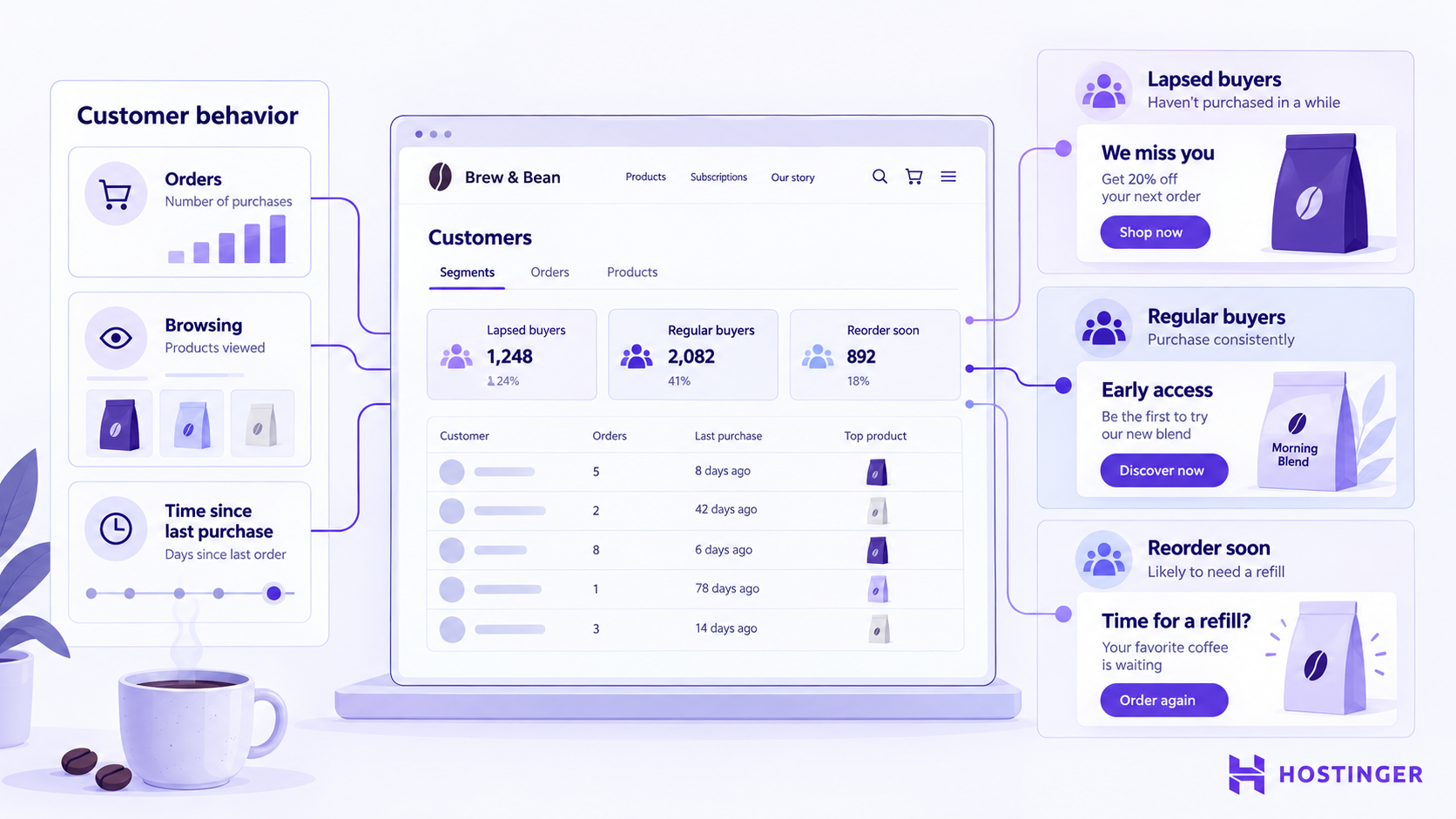
Data-driven customer segmentation has similarly evolved through machine learning. Rather than relying on static lists, systems can dynamically group shoppers based on evolving actions, such as recent purchases, browsing frequency, and overall engagement levels. A specialty coffee merchant, for instance, might automatically isolate customers who have placed at least two orders but remained inactive for the past 60 days, routing them into distinct win-back campaigns while treating frequent buyers entirely differently.
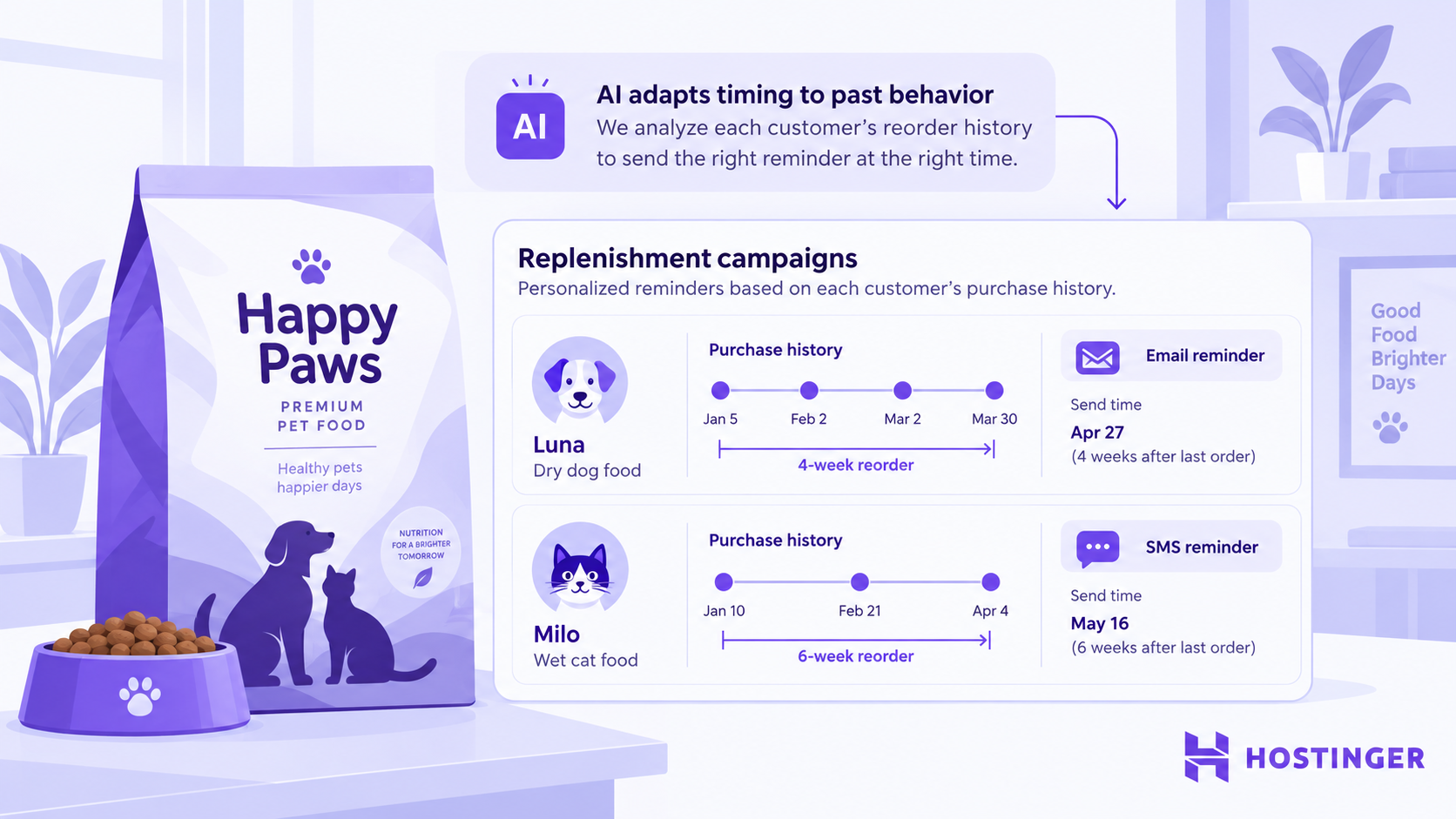
This behavioral insight extends naturally into email and SMS marketing. Automated systems can analyze individual purchasing rhythms—such as recognizing that one pet-food buyer reorders supplies every four weeks while another requires six—and schedule reorder reminders accordingly. While foundational email marketing automation handles standard triggers like sign-ups or completed checkouts, artificial intelligence refines the precise timing, product selection, and messaging nuances to maximize engagement.
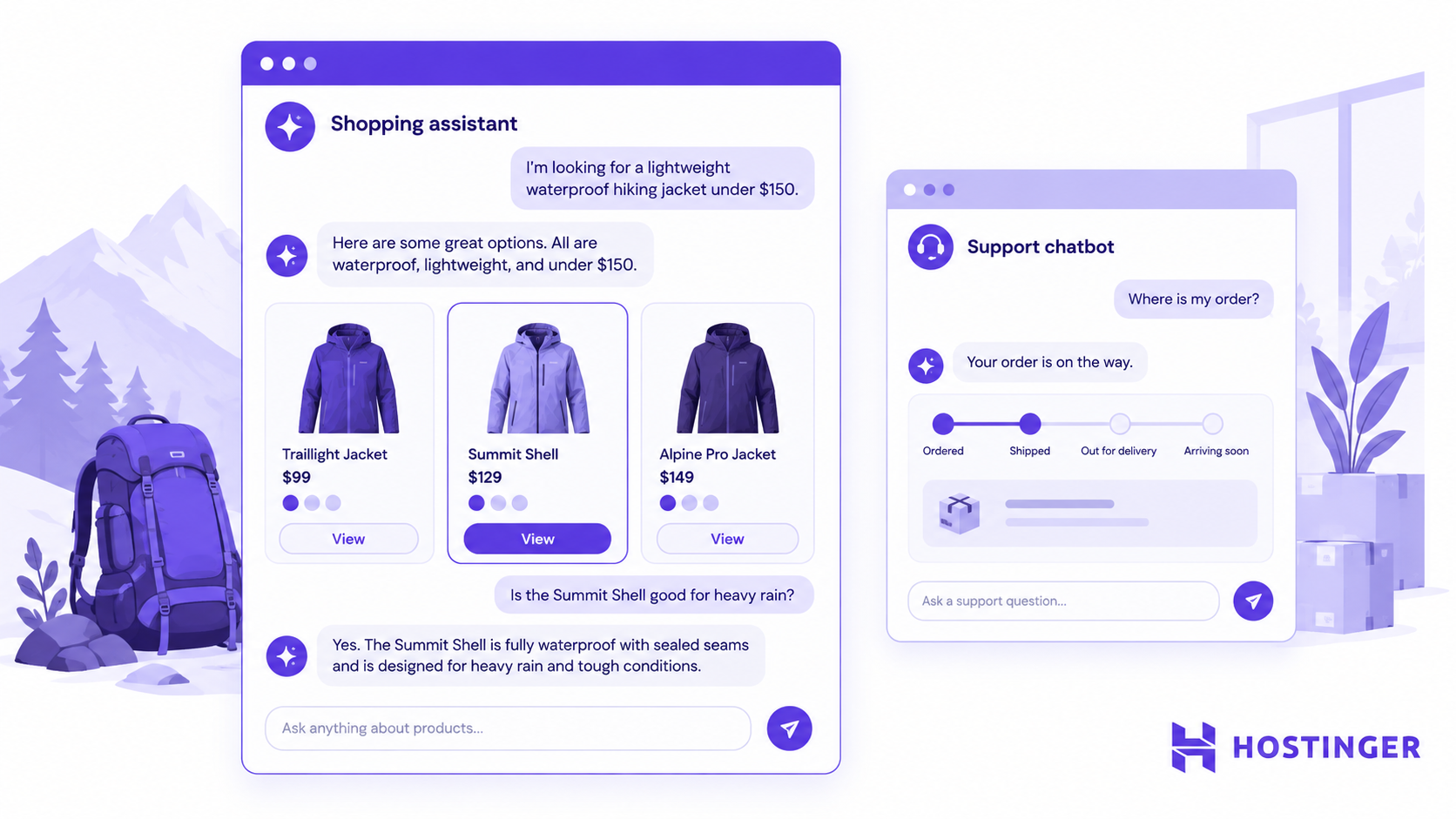
Conversational commerce has also transformed the digital storefront. Rather than forcing shoppers to navigate rigid filters, conversational AI assistants allow consumers to describe their needs using natural language. A shopper searching for apparel can state a specific requirement, such as needing a lightweight waterproof jacket under a designated price point, and receive tailored product comparisons and guidance instantly. Statistics surrounding social commerce indicate that over a third of consumers have interacted with shopping chatbots during their online journeys in recent months, highlighting a growing consumer appetite for intuitive digital assistance.
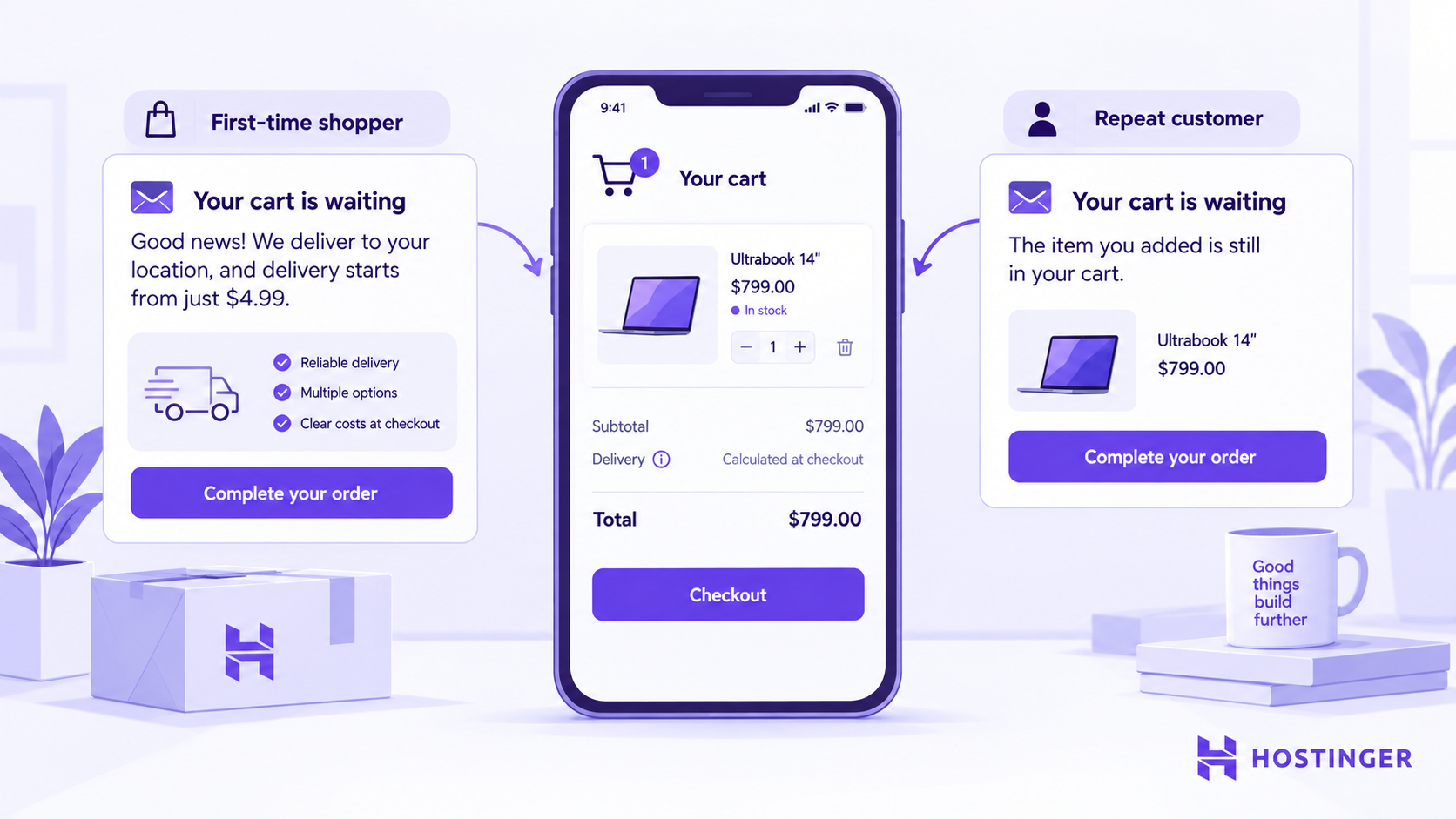
Finally, predictive analytics are increasingly deployed to combat customer churn. By identifying subtle shifts in behavior—such as a sudden drop in site visits, unopened emails, or missed reorder dates—AI models can flag accounts at risk of becoming inactive. Recognizing these warning signs early gives merchants an opportunity to intervene with targeted incentives or personalized messaging before the customer completely stops purchasing.
Limitations, Risks, and Considerations
Despite clear operational advantages, reliance on artificial intelligence introduces notable risks that require active mitigation. The primary vulnerability stems from data quality; duplicate or missing purchase records can severely distort an algorithm’s understanding of consumer behavior, leading to flawed campaign decisions. Furthermore, generative content tools remain susceptible to producing inaccurate claims—such as misrepresenting the composition of a product—if checked against faulty source material.
Data privacy and security also represent significant concerns, particularly regarding how customer information is transmitted, processed, and retained by third-party AI providers. Overreliance on automation compounds these risks, as unmonitored campaigns can continuously expend advertising budgets or distribute promotional discounts long after the underlying business logic has ceased to make financial sense. To mitigate these hazards, digital marketing professionals emphasize the necessity of maintaining strict spending caps, enforcing rigorous human reviews of all generated content, and regularly auditing conversion data against actual store performance.
Leave a Reply