

Valve has rolled out a significant update to its desktop ecosystem for Linux users, fundamentally changing how the Steam client is built, distributed, and executed. The October 15 Steam Client Beta introduces a modernized architecture that transitions the Linux client to a native 64-bit build while running the entire application inside an isolated Steam Runtime container environment. Alongside this major architectural shift, the beta update addresses persistent bugs, such as an issue where the client updater window failed to appear properly, and introduces the newly developed Achievement Sets feature to the platform.

For years, the Steam client for Linux relied on an older architectural setup that layered Steam Runtime libraries directly over the native libraries provided by the host operating system. While this approach served the platform well through generations of Linux desktop distributions, it came with inherent limitations. According to technical documentation provided by Valve, that legacy runtime model only functioned reliably when the host system was newer than the runtime itself. As various Linux distributions diverged in their release cycles, package management choices, and core library versions, maintaining absolute consistency across every flavor of Linux became increasingly challenging for Valve’s engineering teams.
The introduction of containerization for the desktop client solves many of these variables by isolating the application environment. Valve’s games on Steam have already successfully utilized container-based technologies for quite some time, ensuring that titles execute within their own self-contained set of libraries rather than blending unpredictably with the host operating system’s packages. The core technology powering these game containers, a tool known as pressure-vessel, is designed to encapsulate the application while still seamlessly extracting the necessary graphics drivers directly from the host system to maintain high performance and hardware compatibility.
By migrating the Steam client itself into a similar container environment, Valve aims to achieve a significantly higher degree of behavioral consistency across a vast array of Linux distributions. Whether a user is running an enterprise-grade distribution, a rolling-release operating system, or a community-focused desktop environment, the containerized client ensures that the core application libraries remain uniform. Although the official release notes for the beta client do not explicitly name the underlying container mechanism, related runtime release documentation ties the new 64-bit client architecture directly to a container environment designated as steamrt3c. According to public developer repositories and configuration README files, this specific environment is engineered as a specialized variant of the sniper runtime, customized specifically for execution within the Steam client itself.
The foundational groundwork for this major transition did not happen overnight. Observers and community developers were able to trace the early developments back to March, when Valve initially released the containerized environment and an early preview of the 64-bit client under the designation of the Linux SteamRT3 Beta. Throughout the testing phases leading up to the current rollout, developers have refined the container structure to ensure that the user interface, background downloading services, and community features operate smoothly within the isolated environment.

Despite the move toward a modernized 64-bit architecture, Valve has clarified that this transition does not eliminate the foundational requirement for 32-bit libraries on host systems. Developers examining the technical specifications and beta client requirements will note that x86_64 systems must still have both 32-bit and 64-bit versions of essential system libraries and graphics drivers installed. Pure 64-bit-only host setups remain explicitly unsupported by the platform at this time. Furthermore, documentation accompanying the steamrt3c container notes that these environments continue to ship with necessary i386 libraries to maintain backward compatibility with older software dependencies and legacy games that still rely on 32-bit architectures.

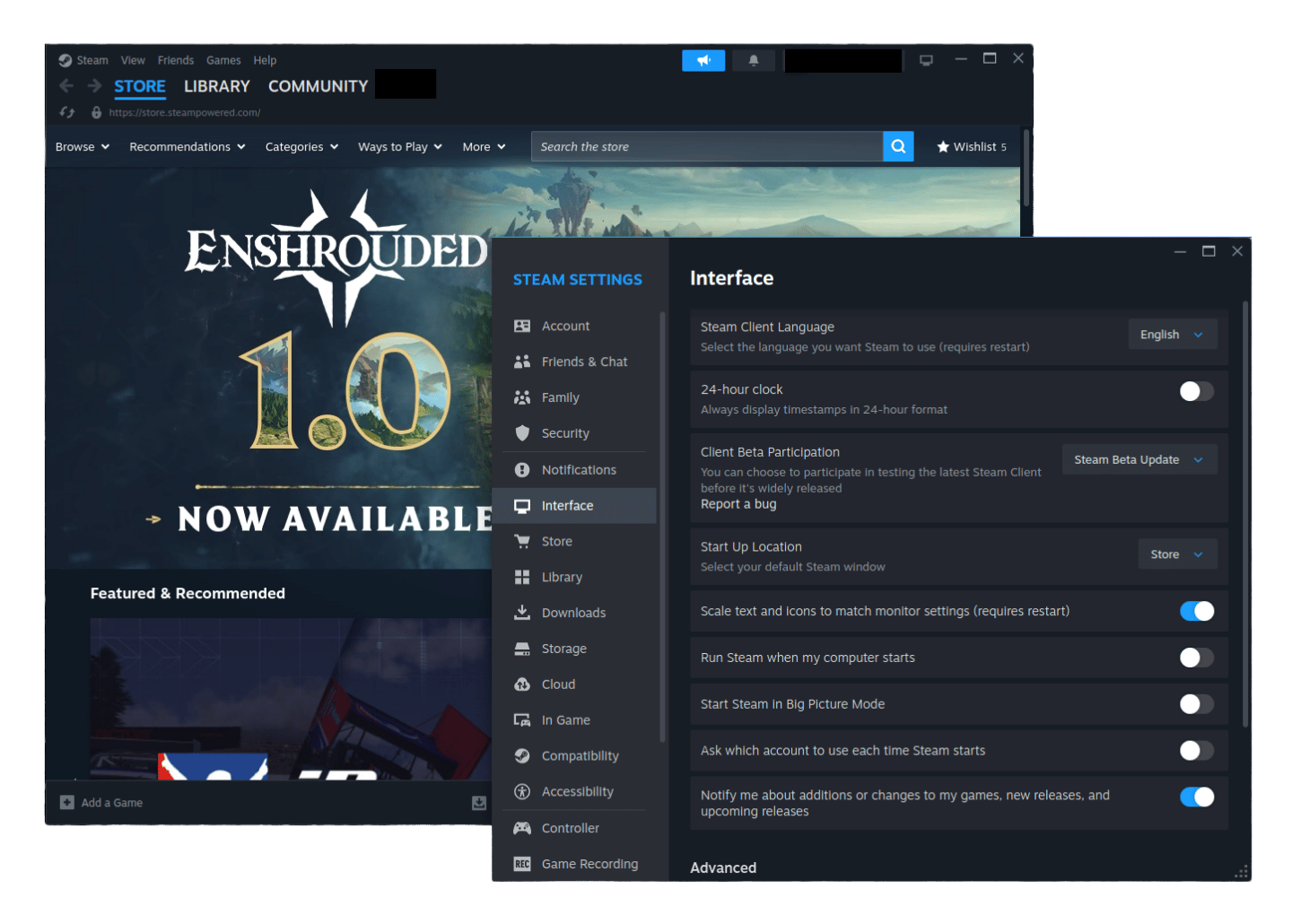
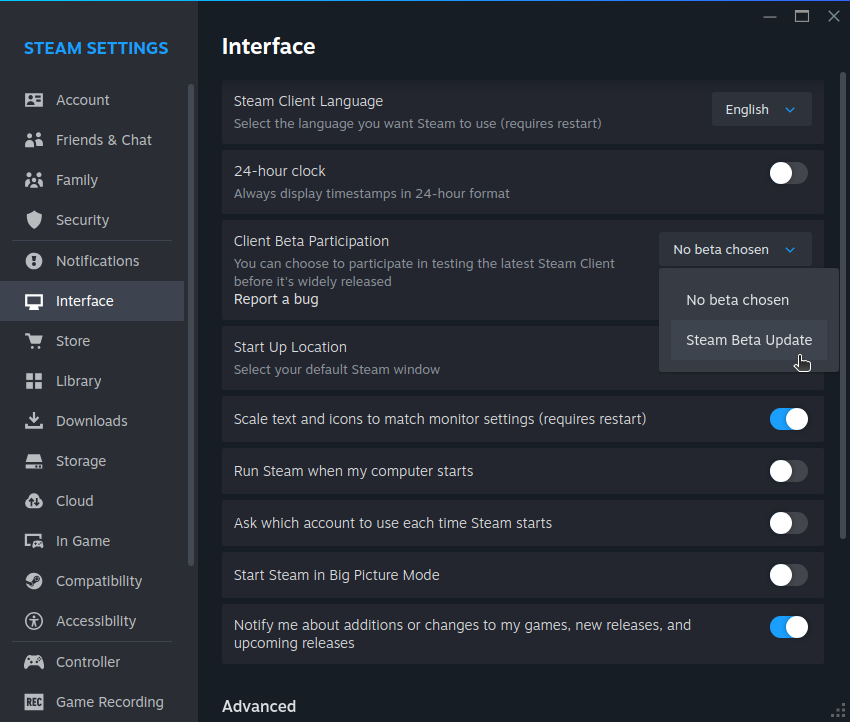
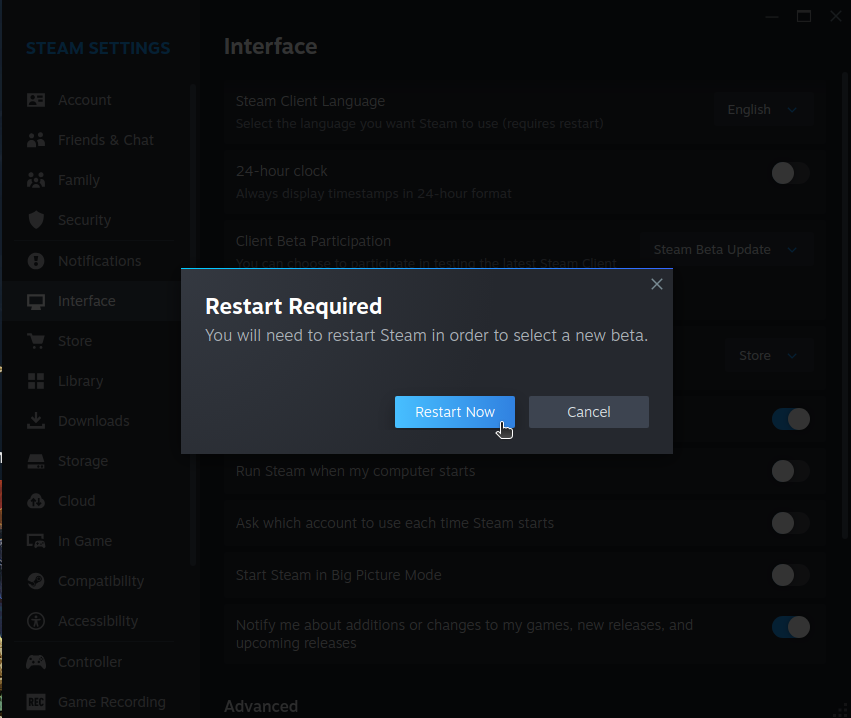
Testing for the new beta client has already begun within the Linux gaming community, with early adopters confirming that opting into the beta channel is a straightforward process through the standard client settings. Users who wish to evaluate the new build on compatible distributions, such as Ubuntu LTS releases, can access the update by navigating through the client interface preferences and selecting the appropriate beta participation channel. Valve has actively encouraged community testers to submit detailed bug reports should they encounter any regressions or unexpected behavior while running the containerized client, providing a direct reporting mechanism within the interface settings to streamline feedback collection.
Leave a Reply