
As the digital retail landscape continues to evolve, artificial intelligence has firmly established itself as a foundational pillar for modern ecommerce marketing. By leveraging vast amounts of customer, product, and campaign data, online stores are increasingly turning to advanced algorithms to attract shoppers, drive sales, and foster long-term customer loyalty. Industry insights indicate that AI systems are no longer experimental novelties; rather, they are operational necessities capable of parsing complex patterns in browsing, purchasing, and campaign responsiveness.

At its core, artificial intelligence analyzes how consumers interact with digital storefronts. By identifying behavioral trends, these technologies can recommend complementary products, refine digital advertising campaigns, generate tailored copy, and flag early warning signs when customers begin to lose interest. However, digital marketing professionals emphasize that successful implementation relies heavily on robust data governance and active human oversight. Without reliable data and careful monitoring, automated systems run the risk of generating inaccurate content, irrelevant recommendations, or misallocated marketing budgets.

What is AI in Ecommerce Marketing?
The modern ecommerce toolkit increasingly incorporates sophisticated artificial intelligence systems, ranging from dynamic product recommendation engines and automated ad optimizers to generative content tools and conversational shopping assistants. These applications function by continuously processing customer behavioral patterns to anticipate purchasing preferences, generate marketing materials, and address shopper inquiries in real time.

For instance, a digital home decor boutique might utilize historical browsing data to suggest matching accessories, automatically generate multiple variations of promotional advertisements for an upcoming collection, or flag accounts that have exhibited a decline in purchase frequency over a sustained period. In this dynamic, artificial intelligence handles the heavy lifting of pattern recognition and repetitive administrative tasks, while human marketers establish overarching campaign objectives and determine strategic actions.
Platform ecosystems such as Hostinger Ecommerce, Shopify, and WooCommerce increasingly integrate these capabilities into their native environments, though the depth and availability of specific features vary. As adoption spreads, retailers are finding that AI integration fundamentally alters how they approach eight distinct marketing disciplines: product recommendations, content creation, paid advertising, customer segmentation, email and SMS campaigns, conversational guidance, cart recovery, and churn prediction.

Core Applications in Digital Retail Strategy
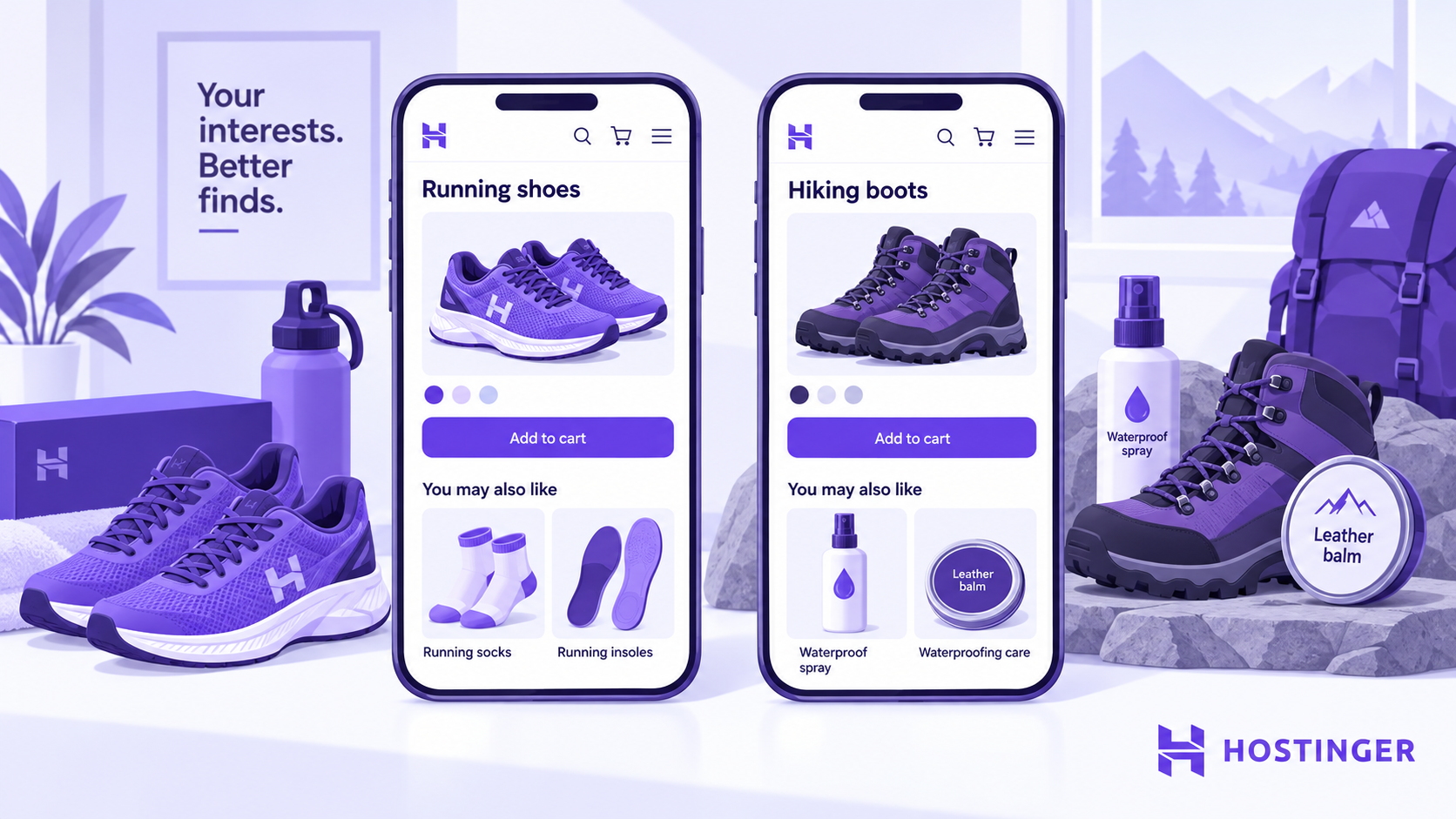
Personalized product recommendations remain one of the most immediate and lucrative applications of machine learning in online retail. By analyzing real-time browsing history, cart contents, and past transactions, stores can display items tailored directly to individual preferences. For example, a consumer evaluating running shoes may be shown compatible socks or corrective insoles, while a shopper browsing mountaineering boots might encounter specialized waterproofing treatments. According to research on ecommerce trends, highly engaging product recommendations can account for up to 31% of total online retail revenue when successfully integrated across product pages, shopping carts, and follow-up communications.
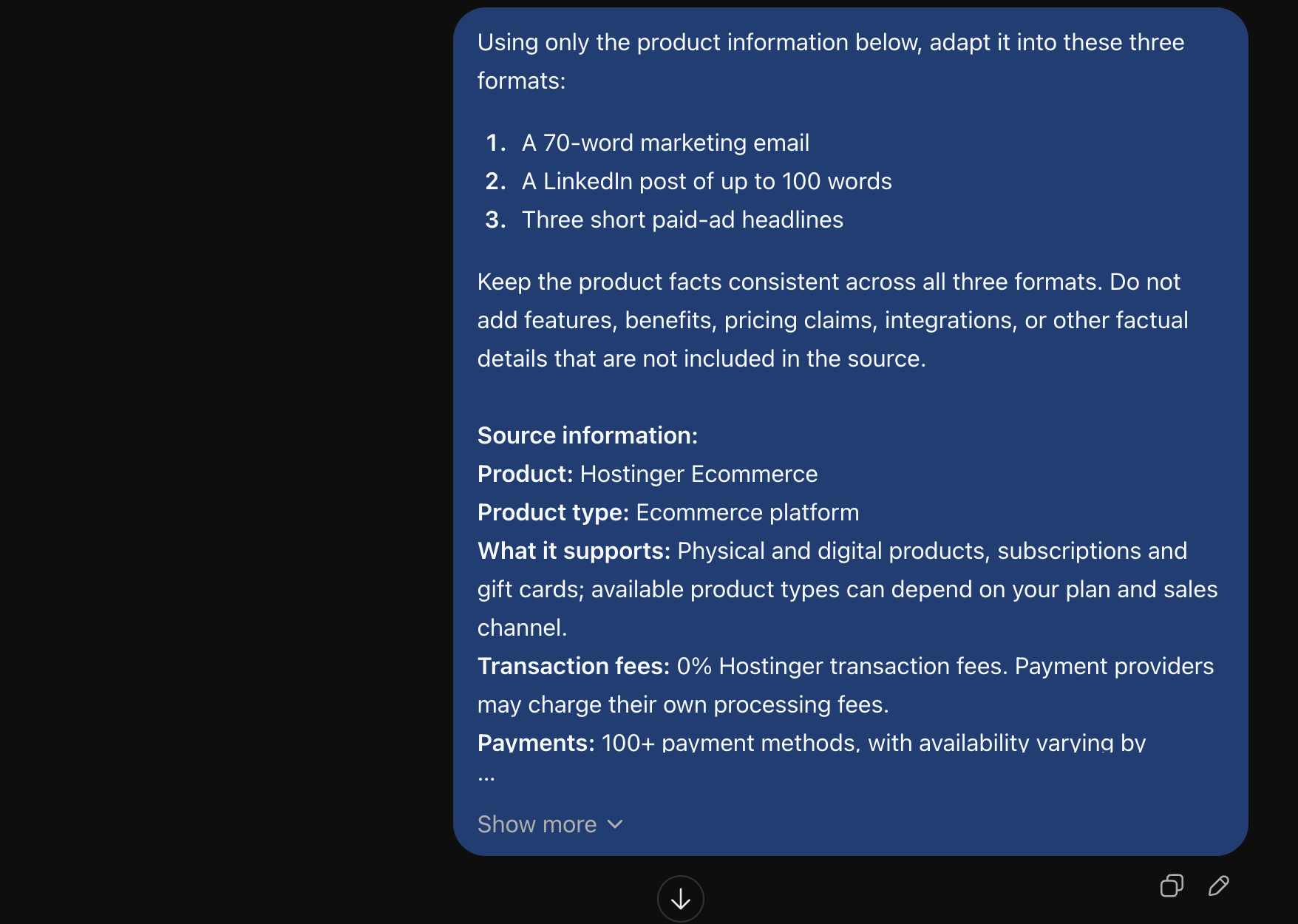
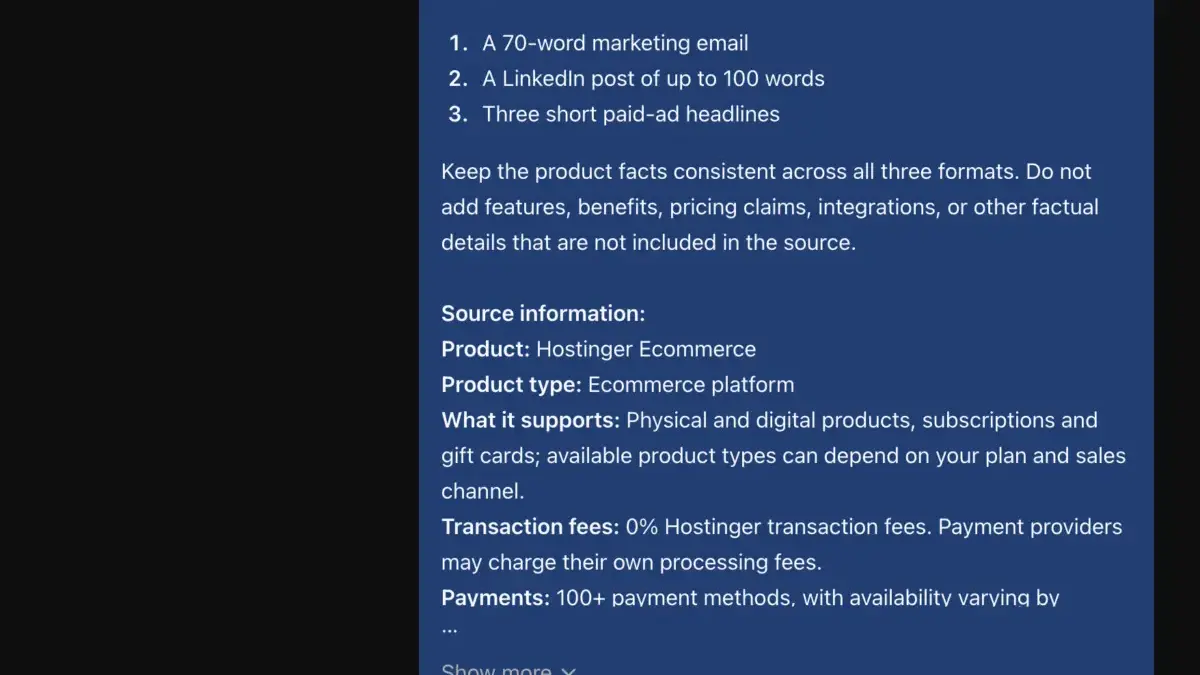
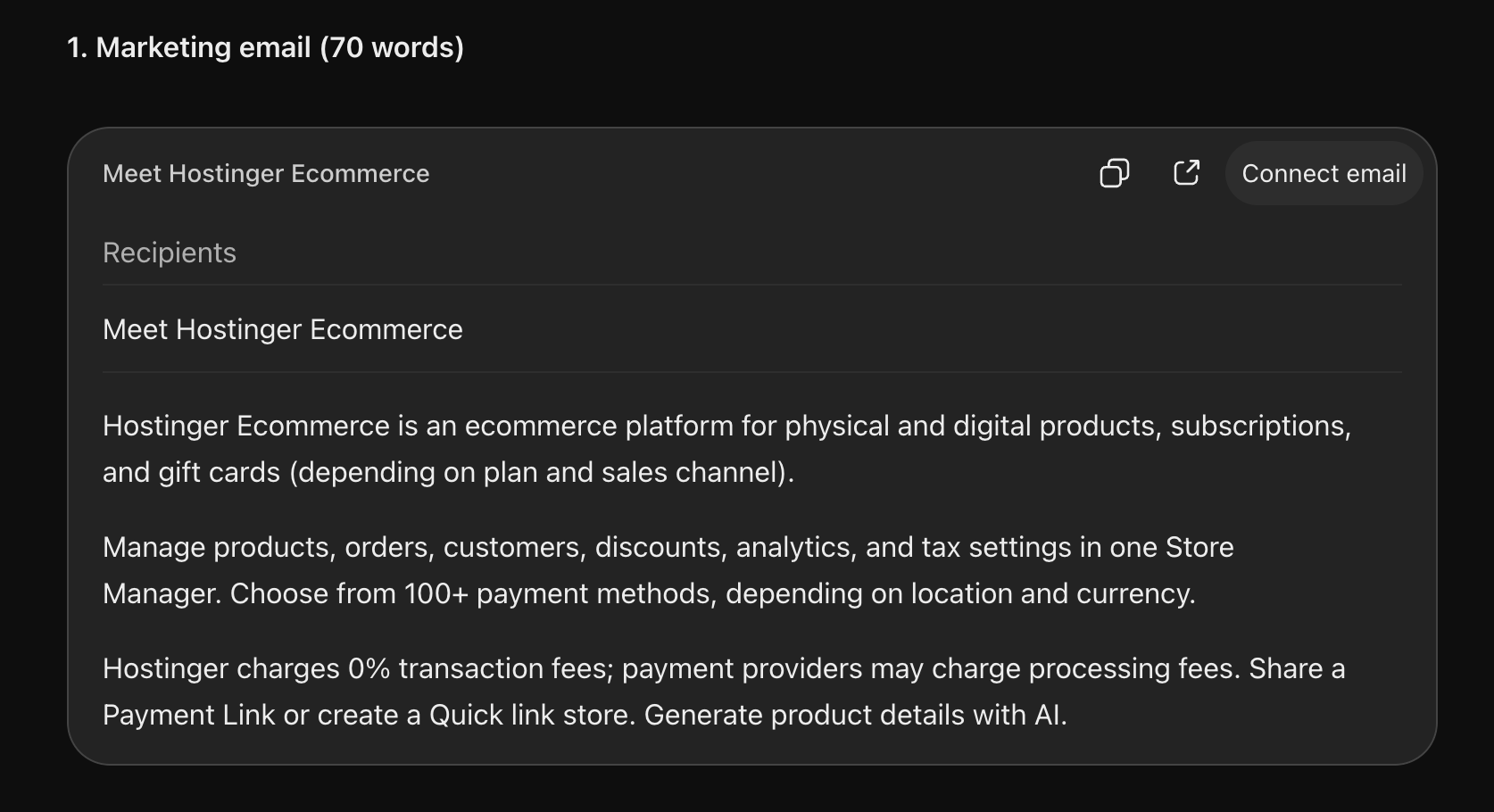
Concurrently, marketing content creation has undergone a significant shift. Content generation tools allow teams to draft initial materials by feeding verified product specifications, brand guidelines, and target audience data into the system. Industry statistics indicate that a majority of marketing professionals now rely on AI to draft initial copy or optimize existing assets. This capability extends to content adaptation, where a single approved product launch brief can be systematically transformed into concise email copy, social media captions, and paid advertisement headlines tailored for different channels while preserving consistent product facts.
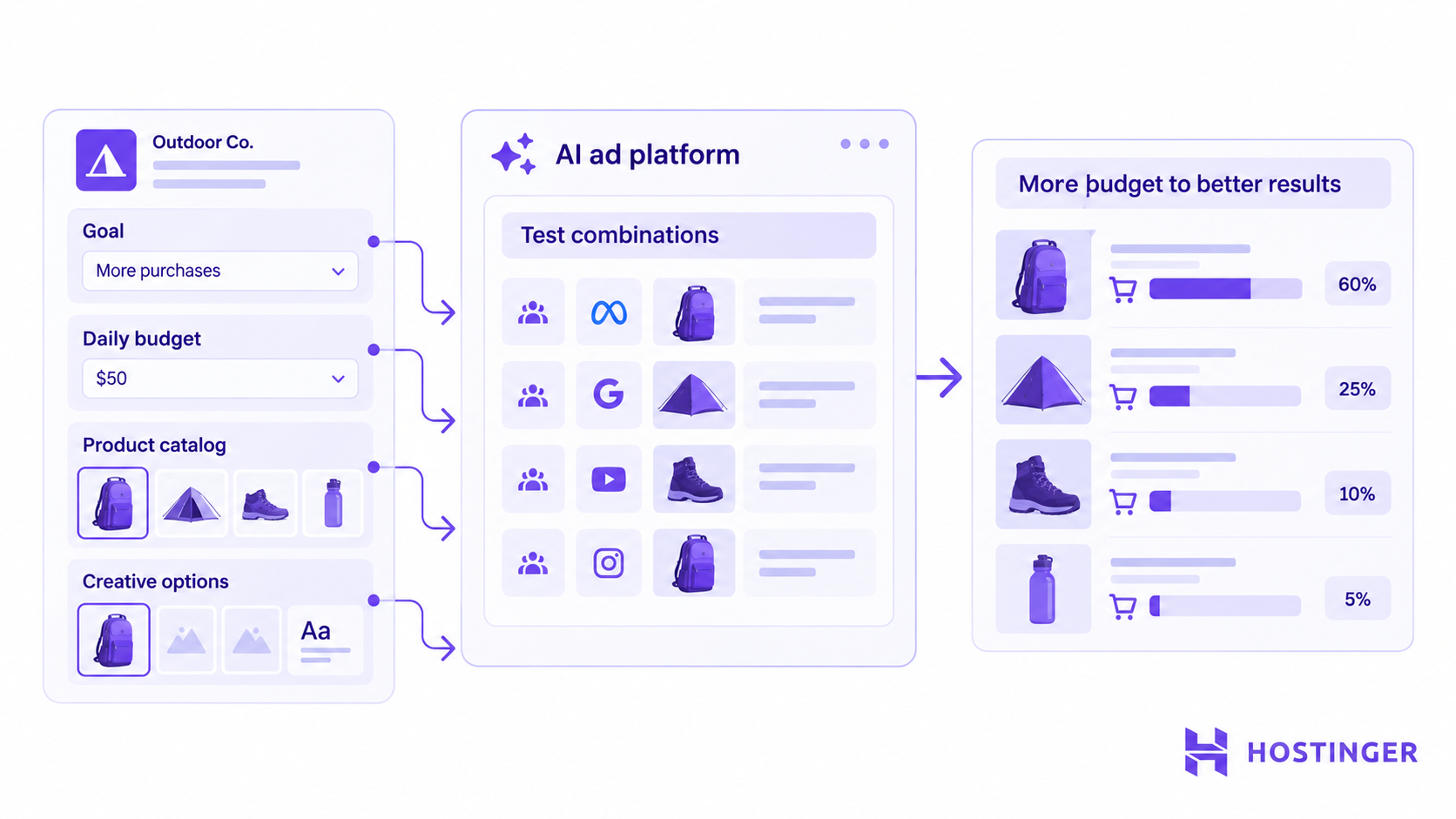
Paid advertising optimization represents another major domain for automated efficiency. Modern ad platforms utilize machine learning to dynamically adjust target audiences, placements, and bidding strategies based on real-time performance indicators. Retailers can provide a product catalog, creative assets, a daily budget, and a specific sales objective to platforms utilizing advanced algorithmic delivery, such as Google Performance Max or Meta Advantage+. The system then tests various combinations to maximize budget efficiency, leaving human marketers in control of core creative assets, budget ceilings, and brand safety guidelines.
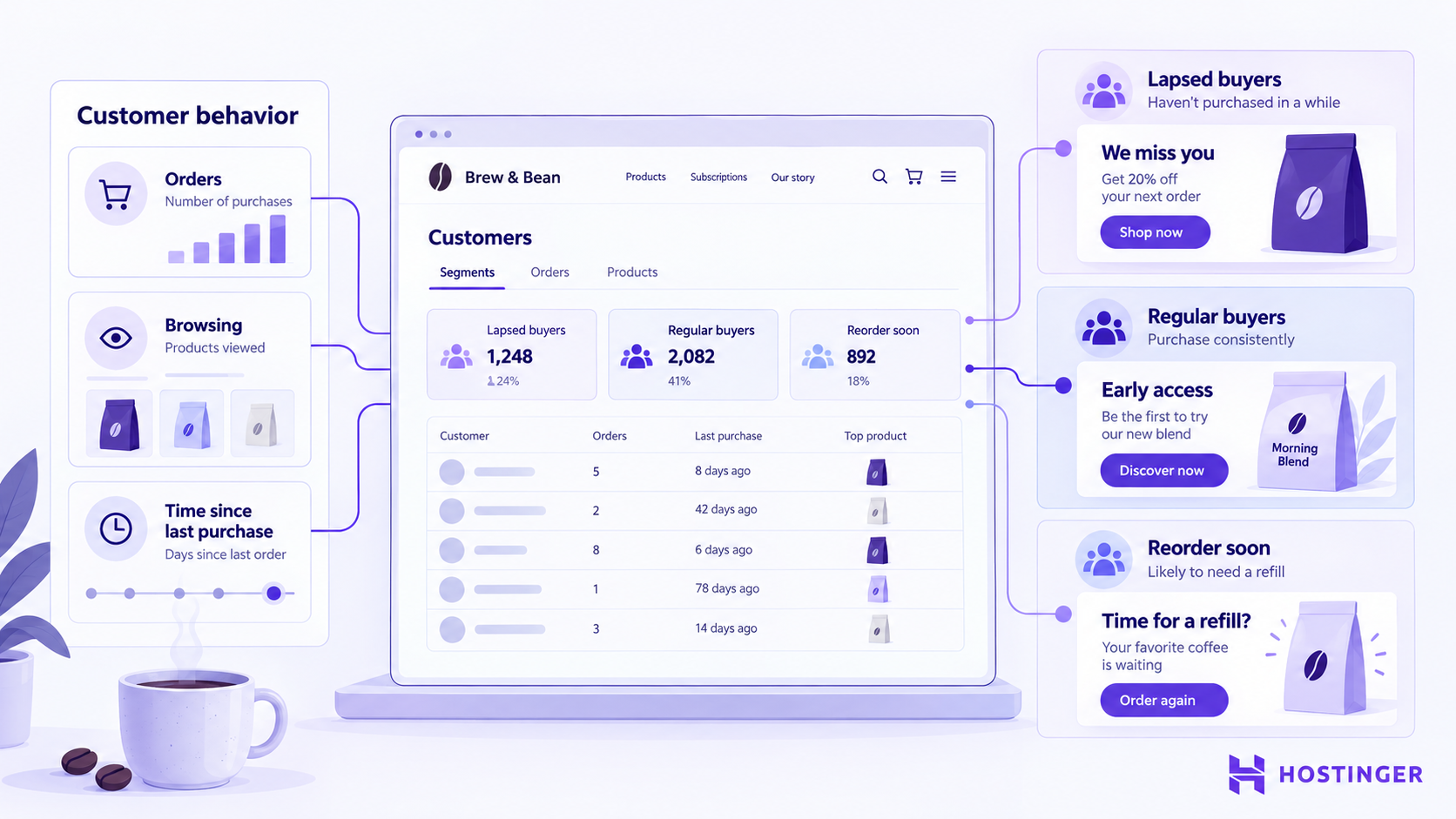
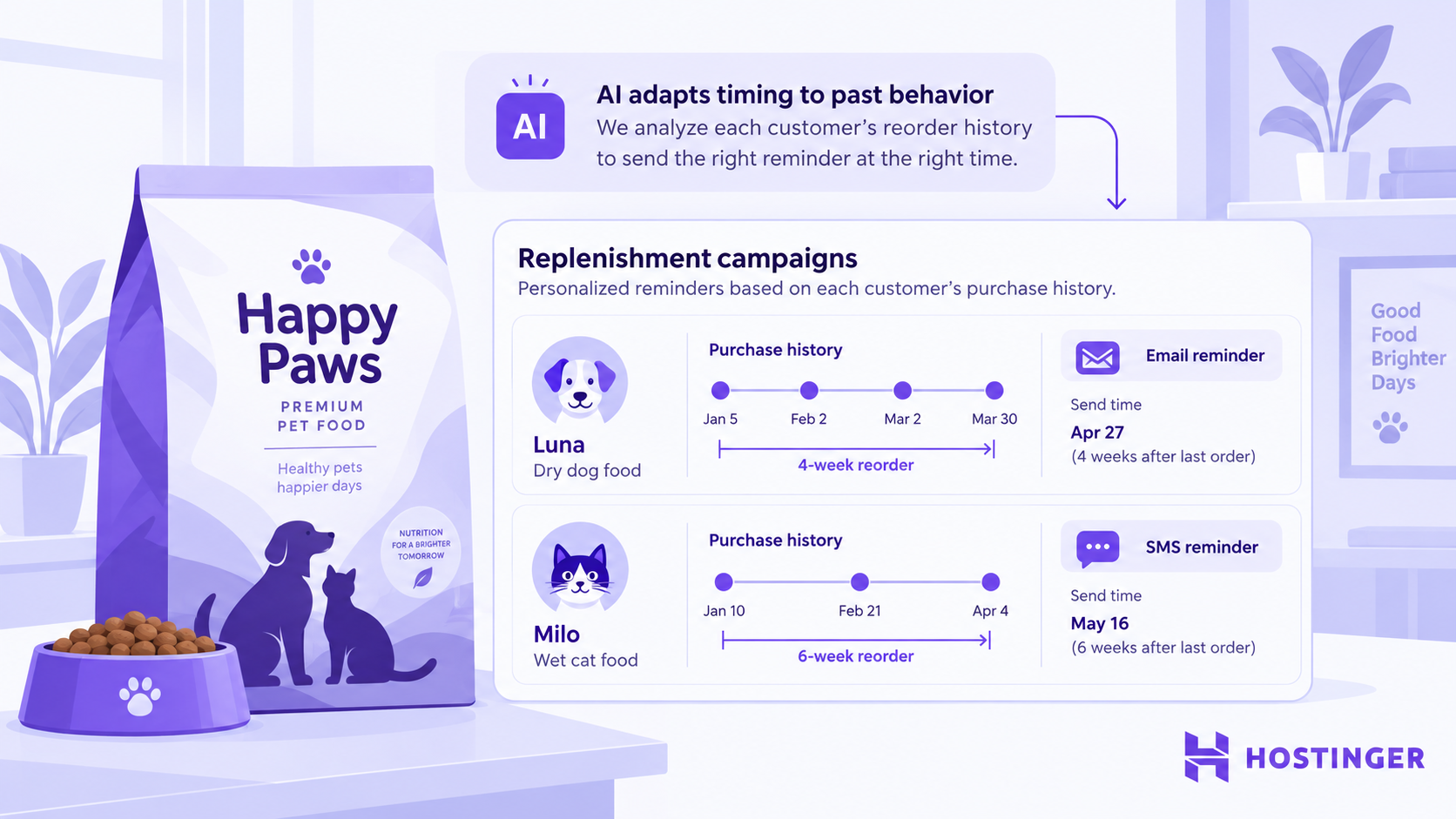
Customer segmentation and lifecycle marketing have similarly benefited from advanced data processing. Instead of treating audiences as monolithic blocks, machine learning models continuously group consumers based on dynamic actions like purchase frequency, browsing habits, and site engagement. This segmentation enables highly targeted email and SMS campaigns that respect individual buying cycles. For instance, automated systems can trigger replenishment reminders closer to a specific customer’s historical reordering window rather than relying on rigid, calendar-based blasts.

Conversational Commerce and Retention Management
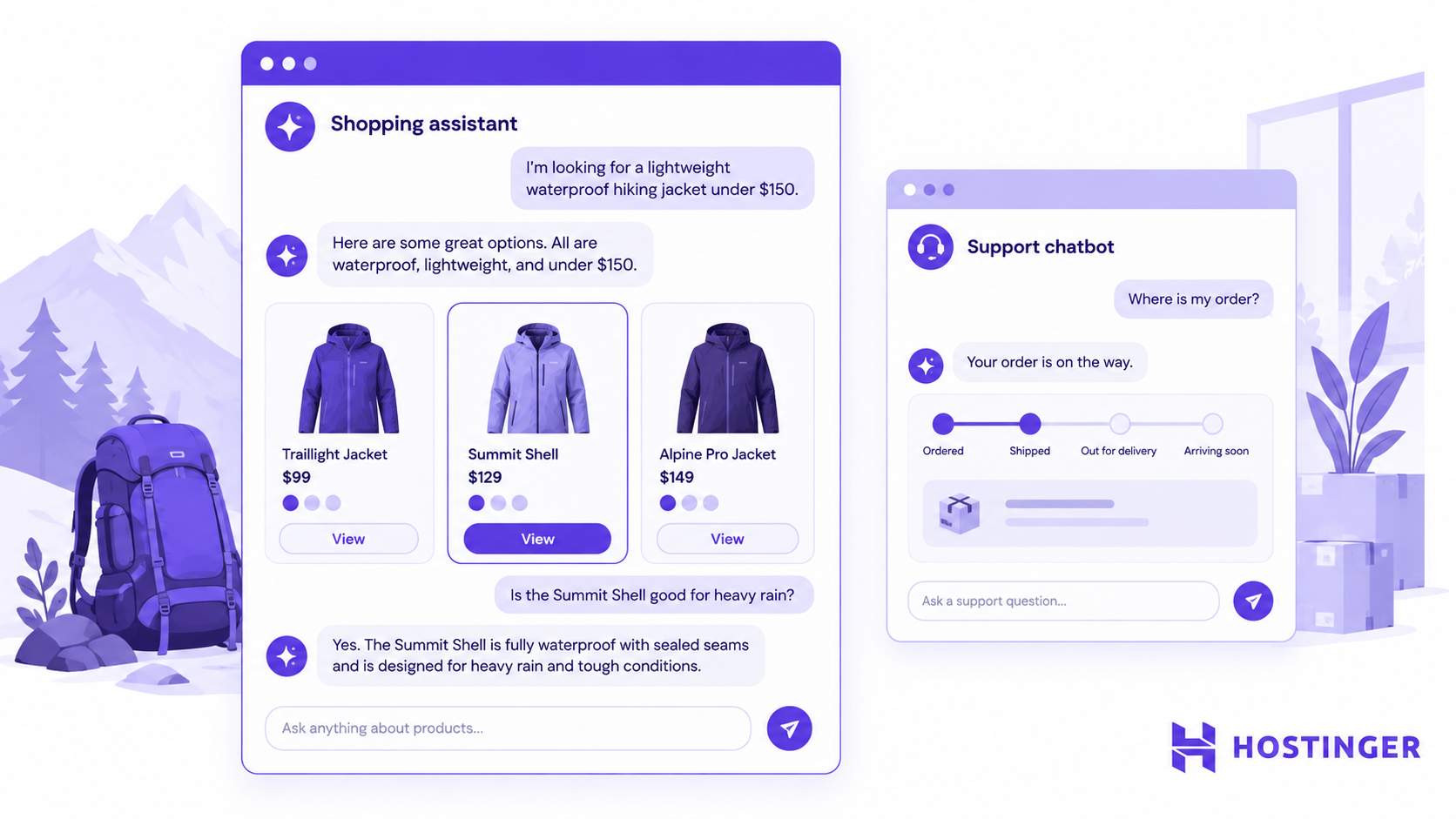
Conversational artificial intelligence has reshaped how shoppers navigate complex inventories. Rather than forcing users to manually adjust multiple product filters, modern shopping assistants allow consumers to describe their needs using natural language. A shopper searching for apparel can specify parameters such as lightweight waterproof jackets for hiking under a certain price point, prompting the assistant to compare suitable items and explain key differences. This conversational guidance differs fundamentally from basic customer support chatbots by focusing on product discovery and sales conversion rather than post-purchase logistics.
Beyond initial acquisition, retailers are deploying predictive analytics to combat customer churn. By monitoring subtle shifts in purchasing cadence, site visits, and engagement levels, algorithms can identify when a loyal customer is at risk of defecting before they completely stop buying. A missed scheduled order combined with reduced email opens serves as a strong indicator that intervention is necessary. Armed with these predictive insights, marketing teams can deploy targeted win-back campaigns or personalized incentives to re-engage the customer base effectively.
Managing Risks and Limitations
Despite the operational advantages, industry experts emphasize that artificial intelligence in marketing carries inherent risks. The primary limitation stems from the reality that algorithms operate entirely based on the quality of the data and rules provided to them. Flawed data inputs, such as duplicate purchase records or missing customer metrics, can distort the AI’s understanding of consumer behavior, leading to erratic campaign decisions and unreliable recommendations.
Furthermore, overreliance on automation can result in runaway ad spend or persistent outreach campaigns that continue long after underlying market conditions have shifted. Data privacy concerns also remain paramount, as improper handling or unauthorized exposure of sensitive customer information can severely damage consumer trust. To mitigate these risks, digital retailers are advised to maintain rigorous human oversight, cross-reference automated conversions with actual store records, and establish strict limits on discretionary spending and promotional discounts.
As the technology matures, industry participants anticipate that automated workflows will continue to expand, with specialized agents taking on broader administrative responsibilities between campaign planning and execution. Ultimately, marketing professionals gauge the value of these tools by their tangible outcomes—saving time, enhancing campaign relevance, and improving overall performance without compromising control over brand integrity and customer data security.
Leave a Reply