
The accelerating integration of artificial intelligence into core system software continues to reshape the landscape of open source development. Recent weeks have highlighted a distinct shift in how maintainers and developers view AI assistance, moving from cautious skepticism toward pragmatic adoption.
The changing attitude toward AI in foundational development is increasingly apparent. Linux creator Linus Torvalds recently reported that utilizing tools like Claude Code has significantly optimized workflows, tripling read speeds for concurrent file access during kernel work. Meanwhile, developer Sasha Levin has proposed the creation of a dedicated agents directory designed to house specialized AI skills tailored specifically for kernel development.

This evolution mirrors broader trends across the open source ecosystem, where AI-assisted development is becoming ubiquitous. Observers note that an overwhelming majority of newly submitted open source projects now display clear markers of AI assistance. This shift has prompted prominent figures in the community to reassess their curation strategies. Rather than dismissing projects developed with the help of models like Claude, community leaders are increasingly focusing on the fundamental utility and quality of the software, leaving the decision-making process directly in the hands of end users.
Parallel to cloud-based AI tools, there is a mounting push toward local artificial intelligence solutions. By running models locally on user hardware—as demonstrated by Ubuntu’s AI-driven voice input tool, Myna—developers can maintain data privacy and system independence, even if local models cannot yet match the raw performance of large frontier cloud models.

Linux News That Matters
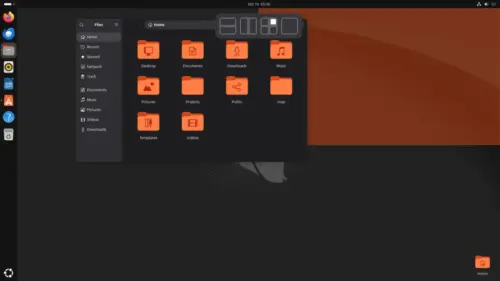
The broader Linux and open source ecosystem is seeing a flurry of major releases and strategic adjustments. Ubuntu 26.10 is rolling out to users, bringing fresh updates to the popular distribution. Notably, the development cycle for the subsequent interim release has already been designated with the codename "Tenacious T-Rex," marking a historic first for the distribution by adopting a dinosaur-themed mascot.
Office suites are also receiving substantial upgrades. ONLYOFFICE Docs 10.0 has launched with integrated AI assistance embedded across its editors. The new version enables automated text summarization and formula drafting, alongside performance enhancements for spreadsheets, improved collaboration tools, and modular applications dedicated to file management and form creation.

In the file management space, users of Omarchy and Arch Linux have a new option with the official 1.0 release of Strata. Designed as a keyboard-first file manager, Strata features a column-view browsing layout, full vi-key navigation, and a specialized memory function that recalls individual folder sort orders and icon sizes.
Meanwhile, LibreOffice has stepped in to assist users affected by Microsoft’s discontinuation of the Publisher application for Microsoft 365 subscribers. Leveraging reverse-engineered libraries from the Document Liberation Project, LibreOffice now allows users to open legacy PUB files and seamlessly migrate them into open standard formats.

Enterprise strategy is also shifting within major foundational projects. Mozilla is targeting commercial environments with the introduction of Firefox Enterprise. This initiative provides organizations with a centralized, self-hosted console to manage Firefox deployments uniformly across employee workstations.
Distribution release models continue to evolve. Linux Mint has officially transitioned to an annual release schedule, with the upcoming Linux Mint 27, codenamed "Adrien," slated for release around Christmas. Under this new schedule, intermediate 23.x versions will be bypassed.
Hardware support within the open source community is expanding as well. The CachyOS development team announced that Framework has nearly quadrupled its monthly financial support for the project, increasing contributions from $250 to $850 per month, bringing total annual backing to $10,200. Additionally, the open source boot firmware project LibreBoot has issued a new release extending hardware compatibility to a wider range of machines.
Broader Open Source Developments and Enterprise Shifts
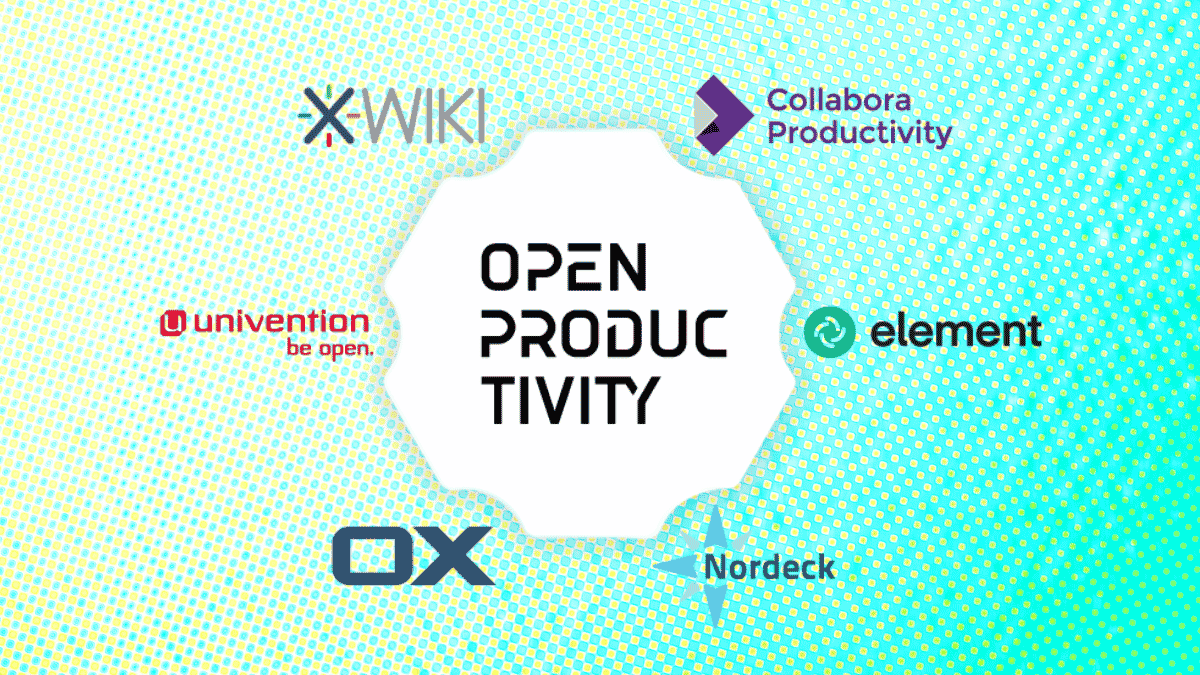
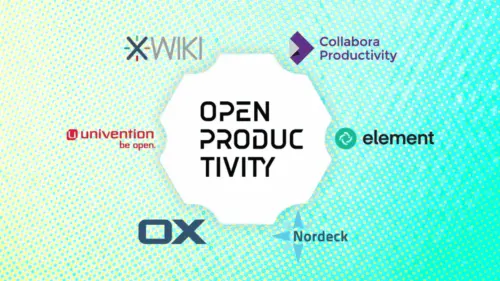
Strategic collaboration is expanding beyond traditional boundaries within the open source commercial sector. Six distinct open source vendors have officially launched a joint venture named Open Productivity Software. This commercial entity is designed to transition openDesk—an open-source office and collaboration suite initially developed for and deployed within public administration—into the broader commercial enterprise market.

Hardware preservation efforts are also yielding tangible results. Following the complete open-source release of its software, mobile applications, and hardware schematics in 2025, the iconic Pebble platform is making a physical return. Production for the Pebble Round 2 smartwatch has concluded its preliminary stages, and units have officially begun shipping to customers who secured preorders.
Simultaneously, the Zima brand—known for initiatives like ZimaOS, ZimaBoard, and ZimaCube—is fostering community engagement through a self-hosted event hosted on Reddit. The initiative encourages users to share their personal self-hosting architectures and use cases, offering hardware gadgets and software licenses as community incentives.
Applications, Security, and System Tooling
Privacy-focused utilities continue to gain traction within the desktop Linux and browser ecosystems. BentoPDF has emerged as a noteworthy open-source toolkit that executes all PDF manipulation tasks locally within the user’s browser, eliminating the need to upload sensitive documents to external remote servers.
Geographic information systems are also embracing modern tooling. A newly released open-source GIS application allows cartographers and spatial data analysts to interact directly with an integrated AI assistant, streamlining map data processing and geographic workflows.

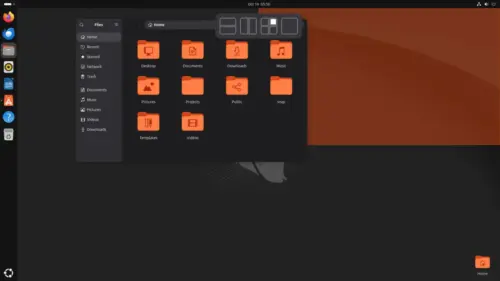
At the desktop environment level, specific interface extensions are addressing user feedback regarding GNOME changes. The "My Computer" shell extension restores the unified overview that groups drives, network locations, and removable media into a single location within the Nautilus file manager, reversing changes introduced in GNOME 47.
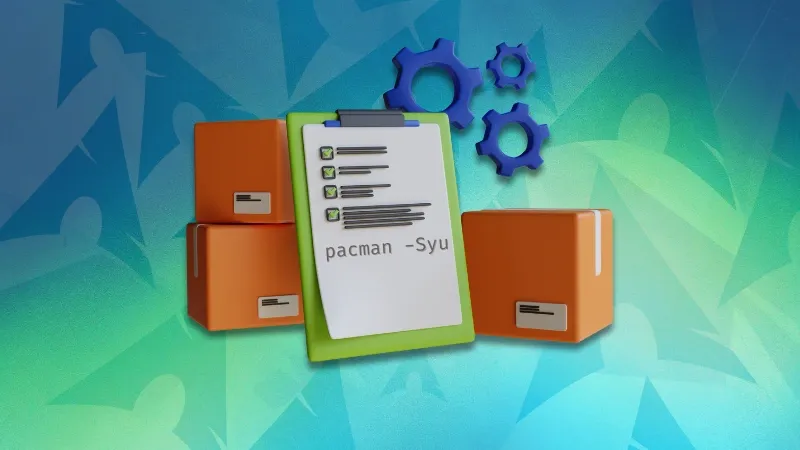
Command-line utilities remain essential for advanced users, particularly on rolling-release distributions like Arch Linux. Community documentation frequently highlights the necessity of using the complete pacman -Syu synchronization command rather than partial updates, ensuring local package databases remain consistent and preventing critical dependency mismatches.

Historical milestones within the industry continue to be marked. The British Computer Society, which represents professional computing practitioners, traces its formal incorporation back to October 1957 following the merger of two foundational computing groups, establishing an early organizational framework for the information technology sector long before the modern tech industry took its current shape. Community discussions across various forums, including ongoing debates surrounding NixOS and package management paradigms, continue to reflect the vibrant and critical discourse driving the open source world forward.
Leave a Reply