
Artificial intelligence has officially transitioned from an experimental novelty into a foundational operational layer for modern digital commerce. Across platforms ranging from customized enterprise setups to popular storefront solutions like Hostinger Ecommerce, Shopify, and WooCommerce, online retailers are increasingly relying on machine learning and predictive analytics to acquire new shoppers, drive conversion rates, and retain existing buyers.

At its core, artificial intelligence in e-commerce marketing operates by processing massive streams of customer, product, and campaign data to identify actionable patterns in browsing habits, purchasing behaviors, and campaign responses. Rather than forcing merchants to manually parse through endless spreadsheets or rely on generalized marketing assumptions, these advanced systems analyze how users interact with online storefronts. They then leverage those behavioral insights to dynamically recommend relevant merchandise, optimize multi-channel advertising campaigns, generate tailored copywriting assets, and proactively identify shoppers who may be drifting away from the brand.

Industry experts emphasize that successfully implementing these technologies requires a strategic approach. Merchants are advised to begin by focusing on a single, well-defined marketing task, ensuring that the underlying data sources are clean and reliable, and closely measuring the impact against historical benchmarks. Human oversight remains an absolute necessity throughout the process, as unchecked automation or flawed data inputs can quickly result in inaccurate product descriptions, irrelevant cross-selling suggestions, or wasted advertising budgets. While AI excels at pattern recognition and executing repetitive administrative workloads, human marketers must continue to set strategic objectives and evaluate ultimate outcomes.
The scope of artificial intelligence within digital storefronts spans several specialized applications, including advanced product recommendation engines, real-time ad optimization systems, automated content generators, and conversational shopping assistants. For instance, a boutique home decor retailer might utilize browsing history data to surface complementary items on product pages, automatically generate multiple variations of promotional copy for an upcoming seasonal collection, or flag accounts that have begun purchasing at a lower frequency.

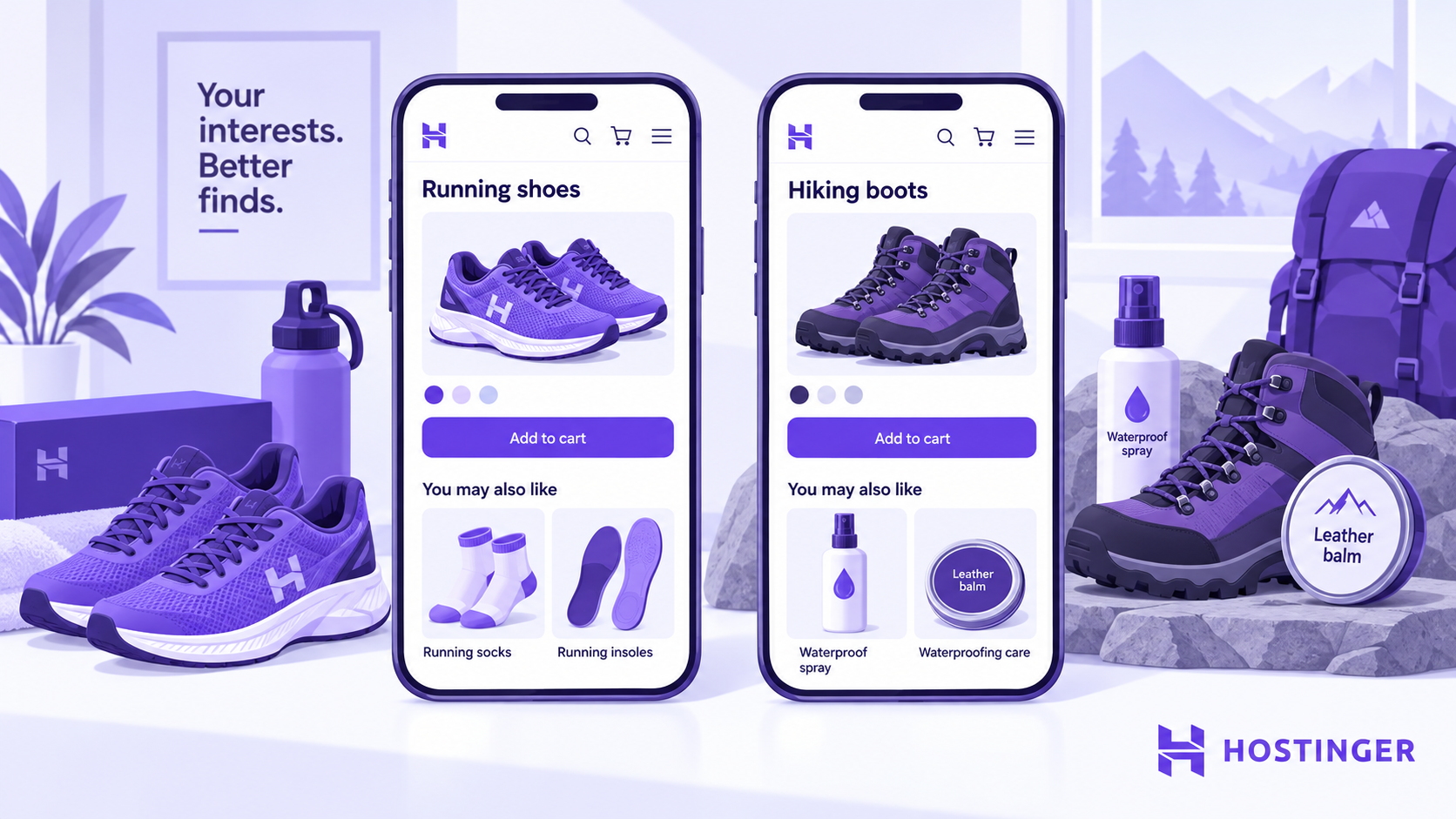
Among the most widespread applications is the personalization of product recommendations. By analyzing real-time browsing paths, active cart contents, and historical purchase data, merchants can display items that precisely match an individual shopper’s immediate interests. A consumer actively inspecting running shoes might be presented with specialized socks or supportive insoles, whereas a browser exploring rugged hiking boots would instead encounter weatherproofing care kits.
These dynamic recommendations can be deployed across product pages, shopping carts, post-checkout screens, and direct marketing emails. Industry research indicates that when shoppers actively engage with these personalized suggestions, they can account for nearly a third of total e-commerce revenue. Retailers typically monitor key performance indicators such as conversion rates, average order values, and repeat purchase frequencies to determine whether these algorithmic suggestions are effectively lifting sales performance.

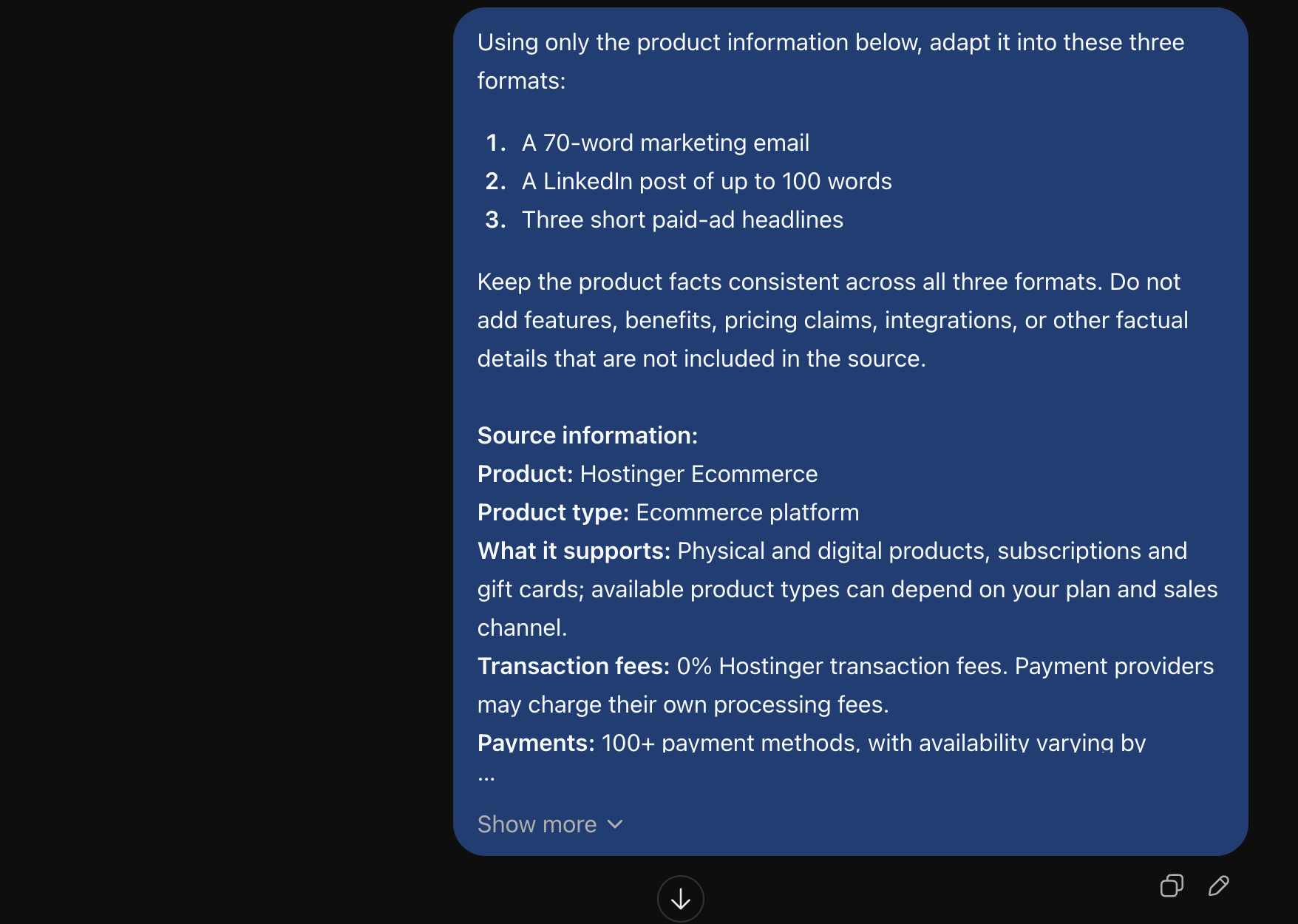
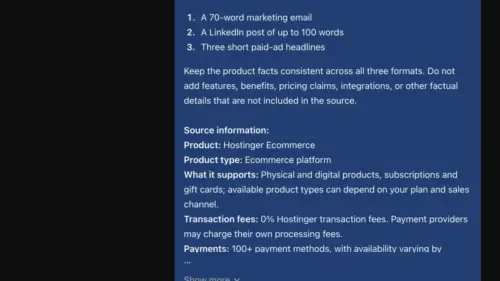
In tandem with product suggestions, marketing professionals are increasingly turning to AI to streamline content creation and adaptation. Modern content generators allow teams to input verified source materials—such as product specifications, material lists, and brand voice guidelines—and instantly produce foundational drafts for product descriptions, advertising copy, email subject lines, and social media captions. Digital marketing statistics show that a majority of industry professionals now utilize these tools to accelerate first-draft creation, while significant portions rely on them to optimize existing text.
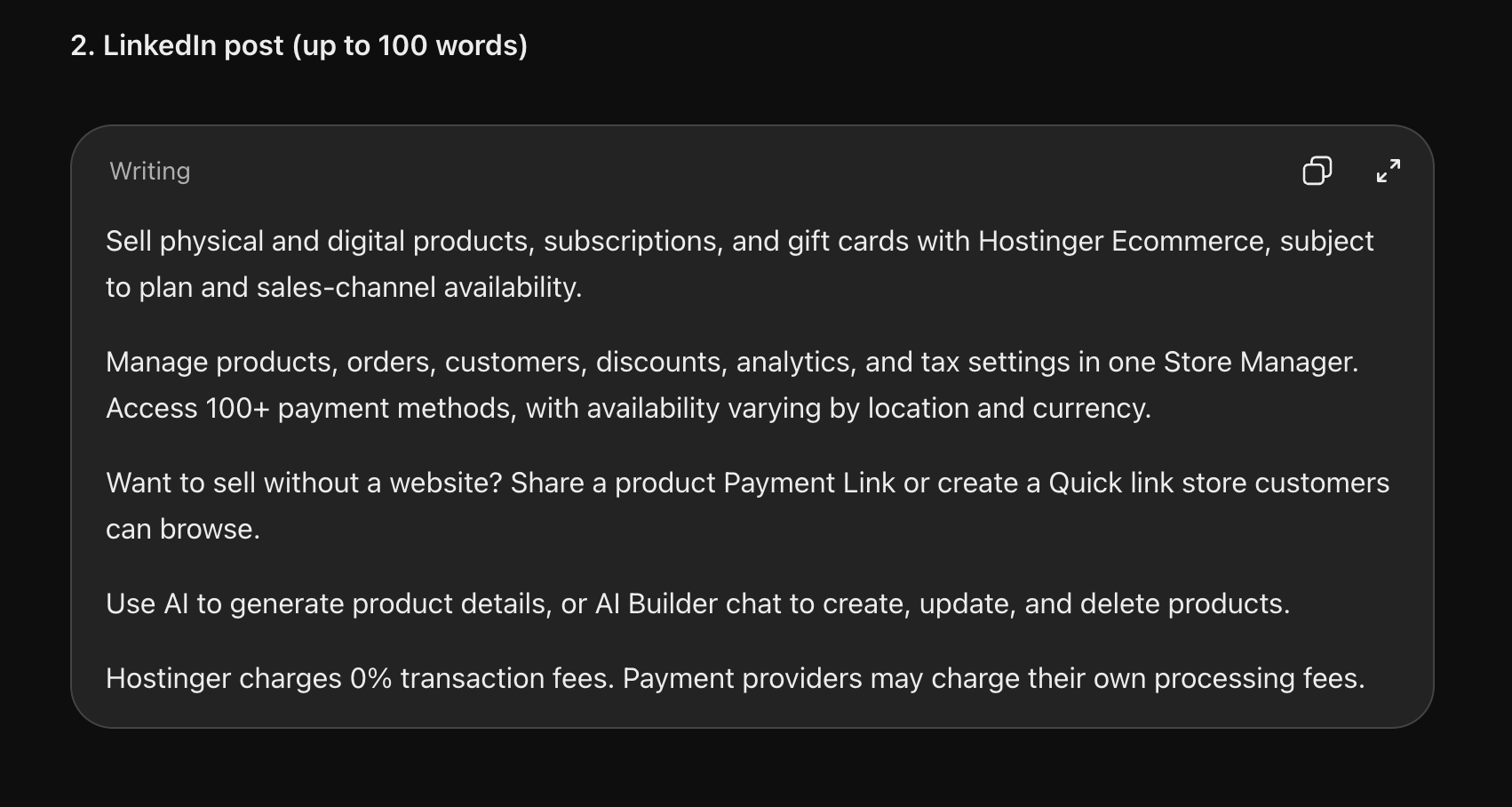
This capability allows brands to transform a single approved product launch brief into a diverse array of tailored assets across multiple channels, drastically reducing the manual rewriting effort traditionally required for multi-platform campaigns. However, industry veterans caution that all generated content must undergo rigorous human review. Even when fed accurate source documentation, automated tools can occasionally introduce unsupported product claims or inaccuracies regarding pricing, materials, or performance guarantees.

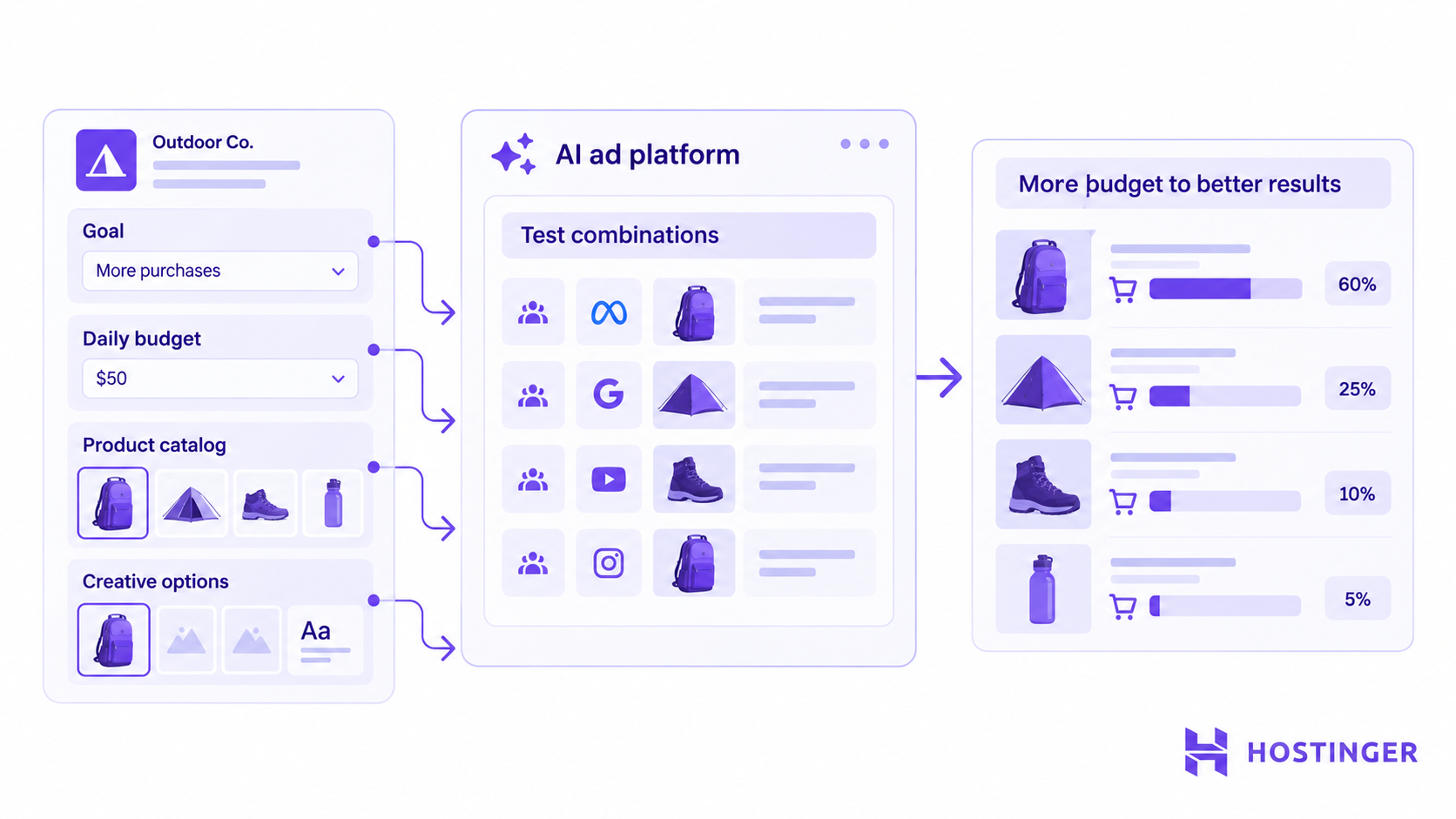
Paid advertising has experienced a similar transformation through algorithmic optimization. Platforms now allow outdoor equipment retailers and other merchants to feed product catalogs, visual assets, headlines, daily budgets, and sales goals directly into automated systems like Google Performance Max or Meta Advantage+. These systems continuously test thousands of asset combinations, dynamically shifting budgets toward high-performing ad variations and audience segments to maximize return on ad spend. Despite this high level of automation, human marketers retain strict control over core campaign parameters, spending caps, and brand safety guidelines.
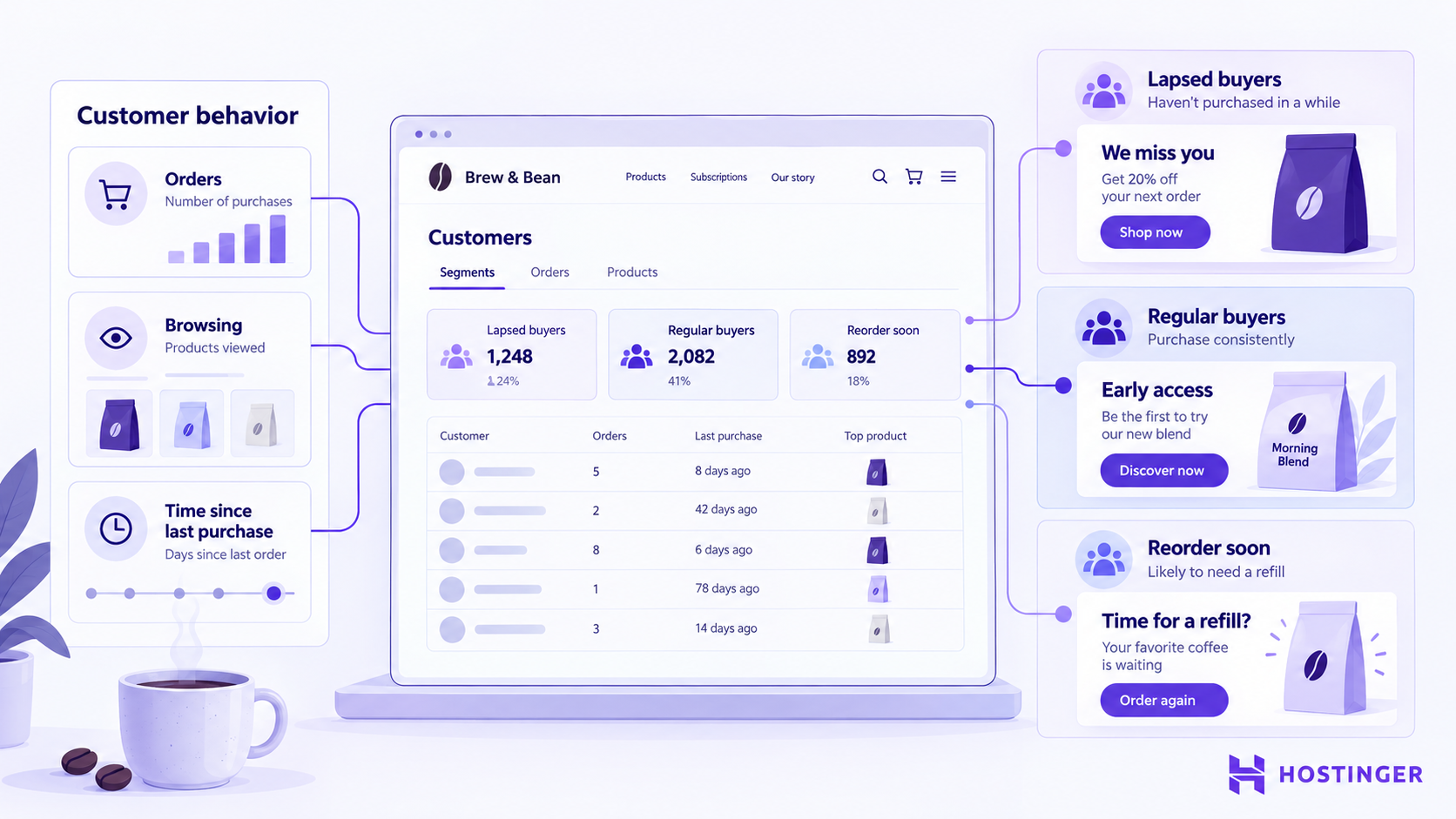
Customer segmentation has also evolved beyond static demographic buckets. Advanced analytics tools now group consumers dynamically based on fluid actions, such as shifting purchase intervals, recent browsing momentum, and engagement levels. A specialty coffee merchant, for instance, can automatically isolate customers who have placed multiple orders in the past but remained inactive for a specified window, deploying targeted re-engagement campaigns rather than broadcasting uniform promotional discounts to the entire subscriber base.
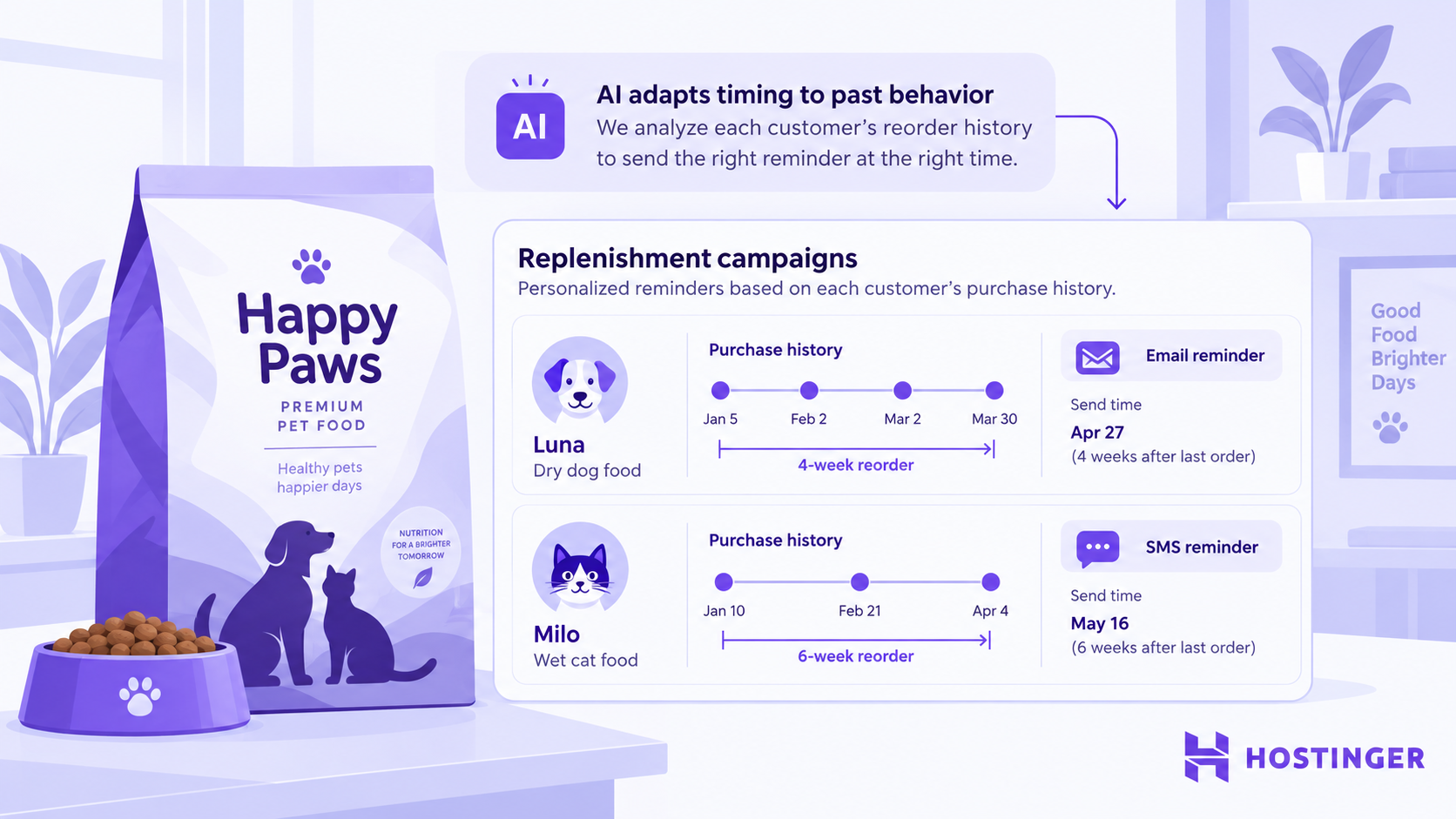
Email and SMS marketing strategies benefit similarly from predictive timing and personalized messaging. Rather than dispatching newsletters on a rigid schedule, automated workflows can analyze individual purchasing cadences to send reorder reminders precisely when a customer is likely to run out of a consumable product. While these capabilities integrate smoothly with standard marketing automation platforms, certain predictive features require substantial audience sizes and extensive historical data to function with high reliability.
Conversational AI has further redefined customer service and guided selling on retail websites. Unlike traditional rule-based chatbots designed merely to track shipping statuses or process returns, modern shopping assistants allow consumers to describe their needs using natural, everyday language. A shopper searching for outerwear can state specific preferences regarding material, functionality, and budget, prompting the assistant to analyze the product catalog, compare suitable options, and explain key differences without forcing the user through complex filter menus.

Abandoned cart recovery and customer churn prediction represent two of the most critical retention-focused applications of marketing intelligence. When a shopper abandons a checkout process, algorithmic systems can differentiate between a first-time visitor hesitant about shipping fees and a loyal repeat customer who simply forgot to complete the transaction, tailoring the follow-up communication accordingly. Similarly, by monitoring subtle shifts in engagement—such as a missed reorder date combined with a drop in email opens—predictive models can identify customers at high risk of churning long before they permanently stop purchasing, giving merchants a valuable window to intervene with targeted retention offers.

Despite the clear operational efficiencies, digital marketing specialists emphasize that artificial intelligence remains entirely dependent on the quality of its inputs. Poorly managed data records, unverified content generations, unresolved data privacy considerations, and a blind overreliance on automated bidding or messaging rules can quickly undermine brand credibility. To mitigate these risks, organizations are encouraged to adopt a phased implementation approach: selecting a well-understood marketing task, validating the underlying data architecture, deploying appropriate software tools on a controlled scale, and continuously auditing the results against clear performance baselines. As these technologies mature, the ultimate measure of success remains unchanged, focusing squarely on whether automation saves time, enhances campaign performance, and improves customer relevance without compromising brand oversight.
Leave a Reply