
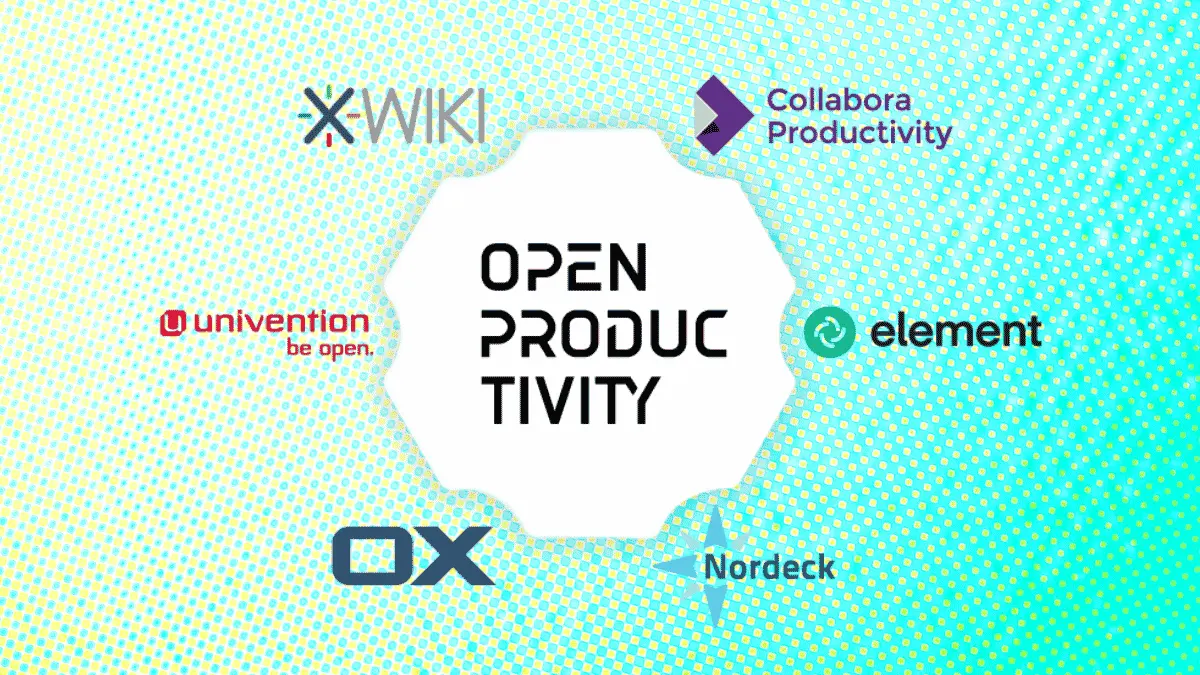
A powerful coalition of open-source software providers has officially joined forces to establish a new Berlin-registered entity named Open Productivity Software GmbH. The newly formed company brings together prominent European names in the productivity and collaboration space, including Collabora Productivity, Element, Nordeck, Open-Xchange, Univention, and XWiki.
The primary mission of this joint venture is to aggressively market, scale, and support openDesk—a comprehensive suite of office and collaboration tools composed of open-source applications from diverse vendors—to critical infrastructure operators and international enterprise businesses.
Leadership of the newly minted company has been placed in the hands of two experienced executives serving as managing directors: Dr. Gerald Pfeifer and Peter Ganten. Pfeifer steps into the role following notable leadership positions at SUSE, while Ganten brings his extensive executive experience as the CEO of Univention. Together, they are tasked with steering the company’s strategic growth, managing the complex partner ecosystem, and positioning openDesk as a viable, secure alternative to proprietary tech giants.
The openDesk project itself is an ambitious initiative originally spearheaded by ZenDiS, the Center for Digital Sovereignty in Germany. Up to this point, ZenDiS has focused primarily on equipping public administration bodies with sovereign, open-source digital infrastructure. However, recognizing the broader market demand for data independence, ZenDiS launched a private-sector partner program for the suite just last month. The creation of Open Productivity Software GmbH represents a significant evolution of this strategy, bridging the gap between public-sector innovation and commercial enterprise adoption.
Notably, several of the founding members of Open Productivity are already deeply embedded in the broader European open-source movement. For instance, XWiki and Open-Xchange are active participants in the Euro-Office initiative, a collaborative document project centered around ONLYOFFICE that has been gaining substantial momentum across the European technology landscape.

What is Inside openDesk?
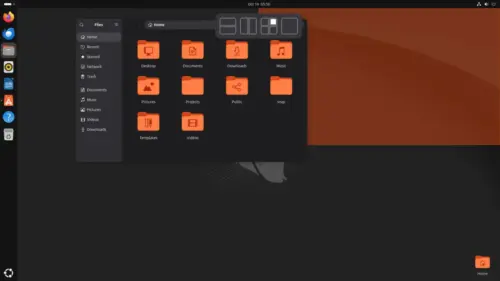
To understand the scope of openDesk, one must look at the modular architecture of the suite, where each founding member contributes a specialized piece of the digital workplace puzzle. Rather than relying on a single monolithic vendor, openDesk combines best-of-breed open-source applications into a unified, interoperable user experience.
Collabora Productivity contributes robust document editing capabilities, Element provides secure and decentralized real-time communication through Matrix, Nordeck brings specialized workspace and meeting integration tools, Open-Xchange handles core messaging and mail infrastructure, Univention supplies identity and directory management foundations, and XWiki delivers enterprise wiki and knowledge management capabilities.
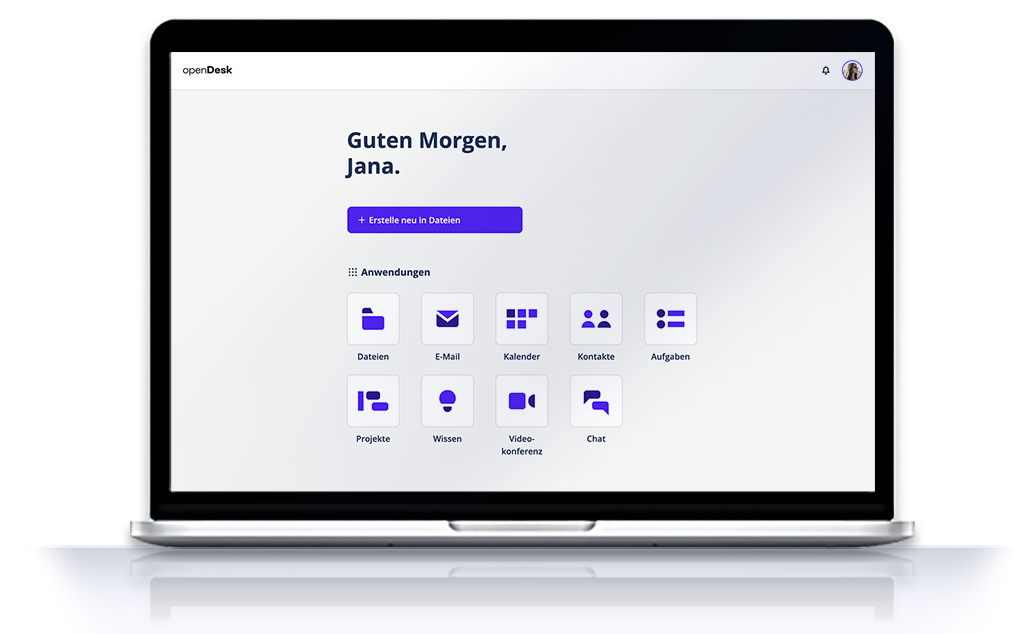
In addition to the founding partners, the broader openDesk ecosystem integrates other powerhouse open-source projects. Nextcloud handles file storage, sharing, and synchronization, while OpenProject manages collaborative task and project planning. Together, these tools form a comprehensive ecosystem that directly challenges dominant proprietary productivity offerings.
In its market positioning, Open Productivity explicitly names Microsoft 365 and Google Workspace as its primary competition. By pitching openDesk to businesses and critical infrastructure operators, the company is offering a flexible, vendor-independent alternative that guarantees organizations complete control over their sensitive data, ensuring full compliance with stringent European data privacy regulations and safeguarding digital sovereignty.
How the Partner Model Works

To successfully deploy and manage such an intricate suite of software across large enterprises and critical infrastructure environments, Open Productivity is rolling out a structured partner model designed to simplify customer engagement.
Under this framework, customers will deal with a single, dedicated contact point for every project. This designated partner will oversee the entire lifecycle of the deployment, ranging from initial technical consulting and legacy migration to day-to-day operations and ongoing support. Meanwhile, flexible deployment options—allowing organizations to host the suite on their own local infrastructure or within secure private and public clouds—are actively being refined and expanded.
To kickstart its commercial operations, the company is launching with three premier partners already backing the initiative. Adfinis, a prominent open-source firm headquartered in Switzerland, brings deep technical deployment experience. The msg group contributes extensive expertise in serving critical infrastructure operators with high-security requirements. Rounding out the initial trio is the French firm Smile, which brings advanced integration capabilities to the table. At the time of the launch, Open Productivity has not yet disclosed whether additional integration partners will be onboarded in the near future.
Speaking during the official launch event, Pamela Krosta-Hartl, the Managing Director of ZenDiS, welcomed the formation of the new company and highlighted its alignment with public-sector goals. She emphasized that ZenDiS fully supports the initiative taken by several openDesk vendors to pave the way into the enterprise market through Open Productivity. According to Krosta-Hartl, the new company provides the exact vehicle needed to empower the distributors and systems integrators that ZenDiS is targeting through its newly established partner program.

Leave a Reply