
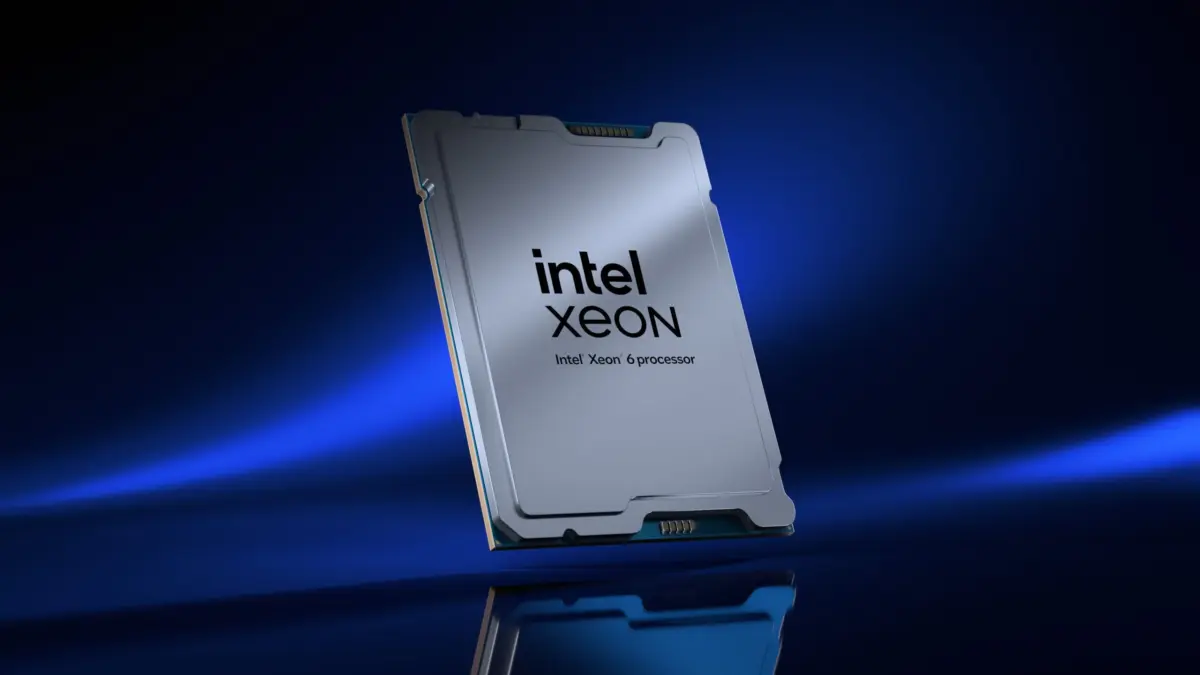
Just five years after introducing its pioneering Software Guard Extensions (SGX) technology to its mainstream server platform, Intel announced plans on Friday to discontinue support for the architecture following its upcoming Xeon ‘Diamond Rapids’ processors. Moving forward, the semiconductor giant intends to concentrate its entire confidential computing product strategy on Trust Domain Extensions (TDX).
While the announcement marks a significant architectural pivot for the company, Intel has committed to maintaining support for existing SGX-enabled platforms well into the early 2030s, ensuring that enterprise clients currently relying on the technology will have a predictable and extended runway for hardware lifecycles. At the same time, the chipmaker is moving aggressively to expand its TDX capabilities, positioning the technology to meet the rapidly evolving and increasingly complex requirements of modern cloud computing, demanding enterprise workloads, and the burgeoning sector of agentic AI applications.
The transition underscores a broader industry shift toward more scalable and comprehensive hardware-based security architectures. Without a doubt, data sovereignty requirements have become an increasingly critical factor for organizations worldwide as they seek robust ways to protect sensitive information from unauthorized access, even when that data is actively being processed on infrastructure operated by third parties, such as public cloud providers. Although both Intel SGX and TDX were originally designed to protect sensitive information while it is being processed in memory—a concept known broadly as confidential computing—they utilize substantially different structural and architectural approaches to achieve those security goals.
Software Guard Extensions, when first brought to the mainstream server market, represented a major leap forward by allowing applications to establish secure, hardware-isolated enclaves in memory. These enclaves were designed to shield specific code and data from being viewed or modified by the rest of the operating system, hypervisor, or unauthorized administrators. However, as enterprise use cases expanded into massive cloud deployments and complex virtualized environments, the architectural limitations of application-level enclaves like SGX became more apparent, prompting Intel to develop and prioritize TDX, which operates at the virtual machine level rather than the individual application level, offering a broader and often more seamless deployment model for modern data centers.



Leave a Reply