
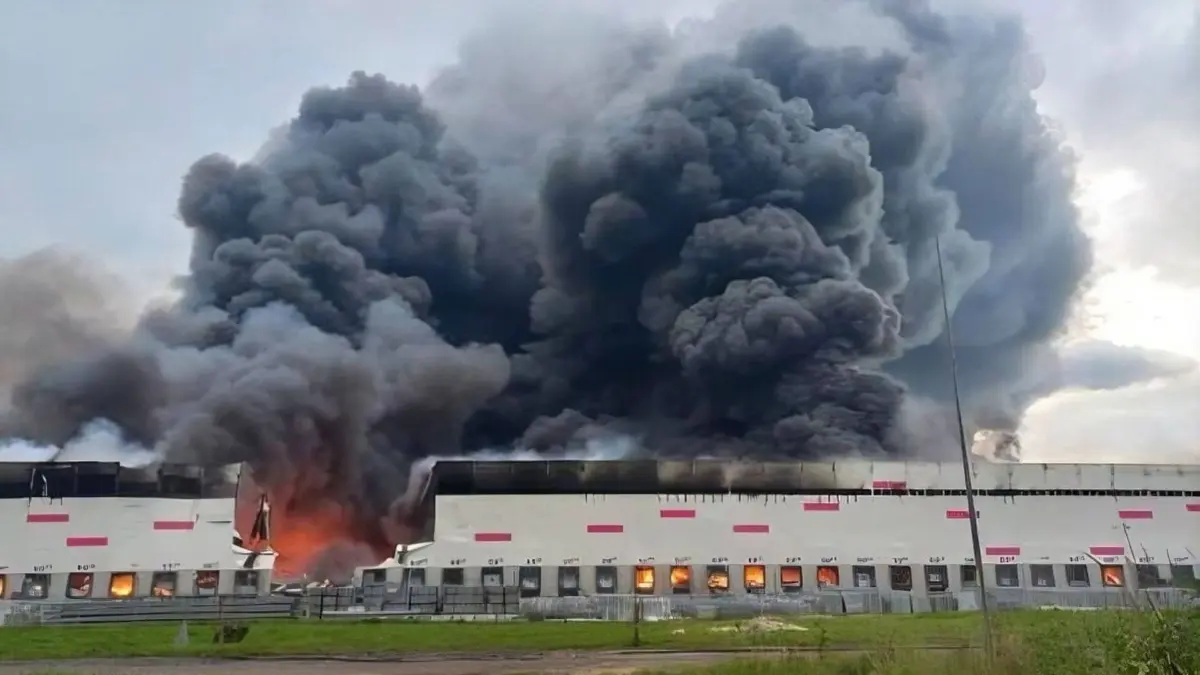
Russian bot traffic across the internet has experienced a dramatic and sudden decline over the past few days, a shift directly tied to a successful military operation by Ukraine that knocked out some of Yandex’s largest and most critical data infrastructure. According to telemetry and analytics data provided by Cloudflare, automated bot traffic originating from the Yandex network has cratered, falling to a minuscule fraction of its previous volume and highlighting the tangible digital consequences of physical infrastructure attacks during the ongoing conflict.
Data shared by Cloudflare radar indicates that bot traffic associated with the Yandex network has dropped precipitously to just 0.4% of the maximum number of HTTP requests recorded over the preceding two-week period. This staggering reduction did not happen all at once, but rather followed a sharp downward trajectory initiated by a specific kinetic strike. The disruption first manifested on October 8, when traffic volumes dropped by nearly half, plunging to around 57% of recent maximum levels almost immediately following a Ukrainian drone strike that targeted a major Yandex data center facility in Russia.
The targeted facility, situated in Sasovo, Russia—located approximately 195 miles to the southeast of the Kremlin—was far from an ordinary server farm. The data center housed two of Russia’s most powerful top-tier supercomputers, serving as a critical hub for computational power, web indexing, and network services managed by Yandex, often referred to as Russia’s equivalent of Google. The retaliatory strike resulted in a catastrophic and immediate major outage at the site, abruptly cutting off the computational capacity required to sustain various automated network processes, web crawling operations, and bot activities managed through the infrastructure.
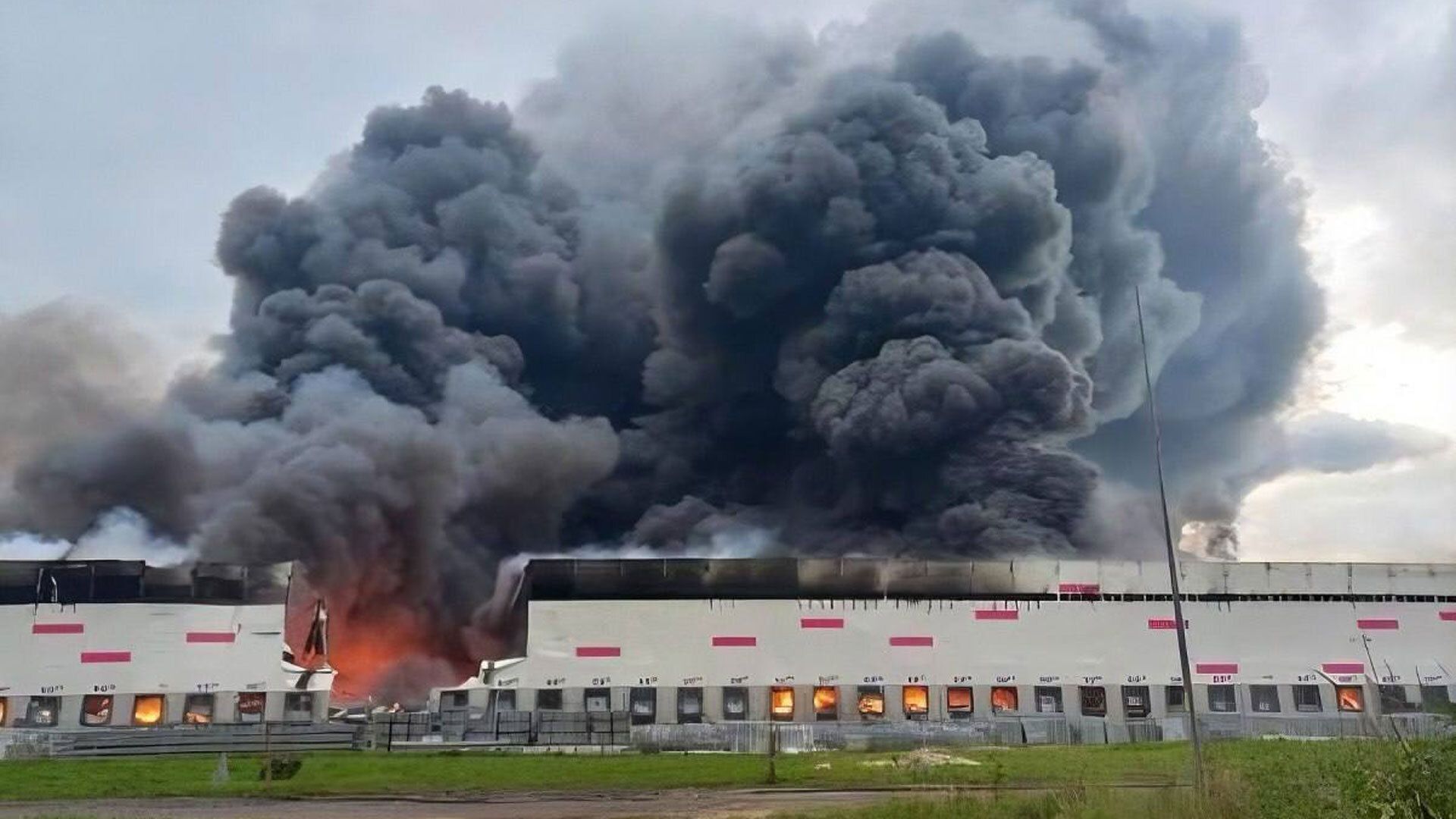
In the days following the initial impact and the ensuing power and hardware failures, the disruption cascaded across the network. As technicians and engineers struggled to assess the physical damage, salvage equipment, or reroute crippled workloads, the downstream effects became clearly visible to global web infrastructure monitors like Cloudflare. The steady bleeding of network capability eventually culminated in the near-total cessation of bot traffic from the affected autonomous systems, dragging the volume down to the current low of 0.4%.
The incident underscores the deeply intertwined nature of physical military targets and digital infrastructure in modern warfare. While cyberattacks and electronic warfare have been staples of the conflict between Russia and Ukraine from the outset, the direct physical targeting of high-performance computing centers demonstrates how kinetic operations can yield immediate, measurable ripples across the global internet ecosystem. Yandex, a dominant force in the Russian technology sector, relies heavily on robust data center redundancy to maintain its search engine, cloud services, and associated automated systems. However, the loss of a facility housing top-tier supercomputing hardware has clearly exposed critical vulnerabilities in the scale and resilience of Russia’s domestic tech infrastructure under wartime conditions.
As network analysts and cybersecurity firms continue to monitor traffic patterns originating from the region, the long-term impact on Yandex’s operations remains to be seen. Restoring specialized supercomputing facilities requires advanced hardware components and complex logistical coordination that have been complicated by international sanctions and supply chain restrictions. For now, however, the digital footprint of Yandex-associated bots has been drastically reduced, providing a clear window into how physical security events on the ground can instantly reshape global internet traffic dynamics.



Leave a Reply