
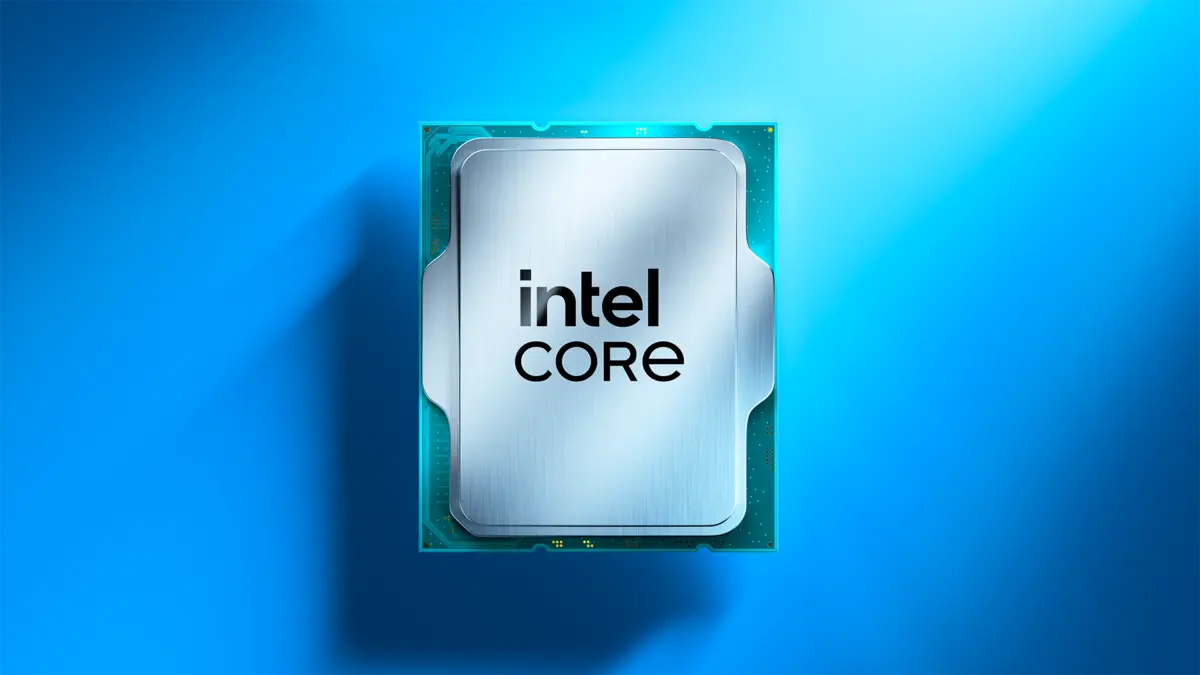
Recent discussions within the technology community have brought to light a pragmatic approach to semiconductor manufacturing, highlighting how established microarchitecture can continue to serve massive commercial markets while bleeding-edge fabrication nodes are reserved for artificial intelligence hardware. Industry observers and forum participants have recently focused on how chipmakers like Intel can strategically balance legacy production lines with modern demands, particularly in the context of outfitting enterprise desktop fleets.
The core of the discussion centers on the vast inventory of corporate personal computers deployed across office environments globally. These systems typically do not require the latest architectural innovations or specialized silicon blocks like Neural Processing Units, which are increasingly prioritized for AI-driven workloads. Instead, enterprise environments often demand reliable, cost-effective computing power that can handle standard productivity applications, web browsing, and secure internal communications without driving up hardware acquisition costs.
According to online community commentary, particularly from users analyzing semiconductor supply chains, Intel is uniquely positioned to address this steady demand by leveraging older, fully amortized fabrication plants. By keeping these paid-off fabs operational, the company can efficiently supply original equipment manufacturers with mature processor designs. This strategy allows the chipmaker to reserve its newer, cutting-edge manufacturing nodes for high-margin products, such as advanced accelerators and processors tailored specifically for the rapidly expanding artificial intelligence sector.
Within this broader manufacturing strategy, specific processor configurations have emerged as favorites for standard enterprise deployments. Among these, the interest in streamlined silicon configurations—such as designs featuring exclusively performance cores without efficiency cores—remains notably high among hardware enthusiasts and system integrators. For instance, processors structured around a pure performance-core layout, such as specific iterations within the Alder Lake family configured with six performance cores and zero efficiency cores, offer a compelling balance for standard desktop deployments.
Processors operating in the mid-tier enthusiast and commercial space—such as specific six-core, twelve-thread variants equipped with capable integrated graphics like the UHD 770 featuring thirty-two execution units—are frequently cited as more than adequate for any standard corporate workstation. These chips provide sufficient headroom for daily office tasks while avoiding the thermal complexities or cost premiums associated with more complex hybrid architectures or integrated AI accelerators that many businesses have yet to adopt into their standard deployment workflows.
Beyond traditional desktop form factors, the discussion also touches upon mobile and miniature desktop solutions, where mobile-derived silicon is adapted for compact office hardware. Configurations utilizing low-power mobile architectures paired with substantial execution units on specialized boards have long been staples of the mini-PC market targeted at enterprise deployments. These solutions offer improved graphics performance and energy efficiency, traits that are highly valued in modern office spaces aiming to reduce power consumption and physical footprint.
However, the longevity of these mobile silicon designs also highlights a broader trend within the semiconductor industry regarding platform lifecycles. Observers note that certain mobile architectures have experienced multiple rounds of re-branding and minor refreshes across successive product generations. From their initial introductions through subsequent iterations and modern branded series, these underlying designs have proven remarkably resilient, demonstrating how foundational engineering can be carried forward across multiple product cycles to meet ongoing commercial demand without requiring entirely new ground-up silicon tape-outs.
Ultimately, the dialogue underscores a vital economic reality of the modern hardware landscape: the coexistence of mature nodes and advanced technology. As the semiconductor industry funnels immense capital into next-generation nodes optimized for artificial intelligence and high-performance computing, the steady, unglamorous demand for reliable corporate desktop and mobile processors continues to be met by older, highly optimized silicon. Through this dual-track approach, manufacturers can maximize the utility of their older industrial investments while charting a dedicated course for future technological advancements.

Leave a Reply