

The open-source software ecosystem is facing a shifting landscape of corporate sponsorship, infrastructure changes, and regulatory scrutiny. From long-standing hosting programs coming to a close and copyright disputes targeting general-purpose tools to new security paradigms and hardware integrations, maintainers and developers are navigating a period of significant transition.

Infrastructure Challenges and Corporate Realignments
Long-standing open-source projects are currently grappling with funding and resource shifts after DigitalOcean quietly ended its support program, a disruptive move that has affected numerous independent initiatives across the ecosystem. The winding down of these infrastructure credits has left various community-driven projects searching for alternative ways to maintain their servers and development pipelines.

In a related ripple across the community, Gentoo Linux is actively seeking new infrastructure sponsors after several long-term backers withdrew their support. The project, which relies heavily on a robust distributed infrastructure, is currently accepting a wide variety of contributions, including donated machines, colocation space, virtual machines, physical servers, and direct financial funds to sustain its operations.

At the same time, software licensing and corporate stewardship continue to prove their resilience when tested. Following Siemens’ quiet deletion of the OpenRadioss repository, the project’s copyleft AGPL licensing structure effectively saved it from obscurity. Within days, Rocky Linux co-founder Brian Clemens forked the project into OpenCourant, which is already shipping ready-to-use binaries for both Linux and Windows operating systems.

Security maintenance is also seeing novel automated approaches. Red Hat’s Lightwell project has flipped the traditional security patching script by moving away from waiting on upstream fixes. Instead, it backports security corrections directly into production Java libraries. Having already cleared over 400 vulnerabilities, the initiative is well on its way to expanding its protective reach across enterprise environments.

Regulatory Scrutiny and Security Developments
Legal and regulatory pressures continue to cast a wide net over software development tools. The music copyright group IFPI has submitted yt-dlp, a popular general-purpose command-line downloader, to the European Union’s piracy watchlist. By lumping the versatile utility in with dedicated ripping services and naming four of its maintainers, the group claims that the tool actively fuels copyright infringement, drawing sharp attention from open-source advocates concerned about the weaponization of watchlists against dual-use technologies.

Meanwhile, Google’s open-source bug bounty program experienced a major administrative bottleneck after being flooded with AI-generated spam. The surge prompted the company to temporarily pause product vulnerability submissions, though supply chain reports remain welcome as Google works behind the scenes to revamp the program ahead of a planned relaunch by the first quarter of 2027.
On the cryptography front, Ubuntu 26.10 is set to introduce Sequoia PGP, a modern, memory-safe, Rust-based OpenPGP tool. Designed to sit alongside the traditional GnuPG implementation, both tools will coexist for the time being, though the long-term roadmap envisions eventually phasing out GnuPG in favor of the newer Rust implementation.

Integration developments are also bridging the gap between secure communication and cloud storage. Tuta Mail has launched a dedicated app in the Nextcloud App Store, accompanied by a separate Nextcloud plugin within Tuta that allows users to seamlessly upload email attachments directly to their Nextcloud storage and embed video conference links straight into their calendar events.
Industry Perspectives and Modern Tooling
The conversation surrounding trust, data privacy, and software creation is evolving rapidly. Former Bitcoin Core contributor Carl Dong recently discussed his work on Obscura, a VPN service built from the ground up to operate on a foundation of structural distrust rather than corporate promises. By splitting a user’s identity from their browsing traffic across two independent companies so that neither entity can observe both data points simultaneously, the project addresses the limitations of traditional no-logs policies in an era where consumer data is increasingly treated as toxic waste.

Simultaneously, the rise of artificial intelligence has sparked varied experiments within the software development space. Instances of developers utilizing AI to generate early-stage clones of complex applications, such as Adobe Photoshop, highlight both the speed and the limitations of automated coding. While these experiments demonstrate how generative tools lower the barrier to entry for building software, they also underscore ongoing concerns regarding long-term maintenance, missing core features, and the sustainability of codebases produced without human-driven architectural oversight.
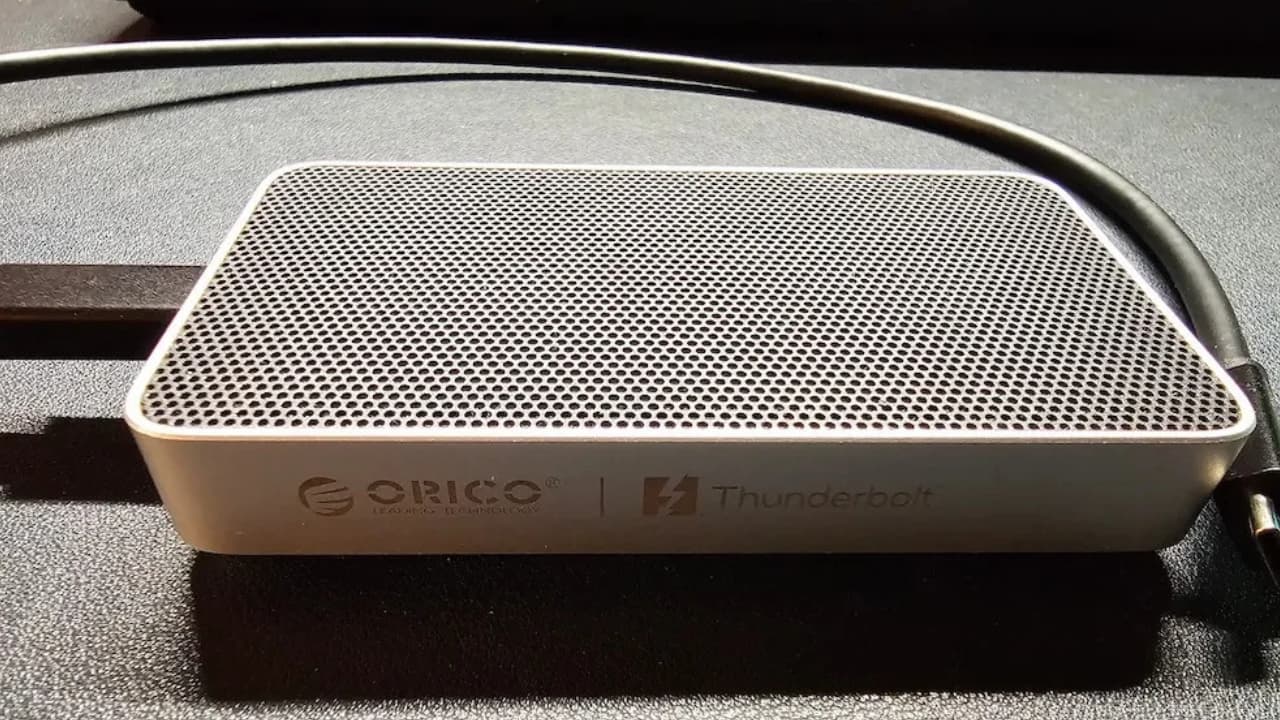
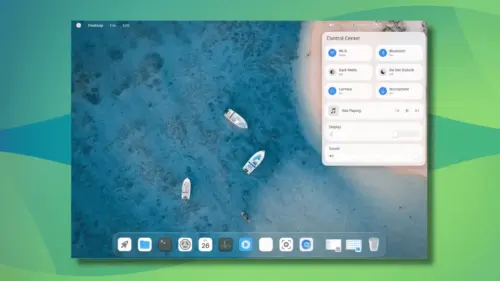
Hardware and desktop experiences are similarly evolving to meet modern demands. ORICO’s X50, a sleek Thunderbolt 5 NVMe SSD enclosure, has entered the market offering high-speed external storage that works out of the box on Linux systems without requiring proprietary configuration steps. For desktop users expanding their environments across different platforms, the Raspberry Pi Foundation has officially released its Debian 13-based Raspberry Pi Desktop for traditional PCs and Macs.
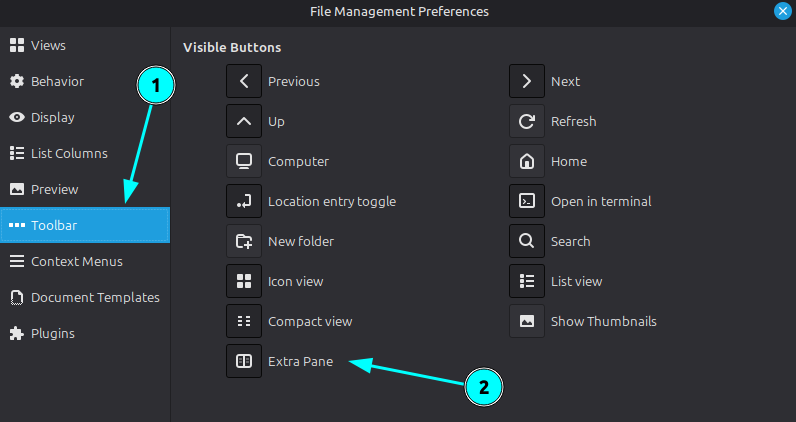
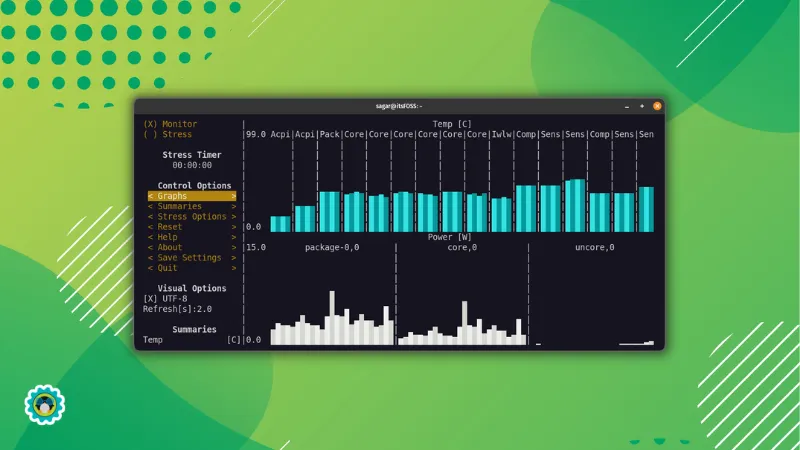
As developers continue to refine their command-line workflows, system monitoring utilities like S-TUI provide terminal-based visualization of CPU frequency, temperature, and power usage, complete with stress-testing capabilities to detect thermal throttling. Coupled with classic file management enhancements—such as Nemo’s dual-pane F3 shortcut and customizable toolbar toggles—the Linux desktop ecosystem continues to prioritize efficiency and user control amidst a changing technological landscape.
Leave a Reply