

As digital marketplaces continue to evolve, the intersection of social media and electronic commerce has fundamentally transformed how businesses reach consumers. Modern retail strategies increasingly rely on showcasing products across dominant social platforms like Instagram, Facebook, TikTok, Pinterest, and YouTube, seamlessly directing interested shoppers either to integrated in-app shopping features or dedicated external online stores. By carefully selecting channels that align with specific customer demographics and product types, merchants can craft compelling content that influences purchasing decisions and drives measurable growth.

The mechanics of the modern buying process vary significantly from one platform to another. Certain digital ecosystems support native shopping setups that allow consumers to complete transactions entirely within the application, while others function primarily as discovery engines, routing potential buyers to an independent online storefront. These operational differences heavily influence how brands must manage product inventories, navigate checkout procedures, and optimize the overarching customer journey from initial social discovery to a finalized sale. Establishing a successful social commerce presence requires businesses to make products easily searchable, develop genuinely useful content, proactively address consumer inquiries, and heavily promote top-performing assets. By continuously tracking crucial performance indicators such as click-through rates and sales conversions, enterprises can refine their messaging and allocate budget and time more effectively.

Evaluating and Selecting the Right Platforms
Deciding where to invest marketing resources in the social media landscape requires a meticulous comparison of three core factors: whether target audiences actively frequent the platform, whether the platform’s native interface suits the visual presentation of the product catalog, and how frictionlessly a user can transition from discovering an item to purchasing it.

Existing online selling infrastructure plays a pivotal role in this calculus. Enterprises that already maintain a robust standalone online store can leverage social media channels as powerful discovery mechanisms, utilizing platforms like Instagram, Pinterest, or YouTube to capture user interest and subsequently channel traffic back to their primary website to complete payments and fulfill orders. Concurrently, select platforms enable qualifying businesses to retain a greater portion of the transaction lifecycle directly inside the social application, though availability varies widely depending on geographic location, account classification, and platform policies.

Rather than spreading resources thinly across every available network, commerce experts generally advise launching a presence on one or two carefully chosen platforms. Maintaining multiple secondary profiles introduces considerable administrative overhead, demanding continuous content creation, vigilant customer service engagement, and fragmented data analysis. Focusing on a smaller footprint initially allows merchants to validate channel profitability before expanding their operational workload. Evaluating platforms based on user behavior rather than sheer audience size ensures that brands align with communities where commercial intent is already high, avoiding the pitfalls of larger networks where audience engagement may not translate to product sales.

Establishing Business Accounts and Navigating Commerce Policies
Laying the technical foundation for social selling begins with securing the appropriate business, professional, or creator accounts mandated by each platform’s shopping infrastructure. Before submitting administrative details or configuring storefront plugins, merchants must verify their eligibility based on specific business classifications, product categories, and regional operational limits.

Once eligibility is confirmed, the account provisioning process typically involves linking official web properties, verifying business ownership, and establishing secure payout methods. Getting these foundational elements right ensures access to advanced management tools, performance analytics engines, and paid promotional suites.

Crucially, merchants must review platform commerce policies prior to uploading inventory. Many networks strictly restrict or outright prohibit specific product categories, and identifying these policy limitations early prevents the wasted effort of building digital listings that ultimately face rejection or removal.
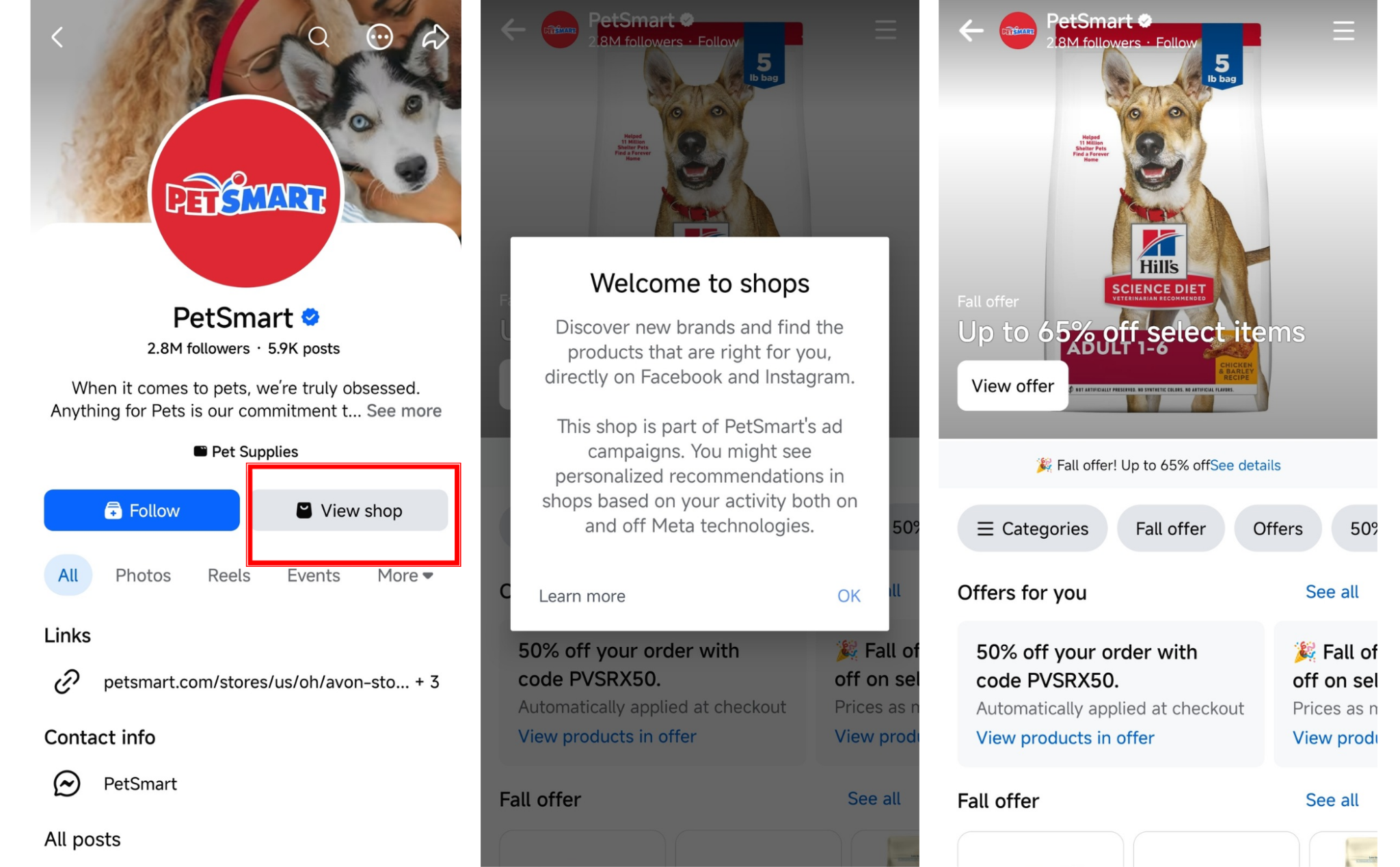
Optimizing Profiles and Connecting Product Catalogs
A product-focused social media profile must immediately communicate the core identity of the business, the nature of the catalog, and the pathways available for purchasing. Consumers discovering a brand via a solitary post should never have to hunt through profile text to determine what is being sold or how to acquire it. Essential information must be presented prominently, utilizing concise profile descriptions and direct web links, or specialized link-in-bio landing pages when directing traffic to multiple destinations.
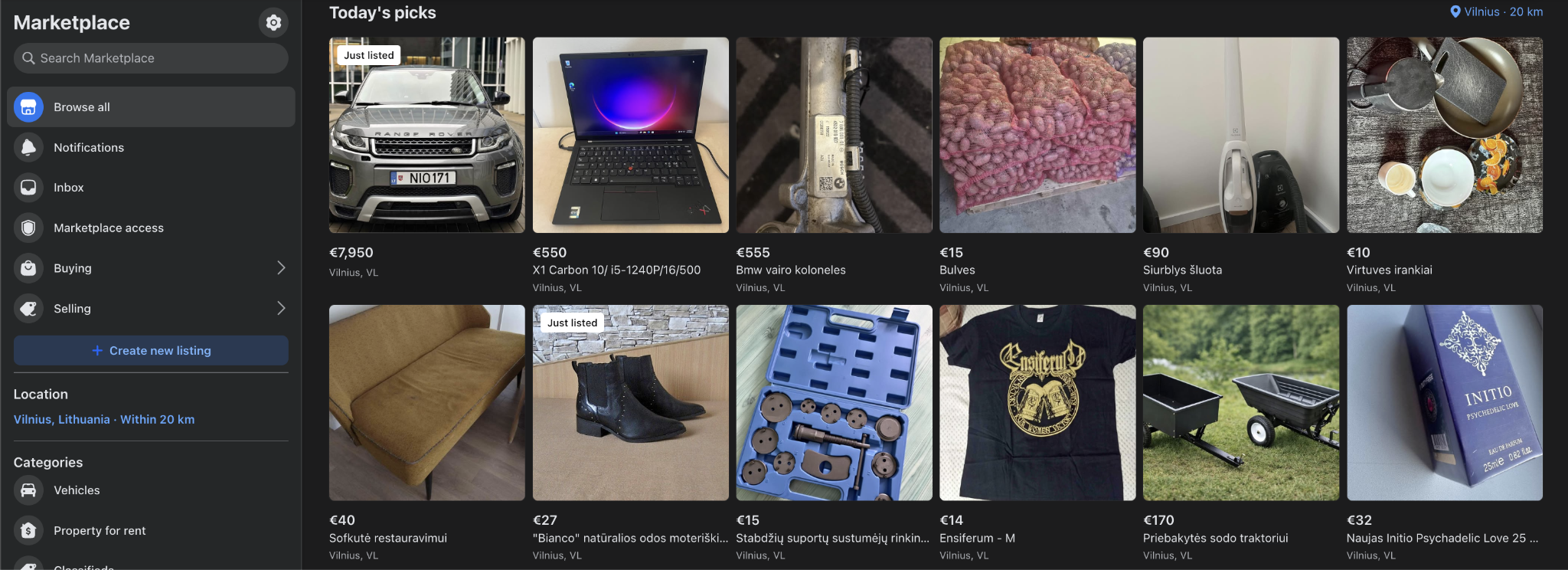
Because the vast majority of social commerce traffic originates from mobile devices, linked landing pages must be rigorously optimized for small screens. Product browsing must remain intuitive, vital information must be easily legible, and transactional steps—from selecting product variations to executing a secure checkout—should proceed without friction.
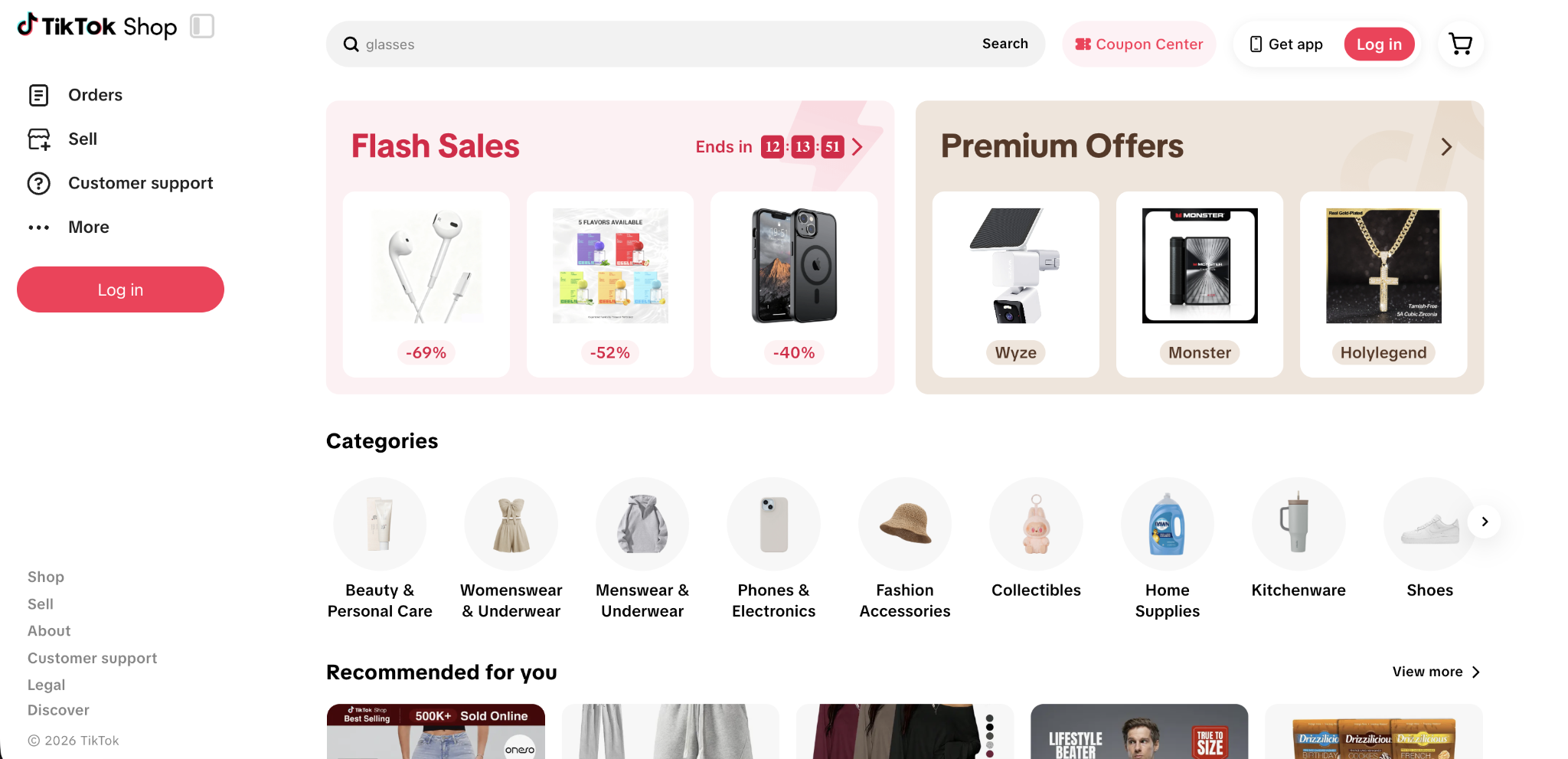
Managing inventory across multiple social channels and standalone web stores presents unique logistical challenges. For smaller catalogs or exploratory testing phases, manual product listings are often sufficient. However, as product lines expand, automated catalog syncing becomes essential to prevent discrepancies where an item appears available on a social channel long after selling out on the primary website. Centralizing backend operations through headless commerce architectures allows different storefronts to draw from a single shared system managing inventories, orders, and payments. Solutions like Hostinger Ecommerce exemplify this approach, unifying catalog management across website builders, custom storefronts, and flexible checkout links that can be shared directly through social posts or direct messages.

Crafting Product-Focused Content and Engagement Strategies
Effective social commerce content moves beyond basic catalog photography to demonstrate items in realistic use cases, answer recurring pre-purchase questions, and highlight functional details that static images cannot convey. Whether demonstrating size dimensions, material textures, assembly processes, or before-and-after results, content should directly address the information a consumer needs to feel confident about buying.

Mainstays of successful social selling include maintaining a realistic posting cadence, leveraging automation tools to batch-create and schedule assets, and treating captions as direct sales copy rather than afterthoughts. Integrating clickable product tags and shopping links directly into posts removes navigational barriers, ensuring that a viewer interested in a specific item featured in a video can tap directly to its purchase page without executing secondary searches.

Furthermore, robust customer engagement remains vital for converting hesitant browsers into paying buyers. Promptly answering inquiries regarding sizing, color availability, shipping timelines, and return policies removes critical purchase friction. Monitoring recurring customer questions also provides valuable diagnostic insights, highlighting areas where product pages or instructional content require improvement. Over time, integrating authentic customer reviews, testimonials, and user-generated media builds invaluable social proof, reinforcing brand credibility and empowering new shoppers to complete their transactions with confidence.



Leave a Reply