
The search for the optimal continuous deployment tool remains one of the most consequential architectural decisions facing modern software engineering teams. According to recent industry analysis released on September 18, 2026, by technology writer Alma F., selecting the wrong pipeline or deployment framework often generates more operational overhead than it eliminates. Rather than accelerating product development, engineering organizations frequently find themselves trapped in cycles of configuring, troubleshooting, and maintaining complex deployment infrastructure instead of focusing on core application features.
The sprawling ecosystem of continuous deployment tools comprises two distinct categories: comprehensive CI/CD platforms that govern the entire lifecycle of building, testing, and releasing code, and deployment-centric solutions designed to handle application promotion only after a separate system has completed the foundational build and test phases. Matching the correct platform to a specific technology stack, team size, and target environment has thus become a critical mandate for development managers and platform architects alike.
Evaluating Native Repository CI/CD Solutions
For teams heavily invested in major source code hosting ecosystems, native solutions offer deeply integrated paths from code commit to production release.
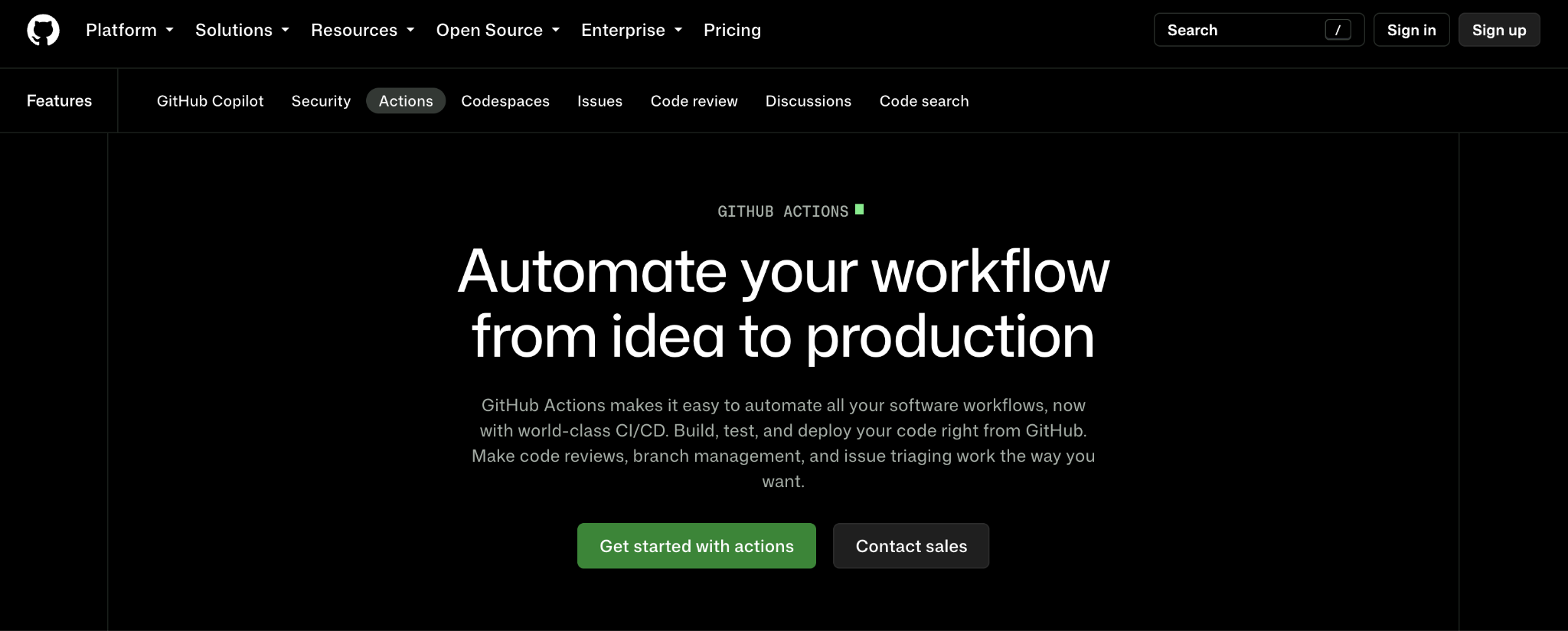
GitHub Actions has emerged as a premier option for organizations storing their codebases within GitHub. The platform enables developers to orchestrate build, test, and deployment workflows directly from the same repository where development occurs. By defining triggers tied to code pushes, pull requests, or custom tags, engineering groups can automate their entire release pipeline without deploying separate automation servers. A vital operational consideration within GitHub Actions involves compute execution environments, or runners. While GitHub-hosted runners provide a zero-maintenance cloud option, self-hosted runners allow organizations to execute jobs on their own physical or virtual infrastructure. This proves essential when deployments require secure access to private enterprise networks, specialized proprietary hardware, or unique software environments unavailable on standard cloud runners.
Similarly, GitLab CI/CD provides an all-in-one workspace where source control, continuous integration, and automated deployment converge. Managed via a single YAML configuration file within the repository, GitLab unites code management, pipeline statuses, environment tracking, and deployment histories under one interface. Like its GitHub counterpart, GitLab supports both cloud-hosted runners and self-managed runners, giving development teams the flexibility to maintain strict compliance and network isolation where required.
Specialized Kubernetes and GitOps Frameworks
As container orchestration continues to dominate enterprise architecture, specialized tools have risen to address the unique demands of cloud-native environments.
Argo CD represents a paradigm shift for Kubernetes teams by implementing a GitOps methodology. Rather than utilizing imperative scripts that push changes directly into a cluster, Argo CD relies on a declarative model where the desired application state is maintained in a Git repository, and the tool continuously reconciles the cluster to match that state. If manual alterations occur within the cluster, Argo CD detects the divergence and can automatically restore the correct configuration. While the CI pipeline continues to handle container image building and testing, it delegates final cluster synchronization entirely to the GitOps engine.
Flux CD follows a similar architectural philosophy, championing GitOps for Kubernetes through a modular, component-based design. Rather than relying on a monolithic application interface, Flux breaks its operations down into smaller, independent controllers. This modularity offers experienced Kubernetes operators immense flexibility in designing tailored deployment pipelines, though it presents a steeper learning curve for teams unfamiliar with advanced cloud-native operations.
Spinnaker addresses the complex requirements of large-scale platform engineering teams that manage multi-cloud infrastructures. Designed specifically to span diverse cloud providers, Spinnaker integrates natively with major platforms including AWS, Kubernetes, Azure, and Google Cloud. While it provides robust, consistent deployment controls across disparate environments, operating Spinnaker requires significant infrastructure investment, making it suitable primarily for large-scale enterprise deployments rather than smaller teams.
Managed Hosting and Integrated Application Platforms
For organizations seeking to minimize infrastructure management entirely, modern platform-as-a-service and integrated hosting solutions have redefined the deployment experience.
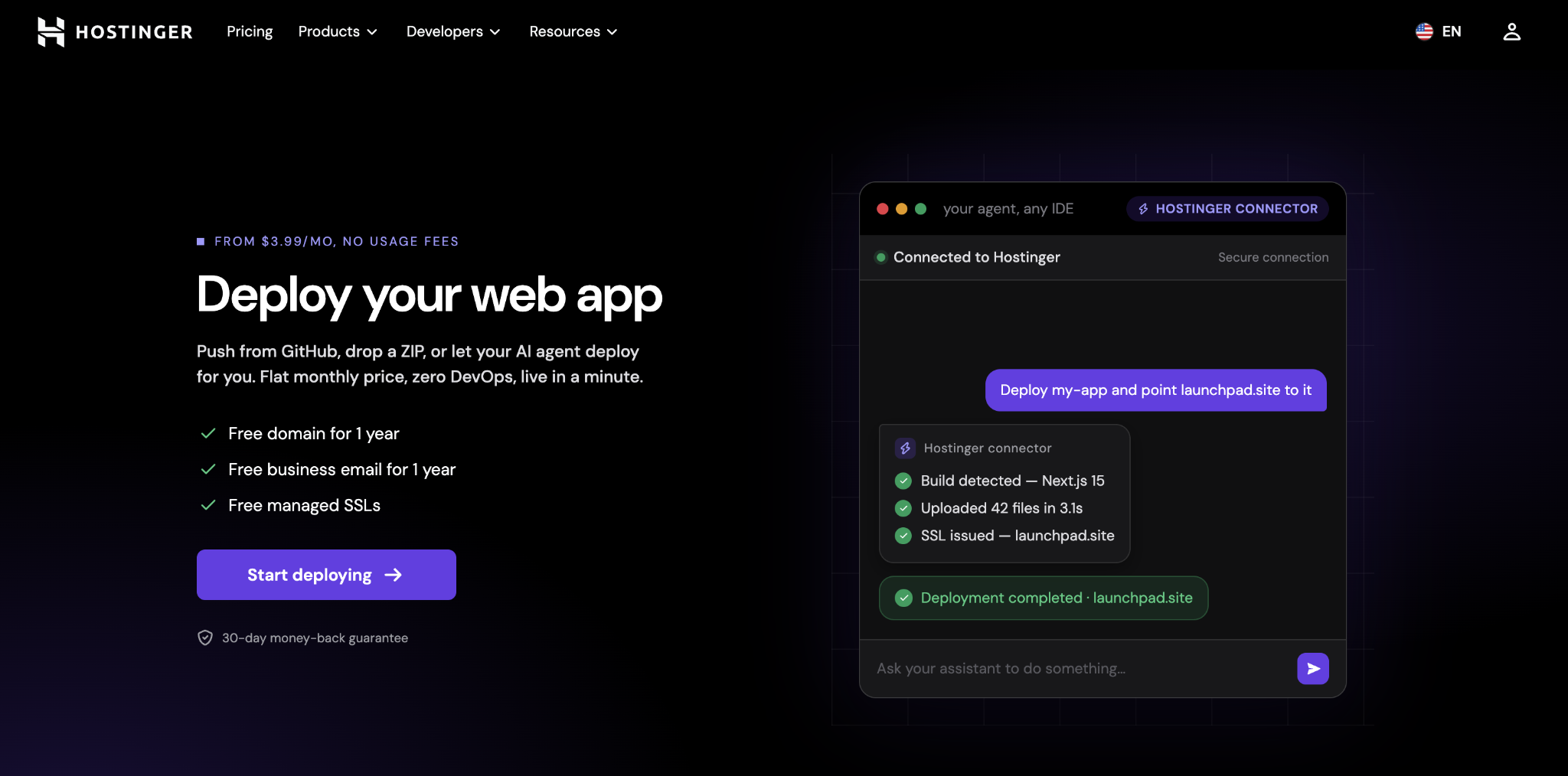
Hostinger Web Apps Hosting eliminates the need to construct and maintain standalone CI/CD pipelines by merging application hosting and automated deployment into a single streamlined service. By connecting a GitHub repository, the platform automatically detects popular frontend and backend frameworks, executes the build process, and deploys updates upon code pushes. Furthermore, integrations with AI coding assistants allow developers to initiate deployments, provision domains, and secure SSL certificates directly from their development environments.
Similar platform-centric approaches are championed by Vercel and Railway. Vercel provides a frontend-optimized deployment pipeline that automatically provisions preview URLs for every pull request, allowing reviewers to interact with live changes before merging. Railway extends this integrated model to full-stack applications, enabling developers to deploy application code alongside databases and persistent storage within a unified project dashboard. While these managed ecosystems dramatically reduce operational overhead, they are purposefully bound to their respective hosting platforms, making them less adaptable for teams requiring multi-cloud flexibility.
Enterprise Release Orchestration and Cloud-Native Pipelines
Large enterprises managing rigorous regulatory compliance and multi-stage release promotions often rely on specialized orchestration platforms.
Harness Continuous Delivery provides advanced control over production releases, featuring intelligent canary deployments, automated health monitoring, and automated rollbacks. By utilizing lightweight local agents called delegates, Harness ensures that its cloud-hosted control plane never requires direct inbound access to sensitive corporate production systems.
Octopus Deploy occupies a specialized niche by focusing exclusively on post-build deployment management. Operating under the principle of immutable artifacts, Octopus takes verified packages produced by an external CI system and promotes them predictably across testing, staging, and production environments. Its robust tenant management features also allow organizations to deploy identical application packages to numerous distinct customer environments with unique configuration parameters.
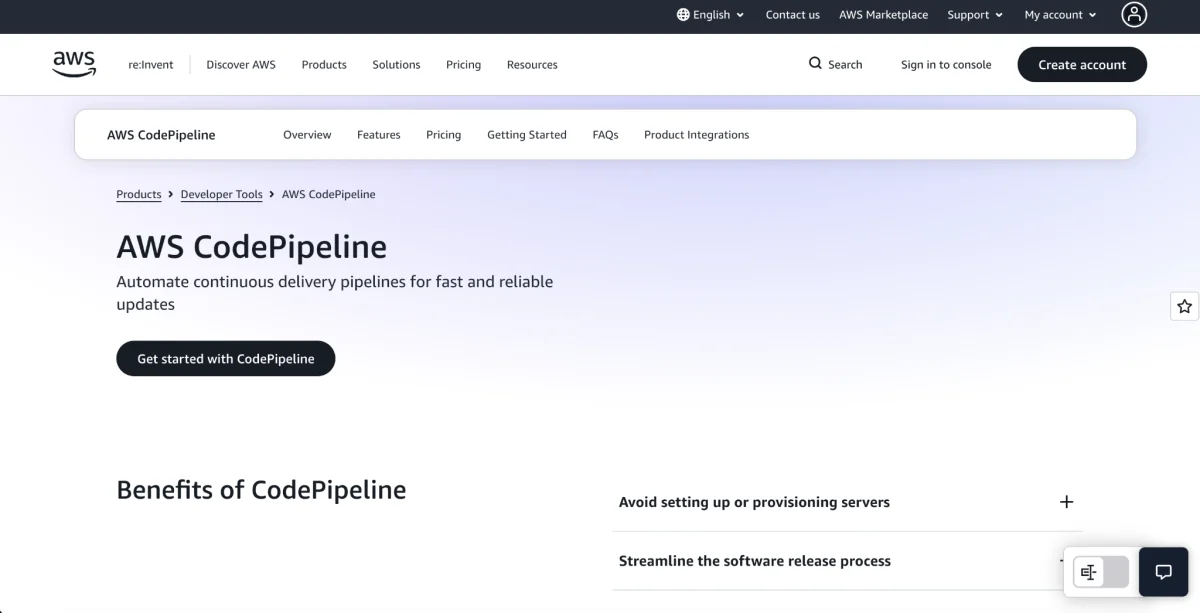
Cloud-specific ecosystems like AWS CodePipeline, Azure Pipelines, and Google Cloud Deploy offer tailored continuous delivery capabilities deeply integrated with their respective cloud provider services. AWS CodePipeline coordinates multi-stage releases across native AWS development services, while Google Cloud Deploy specializes in promoting containerized workloads across Google Kubernetes Engine and Cloud Run targets.
Establishing a Resilient Release Architecture
Industry experts emphasize that transitioning to continuous deployment requires more than simply choosing the right software tool; it demands a cultural and structural commitment to robust safety practices. Because automated pipelines remove human approval gates from the final path to production, organizations must institute comprehensive automated safeguards.
The foundation of any reliable deployment process relies on layered testing strategies. Beyond basic unit tests, engineering teams must incorporate automated integration tests, security scans, and dependency checks into early pipeline stages. Furthermore, modern monitoring must extend beyond verifying that a deployment script executed successfully. Teams must actively track real-time application telemetry—including error rates, latency spikes, and failed transactions—to evaluate the true health of a release.
Finally, implementing a continuous deployment model necessitates a thoroughly tested rollback strategy. Because database schema modifications and asynchronous code changes can easily break backward compatibility, rollback procedures must be rehearsed with the same diligence as the forward deployment pipeline. By aligning the choice of deployment tooling with team size, architectural stack, and operational capacity, engineering organizations can successfully automate their release processes while maintaining absolute stability in production.



Leave a Reply