

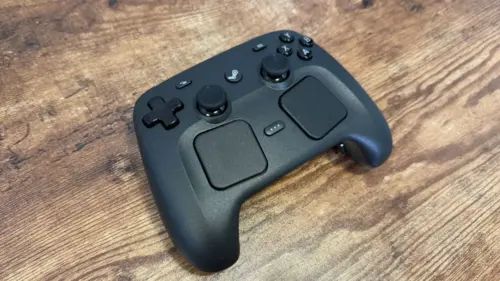
The patent, officially titled “Video Game Controller-Driven Information Transfer,” details a technological framework that would enable a PlayStation gamepad to securely process transactions whenever a user taps a credit card, a debit card, a smartphone equipped with mobile payment capabilities, or even physical gift cards directly against the hardware interface. Rather than navigating through cumbersome on-screen menus, typing in long credit card numbers using an analog stick, or opening separate digital storefront applications on a console dashboard, players could theoretically complete purchases through a simple near-field communication or similar tap-to-pay mechanism embedded right in their hands.
The intellectual property filing was originally submitted to intellectual property offices back in March 2025. However, it remained under wraps until it was officially published to the public record on September 17, subsequently catching the attention of industry researchers and gaming news outlets like Dexerto. While corporate patent publications do not always translate into immediate consumer-facing hardware features or commercial products, the documentation provides a fascinating glimpse into how major platform holders are continuously exploring methods to streamline e-commerce within the modern living room.
To understand the significance of this development, it helps to examine the current state of digital console transactions. Over the past decade, video game distribution has shifted dramatically away from physical media and toward digital storefronts. Millions of players now purchase entire game libraries, seasonal content passes, virtual currency, and cosmetic skins entirely online. While this digital transition has offered unprecedented convenience, the actual checkout process on consoles has historically remained somewhat tedious.
Currently, making a purchase on a PlayStation console typically requires navigating to the PlayStation Store, selecting an item, and choosing a payment method stored on the user’s account. If a player wishes to use a new credit card or add funds via a gift card code, they must manually input alphanumeric strings using an on-screen virtual keyboard—a process that is notoriously sluggish and prone to user error when managed with a game controller. Alternatively, users often rely on companion mobile applications or web browsers to manage their account balances and execute purchases remotely, which then sync back to their console hardware.
Sony’s newly surfaced patent seeks to eliminate this friction by bridging the physical gap between the player, the payment instrument, and the console ecosystem. By incorporating a secure data transfer mechanism directly into the body of the video game controller, the system would allow authentication tokens or payment credentials to be transmitted seamlessly. When a player taps their contactless card or smartphone against a designated zone on the gamepad, the controller would securely relay that data to the console, which in turn communicates with the digital storefront to authorize and complete the transaction in a matter of seconds.
This potential innovation also speaks to broader trends in consumer technology, where tap-to-pay functionality has become the ubiquitous standard for retail transactions across the globe. Consumers are increasingly accustomed to tapping their cards or mobile devices to pay for everything from public transit and groceries to restaurant meals and movie tickets. Bringing this frictionless habit into the realm of interactive entertainment represents a logical extension of modern payment habits, potentially lowering the psychological barrier to impulse purchases such as new character skins, battle passes, or newly released indie titles.
Furthermore, the inclusion of gift card compatibility in the patent description suggests that Sony is looking at ways to accommodate younger gamers or consumers who prefer not to link traditional credit or debit cards directly to an online gaming profile. Parents frequently purchase physical or digital PlayStation Network gift cards for their children as a way to control spending and manage household budgets. A controller-based tap system could make redeeming these gift cards significantly easier, allowing a user to simply tap the card against the controller to instantly credit the voucher’s value to their account balance without needing to scratch off panels or type out lengthy 12-digit codes.
As with any patent application published by a major technology corporation, it is essential to exercise caution regarding timelines and commercial deployment. Companies like Sony, Microsoft, and Nintendo routinely file thousands of patents every year to protect their research and development efforts, secure proprietary technology, and stake claims in emerging design concepts. Many of these patented ideas never make it past the conceptual or prototype stage, while others are heavily modified before eventually appearing in future hardware iterations, such as subsequent generations of consoles or revised accessory lineups.
Nevertheless, the publication of the "Video Game Controller-Driven Information Transfer" patent highlights the continuous behind-the-scenes engineering efforts aimed at refining the user experience within the PlayStation ecosystem. Whether this tap-to-pay controller functionality ultimately manifests in a future hardware revision or remains purely a conceptual design on paper, it underscores Sony’s ongoing interest in making digital commerce as seamless as possible for the global gaming community.

Leave a Reply