
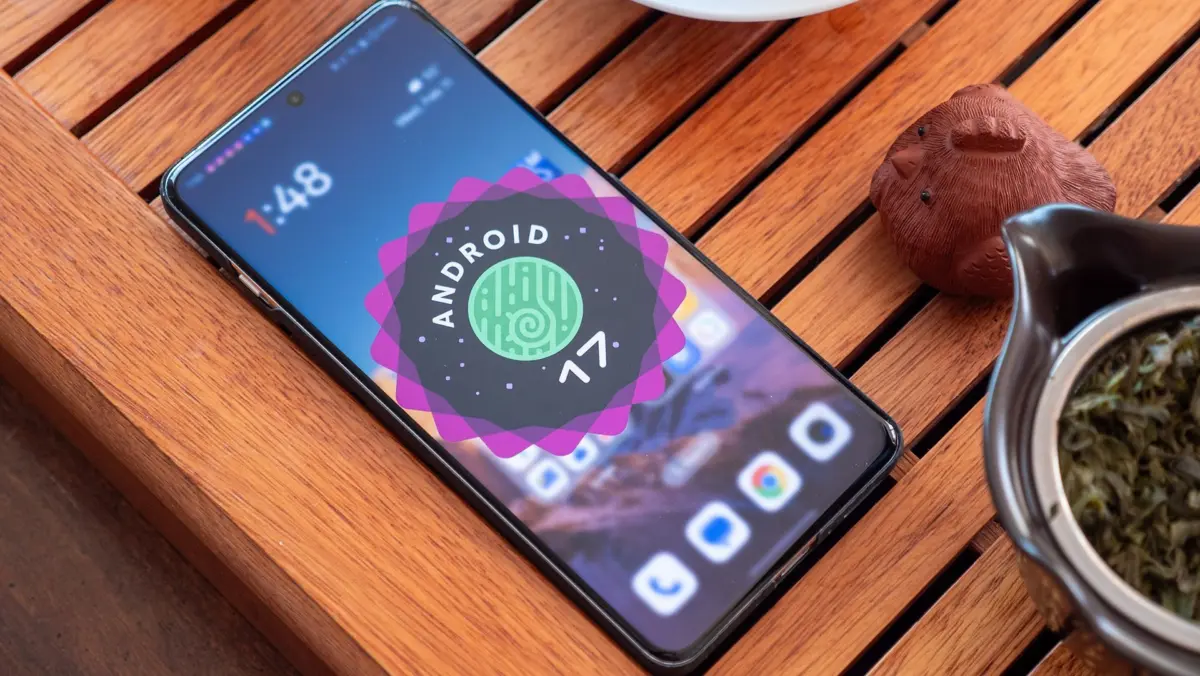
Google is expanding one of the most distinctive and helpful accessibility features introduced in its recent Pixel Drop to a much broader audience. Motion Assist, the software utility designed to alleviate the uncomfortable symptoms of motion sickness while using a smartphone inside a moving car, bus, or train, is officially rolling out to non-Pixel hardware through the latest Google Play services update.
Initially debuted on Google’s proprietary Pixel lineup during the September Feature Drop, the feature is now breaking out of its hardware exclusivity. According to the release details accompanying Google Play services version 26.37, users running Android 17 or a later operating system version will soon be able to access the anti-motion sickness tool, regardless of whether their device is manufactured by Google, Samsung, Motorola, or another Android ecosystem partner. This strategic rollout marks a significant shift toward democratizing niche quality-of-life features that were previously siloed within specific flagship hardware releases.
For commuters and travelers prone to reading, scrolling, or working on their mobile devices during transit, motion sickness has long been an inevitable hurdle. The medical consensus attributes motion sickness in vehicles to a sensory mismatch: the inner ear senses movement, but the eyes remain focused on a stationary object, such as a handheld screen. This discrepancy tricks the brain into perceiving a neurological conflict, frequently resulting in dizziness, nausea, and general discomfort.
Motion Assist seeks to bridge this sensory gap by mimicking a technique long utilized by rival platforms. Operating in a fashion strikingly similar to Apple’s vehicle motion cues feature on iOS, Google’s solution places subtle, animated visual markers—specifically, small visual bubbles—around the absolute perimeter of the smartphone display. Leveraging the device’s internal motion sensors, these graphical elements dynamically shift, drift, and bounce in real time, moving in precise synchronization with the acceleration, deceleration, and turning of the vehicle.
By providing the user’s peripheral vision with a consistent, moving frame of reference that mirrors the actual physical motion of the vehicle, the visual cues help recalibrate the brain’s understanding of movement. The theoretical and practical result is a significant reduction in the sensory conflict that triggers motion sickness, making it vastly easier to glance at navigation instructions, reply to text messages, or read articles while on the road without enduring sudden waves of nausea.
To ensure the feature seamlessly integrates into daily use without becoming an ongoing visual distraction, Google has built robust customization options into Motion Assist. Users are not locked into a single preset aesthetic; instead, they can fine-tune the appearance of the animated bubbles to suit their preferences. This includes adjusting the opacity, changing the color palette, and altering the shape of the visual indicators. Furthermore, the functionality is designed to be intelligent and unobtrusive. Motion Assist can be configured to activate automatically the exact moment the phone’s internal hardware detects that the user has entered a moving vehicle. Alternatively, users who prefer manual control can toggle the feature on and off directly through the Quick Settings panel with a single tap, offering complete flexibility depending on whether they are driving, riding shotgun, or utilizing public transportation.
The inclusion of Motion Assist in the Google Play services v26.37 update is part of a broader, sweeping package of improvements deployed by Google to enhance the overall Android experience. The September 21 software updates encompass a wide variety of systemic refinements that stretch far beyond motion sickness mitigation. Among these updates is a concentrated effort to streamline the integration between Android smartphones and Wear OS smartwatches, specifically by making it easier and more efficient to transfer real-time health metrics seamlessly from the wrist-worn device to the primary mobile display.
Additionally, Google is introducing structural refinements to the operating system’s software settings, such as making the Driving Do Not Disturb mode significantly easier to locate and activate for drivers concerned about road safety. Typographical and stylistic adjustments are also arriving in the form of larger, more polished, and more refined system emoji fonts, modernizing the visual language across the entire Android ecosystem.
Concurrently, the companion Google Play Store version 53.3 update brings a series of regional commerce enhancements and functional tweaks. Users in specific emerging digital markets, including Argentina, Azerbaijan, Uzbekistan, and Ethiopia, will now benefit from localized currency purchasing options, simplifying digital transactions within the storefront. The update also includes modifications to Wear OS search result algorithms to deliver more relevant application and media discoveries on smartwatches. Another notable user-experience addition is the capability to add a pre-registered paid mobile application or video game directly to a user’s wishlist ahead of its official commercial launch, allowing consumers to curate their future downloads more effectively.
As these updates continue to push outward, the full and comprehensive changelog remains publicly accessible via Google’s official support documentation pages. Android users operating on compatible system versions are advised to watch their system settings over the coming days as the phased rollout reaches their individual devices, promising a more comfortable, nausea-free journey during the next daily commute or long-distance road trip.
Leave a Reply