
For many smartphone users, the daily commute or a mundane wait in a reception area calls for a specific genre of digital entertainment. Casual mobile puzzles that rely on sorting, untangling, or systematically disassembling components provide a reliable refuge for an overstimulated nervous system. These lightweight experiences demand minimal intellectual or emotional investment, offering a brief mental escape from the demands of daily life.
Among the myriad casual titles populating app stores, a new contender has captured the attention of puzzle enthusiasts worldwide. Meowdoku, a cat-themed spin on classic number logic, has rapidly transformed from an omnipresent social media advertisement into a genuine mobile gaming phenomenon. Despite initial skepticism driven by aggressive advertising campaigns across platforms, many users who finally gave in to the impulse have found themselves pleasantly surprised by the game’s clever design, even as they grapple with one glaring structural flaw in its distribution.
The Perfect Cat-Themed Brain Teaser to Unwind
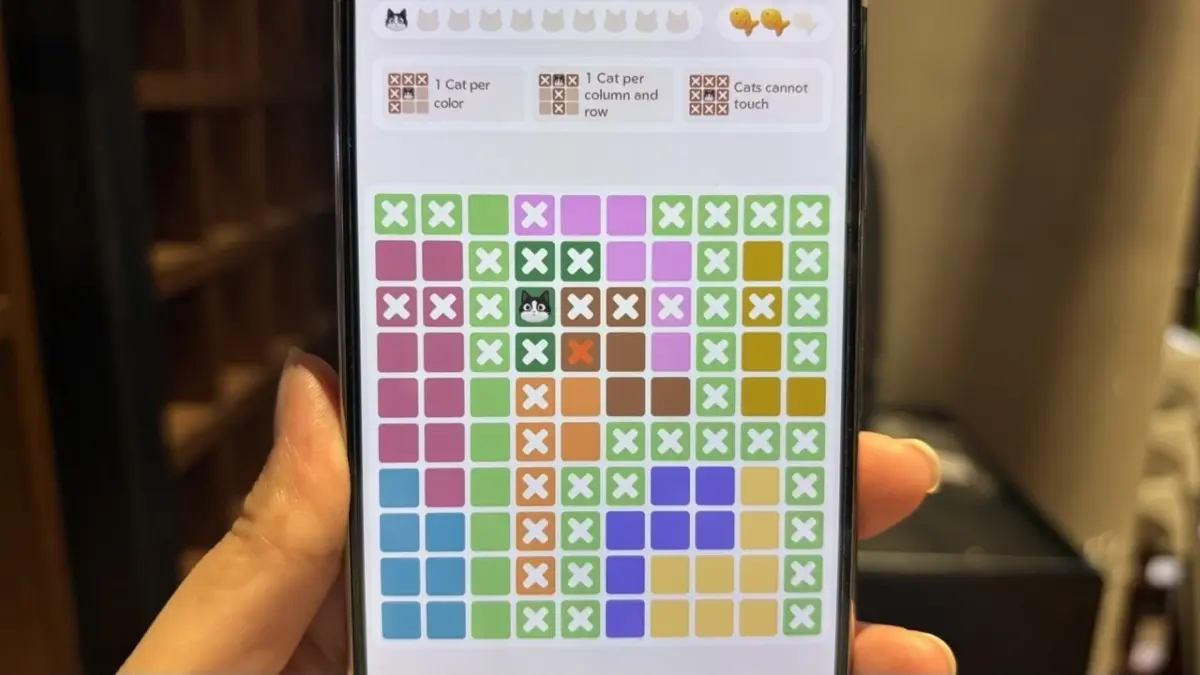
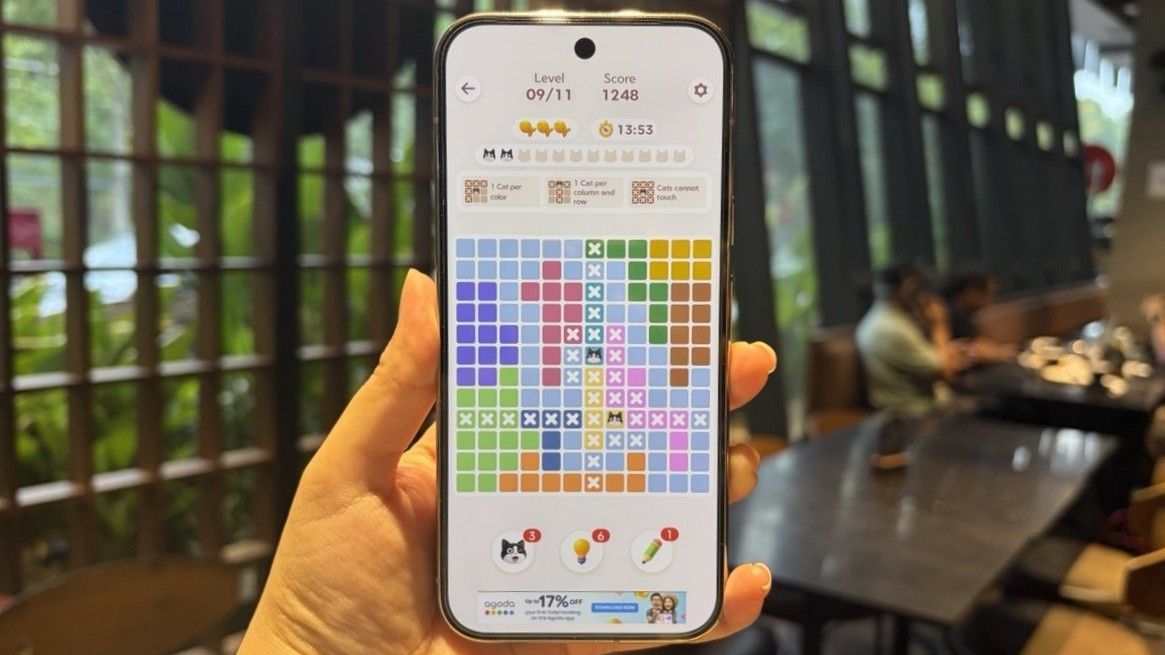
At its core, Meowdoku takes the foundational logic of traditional Sudoku and replaces numerical digits with charming felines and vibrant colors. Traditional Sudoku governs rows and columns through numeric placement, but this feline adaptation applies a similar principle with distinct constraints: players must ensure there is only one cat per designated row and column.
The game layers additional rules on top of this basic grid framework. Alongside the restriction of one cat per color, the puzzles dictate that felines cannot occupy neighboring blocks. Players must synthesize these cardinal rules to successfully locate and place all ten cats required to complete each individual level. Introducing an extra layer of tension, the game grants players only three allowable mistakes for incorrect cat placements per round; a fourth error results in a failed level, forcing the user to restart from the beginning.
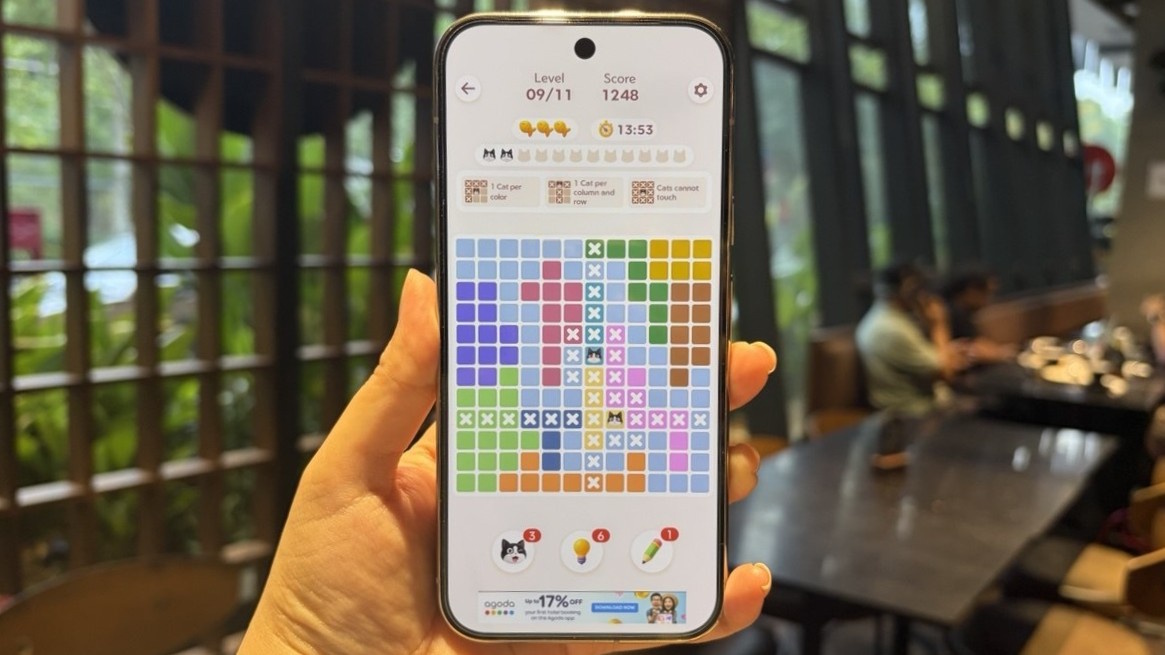
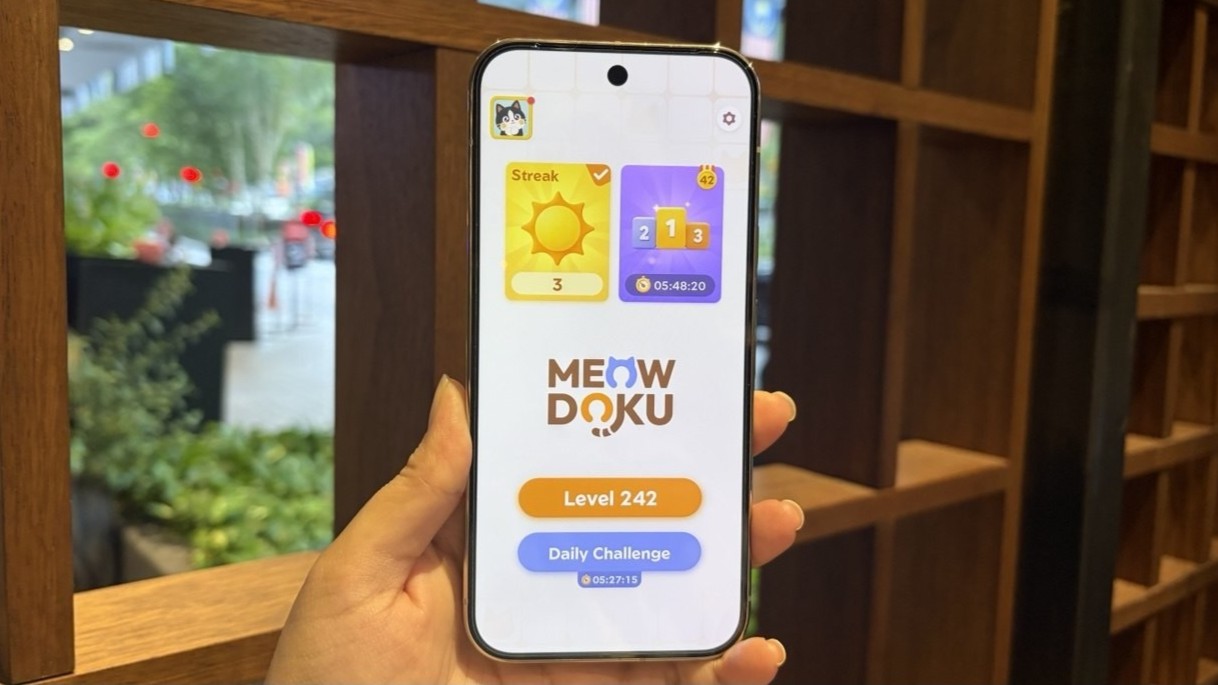
To assist players through trickier configurations, some levels feature pre-placed cats to help establish a foothold. Additionally, the game incorporates a limited hint system that can be replenished either through in-game reward mechanics or by viewing promotional videos. Beyond the standard progression of levels, the application also offers a daily challenge mode to keep returning players engaged with fresh content.
For long-time fans of classic number puzzles who have grown weary of predictable grid layouts, the adaptation offers a refreshing and visually appealing alternative. The thematic shift successfully captures the deductive essence of traditional grid logic while introducing a playful aesthetic that resonates strongly with casual gamers.
High Engagement Clashes With an Absence of an Ad-Free Option
While the gameplay loop has proven compelling enough to displace classic puzzle applications from many users’ home screens, the user experience is heavily marred by monetization choices implemented by the developer, Oakever Games. The primary point of contention centers on the sheer volume of mandatory advertisements integrated into the experience.
Players are routinely confronted with full-screen promotional videos immediately following almost every single completed level. This constant interruption breaks the soothing, meditative flow that casual puzzle games typically strive to provide. Compounding this frustration is a glaring omission within the app’s settings: Android users currently have no option to purchase a premium, ad-free version.
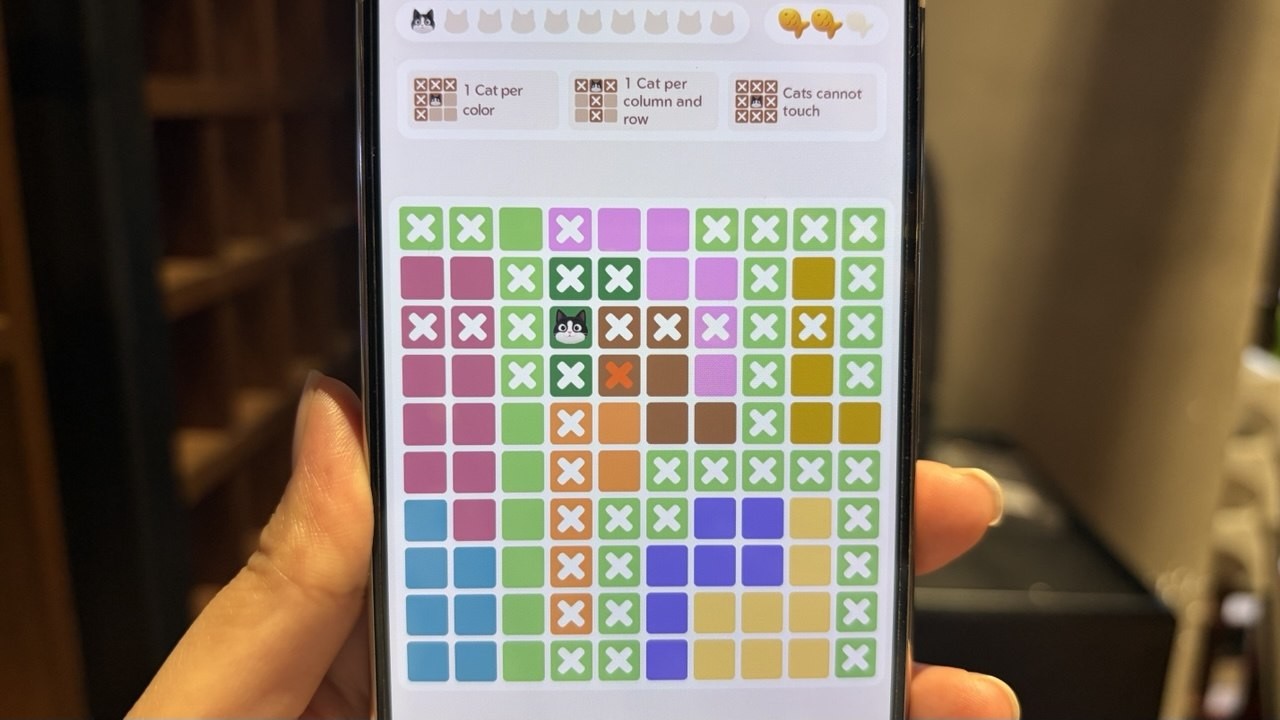
The lack of a paid tier to remove advertisements has sparked widespread discussion across digital communities. Across video-sharing platforms, social media networks, and dedicated online forums, players frequently exchange workarounds and vent their frustrations regarding the relentless ad pacing. The overwhelming demand for a paid upgrade suggests a significant missed opportunity for the developers to monetize their player base through voluntary purchases rather than forced interruptions.
Despite the friction caused by continuous advertising, the core appeal of the puzzle design remains strong enough to retain a dedicated following. Users continue to navigate the ad-heavy environment simply because the gameplay strikes the right balance between relaxation and mental stimulation. Whether the developers will eventually respond to community feedback by introducing an ad-free tier remains to be seen, but the title’s viral momentum shows no sign of slowing down.


Leave a Reply