

Stray Kids stands firmly among the most dominant forces in the modern global music industry. With nine Billboard 200 number-one albums and massive stadium tours spanning multiple continents, the acclaimed K-pop group commands an enormous, highly dedicated international following. However, that extraordinary level of popularity also brings distinct and persistent challenges. When the group or its individual members release new music, unofficial copies almost invariably begin to circulate within hours across the internet, finding a home far beyond the usual shadowy pirate websites.
The modern digital music ecosystem has inadvertently made this type of exploitation surprisingly straightforward. Independent music distributors have democratized the process of getting a song into legitimate, mainstream digital service providers. For a modest yearly fee, independent creators and aspiring artists can gain access to automated distribution services such as DistroKid, TuneCore, or Symphonic. By uploading an audio file through these platforms, users can secure official distribution on mainstream storefronts like Apple Music and Spotify, where the unauthorized tracks sit right alongside the work of the music industry’s biggest global stars, complete with industry-standard ISRC codes, UPC barcodes, and auto-generated YouTube art tracks.
While this system has successfully opened doors for independent artists worldwide, it simultaneously creates vulnerabilities that bad actors can easily exploit to distribute bootlegs, unreleased demos, and pirated tracks. Earlier this year, this precise vulnerability was weaponized against Stray Kids member Han, highlighting a growing loophole in the digital supply chain of major music labels.
Bootleg Shows Up on Music Platforms
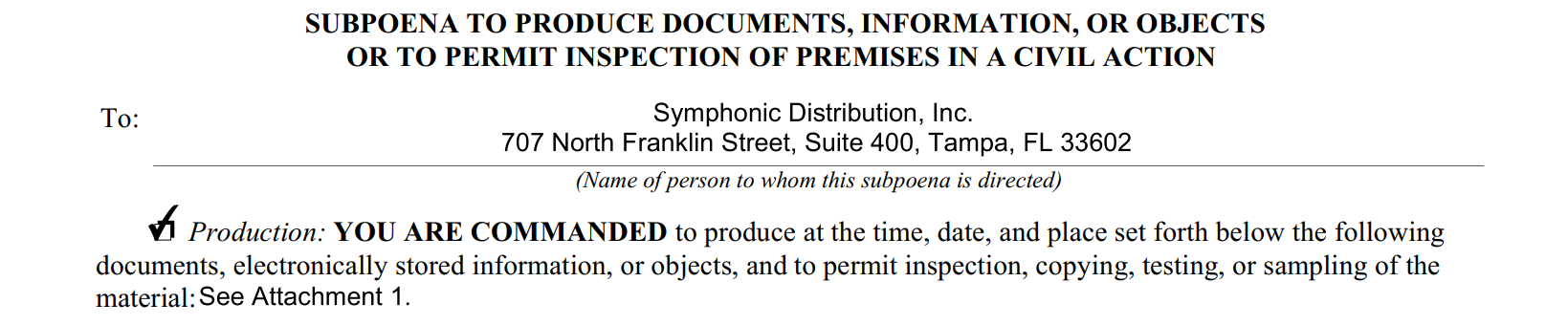
The situation began on May 9, when entertainment label JYP Entertainment published a solo track by Han titled "back to life" as a video on the official Stray Kids YouTube channel. The release was part of the group’s popular SKZ-PLAYER series, a platform dedicated to sharing unreleased or special solo projects directly with fans. True to the typical release strategy for this series, the song was deliberately kept off commercial streaming platforms at the time of its premiere.
Despite this limited and controlled release schedule, the new track rapidly gained intense traction among the fanbase. Unfortunately, that organic enthusiasm also created a market for unauthorized exploitation. Ripped audio files quickly began spreading across various social media channels and dedicated pirate forums.
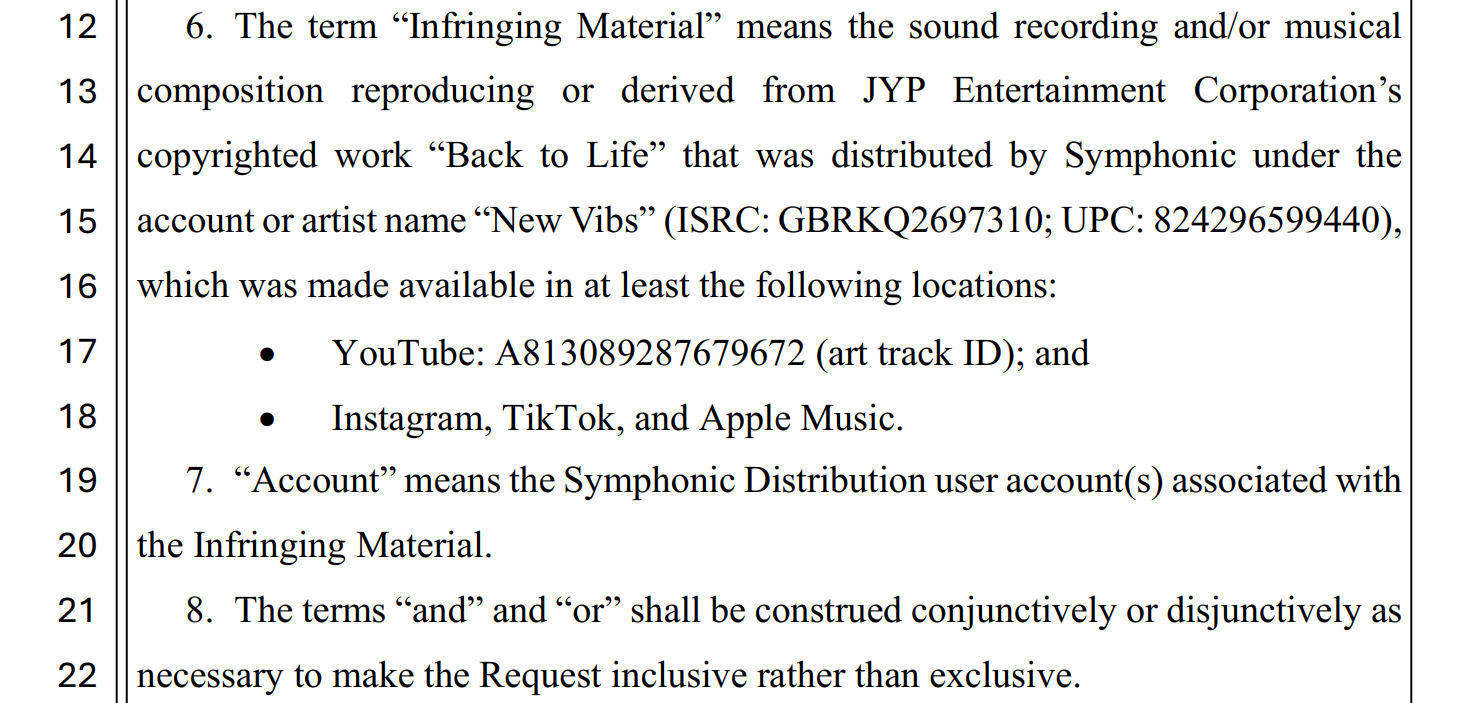
The infringement quickly escalated beyond simple peer-to-peer sharing and social media video clips. JYP Entertainment soon discovered that the track had appeared through official channels on major platforms including YouTube, Instagram, TikTok, and Apple Music. The song had been uploaded under the artist pseudonym "New Vibs" and published through the independent music distribution service Symphonic.
From DMCA Takedown to DMCA Subpoena
Alerted to the unauthorized distribution, legal representatives for Stray Kids acted swiftly in May. The label issued a formal Digital Millennium Copyright Act (DMCA) takedown notice to the Tampa-based independent distributor Symphonic Distribution, urging the company to immediately remove the infringing content. Similar copyright infringement notices were presumably dispatched to the individual tech platforms hosting the files.
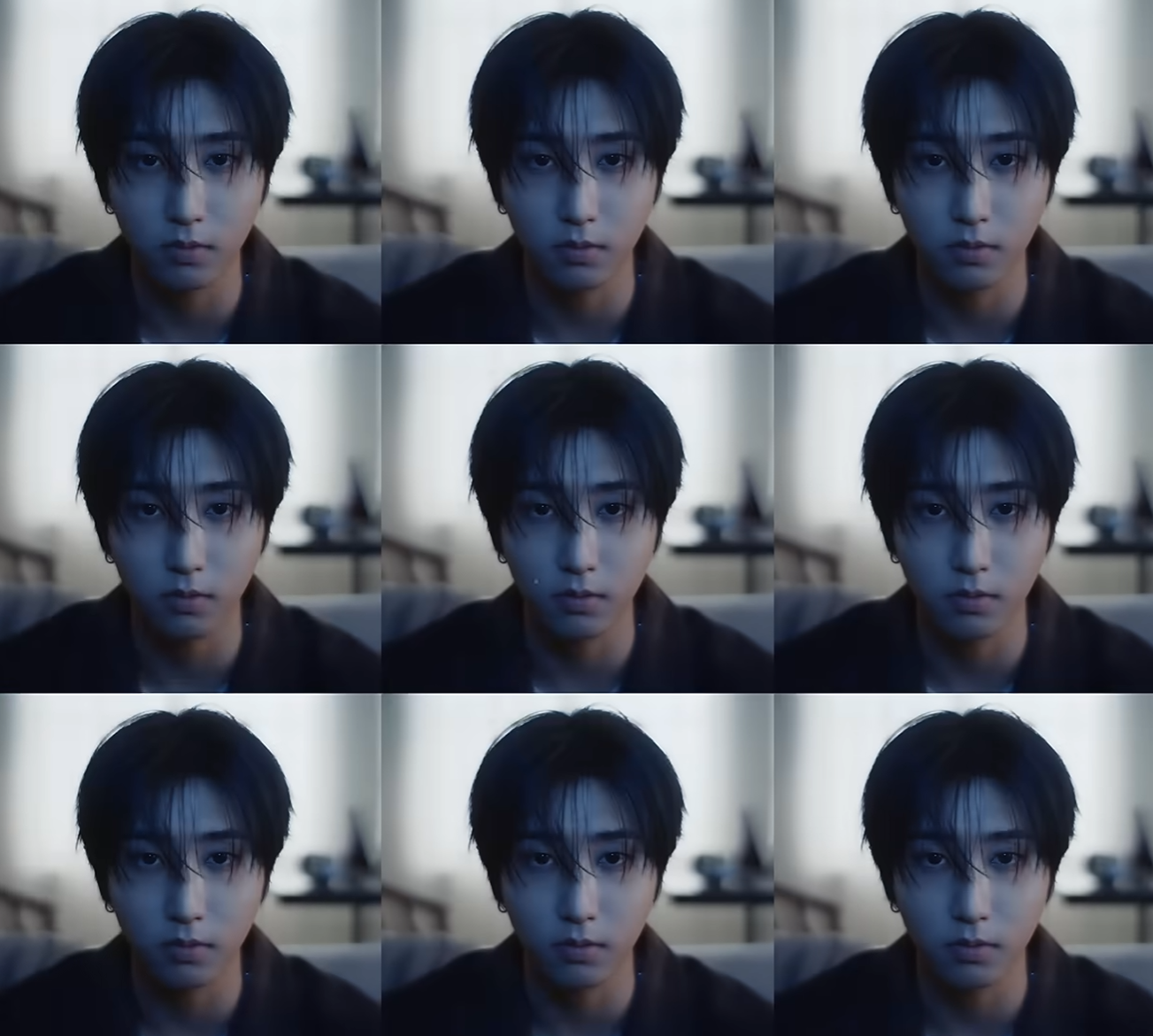
The formal notice explicitly identified a release titled "Back to life" attributed to the artist name "New Vibs," which had been funneled through Symphonic’s infrastructure to YouTube, Instagram, TikTok, and Apple Music. Emphasizing the gravity of the situation, the label warned in the notice that if the infringing content was not removed promptly, they would have no choice but to pursue formal legal action to protect their intellectual property rights.
Symphonic’s legal and compliance team acknowledged receipt of the notice and confirmed that they would investigate the matter internally. Meanwhile, as the unauthorized distribution created lingering confusion and sustained consumer demand for the track, JYP Entertainment eventually proceeded with an official release of "back to life" on streaming platforms weeks after the bootleg first surfaced.
While that official commercial release could have theoretically brought a close to the matter for casual observers, the label has proven unwilling to let the mysterious "New Vibs" account holder off the hook without further accountability.
Names, IP Addresses, and Bank Details
Seeking deeper accountability, legal counsel for JYP Entertainment at the firm Arnold & Porter filed a formal DMCA subpoena application in a federal court in California, targeting Symphonic to identify the individual or entity operating the "New Vibs" account.
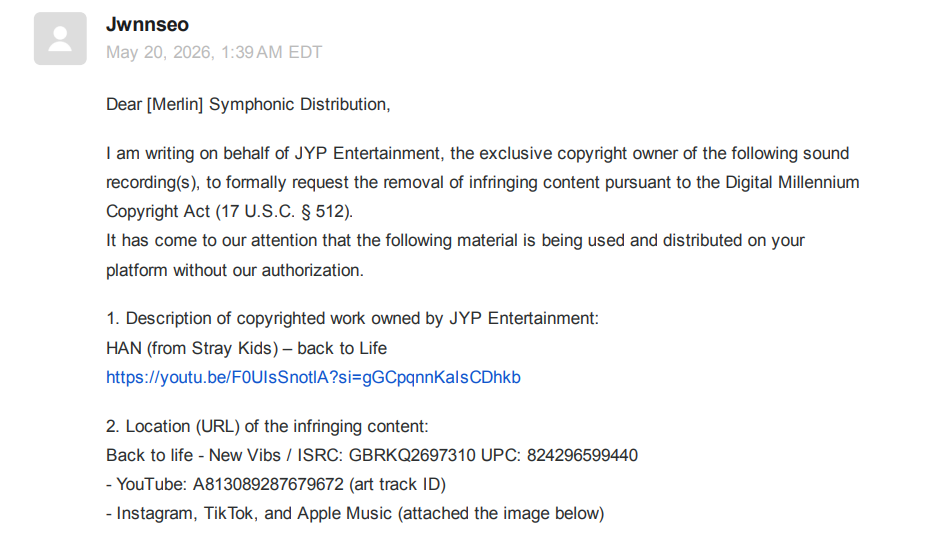
These specialized DMCA subpoenas are designed specifically to target online intermediaries. They provide copyright holders with a streamlined legal mechanism to request identifying information regarding alleged infringers directly from platforms or distributors without the immediate requirement of filing a full-scale copyright infringement lawsuit. Under the statutory framework, a signature from a court clerk is typically sufficient to compel the intermediary to disclose the requested data.
The sweeping subpoena application filed by JYP seeks any and all information housed within Symphonic’s systems that could assist in unmasking the person behind the bootleg operation. Specifically, the label has requested the true identities, including legal names, physical addresses, IP addresses, telephone numbers, email addresses, payment information, account updates, and complete account histories associated with the Symphonic user account in question.
To trace the financial trail of the operation, the requested disclosures also encompass detailed payment records for the alleged copyright infringer, including specific bank routing numbers, account numbers, and any associated financial billing addresses. The legal team hopes that following this money trail will provide a definitive path to the ultimate culprit.
Whether Symphonic will choose to comply with the requests directly or whether the account holder behind the pseudonym will step forward in court to challenge the subpoena remains to be seen. According to public records and available information, the court clerk has yet to formally issue the subpoena.
Symphonic Distribution subsequently responded to inquiries regarding the situation through a corporate representative, emphasizing that the company took immediate action upon receiving the initial copyright complaint in May and has received no further communication from the label since that time.
A company representative stated that as soon as the claim was received in May, the content was removed from all digital service providers, and the specific account used to distribute the link was terminated. The company added that it has not received any further correspondence or follow-up communications on the issue from JYP Entertainment since the initial notice was handled.
Copies of JYP Entertainment’s initial DMCA subpoena application, along with the proposed subpoena documents and additional legal exhibits, have been made publicly available through court filings.
Leave a Reply