
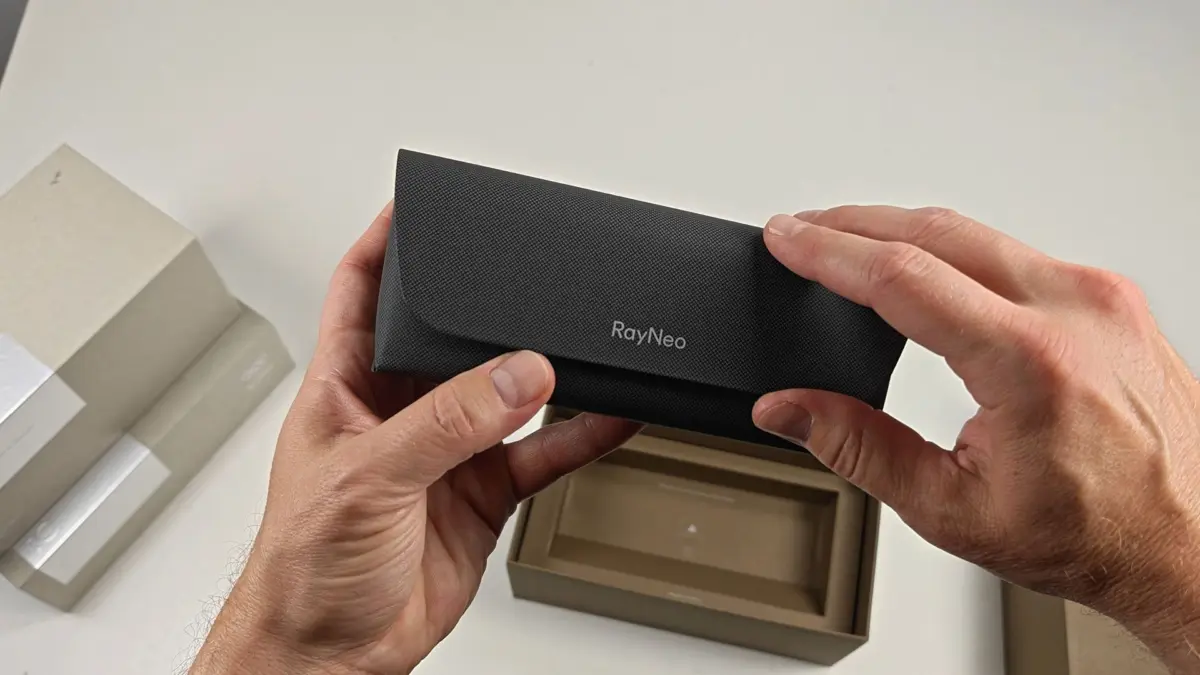
The fast-paced and intensely competitive market for consumer smart glasses has welcomed another notable contender. Following closely on the heels of previous releases like the Air 4 Pro, technology manufacturer RayNeo has returned with a new addition to its product lineup aimed squarely at the aggressive $300 price segment. Dubbed simply the RayNeo GT, the new wearable introduces a streamlined naming convention alongside substantial design refinements and hardware upgrades, positioning it as a formidable option in what has quickly become one of the most fiercely contested categories in modern wearable technology.
Maintaining the exact same $299 retail price point as its predecessor, the RayNeo Air 4 Pro, the new GT glasses manage to shave off eight grams of weight while introducing a series of high-end capabilities. Among the most significant internal additions is a native three degrees of freedom (3DoF) spatial tracking chip, which operates alongside the Vision 4000 chipset. This silicon pairing enables advanced features such as standard-dynamic-range (SDR) to high-dynamic-range (HDR) conversion and an exceptionally high 3840Hz pulse-width modulation (PWM) dimming rate, which significantly reduces screen flicker and visual fatigue during extended viewing sessions.
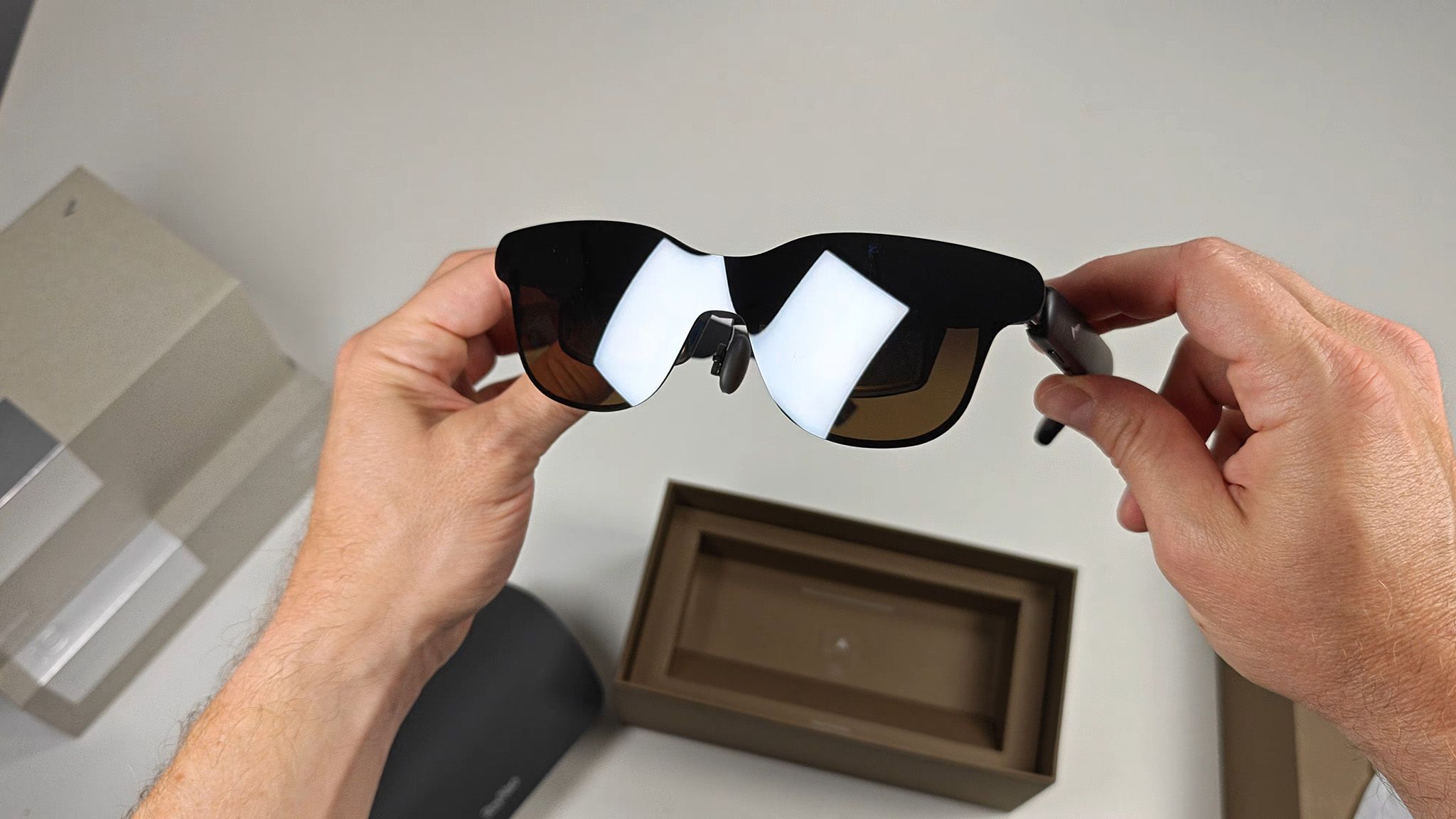
Like many competing products in this device category, the RayNeo GT features a standard 47-degree field of view (FoV). However, the manufacturer has chosen to upgrade several critical aspects of the user experience to ensure the hardware stands out against established rivals. These targeted enhancements address long-standing ergonomic and visual challenges that have historically limited the mass-market appeal of augmented reality and virtual display glasses.
One of the most notable ergonomic improvements is the introduction of three distinct interpupillary distance (IPD) size options, designed to accommodate a much broader range of facial structures and eye alignments. Previous generations of RayNeo hardware largely assumed a standardized fit that worked reasonably well for users with a 64mm IPD, but individuals with wider or narrower measurements frequently struggled with visual clarity and eye strain. With the new GT series, prospective buyers can select from a small size tailored for an IPD of 63 or lower, a medium size covering 64 to 71mm, and a large size built for an IPD of 68 and above. Furthermore, users can manually adjust the digital screen size directly within the glasses interface, providing an added layer of scaling flexibility for different types of media content—a feature that remains rare within this specific price bracket.
Beyond IPD adjustments, the physical fit has been redesigned to maximize long-term comfort. Initial wear tests indicate that the default display alignment can occasionally rest slightly too low for certain users, but this can be easily corrected by adjusting the width of the nosepiece to perfectly center the virtual screen in the wearer’s line of sight. Combined with the low-flicker performance delivered by the high PWM dimming rate, these modifications allow for prolonged usage without inducing physical discomfort. Additionally, the inclusion of soft temple pads prevents excessive pressure and fatigue around the ears and sides of the head during extended viewing periods.
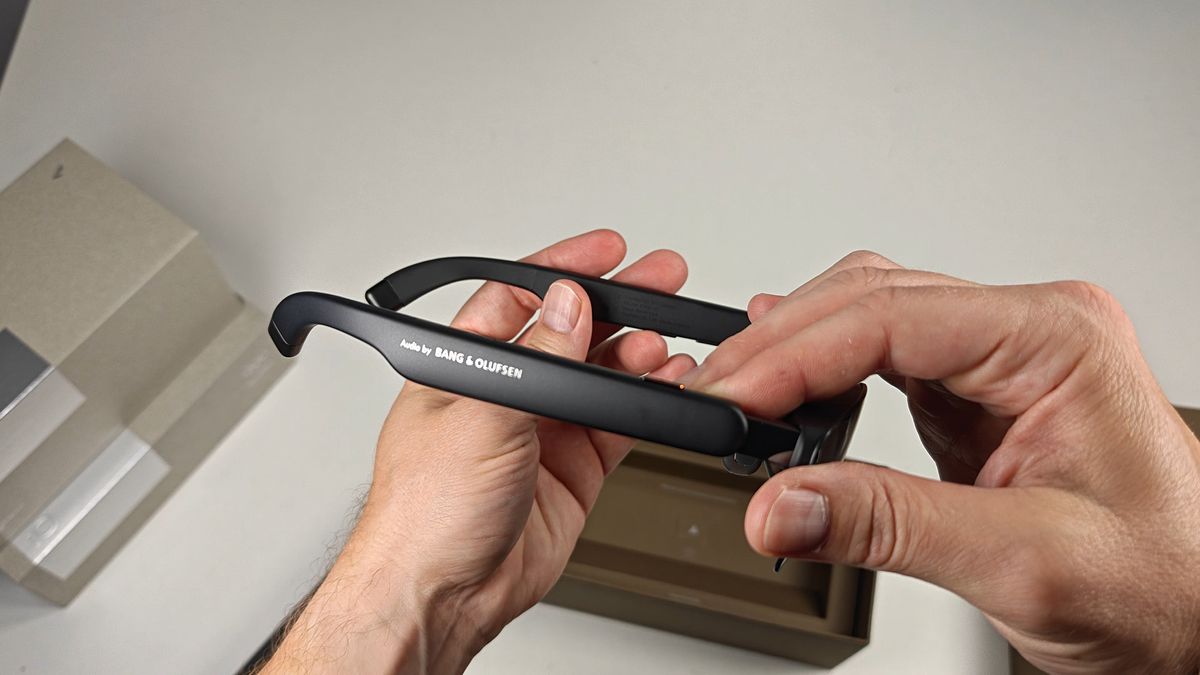
The newly integrated 3DoF spatial tracking system also marks a major functional leap forward for the hardware platform. Users can seamlessly toggle between steady, anchor, and traditional zero degrees of freedom (0DoF) follow modes simply by pressing a dedicated button located conveniently on the top of the right temple piece. While spatial tracking modes provide stable virtual screen placement, the 0DoF follow mode remains the preferred choice for individuals who are particularly sensitive to flicker, as spatial tracking modes introduce low-persistence flickering and black frame insertion to maintain motion stability.
On the multimedia front, RayNeo has equipped the GT glasses with native 10-bit micro-OLED displays alongside software-level decoding support for 12-bit Dolby Vision content. To unlock the full potential of these visual specifications, the glasses must be paired with an external playback device, such as RayNeo’s proprietary Pocket TV accessory. This compact controller effectively transforms the connected smart glasses into a fully functional Google TV system that fits easily into a pocket. While the device functions exceptionally well as an online streaming hub, it does feature certain practical limitations regarding offline content downloads, meaning users requiring extensive offline media playback may find better results routing their content through a standard smartphone.
Audio performance has also received considerable attention. The open-ear speaker array utilizes a four-speaker layout that delivers surprisingly high audio fidelity and ample volume without requiring physical ear insertions. While the specialized sound tubes included with previous models like the Air 4 Pro are absent from the standard package, they remain available as separate aftermarket accessories for users who prefer a more direct acoustic experience. Nevertheless, the default open-ear architecture proves more than capable of delivering clear sound for movies, gaming, and casual media consumption.
Despite these impressive technical credentials, the RayNeo GT is not without its limitations. The most prominent drawback involves the optical lenses, which lack any form of built-in tinting or electrochromic dimming capabilities. Although the internal micro-OLED panels are capable of producing high levels of brightness, ambient lighting can easily wash out the projected image in brightly lit environments. While this characteristic poses little issue in darkened settings such as an airplane cabin or a dimly lit room, it can significantly impact visibility in standard indoor or outdoor lighting conditions. Prospective buyers planning to use the glasses in varied environments would be well-advised to acquire an external light-blocking cover.
Ultimately, the RayNeo GT represents a compelling and highly competitive option within the sub-$300 smart glasses market. By combining thoughtful ergonomic customizations, reliable spatial tracking, and robust display technologies, RayNeo has crafted a versatile wearable that addresses many of the industry’s previous shortcomings. For consumers seeking alternative modular configurations within a similar price and feature ecosystem, competing devices such as the Xreal XBX A01+ continue to serve as viable benchmarks, yet the RayNeo GT firmly establishes itself as a major step forward for the brand.

Leave a Reply