
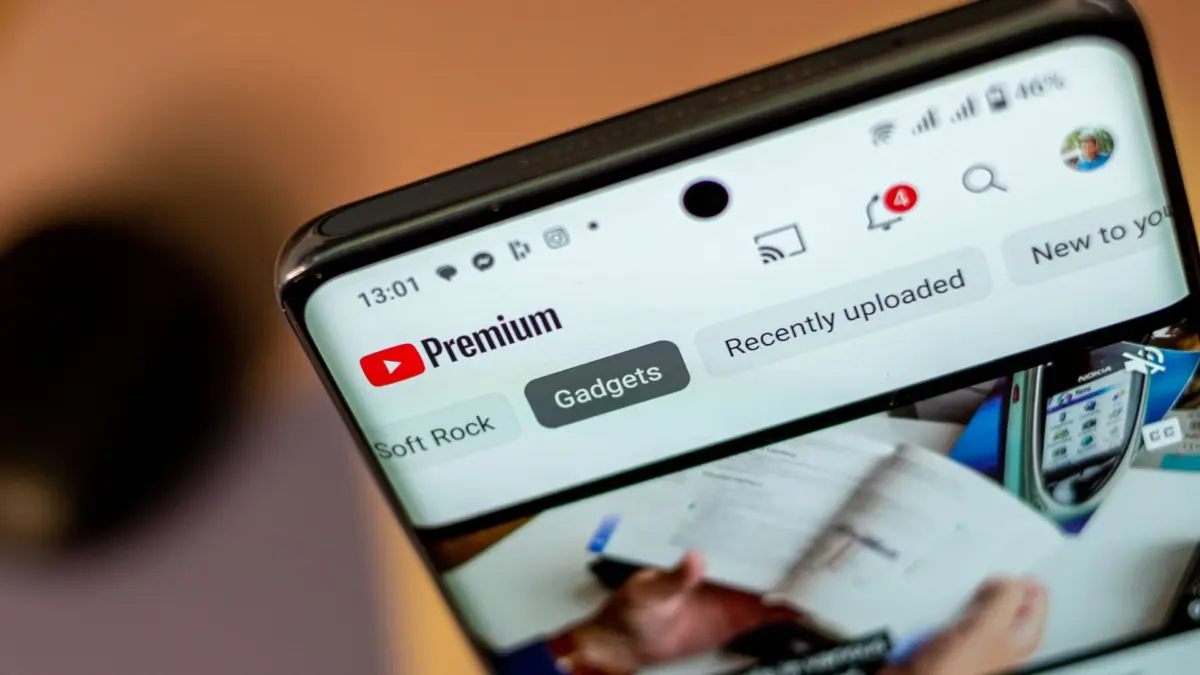
Audiobook enthusiasts may soon find a major new platform entering the spoken-word market. According to recent industry reports, YouTube is actively exploring plans to integrate audiobooks into its subscription offerings, a move that could significantly alter the competitive landscape for digital media consumption.
Industry rumblings brought to light by The Wall Street Journal indicate that Google has begun preliminary discussions with book publishers regarding the potential introduction of audiobooks to YouTube. While corporate timelines remain fluid and subject to change, these discussions point toward a targeted rollout around 2027. If these plans materialize, they could fold a massive library of literary works directly into YouTube’s existing ad-free Premium tier, which currently costs subscribers roughly $16 a month.
The prospect of YouTube entering the audiobook arena addresses a unique and surprisingly widespread phenomenon currently affecting the platform: digital piracy. Recent coverage by GoodEReader highlighted striking industry data suggesting that a staggering 45 percent of individuals who consume "audiobooks" on YouTube are actually listening to unofficial, unauthorized versions. Crucially, a massive portion of these uploads consists of artificial intelligence-generated narrations rather than professionally produced, authentic recordings by human voice actors.
By officially licensing and integrating legitimate audiobooks into a trusted subscription framework, YouTube could potentially starve out the ecosystem of illicit, AI-narrated duplicates that currently clutter search results. For consumers, official integration would guarantee a high-quality listening experience complete with professional narration, proper author attribution, and seamless device synchronization, all while ensuring that publishers and creators are fairly compensated for their intellectual property.
However, industry observers are quick to note that these initiatives are still in the rumor stage. Google and YouTube have not yet made any official announcements or public confirmations regarding a definitive entry into the audiobook market.
YouTube’s Ongoing Strategic Expansion
The idea of YouTube branching out beyond traditional user-generated video content is part of a broader corporate strategy to diversify its service offerings and maximize the value proposition of its paid memberships. Over the years, YouTube Premium has evolved from a simple ad-free viewing tool into a comprehensive entertainment package that bundles background play, offline downloads, and YouTube Music.
Transitioning into audiobooks represents a logical, albeit challenging, step into a mature market heavily defended by entrenched competitors. For decades, Amazon’s Audible has stood as the undisputed heavyweight champion of the audiobook industry, defining how consumers purchase and listen to spoken-word literature. More recently, however, the digital audio battlefield has grown increasingly crowded.
Spotify launched a major challenge to Audible by introducing audiobooks directly into its Spotify Premium subscriptions, initially offering users in the United States and the United Kingdom a designated 15 hours of listening per month from a massive catalog of over 200,000 titles. That strategic pivot forced a paradigm shift in how consumers expect to access books, moving away from strict a la carte purchases and toward subscription-based consumption models.
Under Spotify’s initial model, once listeners exhausted their monthly 15-hour allotment, they were given the option to purchase additional ten-hour top-up packs or buy titles individually. Spotify later expanded its framework by introducing a dedicated "Audiobook Access" tier priced at $9.99 a month, mirroring the same 15-hour monthly listening allowance for users who did not want the full music-streaming package.
Given this aggressive competition from Spotify, alongside Audible’s deeply loyal subscriber base, YouTube will undoubtedly have its work cut out for it should it decide to move forward with a 2027 launch. Cultural associations play a powerful role in consumer habits; when most people think of Spotify, they think of music, and when they think of Audible, they think of audiobooks. For the average consumer, YouTube remains fundamentally anchored to user-generated video content, music videos, and independent creators rather than long-form literature.
Market analysts and tech commentators alike have expressed curiosity regarding the exact size of the addressable market remaining for YouTube to capture. Yet, the sheer volume of consumption surrounding unauthorized and AI-generated audio material on the site suggests that a latent, highly active demand for spoken-word content already exists among the platform’s billions of active users. Capitalizing on that existing engagement by offering a legal, polished alternative could prove to be a powerful disruptive force in the digital publishing industry over the coming years.
Leave a Reply