
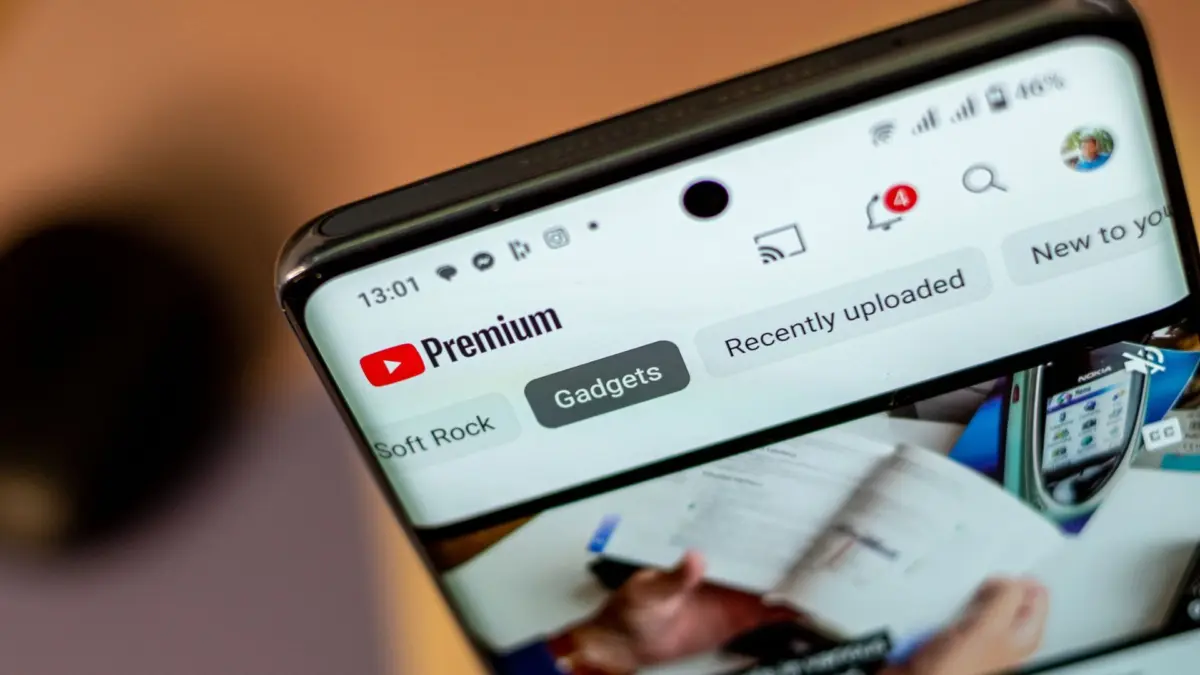
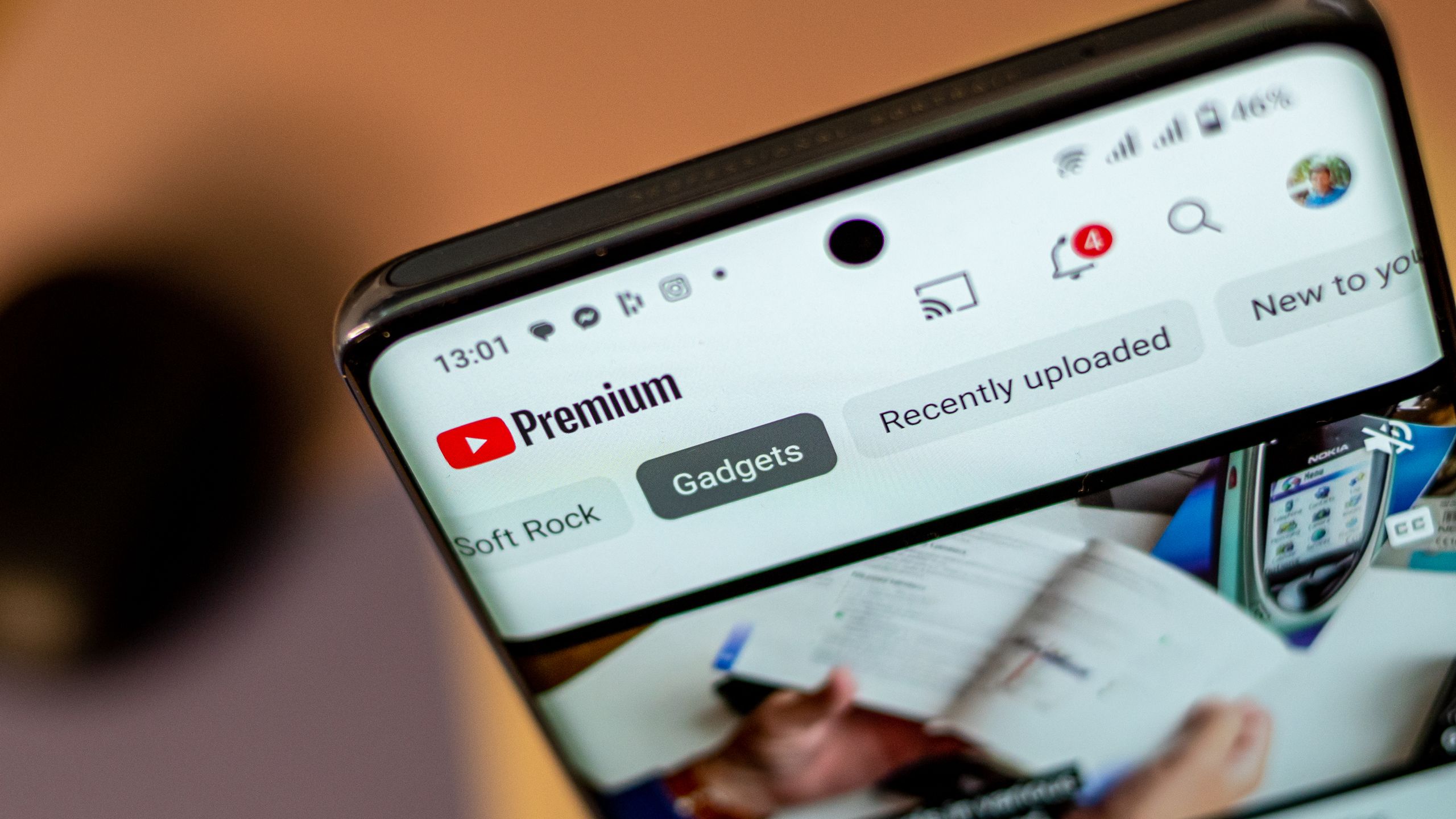
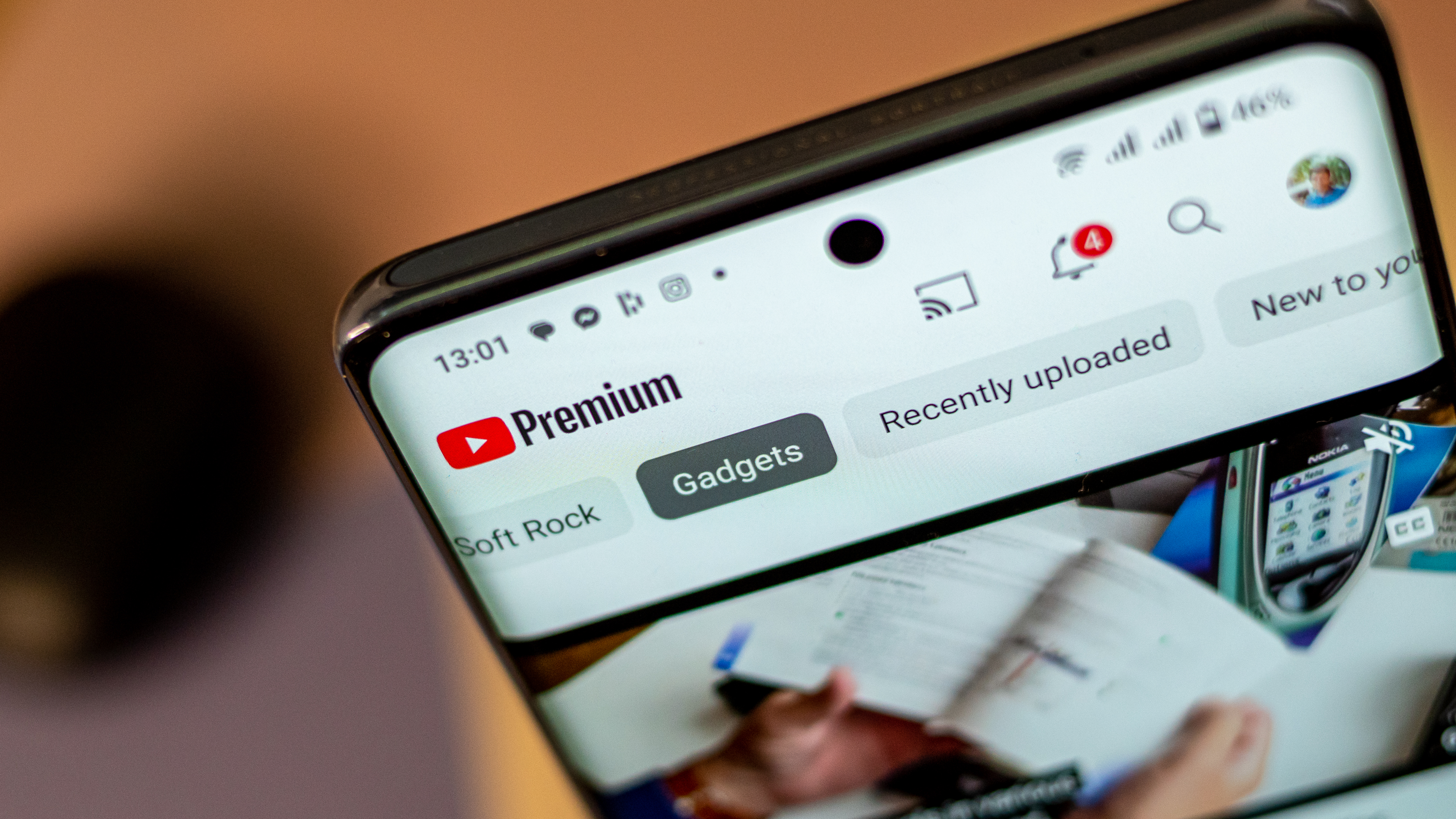
Audiobook enthusiasts and digital media consumers may soon have an entirely new platform to add to their listening routines. Recent industry reports suggest that YouTube is actively exploring a major expansion into the audiobook market, potentially integrating long-form spoken-word content directly into its existing Premium subscription tiers as early as 2027.
According to reports initially highlighted by The Wall Street Journal, parent company Google has reportedly been engaged in preliminary discussions with various book publishers. The goal of these talks is to lay the groundwork for a legitimate, high-quality audiobook ecosystem housed within the world’s largest video-sharing platform. While official confirmations from YouTube remain absent and details are still emerging, the prospect of an ad-free audiobook offering signals a notable strategic shift for a platform historically defined by user-generated video, music streaming, and short-form content.
If the initiative moves forward as rumored, the integration would target YouTube’s ad-free subscription plan, which currently costs consumers roughly $16 per month. Beyond offering subscribers a fresh form of entertainment, industry analysts note that an official offering could strategically address a persistent underlying challenge plaguing the platform: digital piracy and unauthorized uploads.
Examining the Underground AI Audiobook Phenomenon on YouTube
For years, copyright holders and independent authors have battled an unorthodox wave of infringement across digital video platforms. Data highlighted by digital publishing outlets like GoodEReader suggests that a staggering portion of consumers—roughly 45 percent of self-reported listeners—have encountered or consumed what they believe to be audiobooks hosted on YouTube. However, a significant percentage of these titles are unauthorized, often generated illicitly using artificial intelligence text-to-speech technology rather than being professionally recorded by authentic narrators.
This underground market of AI-narrated clones and ripped content has created a complex moderation headache for content platforms. By introducing a fully licensed, high-quality catalog of official audiobooks backed by major publishers, YouTube could effectively neutralize a substantial portion of this illicit traffic. Subscribers would gain access to authorized, professionally produced titles in a seamless, centralized environment, eliminating the need to sift through unverified, synthetic recordings of questionable origin.
Despite the logical appeal of solving a piracy problem while adding tangible value to a monthly subscription, industry observers have raised questions about how natural the transition will be for everyday users. Brand association plays a powerful psychological role in consumer habits. When users think of Spotify, they immediately think of music and, increasingly, curated audiobooks. When they think of Audible, they think of the gold standard for dedicated audiobook purchasing and subscriptions. When average consumers think of YouTube, however, audiobooks rarely come to mind, as the platform is universally recognized for video content, music videos, and creator vlogs. Consequently, market analysts are watching closely to see how large the addressable audience for YouTube audiobooks will actually turn out to be once the feature moves from rumor to reality.
The Crowded Audiobook Landscape: Spotify and Audible
Should YouTube officially enter the spoken-word arena, it will be stepping into a deeply competitive market currently dominated by established giants. Amazon’s Audible has long maintained a near-monopoly on audiobook distribution, establishing a loyal subscriber base through monthly credit systems, expansive libraries, and exclusive titles.
In recent years, however, the competitive landscape has shifted dramatically. Spotify launched an aggressive challenge to Audible by bundling audiobooks into its Spotify Premium subscriptions. When Spotify introduced its audiobook initiative, it granted eligible subscribers in key markets like the United States and the United Kingdom a baseline allowance of 15 hours of listening time per month as part of their existing music subscription.
Under Spotify’s model, once a listener exhausts their monthly 15-hour allotment, they face additional choices. Users can opt to purchase a top-up pack granting an extra 10 hours for a set fee, buy titles individually on an a la carte basis, or subscribe to dedicated standalone tiers. Spotify later expanded its strategy by rolling out a lower-cost "Audiobook Access" tier priced at $9.99 per month, specifically tailored for users who prioritize spoken-word content over unlimited music streaming while retaining the standard 15-hour monthly listening cap.
This ongoing battle for audio supremacy demonstrates that major streaming platforms view spoken-word content as a vital retention tool. As more consumers incorporate audiobooks, podcasts, and long-form listening into their daily commutes, workouts, and household chores, tech companies are eager to capture a larger share of the daily audio listening clock.
For YouTube, incorporating audiobooks into its ecosystem would represent the latest in a series of strategic expansions designed to make its paid subscription model indispensable. However, building a competitive library from scratch, negotiating complex licensing agreements with traditional publishers, and changing consumer perceptions will require considerable time and investment. As discussions continue behind closed doors and industry watchers look ahead toward a potential 2027 rollout, the future of digital audio listening continues to evolve in unexpected directions.


Leave a Reply