When modern audiences debate the titans of science fiction, names like Star Wars and Star Trek invariably dominate the conversation. From a purely commercial and financial standpoint, that hierarchy is indisputable; these two legendary franchises have commanded the cinematic and television landscapes for decades, generating billions of dollars in revenue, merchandise, and global pop-culture dominance. However, when evaluating the genre through the lens of foundational influence, creative impact, and structural legacy, a different property stands shoulder-to-shoulder with the modern giants. In the sprawling realm of speculative fiction, nearly all roads ultimately lead back to, or derive inspiration from, The Twilight Zone. And for viewers looking to revisit television history or discover it for the very first time, this landmark anthology series is currently available to stream completely free.
For fans of the genre looking to dive in, The Twilight Zone can currently be watched with commercial breaks on several prominent free streaming platforms, including Pluto TV, Fandango, and The Roku Channel.
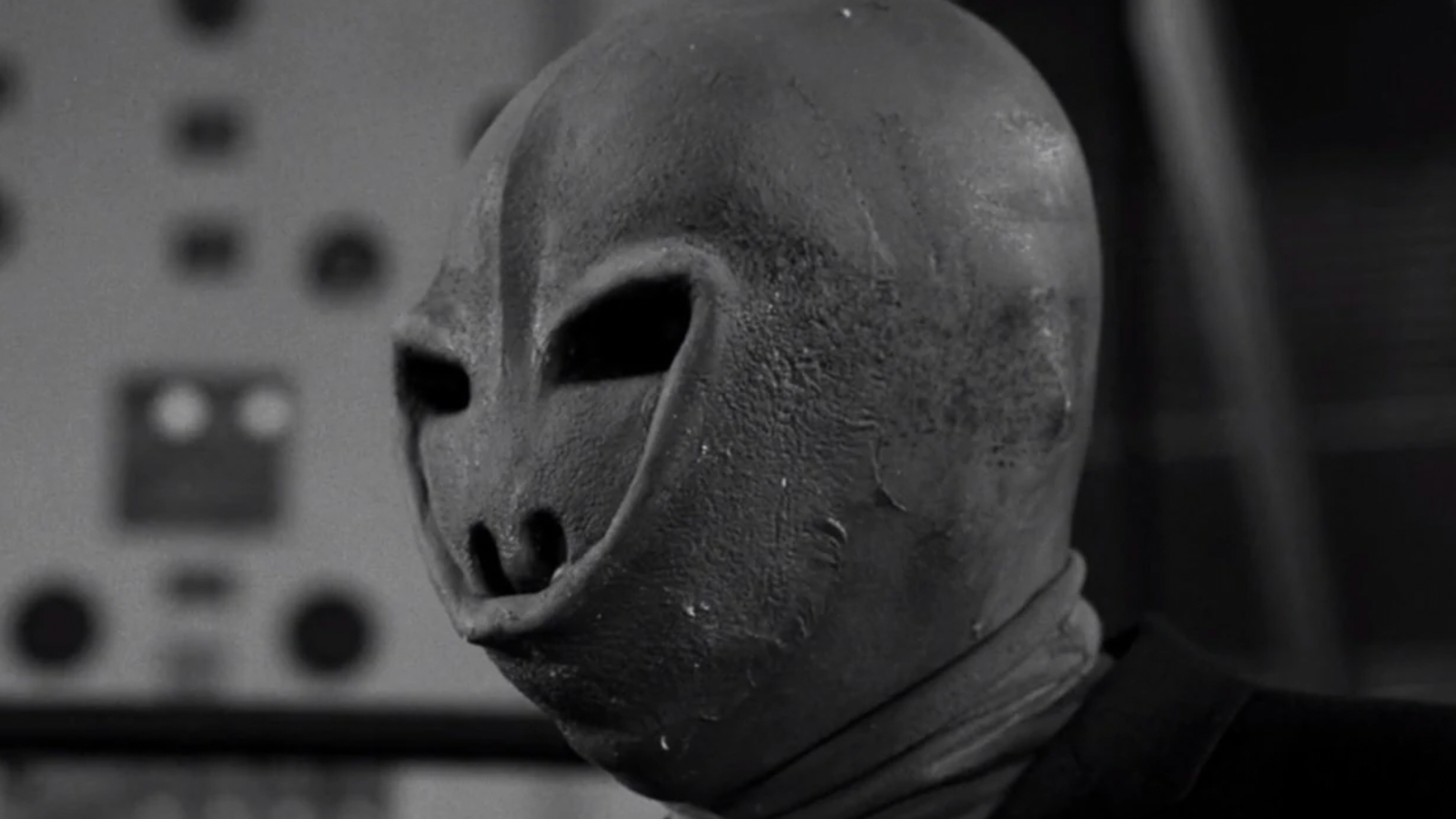
You Have Entered… The Twilight Zone
Debuting on CBS in 1959, The Twilight Zone ultimately ran for five seasons, producing a total of 156 episodes that would permanently alter the trajectory of American television. The series was created by Rod Serling, a visionary television pioneer who grew increasingly frustrated by the creative limitations and network censorship imposed on 1950s broadcasting, which was heavily dominated by live taped plays and multi-camera sitcoms like I Love Lucy. Determined to challenge the medium, Serling conceived a single-camera anthology format where each standalone episode functioned essentially as a self-contained short film. For the vast majority of its run, the show adhered to a half-hour format, though its fourth season experimented with an ambitious hour-long schedule before returning to its signature thirty-minute runtime for its fifth and final season.
While every episode of The Twilight Zone featured entirely distinct characters, settings, and premises, the overarching tapestry explored classic science fiction subjects—such as time travel, alien encounters, and futuristic dystopias—alongside traditional horror tropes like restless ghosts and possessed dolls. Yet, these speculative elements often served merely as a surface-level wrapper for deeper, more resonant allegories. Beneath the imaginative high concepts, Serling and his writers used the speculative framework to tackle complex, sensitive issues such as systemic prejudice, crippling loneliness, human morality, and the heavy burden of regret.
The stylistic and narrative DNA of the show was heavily influenced by some of the earliest and greatest authors in speculative literature, drawing inspiration from the literary works of visionaries like H.G. Wells and Mary Shelley. Furthermore, some of the finest science fiction writers of the 1950s were recruited to script individual episodes, including literary giants like Ray Bradbury and Richard Matheson. Despite the wealth of external talent, Rod Serling himself deserves the lion’s share of the credit for the series’ enduring identity. Serling not only served as the iconic, on-screen host who welcomed viewers into each eerie installment, but he also personally wrote nearly 100 of the show’s episodes, establishing a distinct narrative voice that balanced intellectual curiosity with moral urgency.

Despite drawing heavily from early science fiction and horror literature, The Twilight Zone ultimately proved to be vastly more influential to future generations of filmmakers and television creators than its own inspirations. The most direct spiritual successors are obvious in anthology programs like The Outer Limits and modern hits like Black Mirror, both of which inherited the show’s structural blueprint of using standalone speculative tales to examine contemporary societal anxieties. However, the ripple effects extended far beyond strict anthologies, informing complex serialized television dramas such as The X-Files, Fringe, Lost, and even animated mainstays like Futurama.
The cinematic landscape bears an equally heavy debt to Serling’s creation. Acclaimed writer-director Jordan Peele has explicitly stated that his 2019 psychological thriller Us was directly inspired by the classic season one Twilight Zone episode "Mirror Image." Similarly, creator Don Mancini has pointed to the season five episode "Living Doll" as a primary creative inspiration for the killer Good Guy doll that launched the iconic Chucky horror franchise.
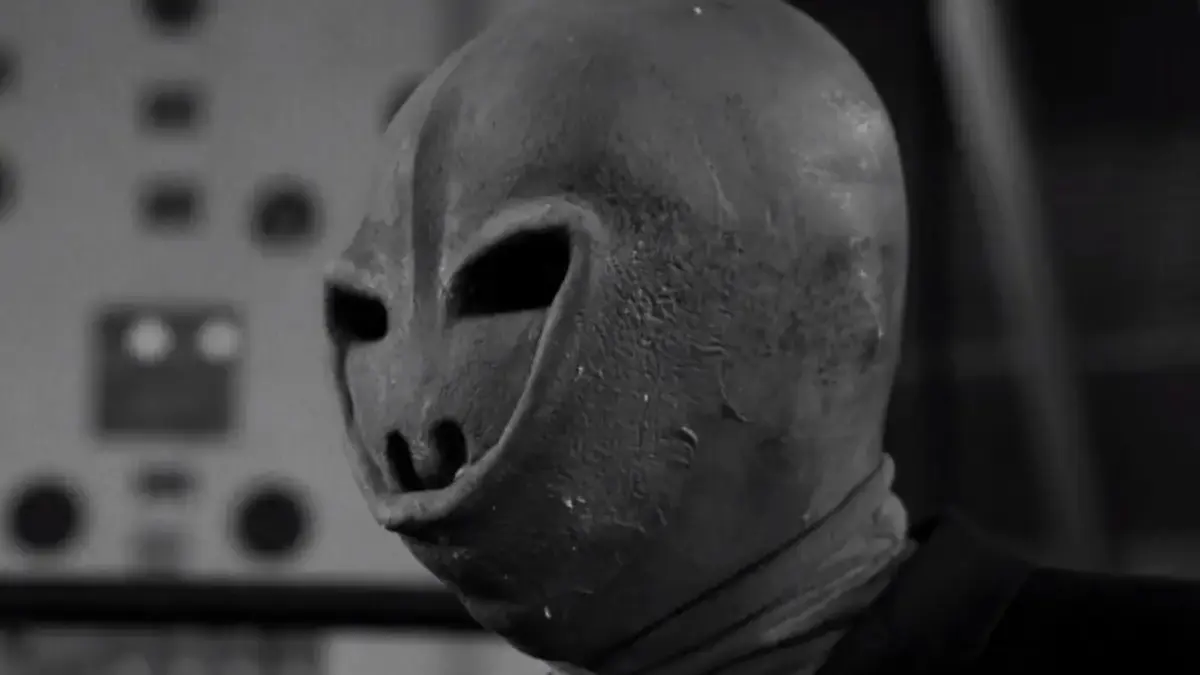
Decades after their original broadcasts, those seminal entries remain masterclasses in tension and storytelling, alongside several other universally celebrated episodes. Among them is Ray Bradbury’s "Nightmare at 20,000 Feet," the widely recognized and frequently parodied masterpiece featuring a terrified airline passenger who spots a gremlin tearing apart the wing of a plane during a storm, starring a young William Shatner. Another enduring classic is "Dummy," a chilling exploration of psychological unraveling centered on a living ventriloquist dummy. Meanwhile, "To Serve Man" remains one of the most beloved and frequently discussed alien invasion narratives in television history, remembered chiefly for its unforgettable, sobering twist ending.
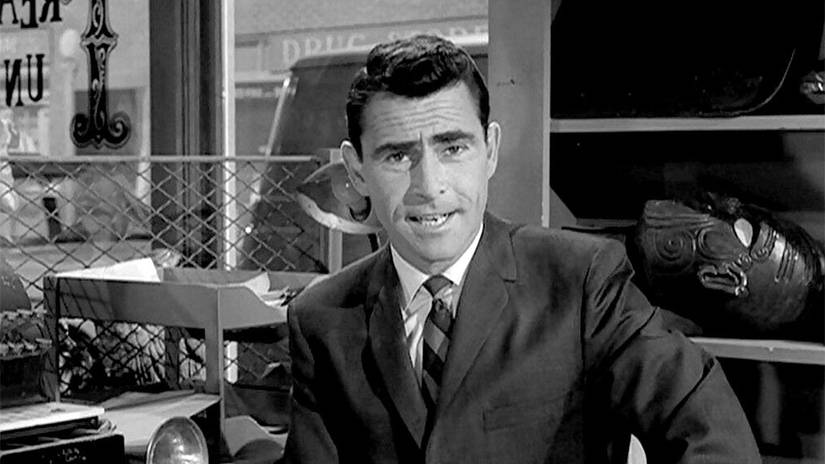
Not Everything About The Twilight Zone Holds Up
Because the series first premiered more than sixty years ago, certain technical aspects have inevitably aged, particularly regarding the practical special effects, studio lighting, and mid-century aesthetic sensibilities. However, because the heart of the series relies on profound, universal human themes explored through subtext, a remarkably high percentage of episodes remain surprisingly relevant, poignant, and intellectually engaging today.
Furthermore, the anthology format offers a distinct viewing advantage over modern serialized television. Because episodes are entirely self-contained, viewers can easily bounce around, sampling guaranteed classics to get their feet wet before committing to a deeper exploration of the complete catalog. It also serves as an ideal show to visit and revisit casually, removing the heavy burden of keeping track of sprawling continuity arcs that characterize so much of contemporary streaming television.
Ultimately, The Twilight Zone stands as an essential viewing experience, particularly for fans of modern science fiction and horror who are willing to embrace a bit of historical context. Anyone who appreciates today’s speculative cinema and television will inevitably find familiar ground within Serling’s classic anthology, as so much of the DNA found in modern genre entertainment traces directly back to the door of the dimension beyond imagination.