
More than seven years after the Gutenberg block editor first arrived in WordPress Core, developers have been given a long-awaited capability: the option to build custom blocks using only PHP.
With the release of WordPress 7.0, developers can bypass the complex ecosystem of React, build pipelines, and NPM packages that have long governed block development. By utilizing a new configuration flag during block registration, developers can now generate fully functional blocks using the programming language that powers the vast majority of the WordPress ecosystem.
For years, creating a custom block required a dual-registration process handled once in PHP and once in JavaScript, alongside a cumbersome toolchain. Traditional workflows demanded deep familiarity with JavaScript frameworks and build tooling just to output basic elements into the editor.
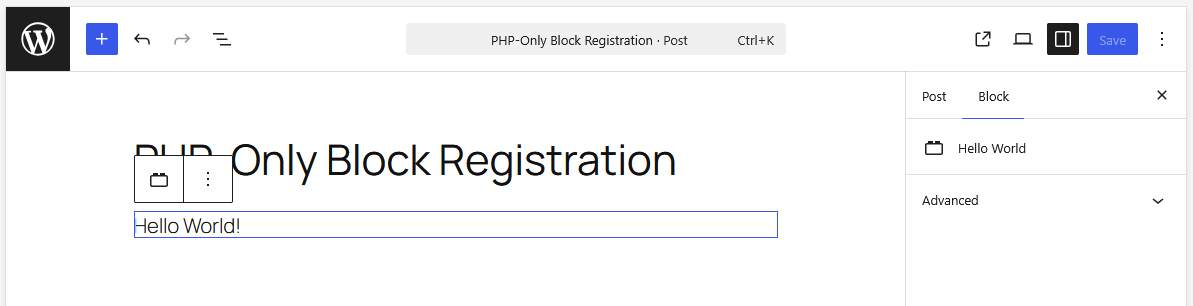
The new approach streamlines this process significantly. By adding an autoRegister => true parameter to the standard block registration array, WordPress automatically generates the necessary client-side infrastructure and editor previews based entirely on the provided PHP code.
Despite the enthusiasm surrounding a simpler development experience, the feature comes with distinct architectural tradeoffs. Understanding these limitations is critical for developers deciding where and when to apply PHP-only registration in modern WordPress environments.
A Radically Simplified Block Building Experience
The primary advantage of the new release is the removal of tooling barriers for developers who work exclusively in backend environments. In traditional block development, adding interactive attributes meant building complex user interface controls in JavaScript to handle properties like text inputs, toggles, and dropdowns.
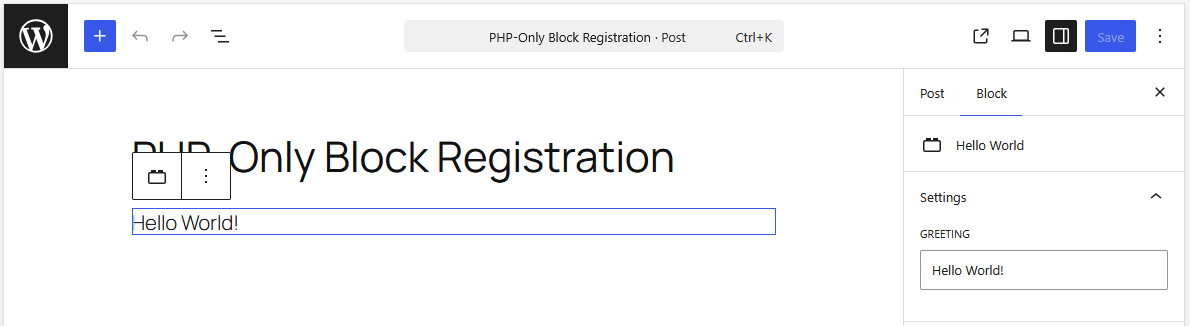
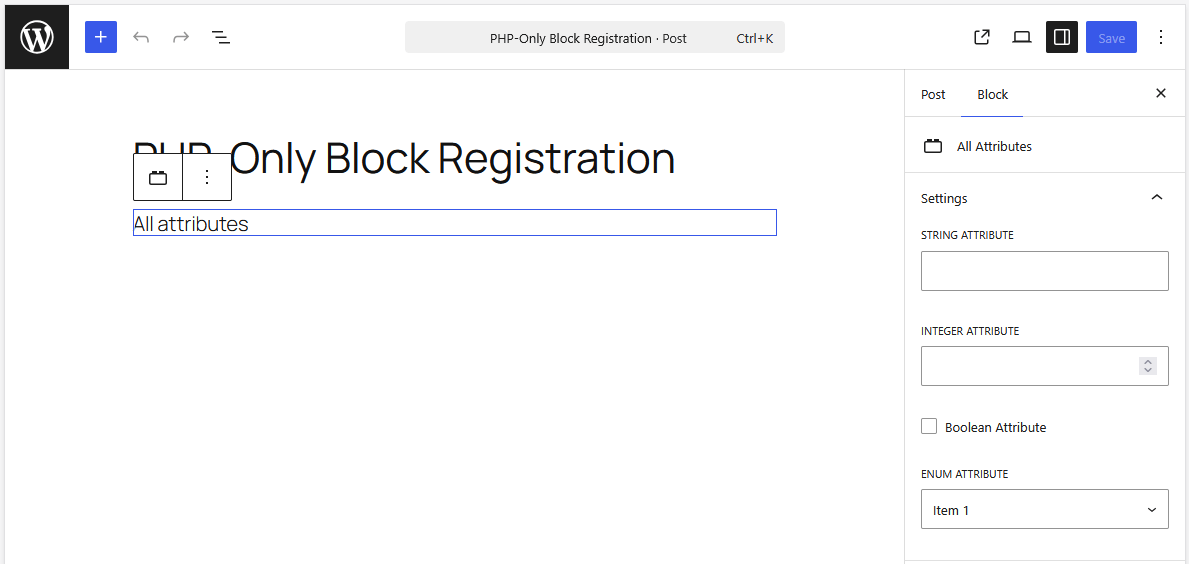
Under the WordPress 7.0 PHP-only approach, basic attributes can be declared directly within the PHP registration function. By specifying types such as strings, numbers, or booleans, WordPress automatically generates corresponding input controls within the block settings sidebar without requiring any external JavaScript assets.
However, this simplicity exposes structural limitations within the editor architecture. Because PHP-only blocks rely on a server-side render callback that fetches markup asynchronously via a REST API endpoint, they exist outside the single-page JavaScript application that drives the modern block editor.
This architectural boundary introduces several notable constraints for block authors. Developers cannot attach custom JavaScript interactions directly to the block preview markup, rendering dynamic interfaces like sliders or interactive UI elements unreliable inside the editor. Furthermore, because these blocks query the database directly rather than interfacing with the client-side data store, they cannot access real-time changes made to post content, titles, or custom fields until the post is explicitly saved and the page is reloaded.
Additional limitations affect global state management and user interface controls. Because the REST API endpoint handling block rendering operates statelessly, template tags and metadata functions that rely on global post context often fail to resolve properly inside the editor preview without explicit workarounds. Furthermore, available attribute types and editing interfaces are restricted to basic form inputs, and advanced elements like dropdowns lack support for keyed arrays, forcing developers to store slugs or raw text values rather than stable database IDs.

The Killer Use Case: Migrating Legacy PHP Code
While these constraints make PHP-only registration a poor choice for building highly interactive, native-feeling blocks from scratch, they do little to diminish the feature’s core utility. Industry analysts and core contributors note that the primary value of PHP-only blocks lies in solving a major bottleneck in the ecosystem: the difficult transition from classic themes to modern block themes.
Despite the performance and maintainability advantages of block themes, many development agencies and site maintainers have remained hesitant to migrate. This hesitation is rarely driven by preference; rather, it stems from the high cost of rewriting years of legacy PHP code—such as custom widgets, shortcodes, and specialized template parts—into modern JavaScript blocks.

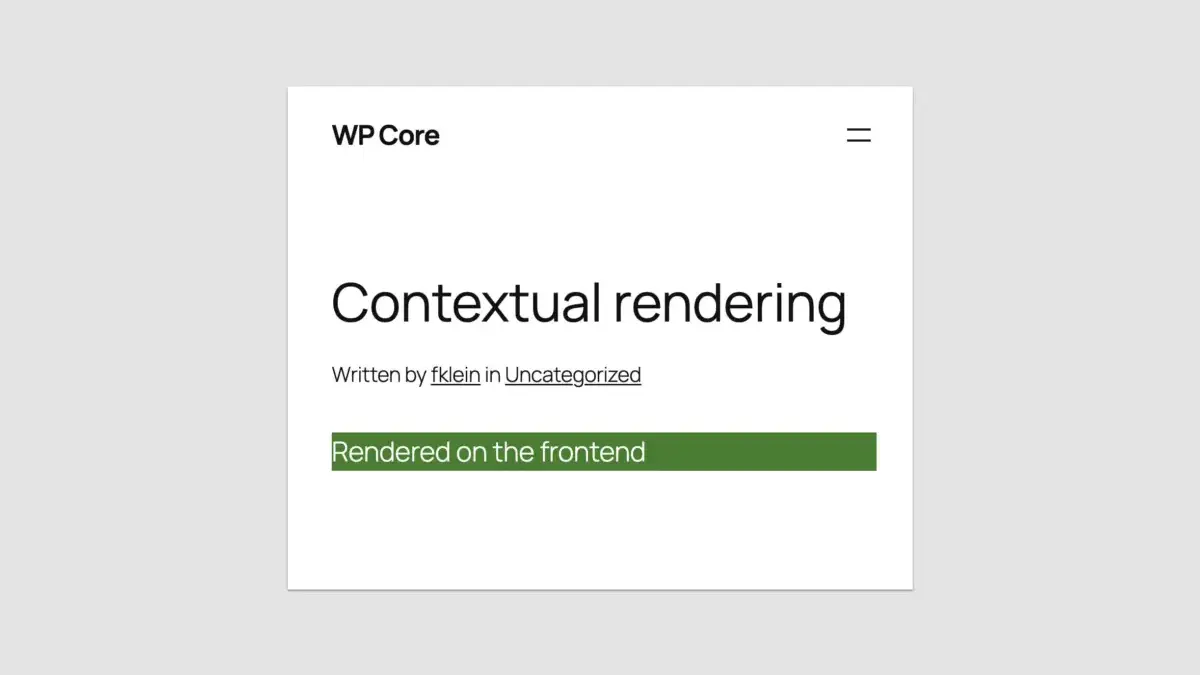
PHP-only registration removes this barrier entirely. Developers can now take existing server-side rendering logic and wrap it inside a block definition within hours instead of days. While the resulting block previews in the editor may lack advanced interactivity, they render correctly on the public-facing front end. This allows legacy sites to adopt block-based template structures while preserving their underlying PHP architecture.
Advanced developers have already begun identifying workarounds for some of the feature’s core limitations. For instance, developers can detect whether a block is rendering in the editor versus the front end by querying the REST API endpoint context. Similarly, passing post IDs through localized attributes can retrieve missing context during editorial workflows, providing temporary solutions until core updates offer native support.

Additional flexibility is available through the Block Supports API, which allows PHP-registered blocks to opt into core features like custom color palettes, specific text alignments, and structural constraints such as limiting a block to a single instance per post or hiding it from the main block inserter entirely.
Moving Forward with Modern WordPress Architecture
The introduction of PHP-only block registration in WordPress 7.0 does not signal a retreat from JavaScript-based block development. Interactive elements, rich text editing, and complex user experiences will continue to rely on React and the Gutenberg component library.

Instead, the feature represents a pragmatic bridge for developers managing legacy codebases. By lowering the threshold for block theme adoption, WordPress Core has addressed one of the most persistent friction points in the ecosystem.
For agencies and developers looking to transition older sites to modern standards without rewriting entire applications from the ground up, the long wait for native PHP block support has delivered a practical and immediately useful tool.


Leave a Reply