
Somewhere in a quiet corner of your house, there is a kit. It might be a watercolor set with only three colors used, a guitar bearing a single broken string, or a precision telescope that cost significantly more than you care to admit to guests. Each item arrived with genuine intent, purchased with the optimistic belief that a new chapter was about to begin. Instead, each has quietly transitioned into domestic storage.
The conventional narrative usually explains this phenomenon by suggesting that people simply lose interest or lack the necessary follow-through. A closer examination, however, suggests that perspective views the problem backward. Virtually nobody over the age of seventy suffers from a shortage of ideas. Lists of recommended hobbies for seniors are ubiquitous, filling magazines, websites, and community bulletins, yet most merely repeat the same generic suggestions. What is actually missing is a reliable mechanism to determine—long before money leaves a bank account—whether a specific pastime genuinely fits the life an individual actually leads: hands on an ordinary morning, transportation logistics after dark, and personal tolerance for a noisy room.
Experts argue that individuals should choose pursuits based on functional fit rather than surface-level appeal. A hobby that looks wonderful on paper but fits poorly into daily realities inevitably ends up consigned to the closet alongside the neglected telescope.
Good hobbies for seniors over seventy are fundamentally those that align with four critical variables: what a physical body can manage on an average day, how easily an activity can be accessed, the precise amount of social company desired, and what a single session leaves behind. Traditional options such as gardening, walking groups, card clubs, choir participation, bird watching, woodworking, quilting, photography, genealogy, language study, and volunteering all qualify for various individuals. Yet researchers and lifestyle specialists emphasize that the broad category matters far less than the underlying fit.
The pursuit of meaningful leisure is not merely about passing time; it tracks closely with overall well-being. A comprehensive 2023 study pooled five longitudinal surveys covering 93,263 adults aged 65 and older across 16 countries. The research found that active hobby engagement was consistently associated with fewer depressive symptoms and higher self-reported health, happiness, and life satisfaction. While these associations span whole populations, they represent broad trends rather than personal guarantees. No scientific study can predict precisely which hobby will resonate with a specific individual.
Standard hobby lists frequently falter after age seventy because they are typically authored with an average body and an entirely empty calendar in mind. They rarely account for arthritic hands, hearing loss that transforms a bustling craft room into an exhausting chore, driving limitations that end at dusk, or the daily responsibilities of caring for a spouse. The initial idea is rarely the core problem; rather, the friction between that idea and an ordinary Tuesday afternoon is where plans usually unravel.
Supporting this observation, a 2024 systematic review encompassing 37 studies and 26,961 adults aged 70 to 101 identified concerns regarding health and fitness as among the most commonly reported barriers to leisure, closely followed by environmental and practical obstacles. These physical constraints are remarkably common rather than exotic. Approximately half of all U.S. adults aged 65 and older live with arthritis. Furthermore, nationally representative audiometric data indicates that hearing loss is present in 63.1 percent of adults aged 70 and older.
These statistics do not rule out active pursuits—plenty of individuals with arthritis successfully quilt, and many people utilizing hearing aids sing vibrantly in community choirs—but they help explain why a casual suggestion to join a local pottery class resonates quite differently at 74 than it does at 44. The abandoned starter kit is rarely a reflection of character failure; it is simply the natural result of adding activities to an empty week without accounting for real-world constraints.
To combat this, specialists advocate for the "Four-Fit Check," a practical evaluation designed to test whether a hobby can survive past the initial novelty phase. The framework rests on four questions: Can this be performed on an average day rather than an exceptionally good one? Can it be started this week without requiring favors or major financial outlays? Does the level of social interaction match personal preferences? Does a single session leave a tangible, satisfying result behind? The general rule of thumb suggests that failing one filter allows a hobby to be adapted, but failing two usually means the equipment belongs back on the shelf.
Evaluating body fit requires measuring an activity against a normal Tuesday morning, complete with morning stiffness. Considerations include how long one must stand, the demands placed on grip strength, knees, balance, eyes, and ears, and whether an activity can be paused halfway through without ruining the project. Federal health guidelines for older adults set a target of 150 to 300 minutes of moderate aerobic activity per week, alongside muscle-strengthening and balance work. However, the guidelines wisely note that when older adults cannot reach those targets due to chronic conditions, they should remain as physically active as their abilities allow.
Balance requires particular attention. Government data from 2018 showed that 27.5 percent of U.S. adults aged 65 and older reported at least one fall during the preceding year. While ladders and icy outdoor trails are not strictly off-limits, engaging with them should be a conscious, calculated decision rather than an accidental hazard.
Access fit represents the filter most frequently overlooked by enthusiastic beginners, yet its failure dismantles more hobbies than simple boredom. Logistics matter immensely: how a person travels to an activity, whether they can safely return home, the true cost of the first month, and whether they can quit without financial devastation. A hobby requiring a thirty-minute drive after sunset, expensive initial purchases, and reliance on someone else’s schedule introduces multiple fragile points. Conversely, a library genealogy session located within walking distance features virtually none.
Company fit addresses the fundamental tension between social engagement and solitude. Some individuals thrive in a crowded room, while others prefer a closed door and a quiet workbench. Research into later-life leisure indicates that social activities carry the strongest associations with health, well-being, and longevity, though solitary pursuits remain well represented. Meta-analyses linking poor social relationships to elevated cardiovascular risks reinforce the value of human connection, providing a solid justification for choosing hobbies that place individuals near others when their daily routines otherwise lack regular contact.
Payoff fit focuses on what a single session leaves in its wake. Pursuits that offer no immediate reward within a single sitting rely heavily on willpower, which proves to be an unreliable fuel source at any age. Ideal sessions end with something finished, something learned, or meaningful conversation with another person. Intensive learning projects involving complex crafts or digital photography have been shown in controlled studies to stimulate cognitive engagement and memory retention, providing a clear direction for purposeful leisure.
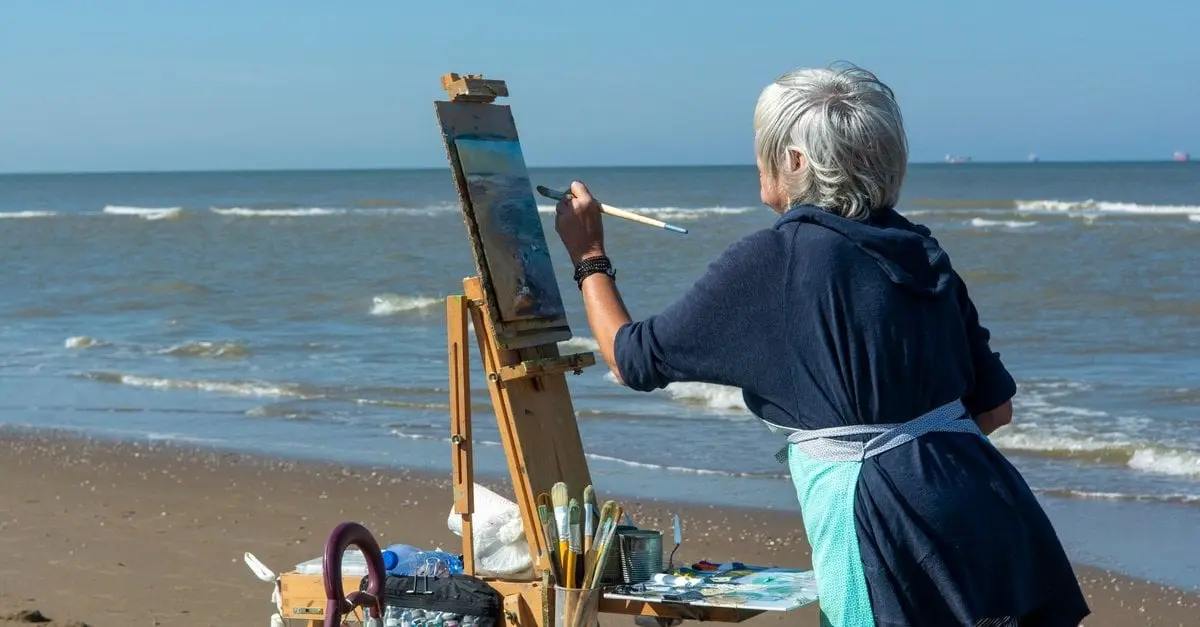
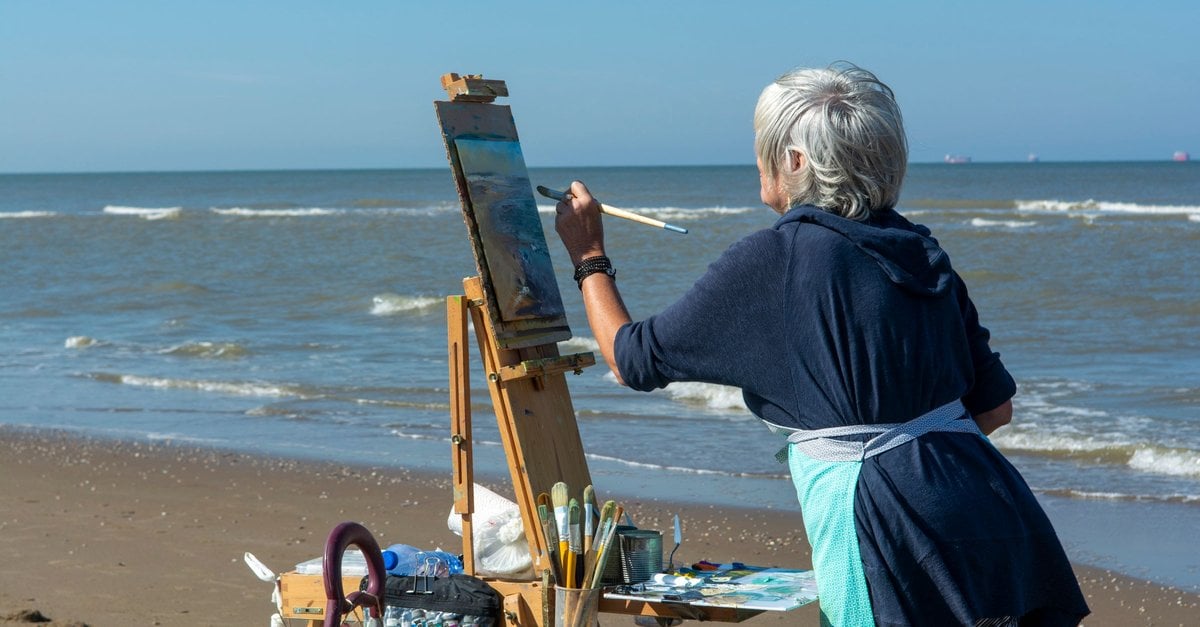
For individuals facing limited mobility or low energy, successful hobbies share specific characteristics: they can be performed while seated, can stop cleanly at any moment, and require no arduous transportation. Container gardening, watercolor painting, knitting with oversized needles, model building, genealogy research, and audiobooks paired with discussion groups offer rich engagement without physical strain. Adjusting physical surfaces—such as raising work tables to protect wrists and shoulders—and breaking sessions into manageable twenty-minute blocks can transform an inaccessible chore into an enjoyable routine.
Low-cost alternatives allow individuals to test new interests without financial commitment. Utilizing local libraries, parks, community kitchens, and personal phones opens the door to book clubs, walking groups, sketching, cooking, and volunteering. Financial expenditures are best deferred to the second month, ensuring that equipment purchases follow genuine interest rather than speculative enthusiasm.
For those seeking to expand their social circles, structured hobbies with built-in community formats—such as choirs, bridge clubs, bowling leagues, and adult education classes—provide reliable weekly touchpoints without the awkwardness of unstructured socializing. Similarly, unusual pursuits like beekeeping, urban sketching, or local foraging clubs often offer smaller, welcoming groups that make participation straightforward.
Experts recommend running a rigorous two-week trial before making any permanent investments in gear. Testing a candidate hobby across four sessions at the actual time of day it would normally occur provides vital clarity. Assessing whether an activity felt like a chore, whether the body felt fatigued the following morning, and whether anticipation lingered for the next session helps separate genuine pursuits from fleeting notions.
Ultimately, finding fulfilling pastimes in later life is an exercise in practical testing rather than an elusive search for passion. By letting an ordinary Tuesday dictate the choice, individuals can avoid the trap of abandoned starter kits and discover routines that genuinely enrich their daily lives.


Leave a Reply