
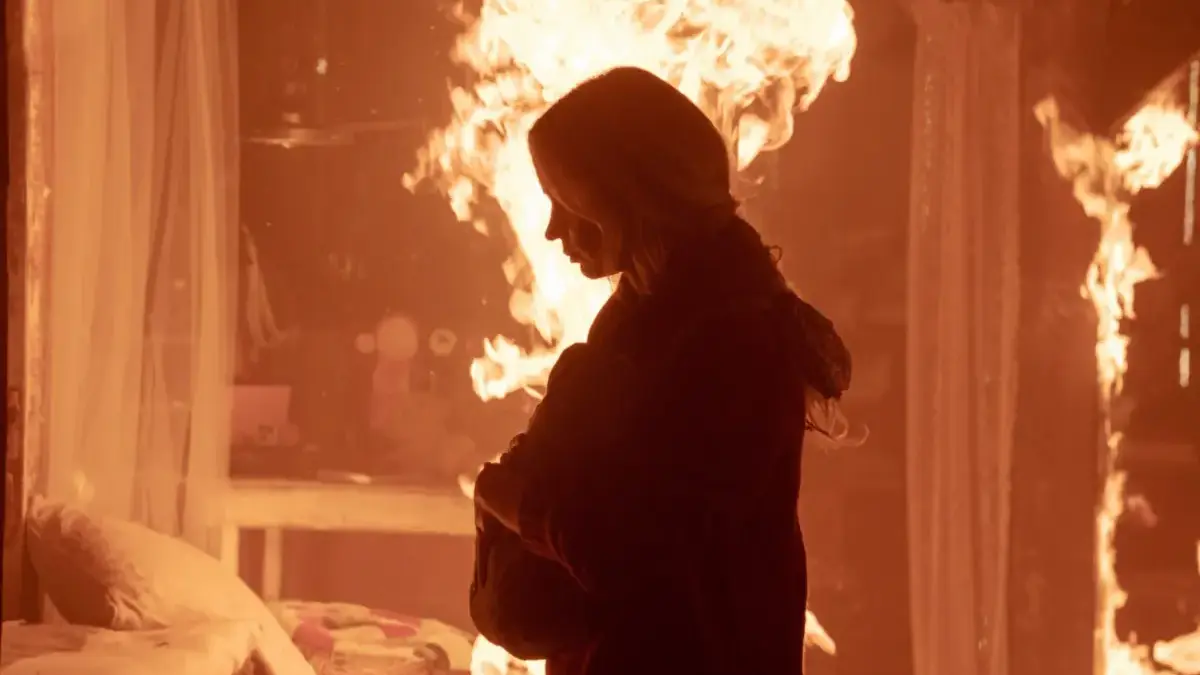
When A Quiet Place first landed in theaters in the spring of 2018, it felt entirely complete—a tightly wound, self-contained thriller that seemingly had nowhere else to go. Directed by and starring John Krasinski, the horror film introduced audiences to a terrifying post-apocalyptic world overrun by blind, vicious, bug-like extraterrestrial creatures possessing an acutely developed sense of hearing. In this unforgiving landscape, making even the slightest sound meant instantaneous death, executed with chilling speed by the predatory monsters.
Stories built on such brilliant, instantly gripping premises frequently invite franchise expansion, especially considering how much mystery still surrounded the creatures. Yet, Krasinski—who co-wrote the screenplay with Scott Beck and Bryan Woods—deliberately chose to focus on a micro-level narrative rather than a macro-level epic. The film chronicled the struggles of a single family fighting to survive on an isolated farm. Although Krasinski’s character, the family patriarch, ultimately sacrifices his life, the narrative concludes on a powerfully defiant note as the remaining family members discover a tactical weakness in the monsters and prepare to fight back.

While plenty of narrative room existed for further exploration, the original film’s story felt satisfyingly self-contained. Despite this artistic completeness, the blockbuster success of the first film all but guaranteed a continuation from Paramount Pictures. Fortunately, that continuation materialized as a genuinely compelling cinematic entry that remains well worth streaming, particularly as it approaches its departure from Netflix on October 11.
Why John Krasinski Made A Quiet Place Part II
Initially, John Krasinski harbored no intentions of turning his breakout hit into a continuing franchise. Speaking to Deadline in May 2018—just two months after the film’s surprise theatrical triumph and mere weeks after Paramount officially announced a sequel—Krasinski admitted that a follow-up was never part of his original vision. To be perfectly honest, he noted, a sequel was never really on his mind during production, as he always viewed the property as a standalone, one-off narrative rather than an expansive universe.
Krasinski’s perspective shifted only after he discovered a compelling thematic entry point centered on Regan, the resilient deaf teenage daughter portrayed brilliantly by Millicent Simmonds. Explaining his change of heart to Variety ahead of the sequel’s premiere, Krasinski revealed that he stumbled upon a small idea: making Millie the lead of the movie. Not only was he confident in her acting capabilities, but he also realized her character naturally opened the door to exploring all the underlying themes he had established in the first film.

Within the narrative framework, Regan recognizes that her cochlear implant—a device symbolizing her disability—actually functions as a potent weapon against the alien predators, broadcasting a high-frequency audio feedback loop that leaves the creatures vulnerable. Consequently, she transforms into a beacon of hope for the remnants of humanity. That burgeoning hope is further embodied by Cillian Murphy’s character, Emmett, a grieving survivor who transitions from a broken, isolated soul into someone willing to fight for a collaborative, better future.
By doubling down on the emotional and thematic threads introduced in the original picture, Krasinski crafted a sequel that effectively complements its predecessor. While A Quiet Place Part II lacks the sheer, disorienting shock value of the first installment, it successfully broadens the scope of the universe. The film flashes back to the day of the initial extraterrestrial invasion and reveals crucial new lore about the creatures, including their inability to swim. Furthermore, it introduces audiences to other pockets of human survival, mirroring the narrative techniques employed by top-tier apocalyptic television shows and cinematic franchises that examine how different groups cope with societal collapse. Whereas the first movie operates as a claustrophobic, tightly contained family drama, the sequel offers a broader look through the eyes of those same characters into a wider, hazardous world.
A Quiet Place Expanded Universe
The sequel also highlighted how remarkably ripe the overarching mythology of A Quiet Place is for ongoing expansion. Because Krasinski stepped away from a prominent on-screen acting role following the death of his character, expectations were naturally guarded regarding whether a follow-up could match the tension of the original. Instead of delivering a diminished retread, the creative team fashioned a distinct narrative that pushed the boundaries of the source material without resorting to mere repetition.

A major catalyst for this successful shift was the geographical relocation. By removing the Abbott family from their rural farm and introducing a secluded island community where survivors live free from constant terror, the sequel demonstrated how different environments forced humanity to adapt to the threat. This world-building laid a solid foundation for subsequent projects, including the 2024 prequel spin-off A Quiet Place: Day One. That film traded the quiet countryside for the densely populated, hyper-noisy streets of New York City during the opening hours of the invasion, providing a starkly different sensory landscape. Bolstered by strong critical reception, that spin-off proved that the franchise could thrive independently of the Abbott family, mirroring the success of IDW Comics’ A Quiet Place comic miniseries released earlier in the year. Although neither project featured the core family from the original films, both offered fresh, gripping perspectives on how the global catastrophe unfolded across varied settings.
Looking ahead, anticipation remains high for A Quiet Place Part III, with Krasinski returning to write and direct the upcoming installment slated for release next year. Emily Blunt, who stars as matriarch Evelyn Abbott and is married to Krasinski in real life, has previously indicated that the third film will serve as the definitive conclusion of a trilogy. Consequently, it will likely mark the final cinematic chapter centered on the Abbott family. Nevertheless, given the enduring commercial viability of the brand, Paramount Pictures will likely explore additional avenues for the cinematic universe. As long as future installments maintain the baseline quality established by A Quiet Place Part II, audiences and critics alike will likely welcome further journeys into silence.
A Quiet Place Part II is available to stream on Netflix until October 11.

Leave a Reply