
Sometimes, when a viewer finally sits down to watch a great, historically significant landmark film for the very first time, the actual experience of absorbing it fails to live up to the weight of its own hype. It is entirely possible to appreciate a movie’s foundational place in cinematic history without finding it genuinely entertaining by modern standards. For many, older classics can suffer under the disadvantages of time, especially as modern pacing, editing, and filmmaking techniques have radically evolved over the decades.
Alfred Hitchcock’s 1960 horror and thriller masterpiece Psycho completely shatters that rule. Even 66 years after its initial theatrical release, the film remains remarkably gripping and keeps audiences on edge from its opening moments to its chilling conclusion. For anyone who has somehow managed to avoid watching it until now, the film’s current availability on Netflix provides the ideal opportunity to experience a cinematic milestone that has lost none of its original bite.
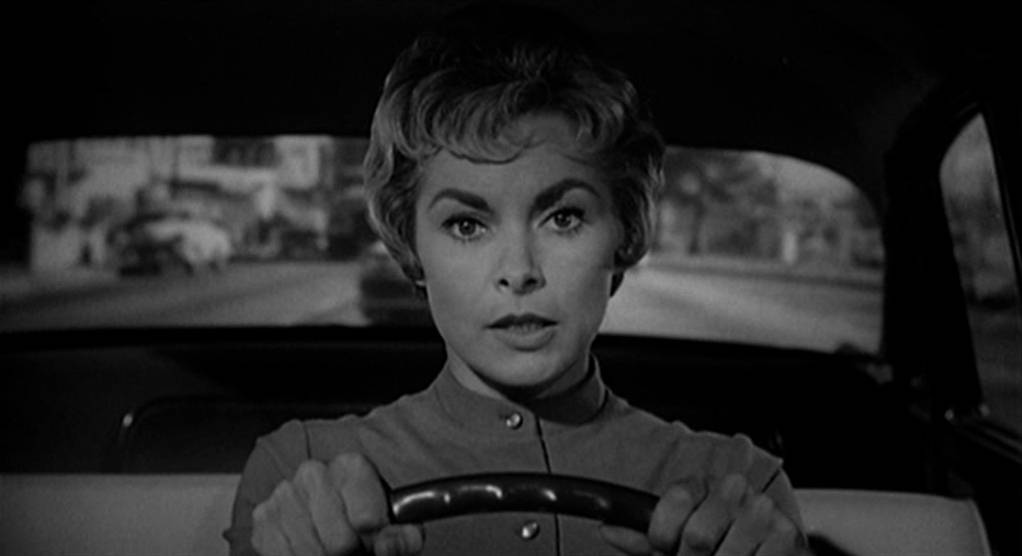
The narrative of Psycho begins in Phoenix, Arizona, introducing viewers to Marion Crane, played by Janet Leigh. Marion is deeply in love with Sam Loomis, a man portrayed by John Gavin who is saddled with significant financial debt and living in Fairvale, California. Despite their strong mutual affection and a shared desire for a life together, their romantic meetings are limited to brief encounters during Sam’s business trips to Phoenix. Sam has made it clear that he refuses to marry Marion until his substantial monetary burdens are resolved.
Working as a secretary in a real estate office, Marion suddenly finds herself presented with an extraordinary temptation when a wealthy client walks in and pays for a house entirely in cash—handing over $40,000. While this specific sum represents one of the few elements of the film that has aged poorly due to the realities of modern inflation, it serves as the ultimate catalyst for the plot. Instructed by her boss to deposit the cash safely at the bank, Marion instead decides to pocket the money and go on the run. Her primary objective is to pay off Sam’s debts so they can finally build a future together.
On her long drive from Phoenix to Fairvale, Marion is consumed by anxiety and the terrifying prospect of law enforcement catching up with her. Her fears are compounded after a tense encounter with a highway patrol officer, whose suspicion prompts her to make a bold decision: she pulls over to trade her current vehicle for a new one at a local car dealership before continuing her journey. Exhausted, overwhelmed, and seeking shelter from a growing storm, she pulls off the main highway and checks into the isolated Bates Motel.

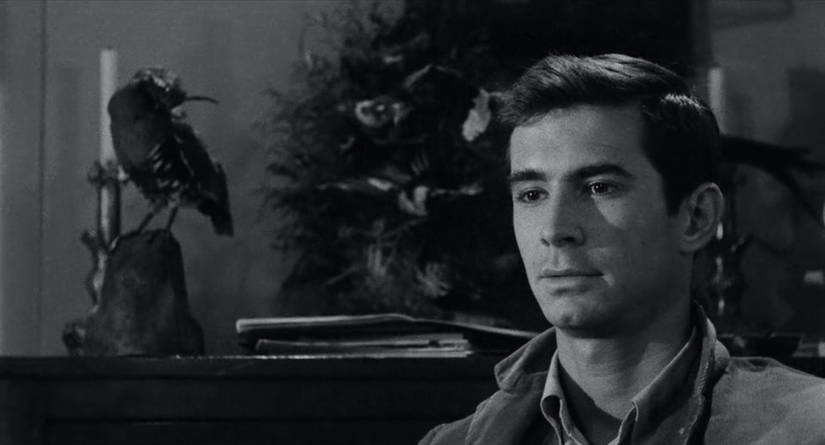
The motel is operated by Norman Bates, a strange, painfully shy young man played unforgettably by Anthony Perkins. When Marion mentions that she is hungry, Norman politely walks back up to the imposing Victorian house sitting on a hill directly behind the motel to prepare her a sandwich. While he is inside, viewers hear him being subjected to a barrage of harsh insults from his unseen mother. Norman then returns to the motel office, and the two share a quiet conversation in the adjoining parlor. They discuss his unusual hobby as a taxidermist, and Norman drops subtle hints about his complex, dysfunctional relationship with his maternal figure.
Following their conversation, Marion retires to her room located right next to the office, completely unaware that Norman is secretly watching her undress through a peephole in the wall.
Psycho is Good, Even If You Know What’s Coming
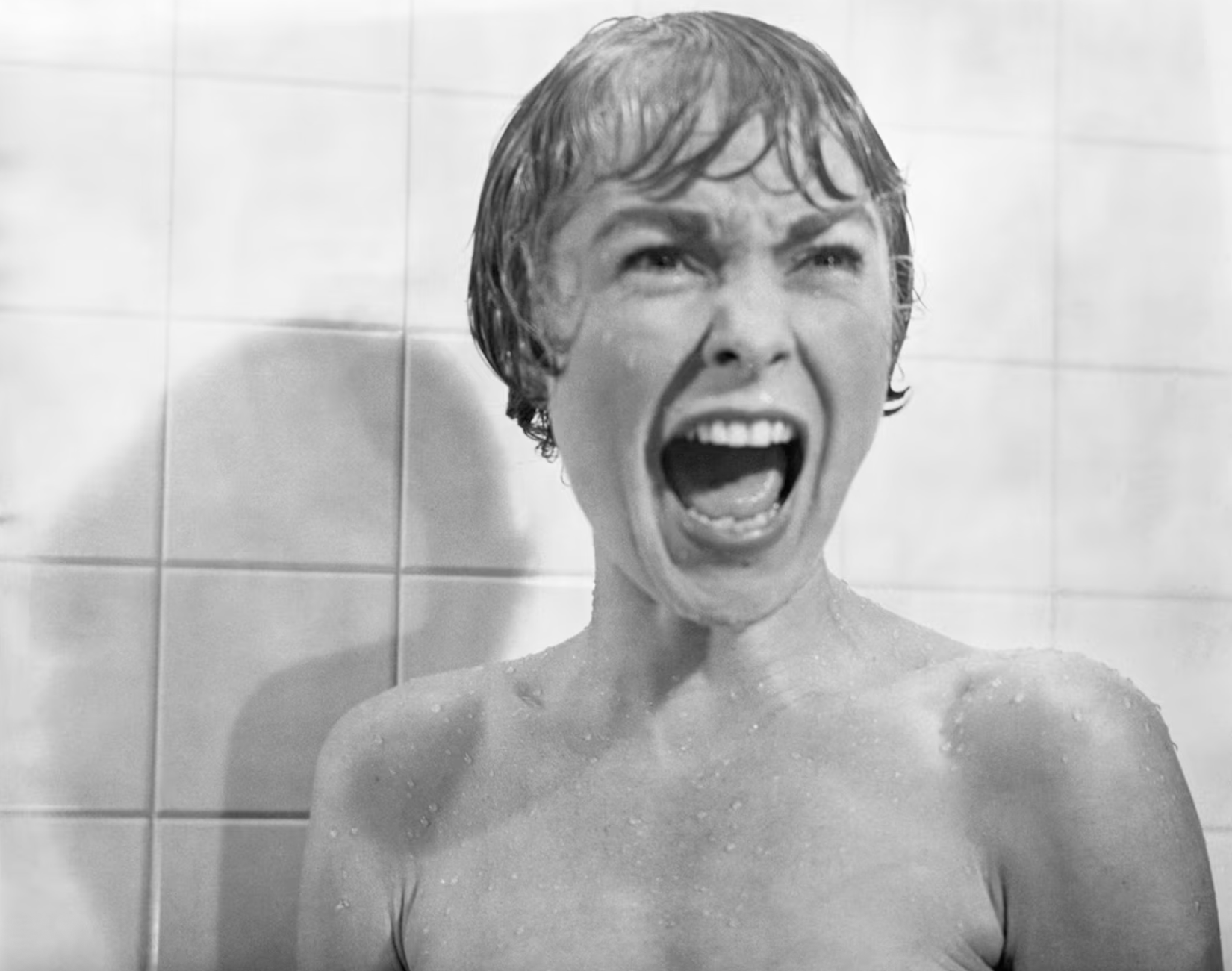
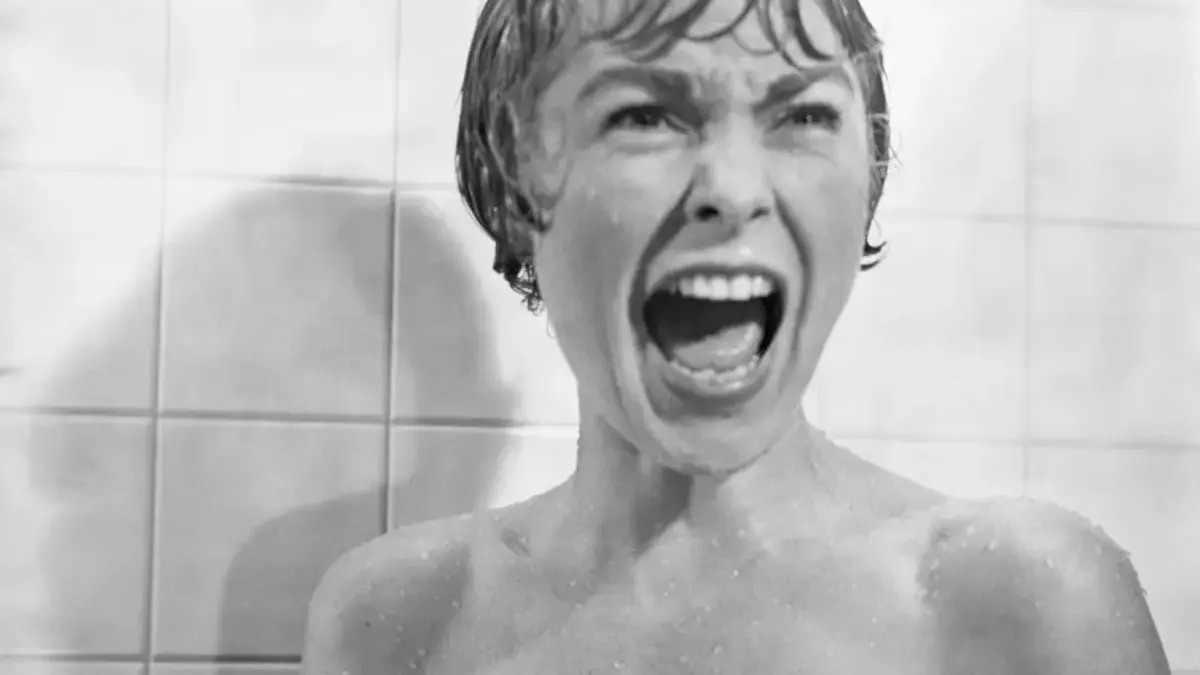
While much of the film’s broader cultural footprint means that many viewers already know the major narrative beats—ranging from the iconic shower scene to the shocking twist involving Norman’s mother—knowing the plot points does not diminish the viewing experience. Psycho maintains its power because the story itself defies predictability, constantly reinventing its own structure as it unfolds.
First-time viewers and returning fans alike often forget just how many times the movie dramatically shifts its focus. The film begins as a crime thriller centered entirely on Marion Crane and her desperate gamble with stolen money. Then, the narrative abruptly pivots to Norman Bates. Hitchcock repeats this technique of shifting perspectives and focal points multiple times throughout the runtime, pulling the rug out from under the audience and heading in entirely unexpected directions. Even for those who already know the famous reveals, the journey there keeps viewers constantly guessing.
The varied narrative perspectives contribute significantly to the film’s lasting impact. A story about an ordinary office worker stealing money from her employer might not sound like standard blockbuster material, but Janet Leigh infuses Marion with a captivating vulnerability. Viewers find themselves intensely invested in her flight, wondering at every turn whether she will manage to evade justice. Furthermore, the famous sequence at the Bates Motel does not even arrive until roughly a half-hour into the film. That initial thirty-minute setup is so absorbing and tightly constructed that it could easily function as a compelling short story on its own. It never feels like an audience is simply waiting around for the "good stuff" to begin, because the entire runtime is filled with compelling storytelling.
Much of the film’s relentless momentum is driven by its legendary musical score, a component that frequently elevates standard thrillers into the realm of high art. While many filmgoers rarely pay close attention to background music unless it is a universally recognized theme like the one in Jaws, Psycho makes it impossible to ignore the audio landscape. Bernard Herrmann’s bold, aggressive string orchestra explodes during the opening title sequence, immediately seizing the viewer’s attention and refusing to let go until the final credits roll.
The score functions as a primary engine propelling the narrative forward, rather than merely sitting in the background to complement the visuals. This brilliant musical direction, paired with modern pacing that defies the traditional sluggishness often associated with older cinema, establishes Psycho as arguably the definitive thriller of the twentieth century.
For anyone who has yet to experience the film, opening a streaming service and pressing play on Psycho offers an immediate masterclass in suspense. Through innovative pacing, brilliant performances, and constant narrative reinvention, Alfred Hitchcock crafted a timeless classic that continues to prove it is meant to be genuinely enjoyed rather than simply admired from afar.



Leave a Reply