The resistance against the automated art apocalypse is being televised through an unexpected medium: a marketing campaign about square hamburgers, thick milkshakes, and fast food.
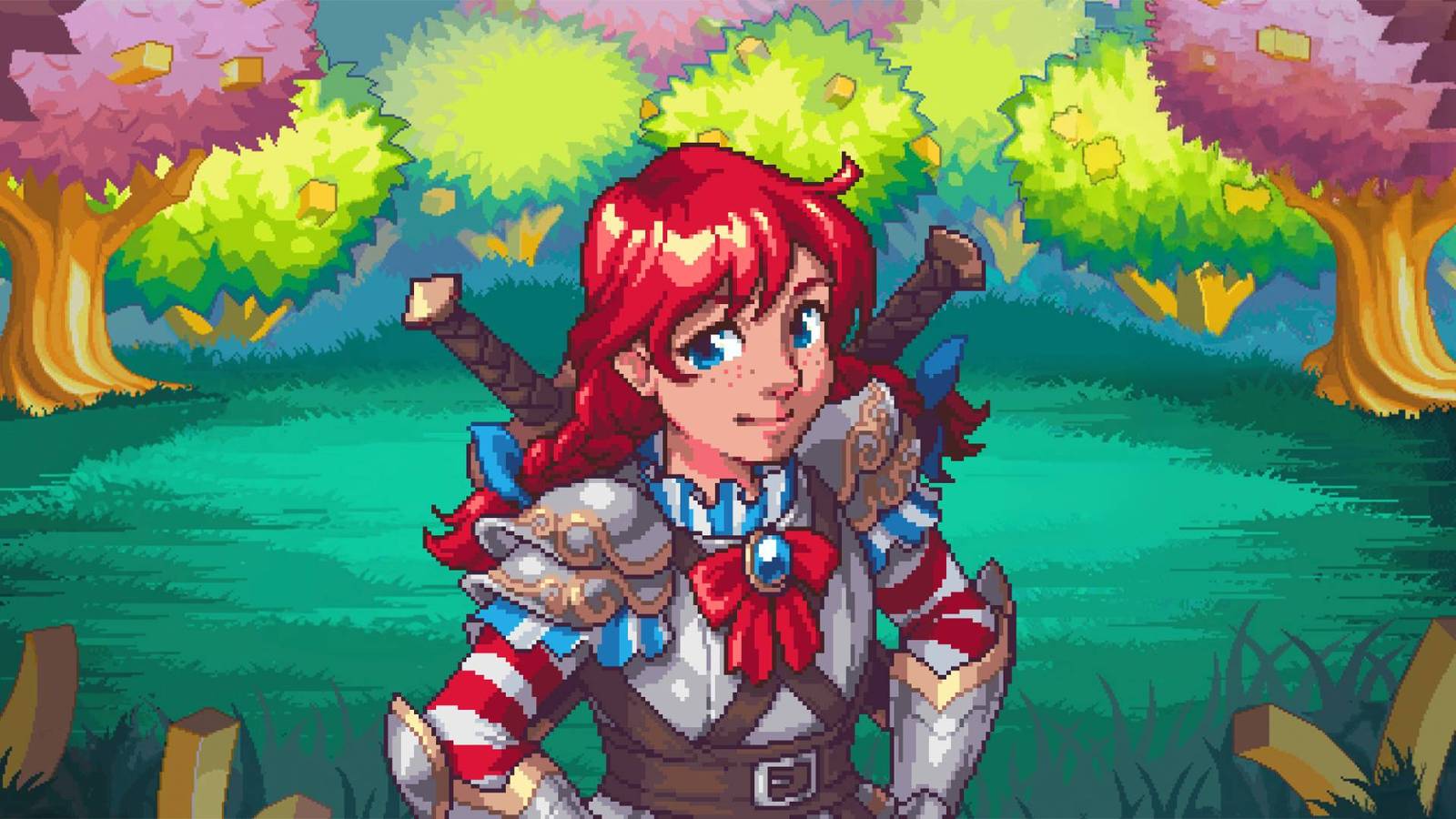
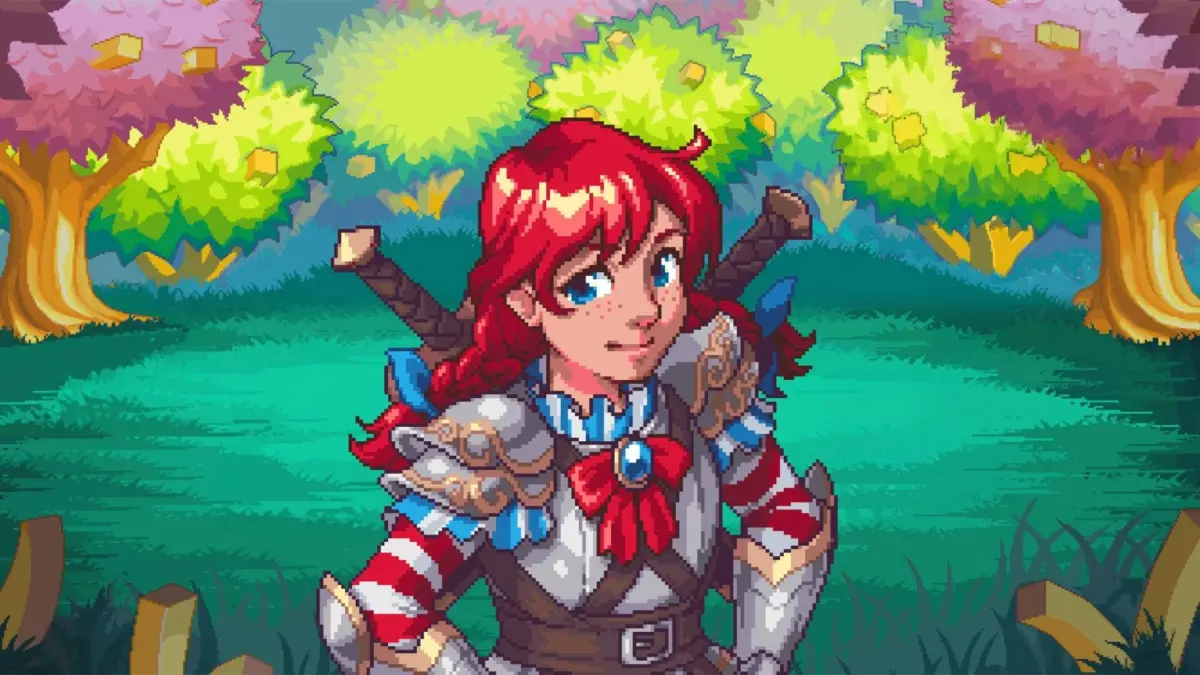
Over the past year, Wendy’s has made waves through a series of unconventional creative partnerships. Amid slumps in sales and public attention, the fast-food giant has turned to popular artistic mediums, including music and video games, to try and reverse course. The buzziest Wendy’s-affiliated project has been the post-hardcore EP Songs to Listen to in a Wendy’s Parking Lot, which featured six tracks written by musicians from bands with legitimate emo credibility like Anberlin, Blessthefall, Silverstein, and Winona Fighter. On the heels of that album release comes the classic JRPG riff WendyQuest: Legend of the Four Corner Stones. Like the aforementioned EP, the video game boasts a similar, unmistakable level of creative authenticity that has caught the gaming community by surprise.
"Wendy’s should not have a game that’s this good," said Stephane Cotichini, founder and game director at 81Monkeys, the studio behind WendyQuest.

WendyQuest started the way many projects in the independent gaming world do: with funding struggles, or rather, a distinct lack thereof. For the past several years, 81Monkeys has been working on an ambitious, systems-heavy pixel art RPG called World of Anterra. Though World of Anterra was successfully funded through Kickstarter in 2022, the scope and ambition of the game continued to swell, and the team found itself rapidly running out of financial runway. As any indie or mid-sized game developer will tell you, traditional funding in the games industry has all but evaporated since the early 2020s gold rush. Things were looking dire, according to Cotichini, who noted that he had post-Kickstarter funding conversations with 60 prospects that went completely nowhere. Then, an email landed in his inbox through the studio’s website contact form.
Normally, Cotichini would have ignored the inquiry, but because the sender mentioned being genuine fans of the studio’s previous work, he decided to hear them out. Upon getting on a call, he discovered the inquiry came from Wendy’s. Once he found out what the proposed project entailed, he instantly knew his team was the right fit for the job. Within a week, 81Monkeys signed the deal for WendyQuest, a partnership that injected much-needed capital into the studio and allowed them to continue working on World of Anterra by splitting their development team 50/50 between the two titles.
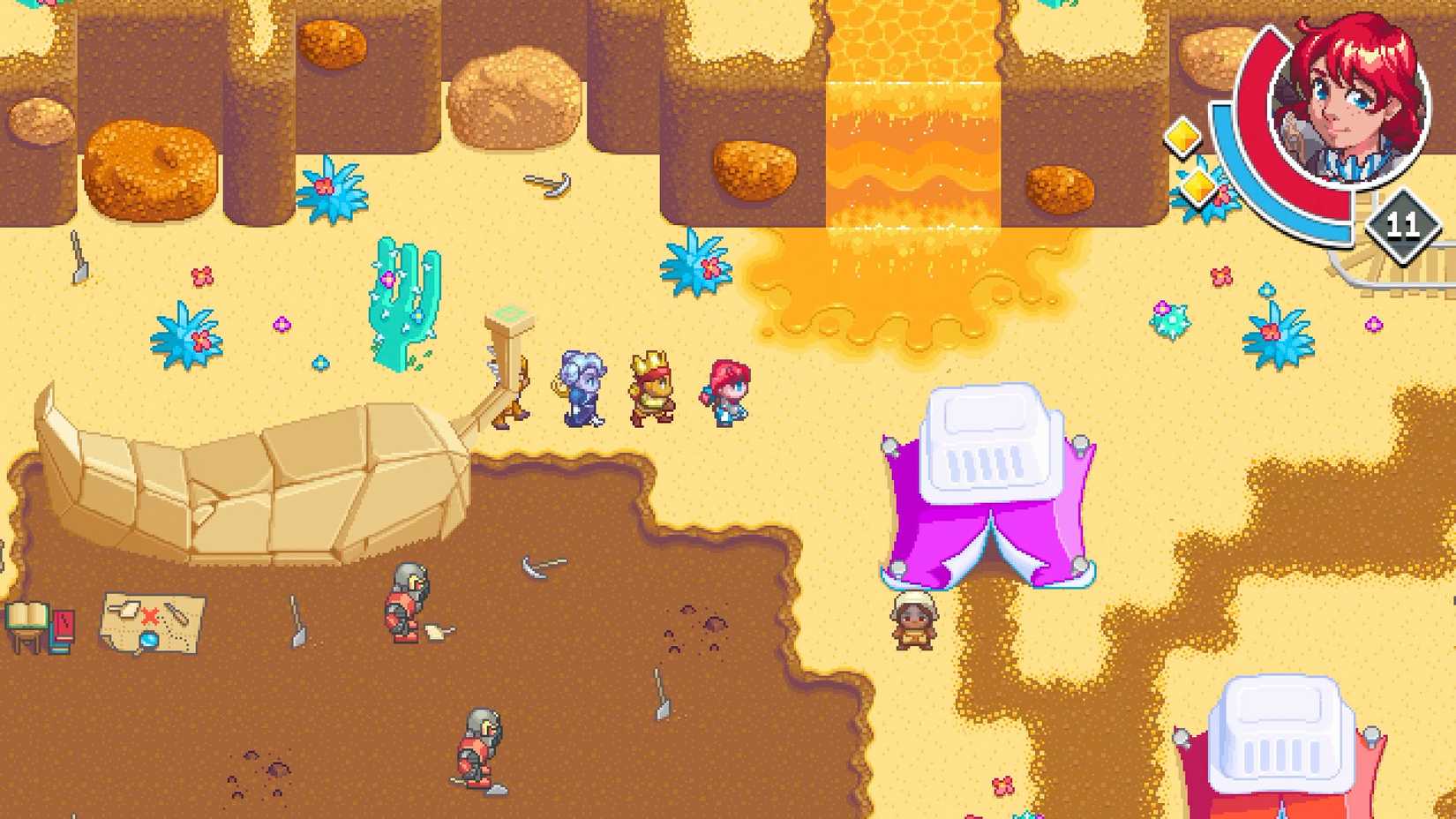
The corporate team at Wendy’s provided the general premise and overarching creative vision for WendyQuest, but the developers at 81Monkeys still had substantial work cut out for them in turning the concept into a viable, engaging video game. They revised the battle system away from purely turn-based combat to a more active format, echoing one of the studio’s core design principles: nostalgia has to feel contemporary, otherwise it simply feels dated. Cotichini also acknowledged that while the original script contained strong conceptual ideas—drawing from the fast-food chain’s witty and well-known social media presence—it did not quite click for an interactive video game medium, where writing must accomplish more than just deliver quick jokes; it has to make a virtual world feel real and lived-in.
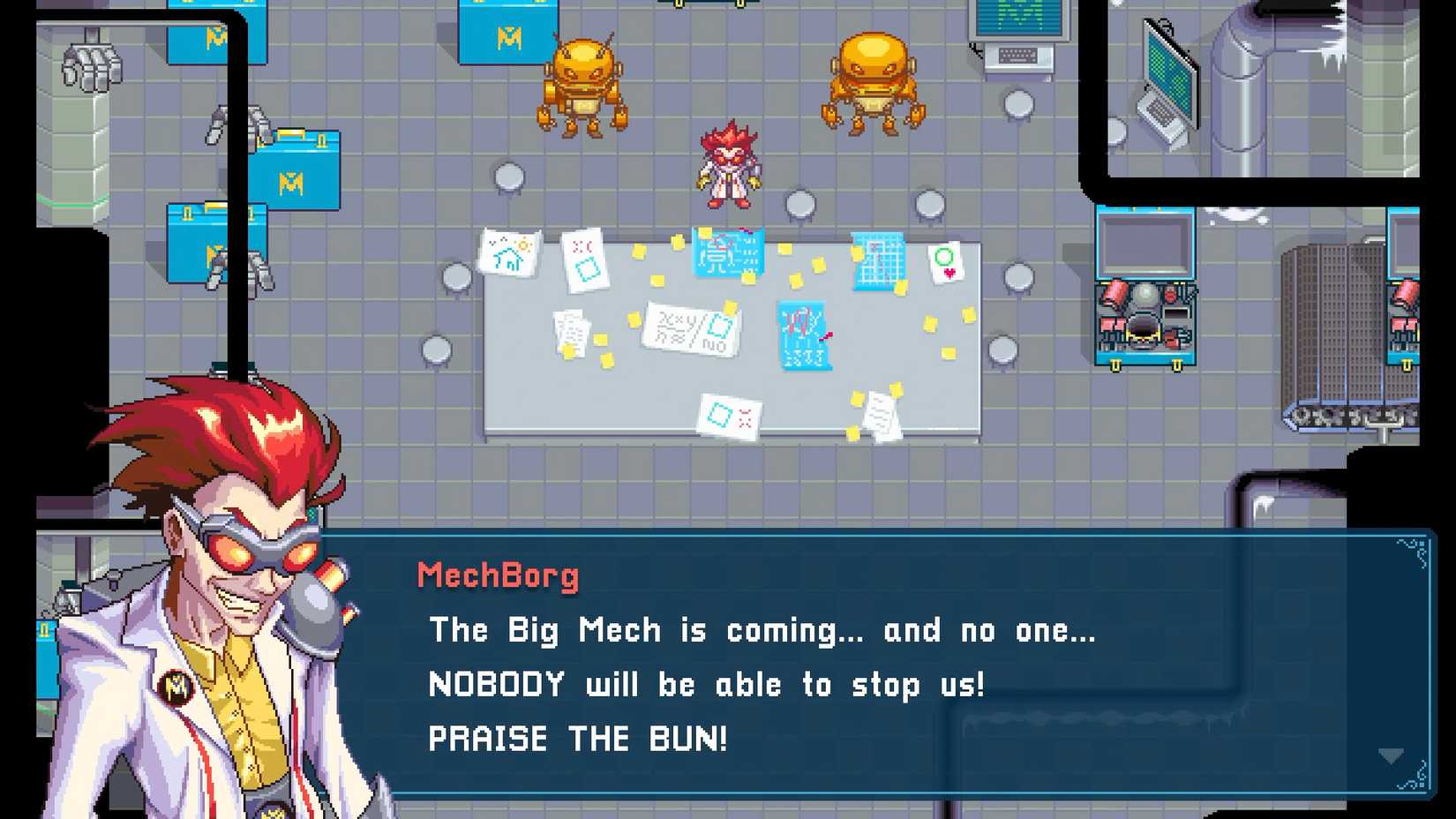
Ultimately, the writers at 81Monkeys rewrote roughly 99 percent of the script. While every element still had to pass corporate review for brand-safety compliance, the writers managed to inject sharp humor and unmistakable nods to competitors. For instance, the logo for WendyQuest’s primary villain, Dr. MechBorg, features a giant golden letter "M." In his introductory villain monologue—a staple of nearly every classic JRPG—MechBorg proclaims that while serving billions is great, it is time for him to make billions, before directing his evil army to "cut corners."
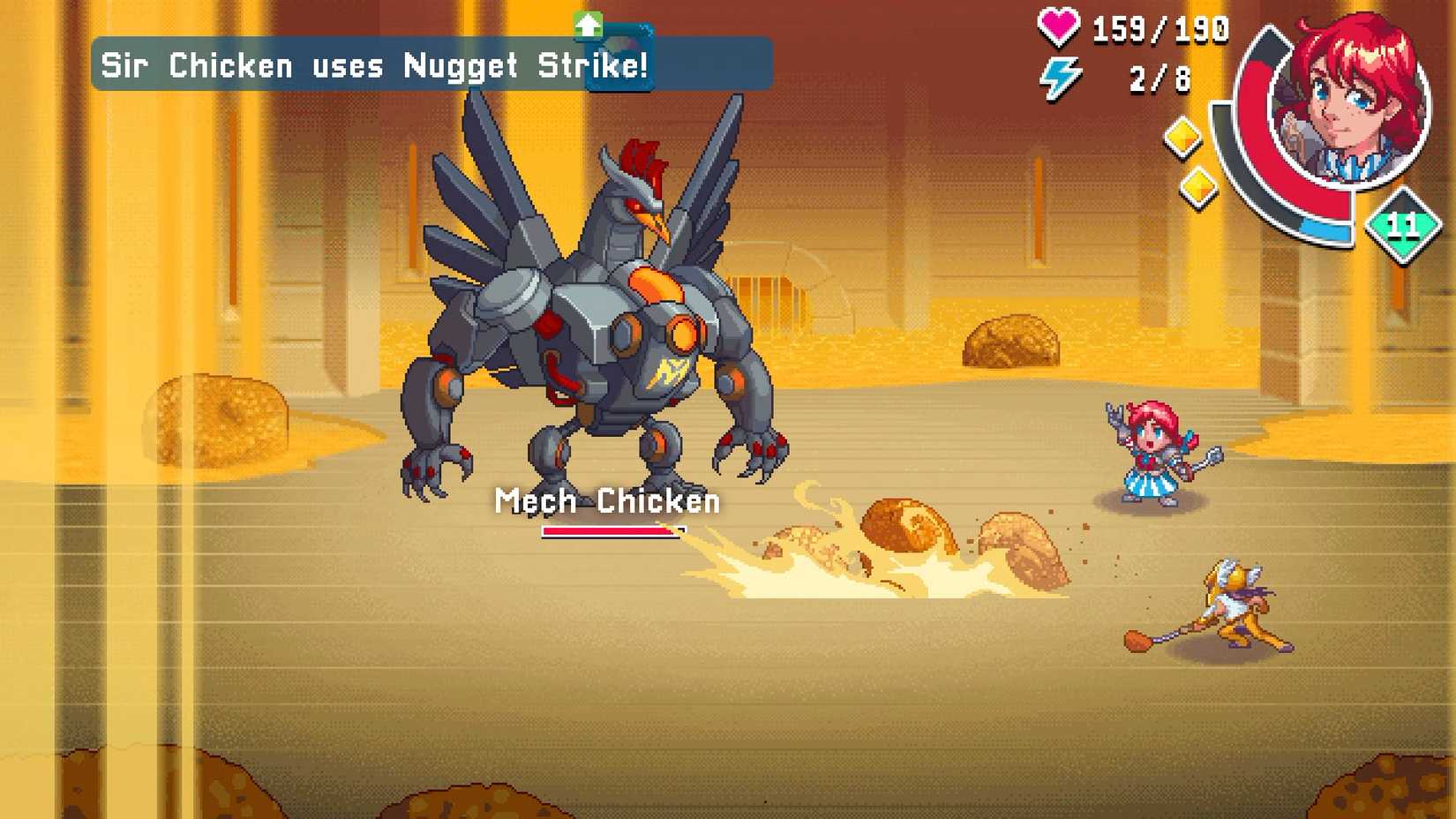
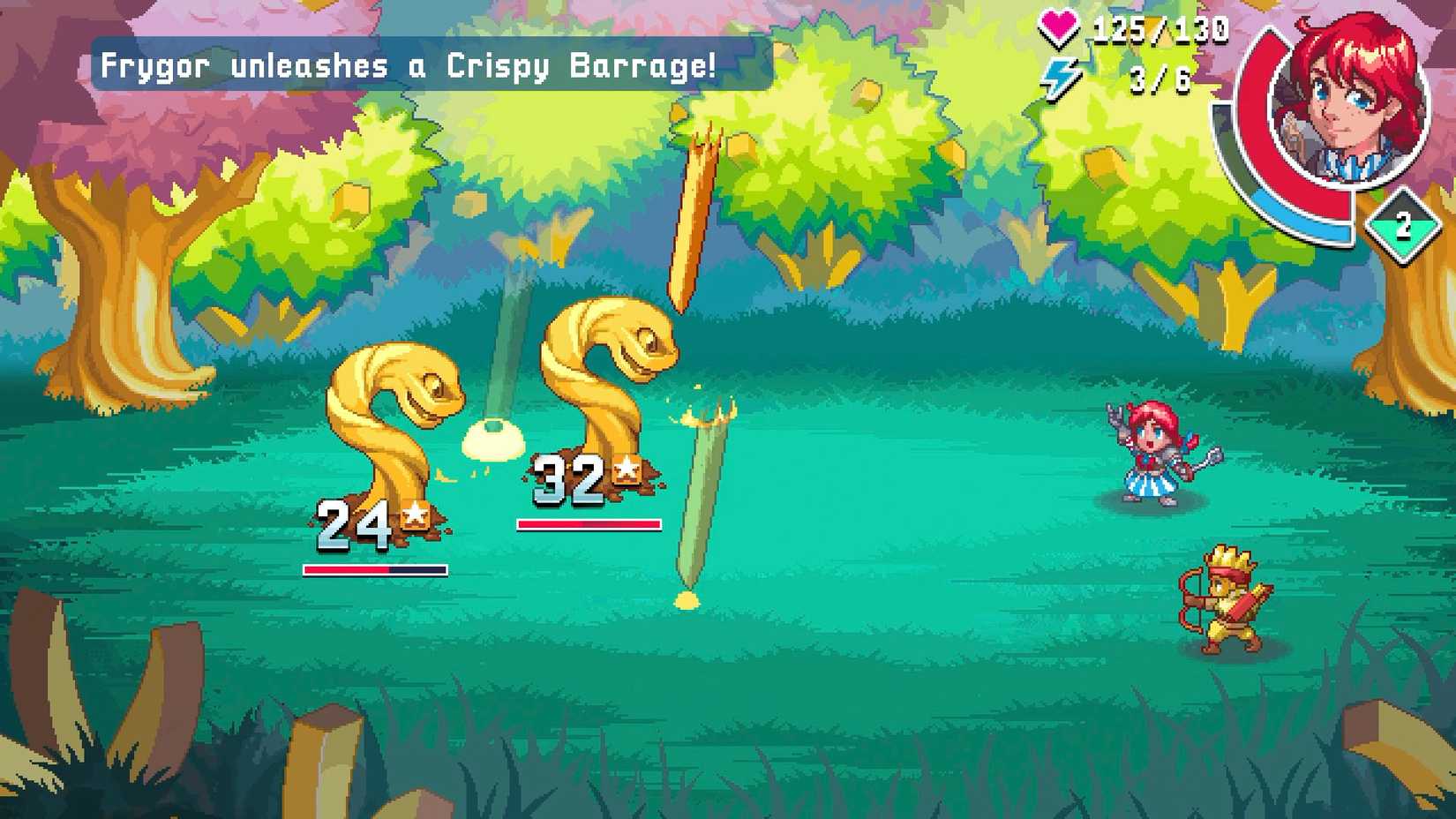
Players experiencing WendyQuest find that the title punches well above its weight class. Beyond its immediate 16-bit-era visual aesthetic, the combat system serves as the primary mechanical draw. The system is built around a gauge that rapidly fills up at the bottom of the screen, requiring players to time their attack button presses as close to full capacity as possible. Tapping too early results in reduced damage or a complete miss, while precise timing yields maximum output. It is a thoughtful touch that prevents WendyQuest from feeling like yet another derivative clone. Combined with a jokes-per-minute ratio on par with sharp television comedies, the project proves Cotichini’s initial sentiment: Wendy’s should not have a game that is genuinely this good.
Initially, the arrangement did not even guarantee public credit for the developers. According to Cotichini, that is simply the nature of these types of corporate agreements where an indie studio acts as a silent partner to build a product that a massive brand eventually launches. However, the developer pushed back against total anonymity. In late 2023, when the project initially entered development, artificial intelligence was already a disruptive force, though not yet the industry-demolishing presence it has since become. Public sentiment toward AI has grown increasingly hostile, with gaming audiences in particular demonstrating a visceral repudiation of generative tools. Even a promotional trailer featuring AI-generated assets can prompt a major gaming corporation to instantly reverse course and issue public apologies.
Cotichini emphasized the importance of ensuring audiences knew the game was 100 percent human-made by an actual independent studio. That artistic ethos is reflected directly in bold text front and center on the Steam pages for both WendyQuest and World of Anterra: "100 percent human made."
Reflecting on the grueling development process, Cotichini noted that a significant part of why World of Anterra succeeds in its design is because of the time and struggle required to bring it to life, elements that resonate directly within the final creative product. Earlier in that game’s development cycle, 81Monkeys briefly experimented with artificial intelligence for project management and efficiency, only to discover that the tools ultimately increased operational costs and decreased productivity while offering automated solutions to problems that human ingenuity had already solved. For WendyQuest, the marketing team at Wendy’s actively encouraged 81Monkeys to steer clear of AI workflows entirely.
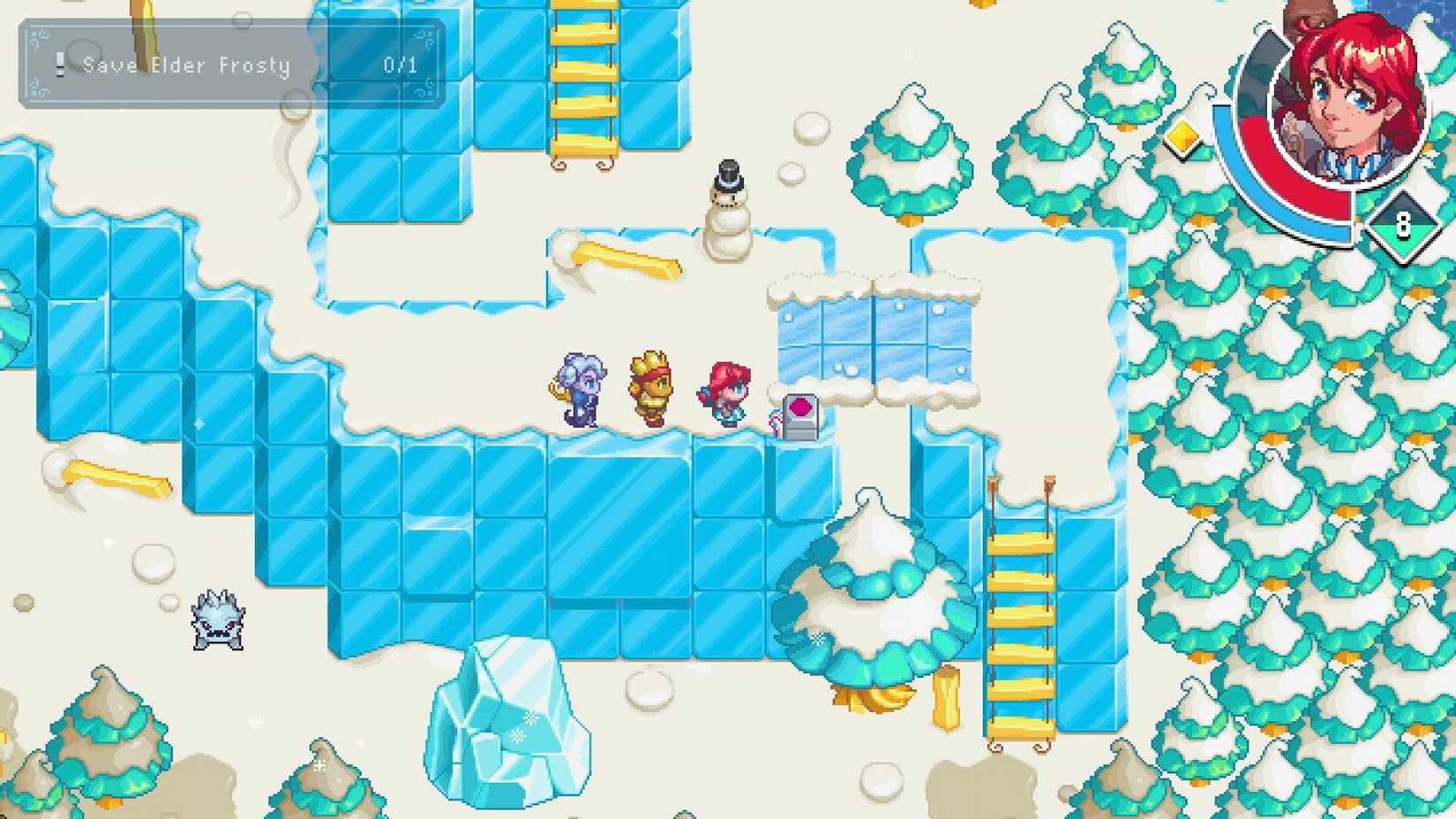
While WendyQuest may not boast the exhaustive depth of multi-million-dollar role-playing epics capitalizing on the industry’s nostalgia trends, it possesses a distinct richness and genuine authenticity in its design. That same authenticity explains why Songs to Listen to in a Wendy’s Parking Lot resonated so strongly with aging music fans—the tracks were composed by real, legitimate artists from bands people listened to decades prior. In an era where competing fast-food chains utilize generative AI to produce bizarre promotional imagery or implement dynamic pricing algorithms, Wendy’s investment in traditional artistic mediums stands out starkly against corporate trends.
Cotichini observes that creative work in general has grown increasingly watered down over recent decades due to excessive control by corporate business interests rather than creative minds, though he senses a potential swing back in the opposite direction. While partnering with a multi-billion-dollar enterprise might seem contradictory for an independent studio, the reality of the contemporary games industry cannot be ignored. The sector has endured a prolonged dry spell for traditional funding models, and viable financial alternatives are scarce. If a Fortune 500 company intends to allocate a fraction of its marketing budget, funding the overhead of a budding independent studio yields a far more culturally rich outcome than traditional digital advertising placement.
The games industry is suffering through difficult financial times, and Cotichini hopes that the success of WendyQuest might pave a new path forward. By spending a fraction of a typical corporate marketing budget on a genuinely well-made independent video game, brands can support talented developers while creating memorable experiences. His ultimate hope is that when audiences see that a branded game can actually be crafted with genuine care and creative integrity, more major brands will seek out similar partnerships, establishing a sustainable alternate funding source for independent developers across the industry.