
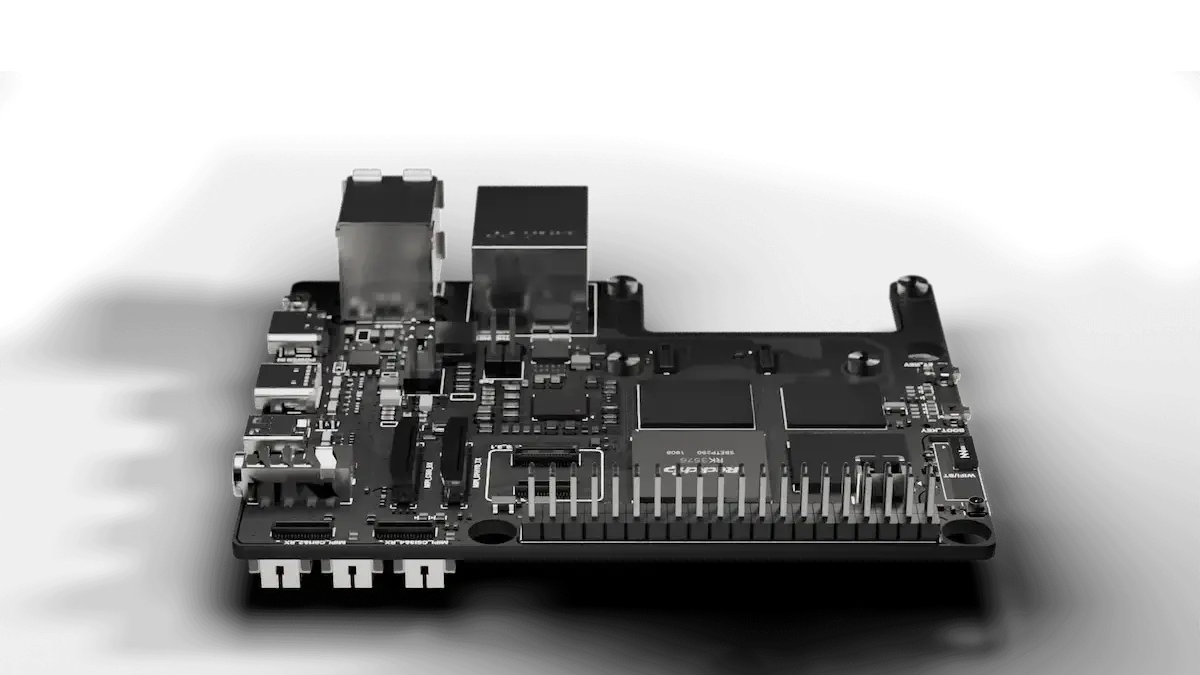
For anyone who has spent time tinkering with single-board computers (SBCs), the hardware upgrade cycle is a familiar frustration. A project typically starts with a clear vision—perhaps a computer vision setup or a home automation hub. Soon enough, the next iteration requires audio processing capabilities, or a dense array of environmental sensors. In the traditional SBC ecosystem, accommodating these shifting requirements usually means gathering a stack of hardware expansion hats to mount onto the general-purpose input/output header, or abandoning the board entirely to purchase a new model designed with different onboard peripherals.
Vicharak, an emerging hardware manufacturer that previously introduced the FPGA-based Vaaman and the RAM-centric Axon product lines, is attempting to alter this paradigm with its latest hardware release. The company has officially announced the Axon-Lite, a tiny ARM-based single-board computer designed around a reconfigurable computing philosophy. Rather than forcing developers to swap out entire boards or manage precarious stacks of peripheral hats, the Axon-Lite relies on swappable interface modules. This approach allows users to physically change the module attached to the board to match the demands of the current task, offering a flexible hardware platform for edge computing projects.
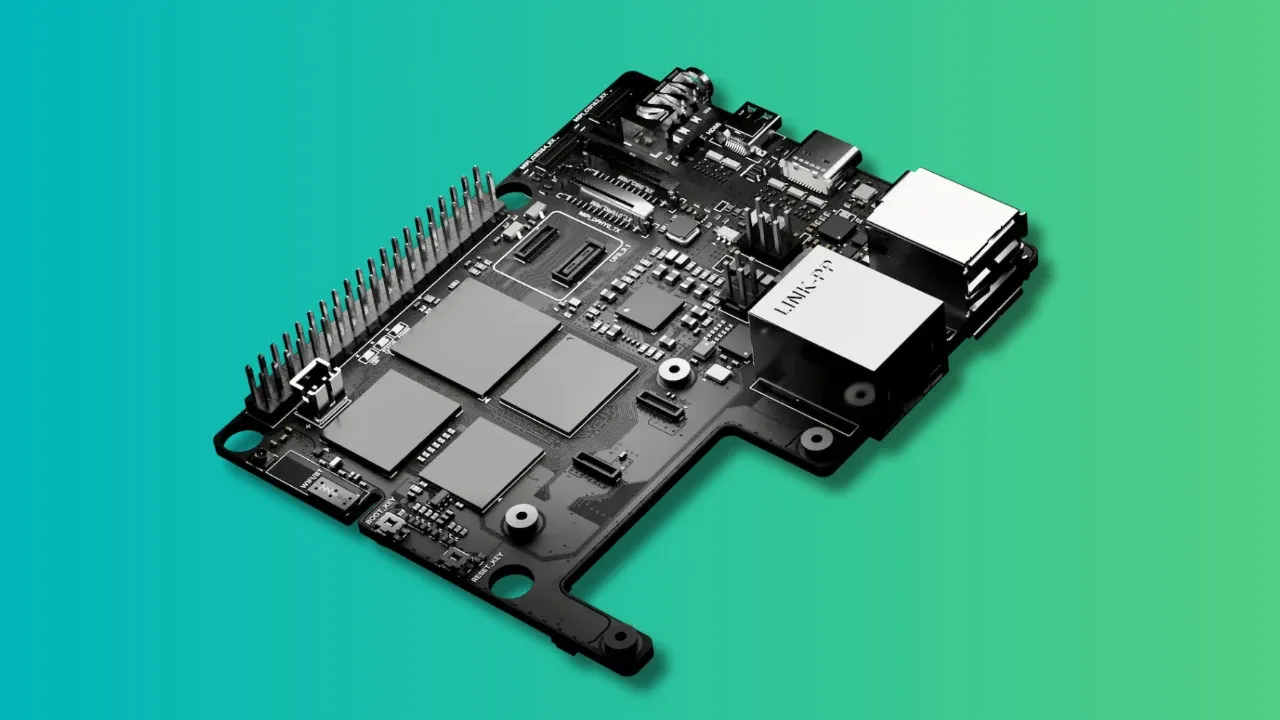
While Vicharak is relatively new to the broader global SBC market compared to industry legacy players, the engineering team is not entirely inexperienced. The Axon-Lite represents the smallest form-factor member of the broader Axon product family, scaling down the core architectural philosophy of the company’s existing lineup into a more compact and accessible footprint. The defining characteristic that separates this ARM board from the crowded field of alternative single-board computers is its emphasis on modular connectivity, designed to reduce hardware redundancy for developers working across multiple disciplines.
At the core of the Axon-Lite’s design is what the manufacturer describes as a modular connector interface. Instead of relying solely on traditional pin headers for every advanced function, the board utilizes a proprietary interface system where users can snap on distinct functional modules as needed. Current engineering disclosures from the company showcase four primary module variants: a Voice Processing module, a Smart Sensing module, an AI Data Hub, and an AI Vision module. In addition to these swappable interface modules, the hardware supports board-to-board expansion, enabling developers to attach a dedicated daughter board rather than swapping modules if a semi-permanent configuration is preferred.
This modular approach introduces notable design flexibility, though it does carry structural considerations for long-term development. A proprietary modular connector system is ultimately only as versatile as the ecosystem of expansion modules provided by the manufacturer. Because the interface relies on specialized connections rather than widely adopted open standards, developers remain tied to the roadmap and availability of expansion hardware offered directly by Vicharak.

Beneath these swappable modules sits the primary silicon driving the board: the Rockchip RK3576 system-on-chip. This octa-core processor occupies a strategic middle ground within Rockchip’s current processor hierarchy. It sits comfortably above entry-level processors like the RK3566 while operating just below the performance threshold of the high-end RK3588 flagship. For edge computing workloads, the RK3576 offers a sensible balance of processing capability and power efficiency.
Crucially for modern embedded development, the Rockchip RK3576 is paired with an on-board neural processing unit rated at 6 TOPS. This matches the NPU performance figures found on significantly more expensive boards powered by the RK3588, providing sufficient local computing power to execute computer vision pipelines and other on-device artificial intelligence models without relying on cloud connectivity. Furthermore, manufacturer specifications indicate that the system-on-chip is fabricated using a TSMC 5nm manufacturing process, highlighting its modern architectural lineage.
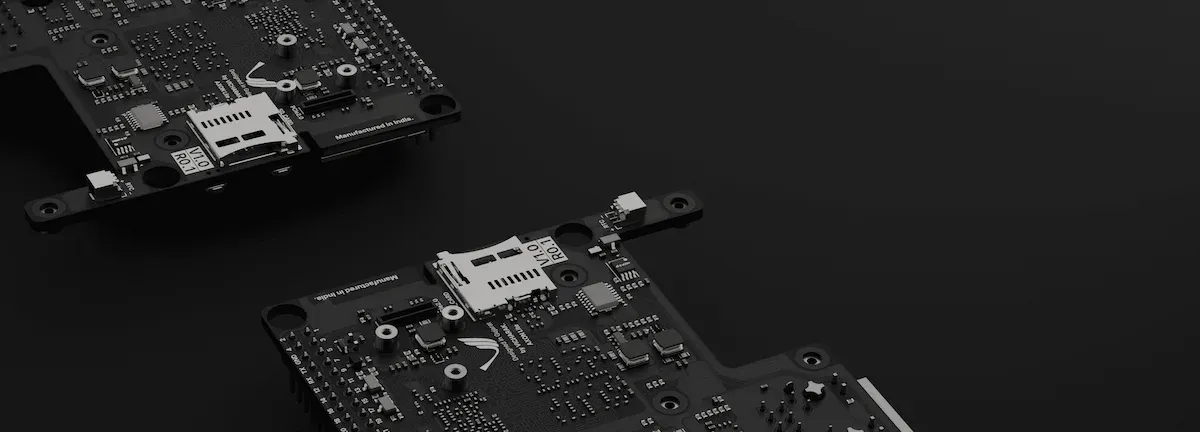
Memory and storage configurations on the Axon-Lite also reflect its modern design goals. The board incorporates fast LPDDR5 memory to feed the octa-core processor. Meanwhile, storage flexibility is a major strong suit, with native support for eMMC 5.1 modules, high-speed UFS 3.1 storage, and a traditional microSD card slot. The integration of high-speed UFS storage onto a single-board computer of this physical scale is a particularly notable inclusion, offering faster data read and write speeds that benefit data-intensive local applications and rapid operating system boot times.
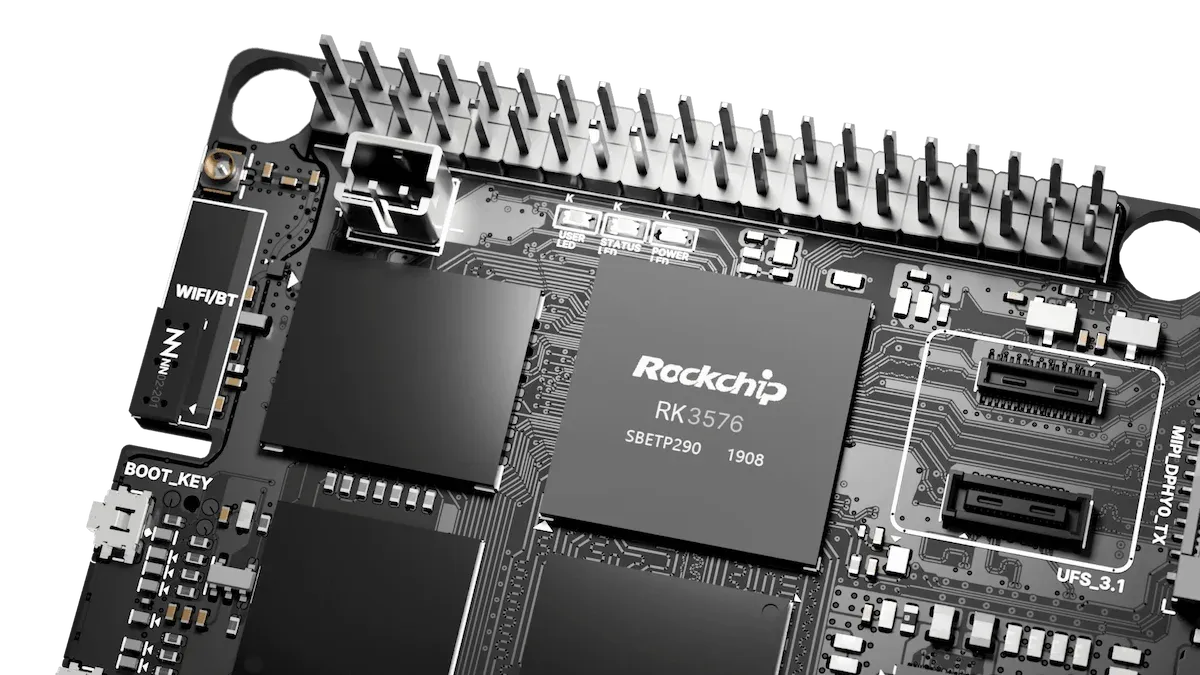
The input and output capabilities of the board are similarly well-rounded, particularly for projects centered around computer vision and optics. The hardware includes a four-lane camera serial interface path alongside additional two-lane CSI pathways to accommodate multiple camera sensors. For visual output, the board provides a four-lane display serial interface, a 16-megapixel image signal processor, a micro HDMI 2.1 port, and a USB Type-C port that supports native display output capabilities.
Networking and connectivity are handled comprehensively. The Axon-Lite includes modern wireless standards with Wi-Fi 6 and Bluetooth 5.2, alongside a physical Gigabit Ethernet port for wired network stability. To ensure backward compatibility with existing electronics accessories, the board retains a Raspberry Pi-compatible 40-pin general-purpose input/output header, allowing developers to reuse familiar pinouts, sensors, and legacy add-ons. Additionally, the inclusion of on-board battery charging circuitry hints at the board’s potential for untethered, mobile, and portable embedded deployments where external wall power is unavailable.
From a software perspective, Vicharak is positioning the Axon-Lite as a firmly Linux-first development platform. The operating environment utilizes a familiar Debian-style Linux distribution, supporting the standard advanced packaging tool workflow that developers have used for years across countless ARM platforms. This ensures that users transitioning from other single-board computers will encounter a familiar command-line environment without the need to learn proprietary operating systems or convoluted toolchains.
The software tooling ecosystem curated for the board spans a broad spectrum of development needs. For general software engineering, the platform supports standard development environments and utilities including Visual Studio Code, Git, Python, Docker, and Node.js. For the specialized communities working in artificial intelligence, robotics, and machine vision, the software stack incorporates modern frameworks and libraries such as ROS 2, OpenCV, GStreamer, FFmpeg, Jupyter notebooks, TensorFlow Lite, and the ONNX Runtime.
By combining this software versatility with physical modularity, Vicharak is deliberately targeting a wide demographic of users. The intended user base spans engineering students exploring embedded systems and machine learning, independent hobbyists building custom hardware projects, and professional product development teams prototyping commercial edge AI and vision solutions.
The Axon-Lite is currently available for pre-order, with production units scheduled to ship in January 2027. The hardware is offered in two primary RAM configurations. The 4GB RAM variant is priced at Indian rupees 15,930, which translates to approximately 165 US dollars, while the 8GB RAM variant carries a price tag of Indian rupees 18,299, or approximately 200 US dollars. Prospective buyers are advised to account for potential international shipping fees and local customs duties depending on their geographic region.

Leave a Reply