Welcome back to another comprehensive look at the most compelling developments across the technology landscape, as curated by Jon Phillips, Global Editorial Director for Foundry’s consumer brands. This week brings a whirlwind of high-profile industry drama, ambitious hardware releases, and a growing wave of corporate skepticism surrounding enterprise artificial intelligence. From dramatic executive downfalls to massive global software outages, the tech world has offered no shortage of talking points.
To understand the full scope of what is happening across the industry, it helps to look beyond a single publication. PCWorld shares a corporate family with several major tech and business titles under the Foundry umbrella—including TechCrunch, Macworld, Tech Advisor, CIO, and Computerworld. By pooling the expertise of these specialized newsrooms, we gain a unique vantage point on the trends shaping consumer gadgets, enterprise software, and executive boardrooms alike.
The Fallout of "Leathergate" and Nvidia’s Leadership Question
The biggest narrative dominating the industry this week centers on Nvidia. Following the sudden and dramatic departure of high-profile CEO Jensen Huang—unceremoniously ousted amid revelations regarding an affair with an alleged Chinese spy—the tech world has been left scrambling to analyze the fallout.
TechCrunch Editor-in-Chief Connie Loizos recently published a provocative and intentionally self-described "highly unscientific" list exploring potential successors to Huang’s vacated throne at Team Green. The candidate pool ranges from the highly improbable, such as AMD CEO Lisa Su, to industry insiders like Andrew Bell, who possesses the deep semiconductor engineering pedigree that Nvidia desperately requires during this turbulent transitional phase. Meanwhile, TechCrunch’s Amanda Silberling has assembled a detailed timeline mapping out the entire sordid scandal.
In an ironic twist, Phillips turned to artificial intelligence—specifically ChatGPT, powered by the very silicon architecture Nvidia pioneered—to find a proper descriptor for the public meltdown. The resulting moniker, "Leathergate," references Huang’s trademark leather jacket aesthetic and has quickly caught on as the shorthand for the unfolding corporate drama.
Apple Hardware Milestones and the Post-iPhone Era
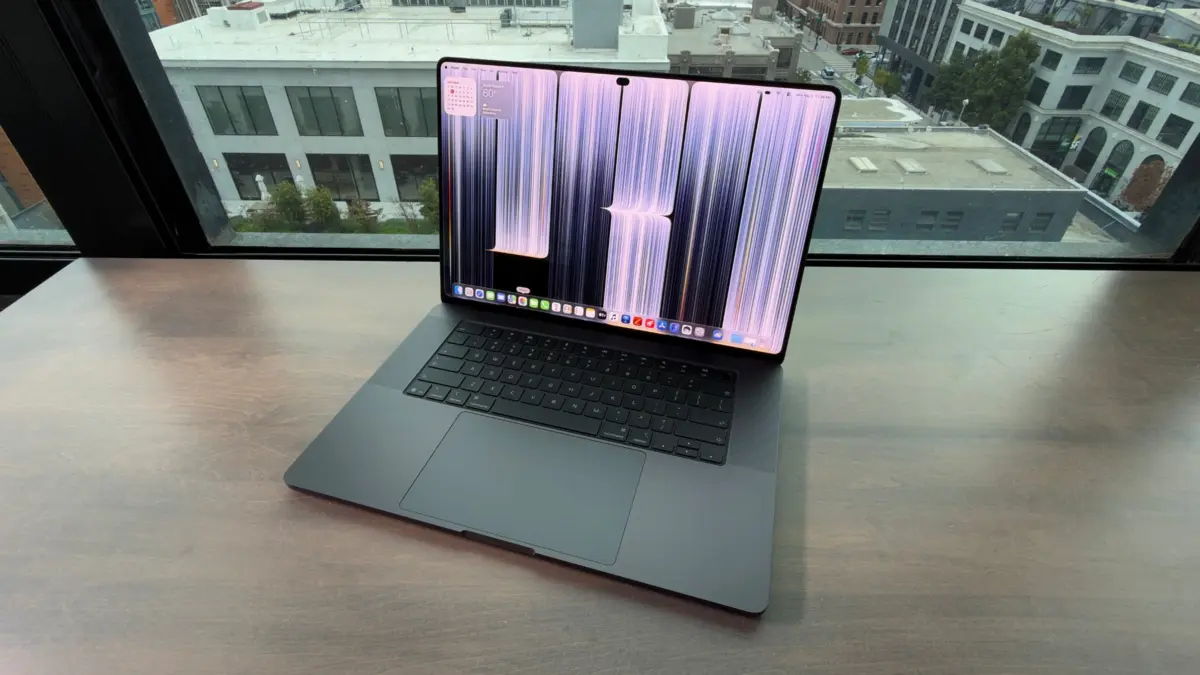
Shifting focus from semiconductor boardrooms to the consumer hardware space, Apple has once again sparked fierce debate among enthusiasts and critics alike. Senior Editor Roman Loyola recently published an exhaustive review of the newly minted MacBook Pro featuring the PROLED XDR Display for Macworld. His verdict was overwhelmingly positive, culminating in a remarkably rare five-star score. While Apple loyalists are celebrating the milestone, the accolade has predictably stirred debate among Windows enthusiasts who continuously scrutinize the value and performance metrics of Apple’s pro-tier laptop lineup.

Beyond traditional portables, the Apple ecosystem is also looking toward a radically different future. Contributor Mahmoud Itani recently argued that HomeView represents Apple’s first true post-iPhone device. The core thesis behind this perspective is that the unconventional smart home hub is deliberately designed and engineered for an eventual future where Apple’s iconic smartphone is no longer the undisputed center of the consumer tech universe. Whether this vision accurately predicts the direction of consumer electronics remains to be seen, but it highlights a growing recognition among analysts that hardware manufacturers are actively planning for life after the smartphone boom.
Mobile Innovation and the Limits of Corporate AI
While Apple reimagines the smart home, the mobile landscape continues to evolve through more traditional form factors. Writing for Tech Advisor—a publication that firmly believes smartphones remain the definitive future of personal computing—contributor Jon Mundy has identified the Motorola Signature 27 as the standout mobile device of the year. Following extensive hands-on testing, Mundy highlighted the device’s exceptional camera technology, vibrant display performance, and refined tactile design, positioning it as a major triumph for Motorola in an increasingly crowded market.
At the enterprise level, however, the mood is considerably more cautious, particularly when it comes to the relentless industry-wide push into artificial intelligence. Writing for CIO, senior writer Grant Gross published a revealing report detailing a growing wave of discontent among C-suite executives regarding their companies’ incremental AI rollouts.
According to survey data cited from IT advisory services provider Avanade, nearly two-thirds of surveyed CEOs report that artificial intelligence has not yet delivered financial returns or operational efficiencies that justify the massive investments and organizational effort poured into it. This disconnect highlights a persistent friction point within modern corporations: executive leadership demands faster, more impactful AI integration to satisfy shareholders, while everyday employees increasingly feel that generative tools are being shoehorned into workflows simply for the sake of corporate marketing—allowing companies to claim they are utilizing AI whether it genuinely improves the product or not.
Global Software Outages Disrupt Operations Worldwide
Wrapping up the week’s major developments is another massive tech mess that impacted millions of professionals directly. Computerworld published detailed coverage of Microsoft’s ongoing struggles to stabilize and restore its M365 services following a widespread global outage that knocked out Outlook and related productivity tools.
The unexpected downtime disrupted communication channels for enterprises, educational institutions, and individual users across the globe, serving as yet another stark reminder of the fragile dependency modern society places on centralized cloud infrastructure. Whether the sudden silence in corporate inboxes brought momentary relief or profound operational chaos, the incident underscores the continuous vulnerability of enterprise software as cloud providers scale to meet global demands.