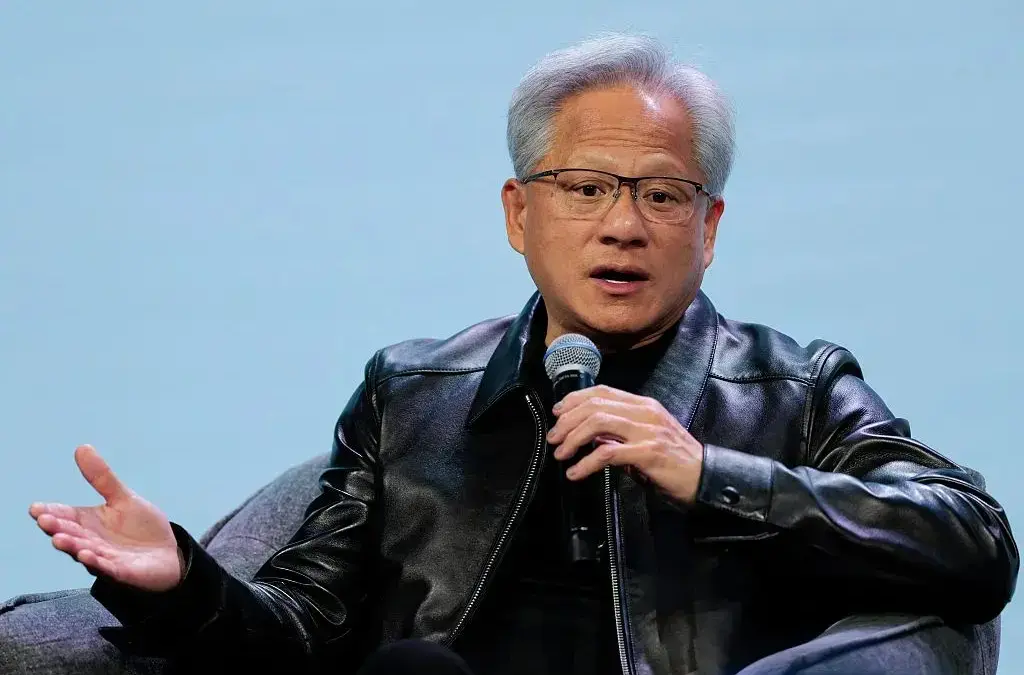
Despite Nvidia founder and former CEO Jensen Huang’s recent public offer to return to the chip company he helped build from the ground up, corporate leadership has made it clear that the organization is not looking to take him back.
During the company’s earnings call, Nvidia chairman Harvey C. Jones told listeners that Huang’s potential return was simply not something that company leadership was considering. The firm is steadfastly moving forward under interim leadership while searching for a permanent replacement.
“On November 12, our board of directors announced that after disclosure of personal behavior inconsistent with the company’s code of conduct, standards, and cultural norms,” Jones said during the call, “Jensen Huang voluntarily resigned his positions as president, CEO, and board member. The Nvidia board unanimously accepted his resignation and does not intend to reinstate Jensen as CEO.”
The rejection follows a dramatic social media post earlier in the day in which Huang stated that since he left the company, he had seen an outpouring of calls from Nvidia’s employees, investors, business partners, and customers urging him to return as chief executive. He added that if the board of directors decided that his return was in the best interest of shareholders, employees, the company, and the United States, he would be honored to answer those calls and resume his former role.
Huang’s abrupt departure last week sent shockwaves throughout the global technology industry at a precarious moment when the future of the artificial intelligence business—an arena in which Nvidia plays a pivotal, foundational role—hangs in the balance. His exit came to light amid revelations regarding a series of extramarital affairs, including one with a woman who has been accused by U.S. officials of being a Chinese intelligence agent.
That individual, former Megaspeed executive Alice Huang, maintained close ties to the former Nvidia CEO for years. The relationship has raised serious national security questions, with critics worrying that the personal connection may have inappropriately influenced Nvidia’s sensitive corporate dealings with China. Furthermore, U.S. intelligence officials have expressed suspicions that she works for China’s Ministry of State Security.
Despite these serious allegations, the fallout has seen mixed commentary from political figures. Notably, former U.S. leadership previously remarked that Huang’s affair with the alleged Chinese spy did not present a direct threat to national security, though the scrutiny surrounding the situation has nonetheless intensified.
The unfolding crisis has triggered a cascade of regulatory and corporate investigations. Nvidia’s board initiated an independent investigation into Huang’s activities, and the Securities and Exchange Commission has launched a probe into the chipmaker amidst the sudden departure of its long-serving chief executive.
In the wake of Huang’s departure, the board named Colette Kress as interim CEO. Kress, who continues to serve as the chipmaker’s chief financial officer and executive vice president, has stepped into the leadership vacuum while the board conducts a comprehensive search for a permanent successor. During the earnings call, Jones elaborated on the ongoing search, confirming that corporate leadership is actively evaluating both internal and external candidates to guide the company through its next chapter.