
Recent computing equipment typically supports the 16Gbps PCIe 4.0 protocol as its baseline data transfer and solid-state storage technology. While Gen 4 is slowly being supplanted by 32Gbps PCIe 5.0—with most modern computers mixing the two protocols depending on motherboard layout—the real-world performance difference is not as dramatic as many consumers might assume. A significant amount of everyday software, which unfortunately includes the Windows operating system itself, cannot yet take full advantage of the extreme theoretical limits offered by the newest generational leaps. Furthermore, PCIe 5.0 drives still demand a hefty financial surcharge that makes them a luxury rather than a necessity for average users.
At the time of this writing, solid-state drive prices have been soaring while market availability shrinks, driven in large part by the unprecedented global demand fueled by the artificial intelligence gold rush. Consequently, newly researched market prices fluctuate significantly compared to older historical benchmarks. Despite these supply chain pressures, rigorous testing across nearly three dozen PCIe 4.0 drives has helped identify the cream of the crop, tailored for a diverse array of consumer needs. Whether a user is looking to perform a simple system upgrade or build a brand-new rig from scratch, a suitable PCIe 4.0 NVMe storage option remains available for every major platform.

Industry evaluations of computer hardware require exhaustive testing that pushes the limits of every product, moving past simple synthetic performance benchmarks to examine the practicalities of regular, day-to-day use. Experienced reviewers look closely at how storage solutions handle sustained data transfers, thermal loads, and varying file sizes. Because modern PC users demand reliability alongside raw speed, only the highest-performing hardware earns a spot among top recommendations.
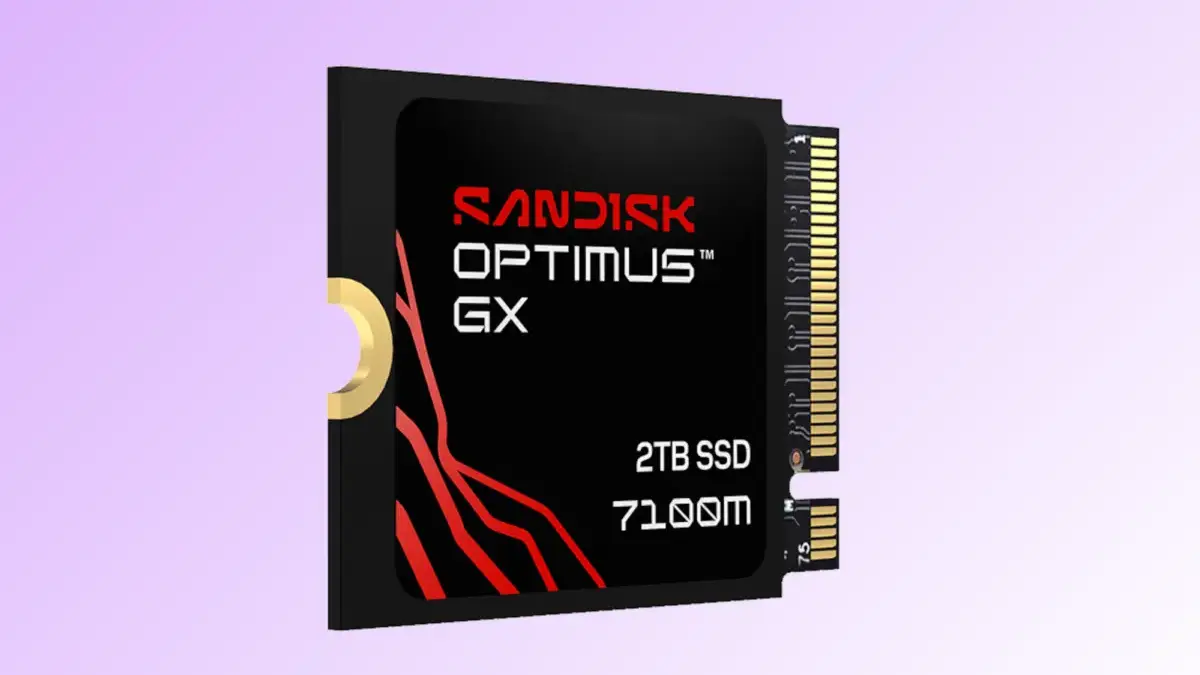
WD Black SN7100 and SanDisk Optimus GX 7100: Best Overall PCIe 4.0 SSD
Shoppers looking for top-tier sequential performance while spending slightly less money should turn their attention to the WD Black SN7100, which continues to be sold under that established name while transitioning to the SanDisk Optimus GX 7100 moniker going forward, following corporate restructuring involving Western Digital and SanDisk.
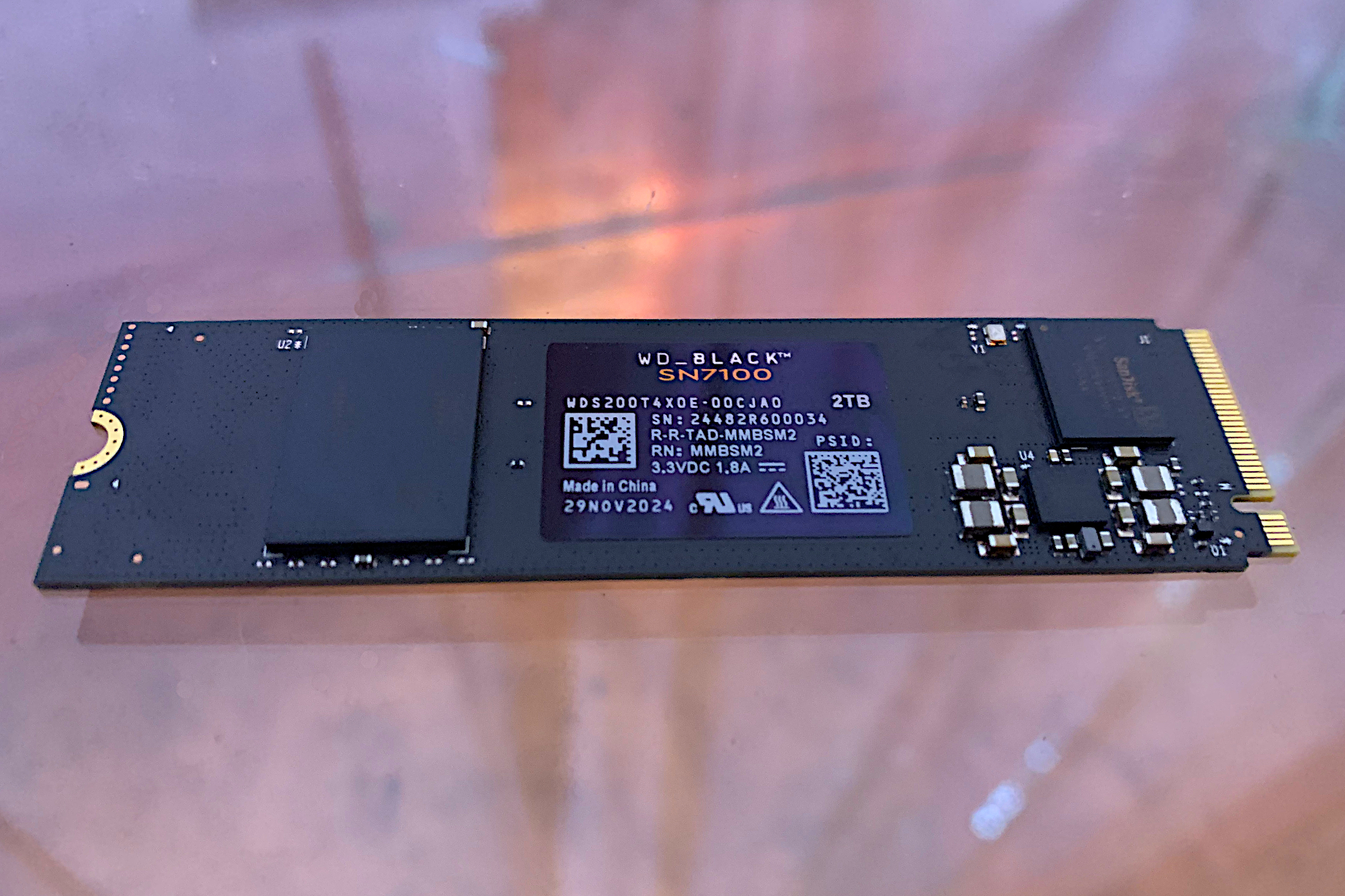
Evaluators have been deeply impressed by the host memory buffer performance of the 2TB version of this drive, which narrowly missed claiming the absolute top spot against competing hardware by an extremely slim margin. Unlike some competing models that suffer from severe availability issues online, the Black SN7100 remains accessible to consumers, securing its position as a premier recommendation.
There is a fundamental engineering trade-off inherent in host memory buffer design solid-state drives like the SN7100. These drives utilize the host system’s primary memory system for caching duties, a mechanism that can actually deliver slightly faster sequential file transfers while occasionally trading away peak random performance. Conversely, drives equipped with dedicated onboard DRAM offer significantly better random and 4K file performance. Better random performance translates to a slightly snappier operating system experience, though this nuance can be very difficult for users to spot with the naked eye during routine tasks. Carrying the industry-standard five-year warranty alongside a robust terabytes-written endurance rating, this drive stands out as an exceptional choice for average users and gamers alike.
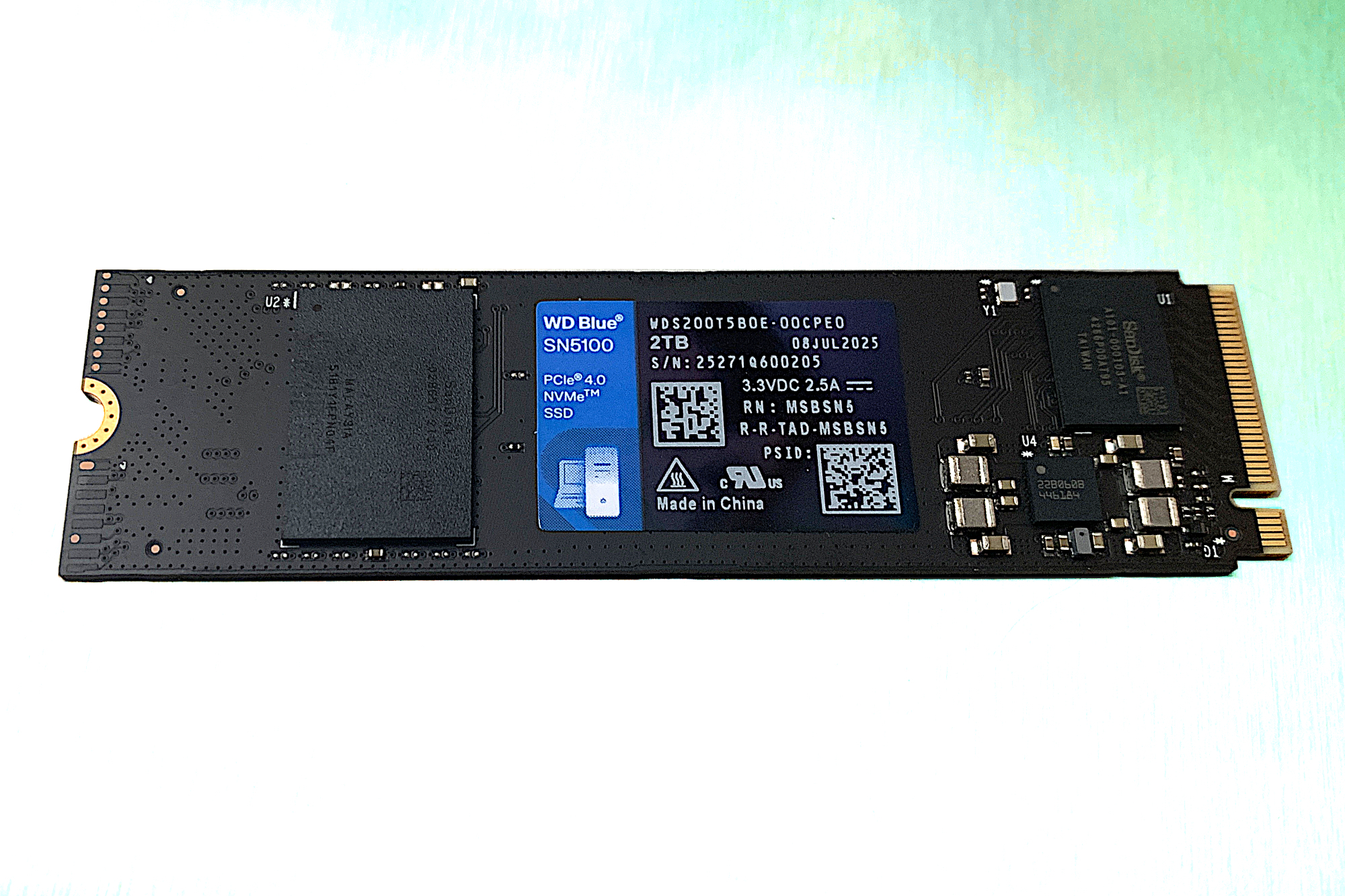
WD Blue SN5100 and SanDisk Optimus 5100: Best Budget PCIe 4.0 SSD
Describing any modern solid-state storage device as a true budget option has become challenging, but buyers can still save considerable money by opting for DRAM-less designs that rely on host memory buffer technology. While these drives once retailed at much lower price points before industry demand shifted upward due to broad technological expansions, the SN5100—also known in certain markets as the SanDisk Optimus 5100—remains widely available when many competitors are sold out.
As the direct successor to previous bargain picks, this newer iteration performs better across nearly all testing metrics, with the most notable improvements appearing in sustained and sequential data throughput. Because pricing structures remain competitive, selecting the faster option provides clear advantages for budget-conscious builders who refuse to compromise entirely on speed. During rigorous laboratory testing, this storage drive ranked impressively high among host memory buffer alternatives, dominating extended file writing tasks by a wide margin and proving that modern host memory buffer implementations sacrifice very little in sequential speed.
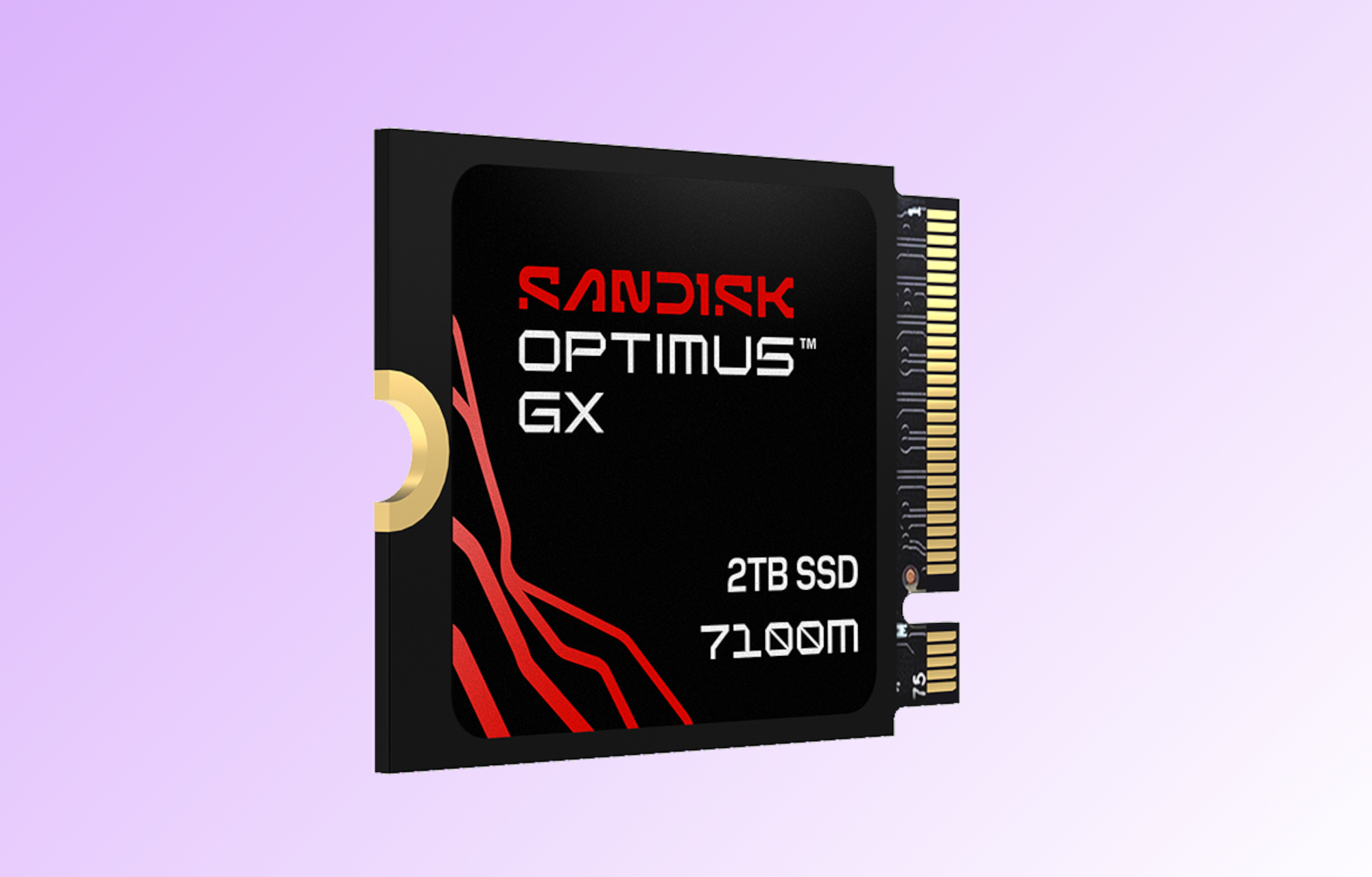
SanDisk Optimus GX 7100M: Best PCIe 4.0 SSD for Handheld Gaming Devices
For owners of portable gaming handhelds, finding internal storage that balances physical constraints with high performance is critical. The Optimus GX 7100M arrives in the exact 2230 form factor required by compact systems like the Steam Deck, but it thoroughly outperforms shorter-body competitors by delivering exceptional speed figures.
This model represents the fastest 2230 drive tested, and remarkably, one of the fastest PCIe 4.0 drives of any physical size evaluated in laboratory testing. Its dominance in random 4K performance is particularly striking given its host memory buffer design, a category that historically lagged in small-form-factor workloads. While the drive commands a noticeable price premium over older alternatives, it remains the definitive choice for users who demand absolute peak performance from their portable gaming hardware.
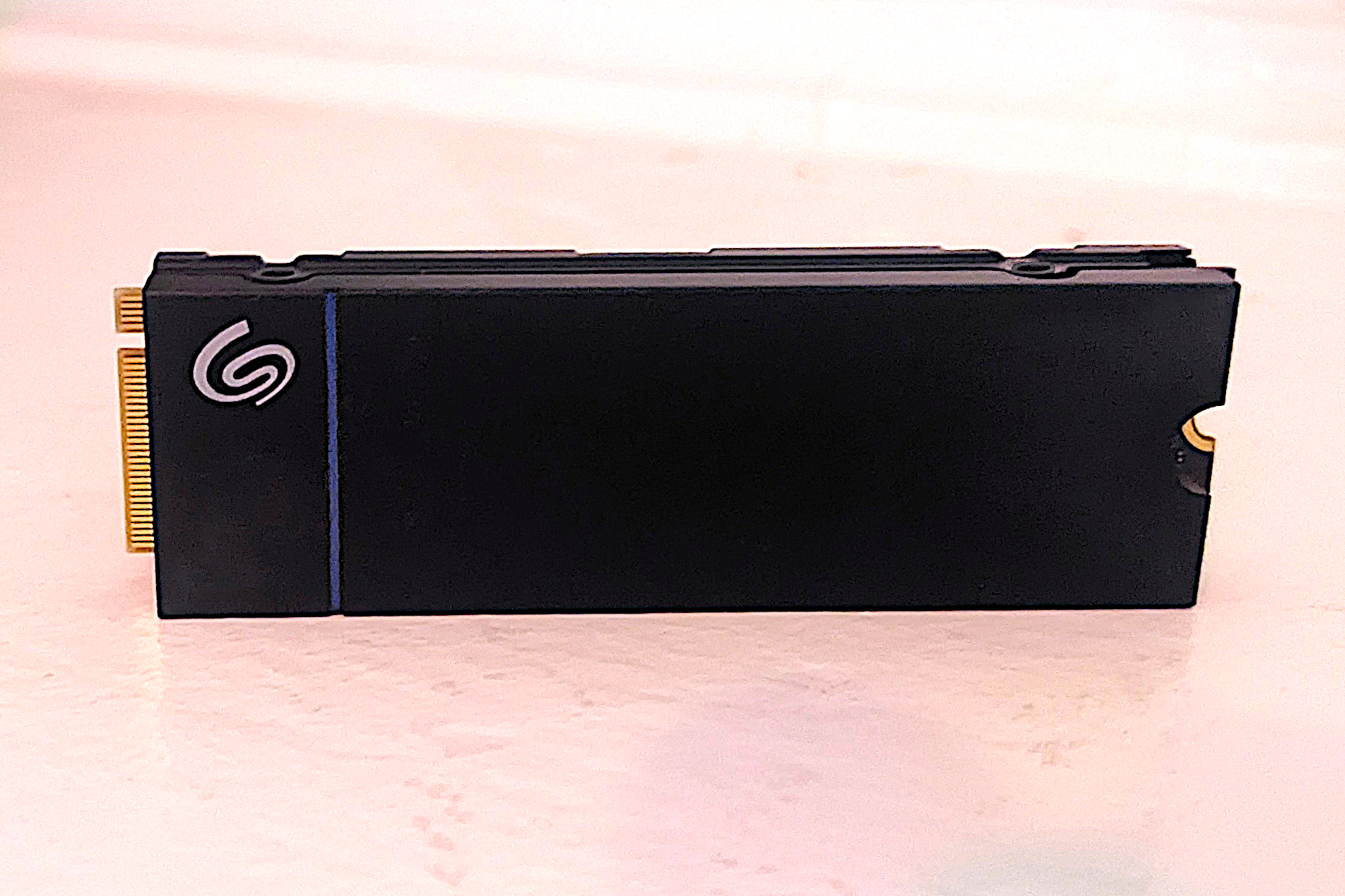
Seagate Game Drive: Best PCIe 4.0 SSD for the PlayStation 5
Designed specifically with next-generation home video game consoles in mind, the Seagate Game Drive PS5 NVMe SSD utilizes onboard DRAM for primary caching duties. This inclusion is almost essential for wringing maximum performance out of Sony’s console architecture.
Because the PlayStation 5 operating system does not support host memory buffer technology, storage solutions lacking dedicated DRAM are forced to rely exclusively on slower secondary caching mechanics. Available in generous capacities, the drive ensures ample space for massive game installations. Although supply can occasionally be limited, the hardware earned recognition as one of the fastest PCIe 4.0 drives for random operations. Backed by an extraordinary endurance rating that doubles the industry norm, console owners can integrate this storage solution with absolute confidence.
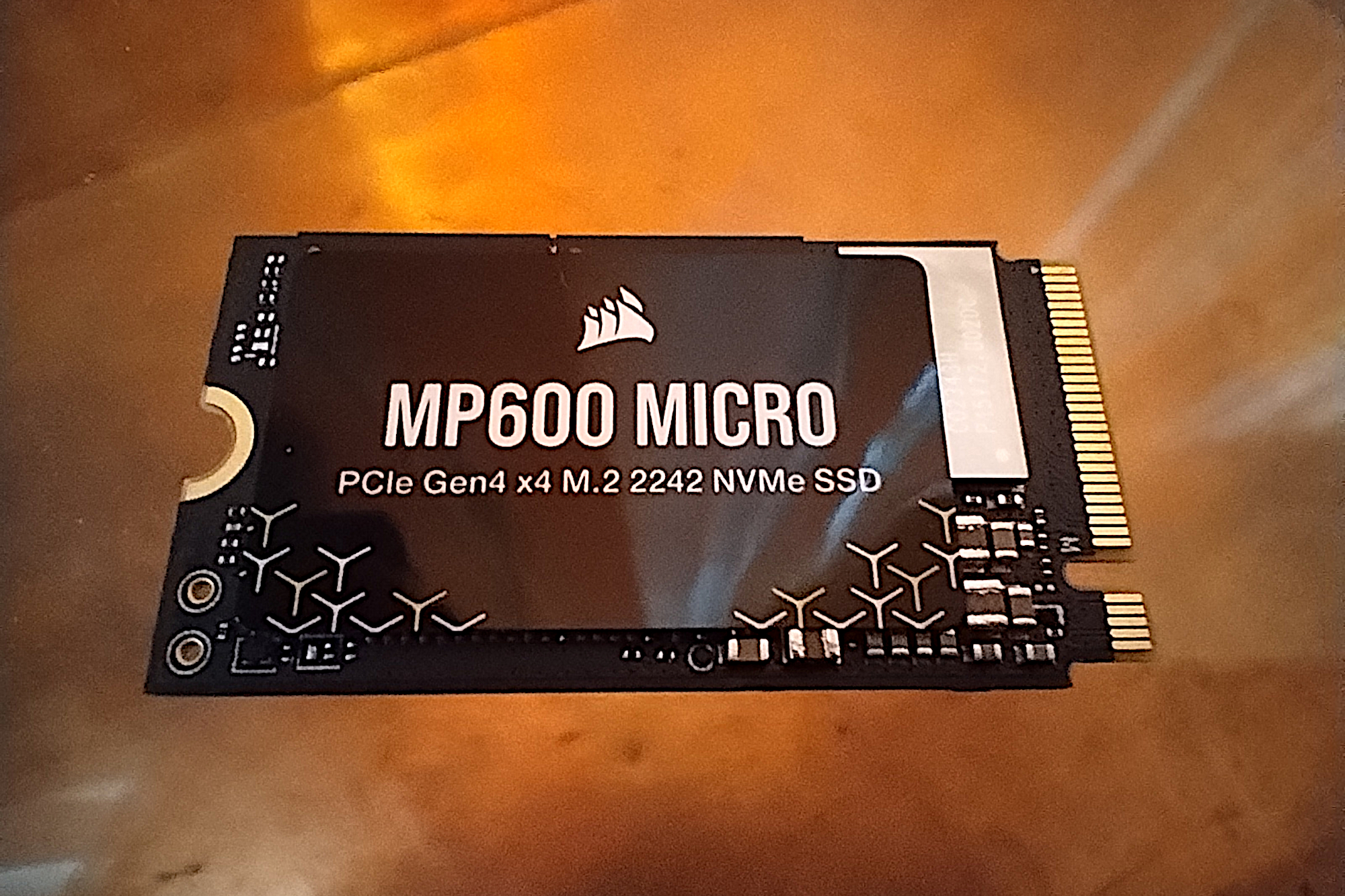
Corsair MP600 Micro: Best 2242 Form-Factor SSD
Filling a specialized niche for modern computing devices that require storage larger than the 2230 standard found in handheld consoles but cannot accommodate full-sized 2280 modules used in traditional desktops and laptops, the Corsair MP600 Micro utilizes the 2242 form factor, measuring 22 millimeters wide by 42 millimeters long.
Pioneered by portable enterprise laptops and specialized gaming handhelds, the 2242 market segment has matured significantly. While the MP600 Micro may not hold the absolute speed crown across all categories, it stands out as the fastest drive within its specific physical dimension class, delivering real-world performance metrics that compare favorably against many larger desktop modules.

Testing Methodology and Technical Evaluation
Evaluating internal storage requires standardized environments running modern operating systems paired with high-performance motherboards, robust multi-core processors, and high-speed memory modules. Synthetic benchmarks such as CrystalDiskMark, AS SSD, and ATTO help map out the theoretical maximum potential of each storage device. Following synthetic evaluations, real-world file transfer scripts involving substantial data blocks provide a clear picture of how hardware behaves under sustained pressure.
Performance numbers always apply specifically to the exact capacity and sample tested by evaluators. Solid-state drive performance naturally varies across different capacity tiers due to the physical number of internal NAND flash packages available for parallel reading and writing operations, as well as the allocated size of the secondary write cache. While modern manufacturing processes ensure high reliability, consumers should always match their hardware purchases to the specific physical and architectural requirements of their host systems to avoid mismatched performance expectations.

Leave a Reply