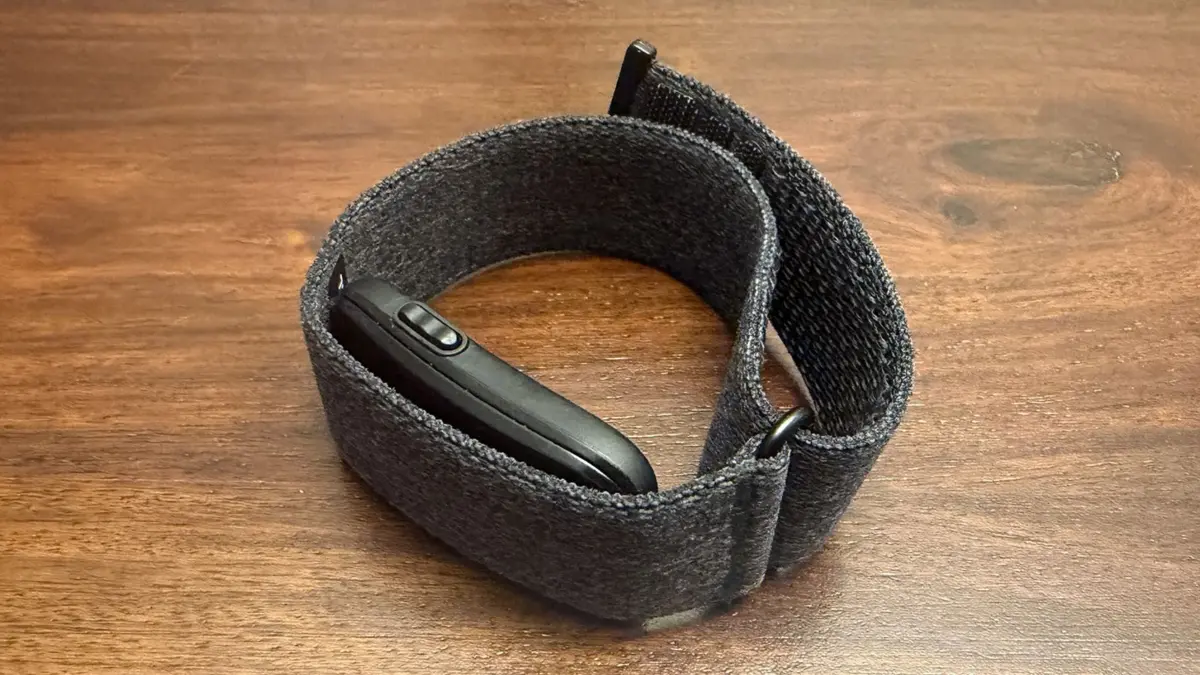
In an era increasingly defined by digital exhaustion and "always-on" connectivity, consumers are actively seeking ways to step back from glowing screens without sacrificing their health and fitness data. This cultural fatigue with constant notifications and wrist-bound displays has paved the way for a burgeoning market of screenless fitness bands and health trackers. While smartwatches and traditional fitness trackers remain popular, screenless alternatives capture identical metrics—ranging from heart rate variability to sleep stages—entirely in the background, allowing wearers to go about their daily lives without digital distractions.
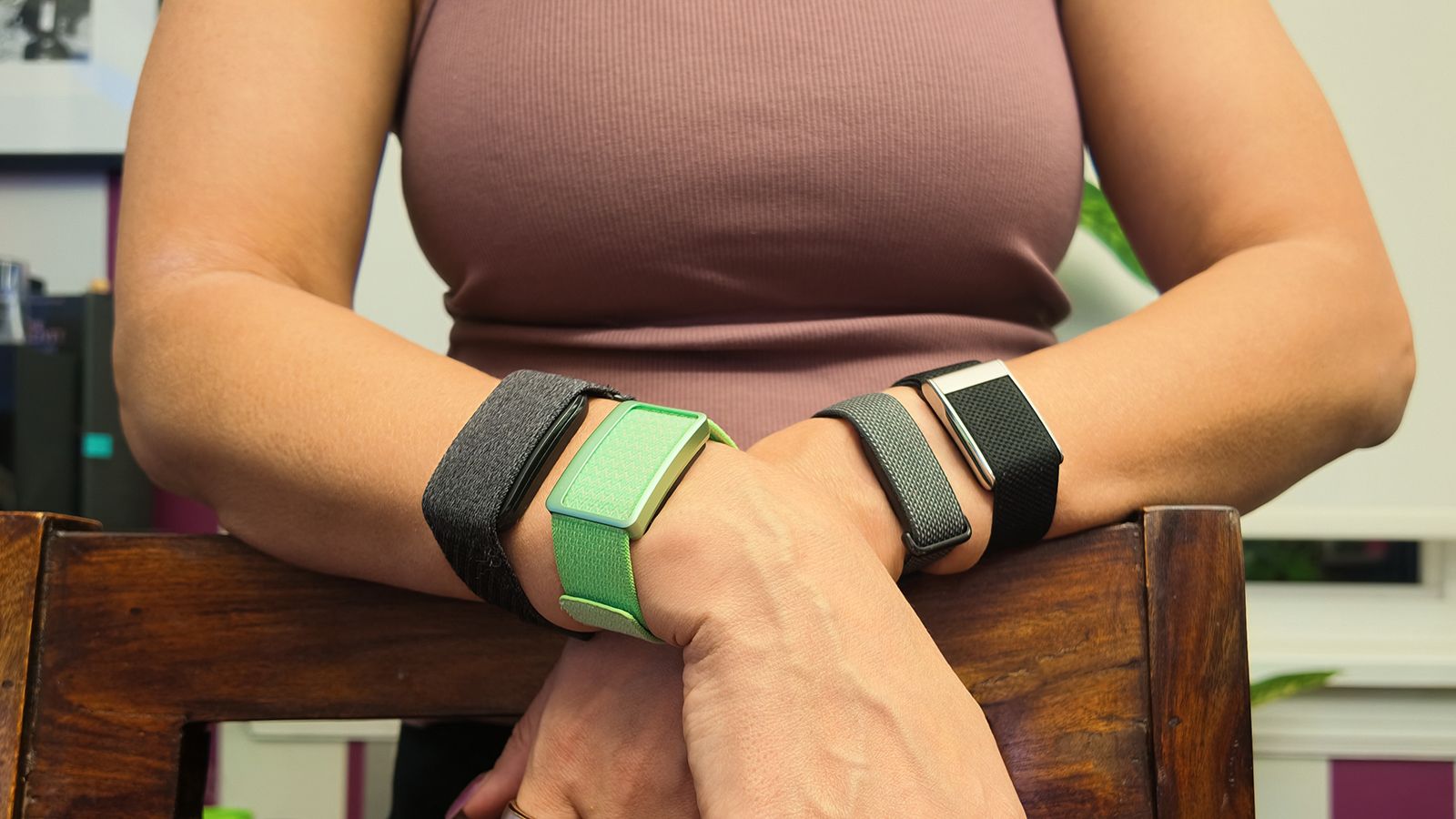
Historically dominated almost exclusively by brands like Whoop, the screenless tracker market has rapidly evolved. Today, tech giants such as Google Fitbit and Garmin have entered the space, alongside specialized competitors like Luna, Hume, and Amazfit. Testing multiple screenless fitness bands simultaneously reveals that while these devices share core capabilities, they diverge significantly in design philosophy, battery endurance, companion app ecosystems, and subscription requirements. Navigating this expanding landscape requires understanding how each device aligns with specific user needs, preferences, and budgets when paired with an Android smartphone.
At a Glance
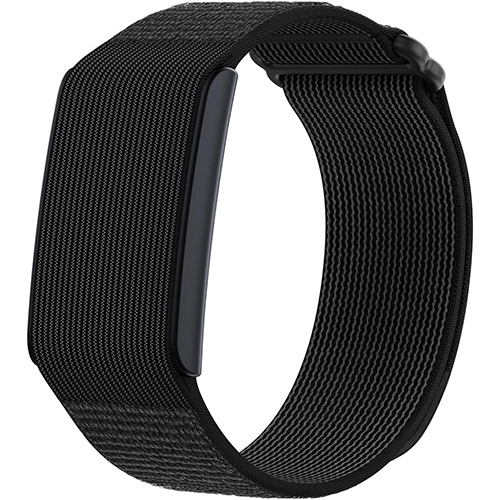
The current market offers distinct options tailored to different consumer priorities. Leading the pack for everyday users is the Google Fitbit Air, praised for its lightweight form factor and deep AI integration. For dedicated athletes who prioritize raw training data over software coaching, the Garmin CIRQA delivers physical controls and robust tracking. Meanwhile, the Luna Band emerges as a strong contender for those seeking an AI-driven experience without recurring monthly fees. At the high end, the Whoop MG caters to users prioritizing medical-grade insights, while the Hume Band 2.0 offers a lifestyle-focused alternative. Finally, the Amazfit Helio Strap provides a budget-friendly entry point with unique features like live heart rate broadcasting.
Best Overall: Google Fitbit Air
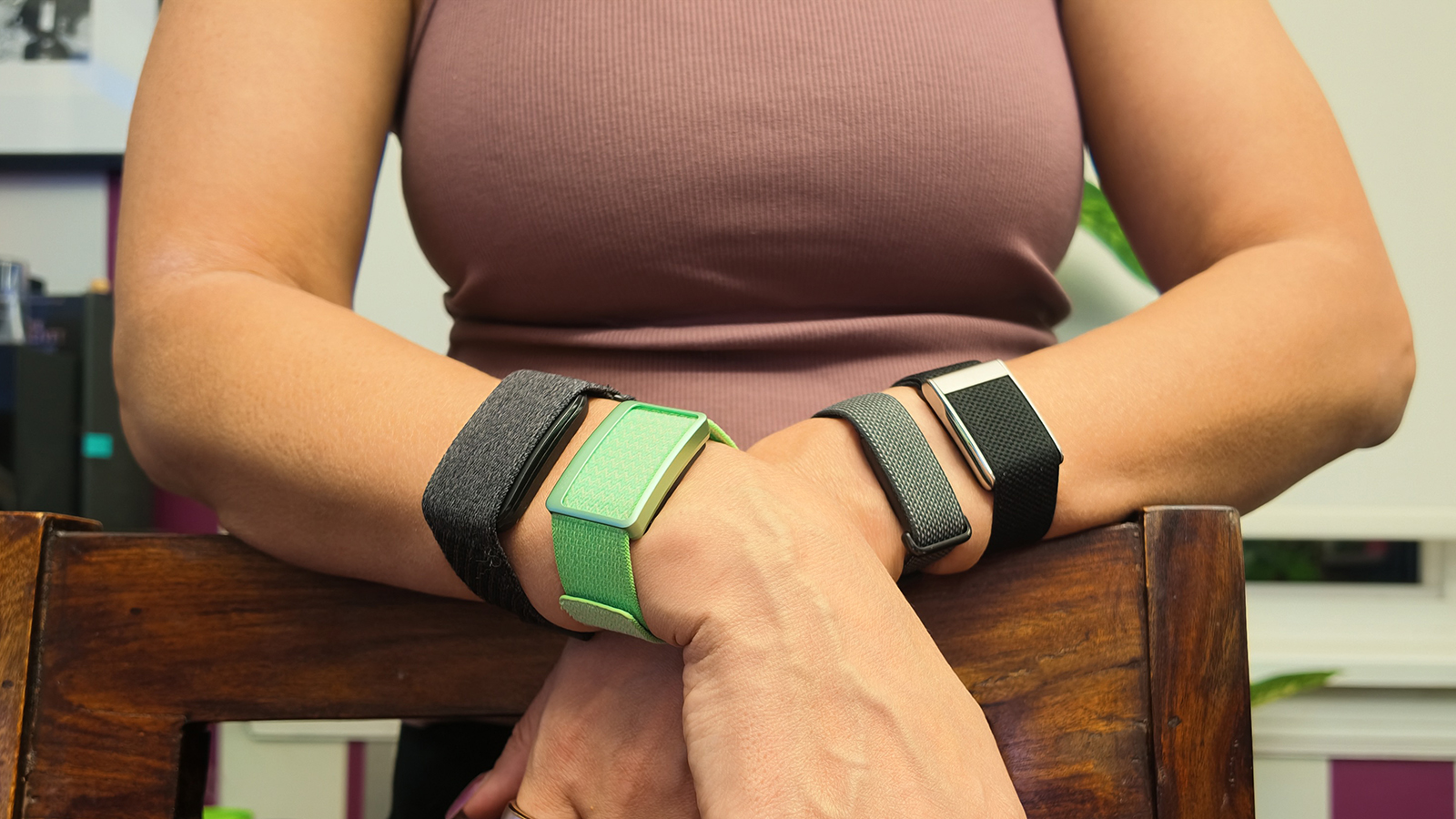
The Google Fitbit Air successfully bridges Fitbit’s decades-long expertise in activity and sleep tracking with Google’s modern prowess in design, machine learning, and app architecture. Thin, lightweight, and comfortable, the band manages to pack robust biometric sensors into a remarkably slender profile. While basic metrics are accessible through the free version of the companion app, the device truly shines when paired with a Google Health Premium subscription.
The AI Coach feature stands out as a sophisticated virtual companion. Rather than simply regurgitating raw numbers, it answers contextual questions regarding sleep quality, provides tailored exercise modifications around injuries, and logs specific weightlifting sets and repetitions. Furthermore, food logging is streamlined through voice dictation or meal photography, generating detailed breakdowns of caloric intake, proteins, fats, and carbohydrates.
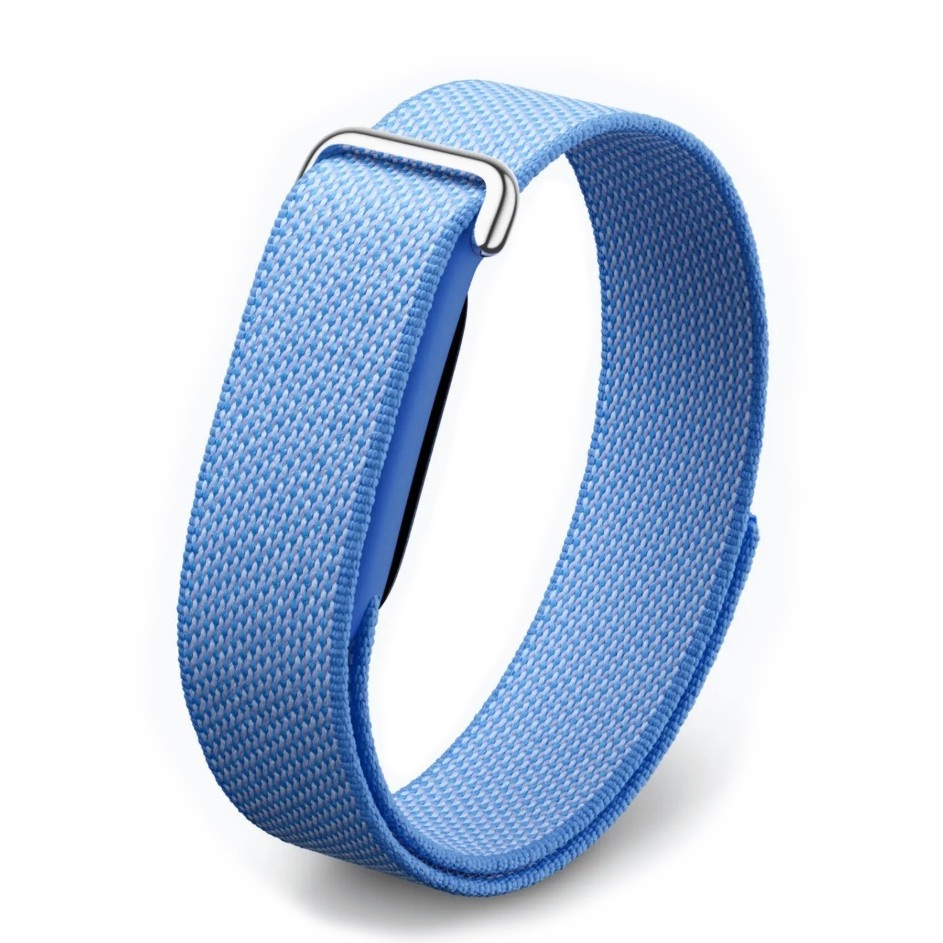
The companion app organizes essentials such as heart rate, detailed sleep stages, blood oxygen saturation, and recovery scores into an easily navigable dashboard. Reviewers note minor omissions, such as built-in GPS and an ECG sensor, but given the band’s accessible upfront pricing, these compromises feel justified. For users willing to utilize the three-month trial period, the Fitbit Air proves that subscription-backed software enhancements can genuinely elevate the everyday fitness tracking experience.
Best for Fitness Buffs: Garmin CIRQA
For consumers whose primary objective is rigorous fitness tracking without software paywalls, the Garmin CIRQA offers a compelling alternative. While noticeably thicker and wider than its minimalist competitors, the fabric ComfortFit band remains comfortable for continuous wear. Crucially, Garmin tracks all foundational health and activity metrics without requiring an ongoing subscription.
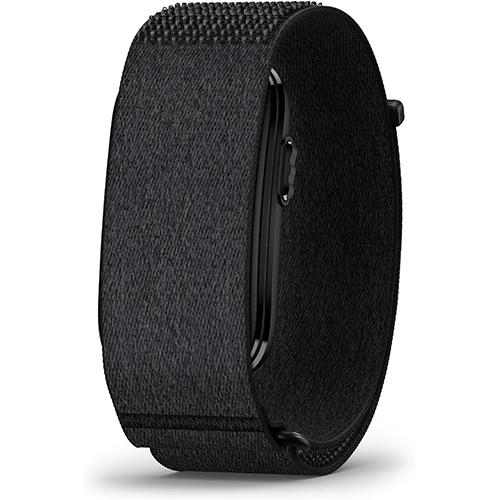
The CIRQA distinguishes itself as the only screenless band in its class equipped with a physical side button, enabling users to manually trigger and halt workout sessions with a single press. While automatic activity recognition successfully captures distinct movements like running, walking, and boxing, manual tracking allows for precise categorization later. Additionally, the platform allows users to generate shareable post-workout summary cards incorporating personal photos and training metrics.
Ecosystem staples such as Body Battery—Garmin’s equivalent to a readiness score—and comprehensive Health Status monitoring keep tabs on baselines like heart rate variability, respiration, and skin temperature. Safety features like LiveTrack also allow users to share real-time location data with family or friends during outdoor workouts. Although the upfront hardware cost is higher and the optional Garmin Connect+ subscription lacks the advanced AI coaching found on competing platforms, the CIRQA remains a premier choice for serious athletes.
Best Free AI App: Luna Band
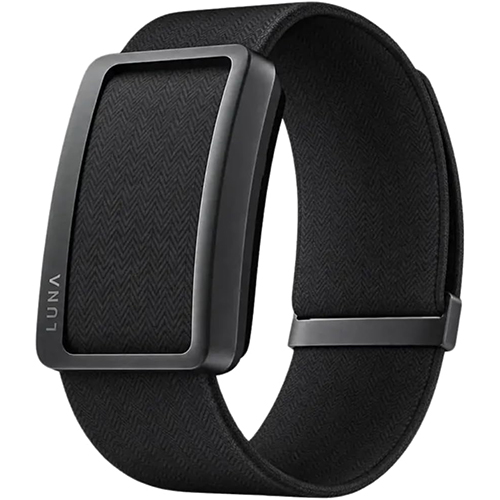
As a relative newcomer to the screenless band category following its initial reveal at CES, Luna has translated its smart ring expertise into a dedicated wrist tracker. Over extended testing periods, the Luna Band has proven capable of accurately capturing standard health metrics, including vitals, sleep cycles, and stress levels, entirely subscription-free.
Central to the experience is the Life OS platform, an AI-driven interface designed to process natural language queries, log nutritional intake, and analyze biometric trends. Complementing this is a modular app architecture inspired by micro-app frameworks, allowing users to customize their dashboard with specialized modules such as sleep alarms, cycle tracking, and circadian rhythm analyzers. With continuous software updates rolling out from the manufacturer, the Luna Band represents a flexible, evolving option for tech-forward consumers who wish to avoid recurring monthly fees.
Best Premium: Whoop MG
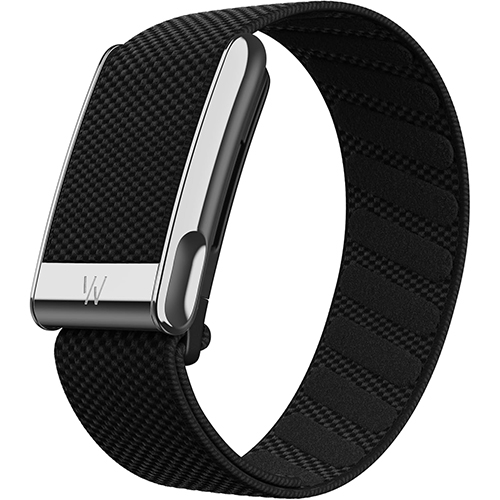
Positioned firmly at the luxury end of the market, Whoop commands a premium pricing structure anchored by mandatory annual memberships. The Whoop MG serves as the pinnacle of the brand’s hardware lineup, incorporating medical-grade sensors capable of measuring electrocardiograms (ECG) and estimating blood pressure trends. ECG readings require simply placing fingers on the casing’s dual contacts, while blood pressure tracking relies on an initial baseline calibration via a traditional cuff.
The accompanying software ecosystem is exceptionally data-dense, featuring longevity metrics such as Healthspan analysis and Pace of Aging calculations. After an initial calibration period, the app generates a "Whoop Age" metric designed to motivate behavioral adjustments in sleep, nutrition, and recovery.
Hardware convenience is further enhanced by an included Wireless Powerpack, which slides directly over the active sensor to recharge the unit while worn, eliminating the need to ever remove the band. While the high cost and demanding software notifications may not suit every user, the Whoop MG remains unmatched for dedicated biohackers and individuals closely monitoring cardiovascular health.
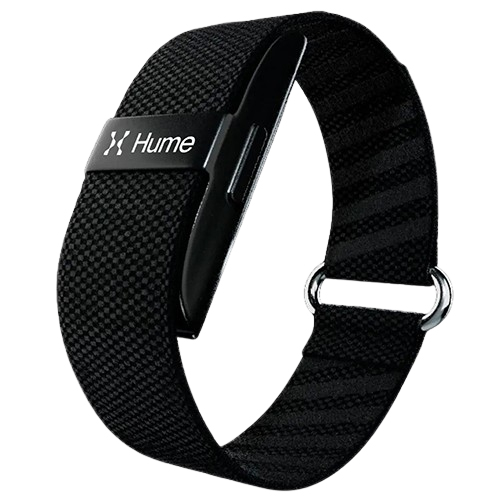
Best Whoop Alternative: Hume Band 2.0
For consumers drawn to the longevity-focused philosophy of high-end wellness trackers but deterred by steep annual fees, the Hume Band 2.0 offers a balanced compromise. Delivering core metrics such as recovery, strain, sleep quality, and blood pressure trends out of the box, the device focuses on long-term health span rather than day-to-day workout intensity.
While an optional Hume Premium subscription unlocks advanced capabilities—such as metabolic capacity tracking, early chronic illness indicators, and AI-driven coaching—the base experience remains functional and significantly cheaper than market alternatives. Despite occasional quirks in sleep scoring and heart rate accuracy, the Hume Band 2.0 serves as an accessible entry point into holistic, screenless health monitoring.
Best Budget: Amazfit Helio Strap
Leveraging Amazfit’s reputation for cost-effective hardware, the Amazfit Helio Strap offers a straightforward, subscription-free approach to health and fitness tracking. Beyond standard biometric capture, the device features real-time heart rate broadcasting, enabling users to beam their pulse data directly to compatible gym equipment, cycling computers, or multi-sport watches.
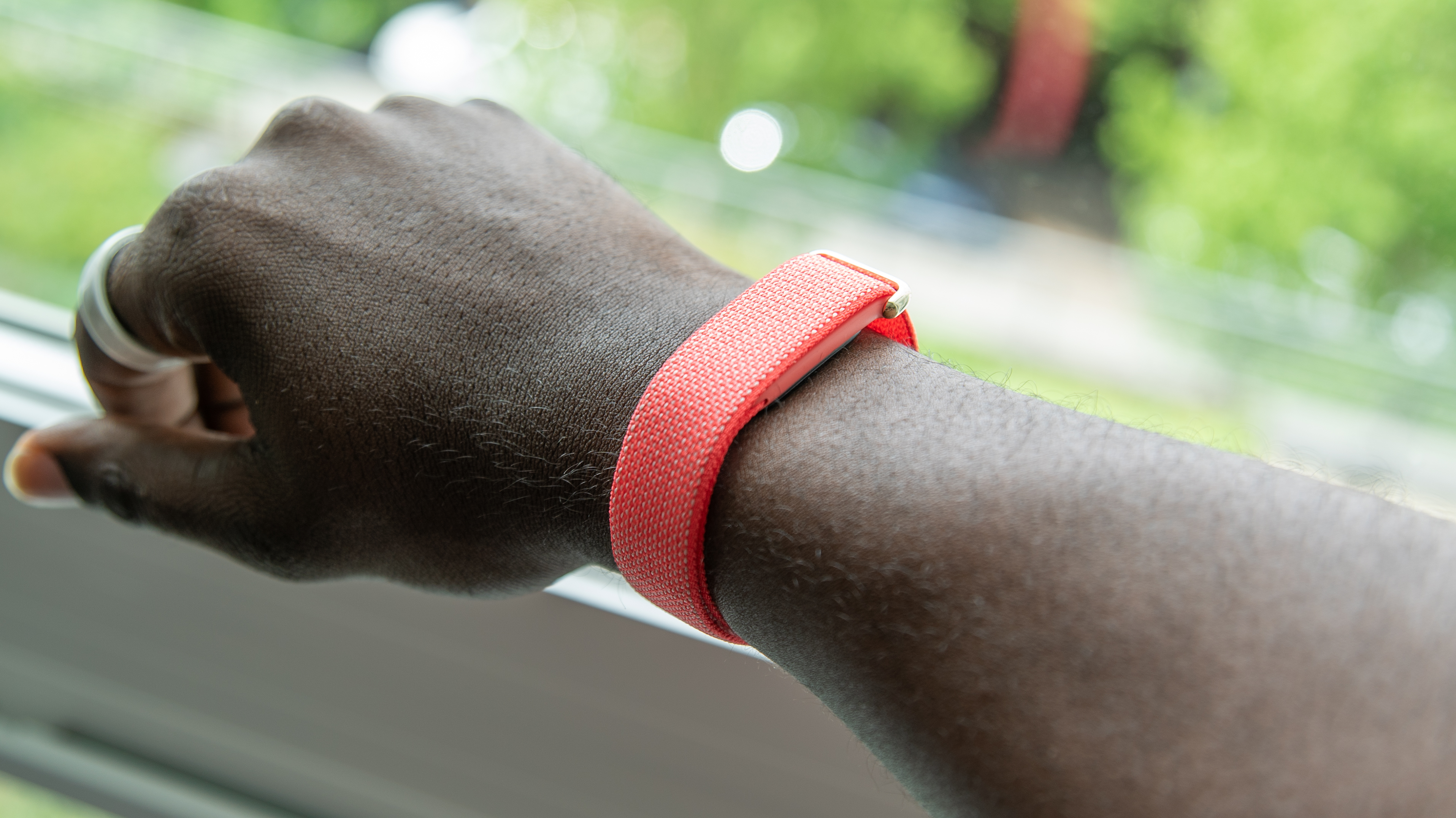
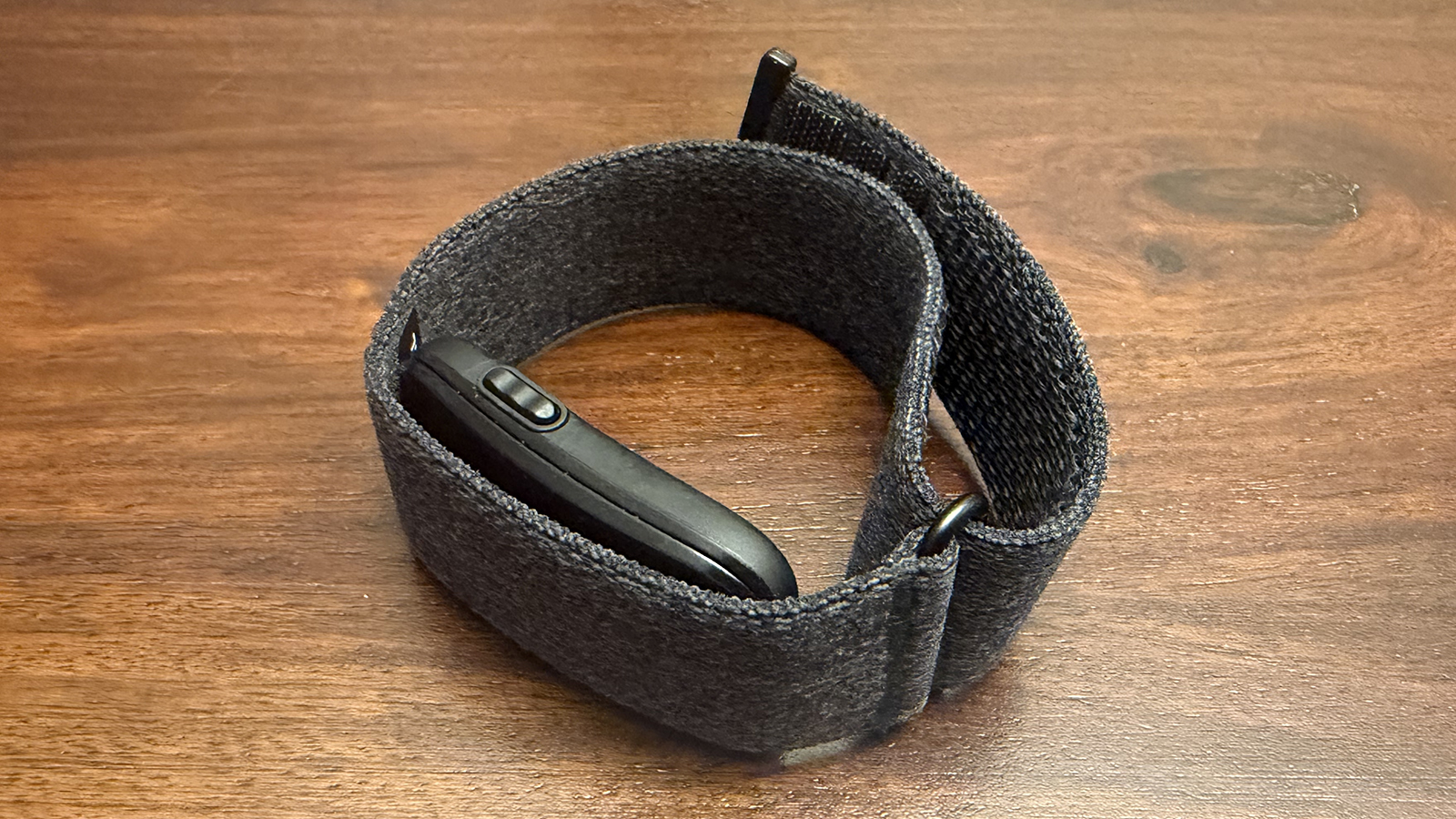
For runners and hybrid athletes, the availability of specialized accessories—such as an optional bicep sleeve—allows users to wear the sensor off the wrist while maintaining traditional watch usage. Supported by a dependable companion app and robust battery endurance, the Helio Strap provides an economical pathway for users seeking reliable data without financial entanglements.
How to Choose
Selecting the appropriate screenless fitness tracker ultimately depends on balancing individual health priorities against financial considerations. Consumers who prefer a single upfront purchase without recurring service fees will find strong value in subscription-free hardware options. Conversely, those seeking deep analytical insights, proactive AI coaching, and structured health guidance may find the ongoing investment in a managed ecosystem worthwhile.
While these wearables serve as powerful tools for monitoring daily wellness, sleep patterns, and physical training, they are designed to provide supplemental data rather than definitive medical diagnoses. Prospective buyers should weigh their primary goals—whether athletic performance, longevity tracking, or casual wellness monitoring—against available budgets to determine the ideal screenless companion for their Android device.