By Aimee Hart
Published November 21, 2026
Over the years, entertainment corporations and visionary filmmakers alike have eagerly sought to revisit the origins of classic horror properties for modern audiences. From television adaptations like Bates Motel exploring the psychological groundwork of Psycho, to high-profile projects like Welcome to Derry expanding the mythology of Stephen King’s IT, mining established franchises is a reliable strategy for success. When a studio already possesses a passionate audience that loves the intellectual property it is reimagining, the path forward often seems clear-cut and commercially viable.
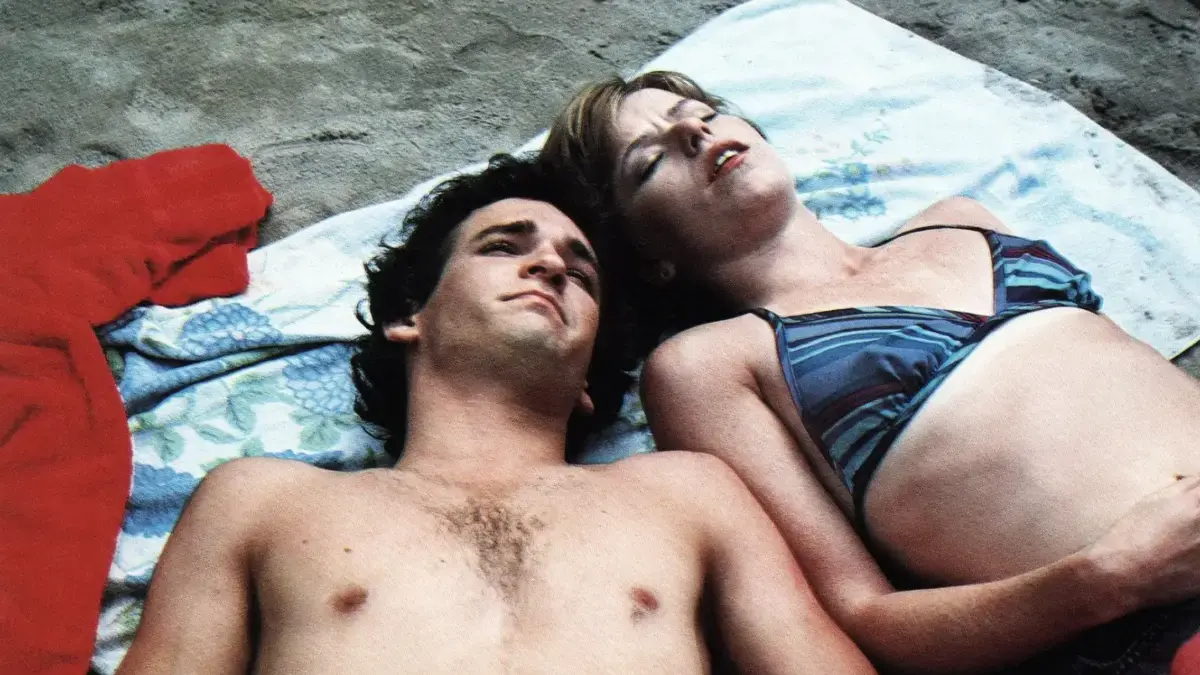
Not even the storied Friday the 13th franchise has escaped this ongoing entertainment trend of revisiting the past. The arrival of Crystal Lake, a new prequel series developed by A24 and Peacock, turns its lens directly toward Pamela Voorhees, famously portrayed by Betsy Palmer in the original motion picture, and her notoriously deranged maternal motivations regarding her son, Jason Voorhees. It represents a prequel that many fans might argue nobody explicitly asked for—even if critics and viewers alike have found plenty to appreciate within its stylistic execution—largely because the origins of Jason and Camp Blood have already been definitively explored. That foundational masterwork, Sean S. Cunningham’s 1980 slasher classic Friday the 13th, remains accessible to audiences everywhere, currently available to watch for free on YouTube.
How Friday the 13th Redefined a Genre
Following the massive cultural and financial success of John Carpenter’s genre-defining slasher Halloween, director Sean S. Cunningham and writer Victor Miller faced a formidable creative challenge: how to stand out in a cinematic subgenre that was rapidly becoming flooded with horror films attempting to ride the lucrative slasher wave. Alongside other gritty contributions of the era like Black Christmas and The Texas Chain Saw Massacre, Friday the 13th needed to be undeniably memorable, distinct, and capable of capturing the public imagination in a crowded marketplace.
On the surface, Friday the 13th does not necessarily feel radically different from its contemporaries. It checks the traditional boxes expected of the format, filled to the brim with eager teenagers, mounting heavy suspense, and a pervasive sense of eerie isolation as a deranged killer stalks and systematically slaughters them off one by one at a dilapidated summer camp. However, unlike other defining slashers of the period, Cunningham and his creative team pushed the boundaries of brutality further by asking two distinct and meaningful structural questions. It is worth noting, even regarding a film that has been part of pop culture for decades, that significant plot revelations are ahead.

First, the narrative subverted expectations by asking what might happen if the killer were not a hulking man in a mask, but rather a vengeful mother driven completely mad by society’s cold disregard for the plight of her disabled son. Second, Cunningham and Paramount Pictures made the pivotal decision to hire Tom Savini, fresh off his groundbreaking practical makeup work on George A. Romero’s landmark zombie film Dawn of the Dead, to engineer some of the most visceral and gruesome death sequences audiences had ever witnessed projected onto a silver screen.
The resulting cinematic product became one of the bloodiest slashers of all time, a film that fundamentally shook up contemporary perceptions regarding just how grotesque the horror subgenre could afford to be, and crucially, who exactly could be cast in the role of the person dealing out those lethal blows.
While foundational slashers like Halloween and Black Christmas certainly featured their share of striking demises—such as Michael Myers pinning Bob to a pantry door with a massive kitchen knife, or Barb meeting her end with a unicorn figurine’s horn—Tom Savini effectively elevated the kills in Friday the 13th into a grim, bloody art form characterized by shocking, remarkably realistic practical gore.
Savini delivered beyond expectations, utilizing the same ingenuity he brought to Dawn of the Dead to craft several of the film’s most memorable and technically impressive murder sequences. Among the most iconic is the death of camp counselor Jack, played by a young Kevin Bacon, who is stabbed directly through the throat from beneath his bed. By engineering a custom prosthetic neck piece combined with a hidden mechanical pump, Savini and his crew managed to simulate a jet of arterial blood spurting with a startling realism that left contemporary audiences and critics stunned.
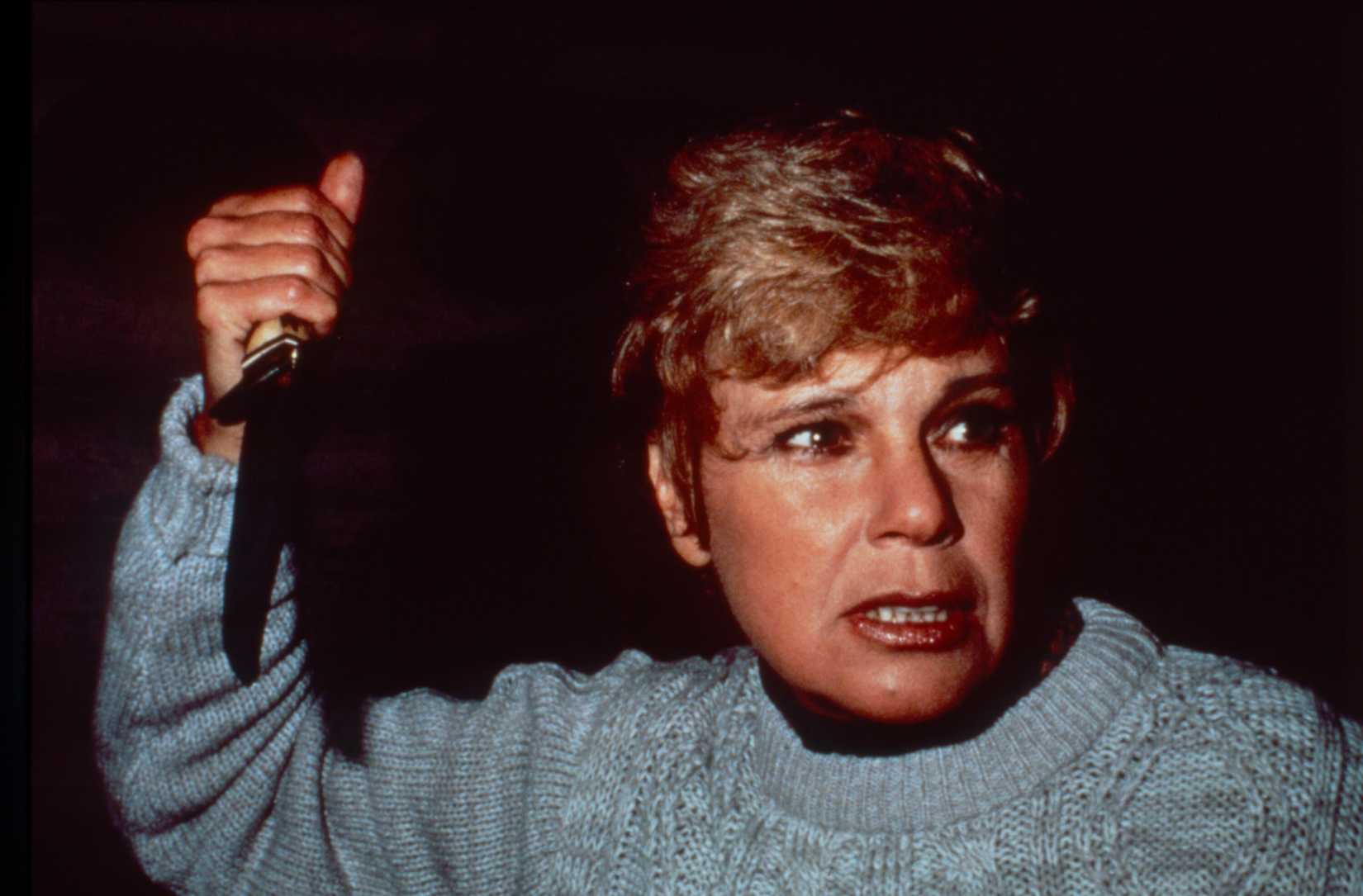
Yet, the most significant narrative element that set Friday the 13th apart from its cinematic predecessors was its central antagonist: Pamela Voorhees. Up until that point, the nascent slasher genre had been overwhelmingly defined by masculine rage and anonymous, faceless evil. In contrast, Friday the 13th rooted its terror in a deeply warped manifestation of a mother’s protective love. Even in the modern era of horror cinema, where character-driven motivations are more thoroughly explored, slashers still feature a vastly disproportionate number of male killers over female ones. In 1980, the introduction of Mrs. Voorhees was entirely singular.
Furthermore, for all her deranged and murderous actions, Mrs. Voorhees exerted a strange, deeply unsettling empathetic pull on viewers. While cold-blooded murder is unequivocally condemned within the narrative, it is difficult to completely dismiss the raw maternal desperation that fueled her rampage. Unlike Michael Myers, who is frequently framed as the physical embodiment of pure, inexplicable evil, Mrs. Voorhees possessed a tragic psychological complexity that made her brutal motives far more compelling than a standard cinematic monster.
Forty-six years after audiences first stepped foot into the doomed grounds of Camp Blood, the overarching saga of the Voorhees family continues to find new life through modern expansions like Crystal Lake. Whether that television series manages to secure a multi-season run remains to be seen, but for lifelong enthusiasts of Jason, his grieving mother, and the rich history of the franchise, there is an enduring truth: you can never truly go wrong by returning to the original source.
Friday the 13th is available to stream now for free on YouTube.