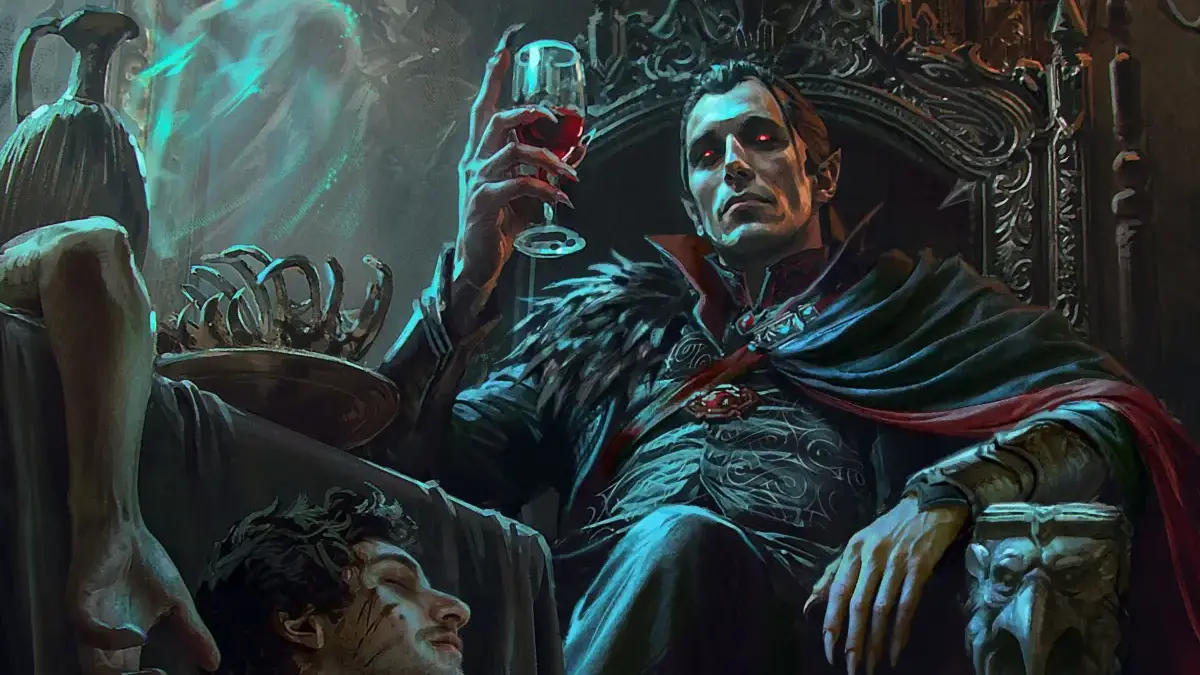
A live-action Dungeons & Dragons series based on the legendary horror setting is officially in development at the streaming giant, giving the tabletop gaming franchise’s most famous gothic realm its long-awaited chance at a television adaptation. The project, titled simply Ravenloft, is spearheaded by screenwriter John August, acclaimed filmmaker Alfonso Cuarón, and Hasbro Entertainment. According to industry reports, the series serves as the structural successor to Netflix’s previous, now-canceled Dungeons & Dragons project, which was set in the high-fantasy expanse of The Forgotten Realms.
While Dungeons & Dragons is widely recognized in popular culture for bustling taverns, gleaming dragons, legendary treasures, and witty adventuring parties, Ravenloft offers an entirely different atmosphere. It represents the dark, brooding corner of the tabletop universe where the game trades traditional high-fantasy heroics for haunted castles, cursed lands, tragic monsters, and an inescapable sense that danger is always lurking just beyond the fog.
Why Ravenloft matters
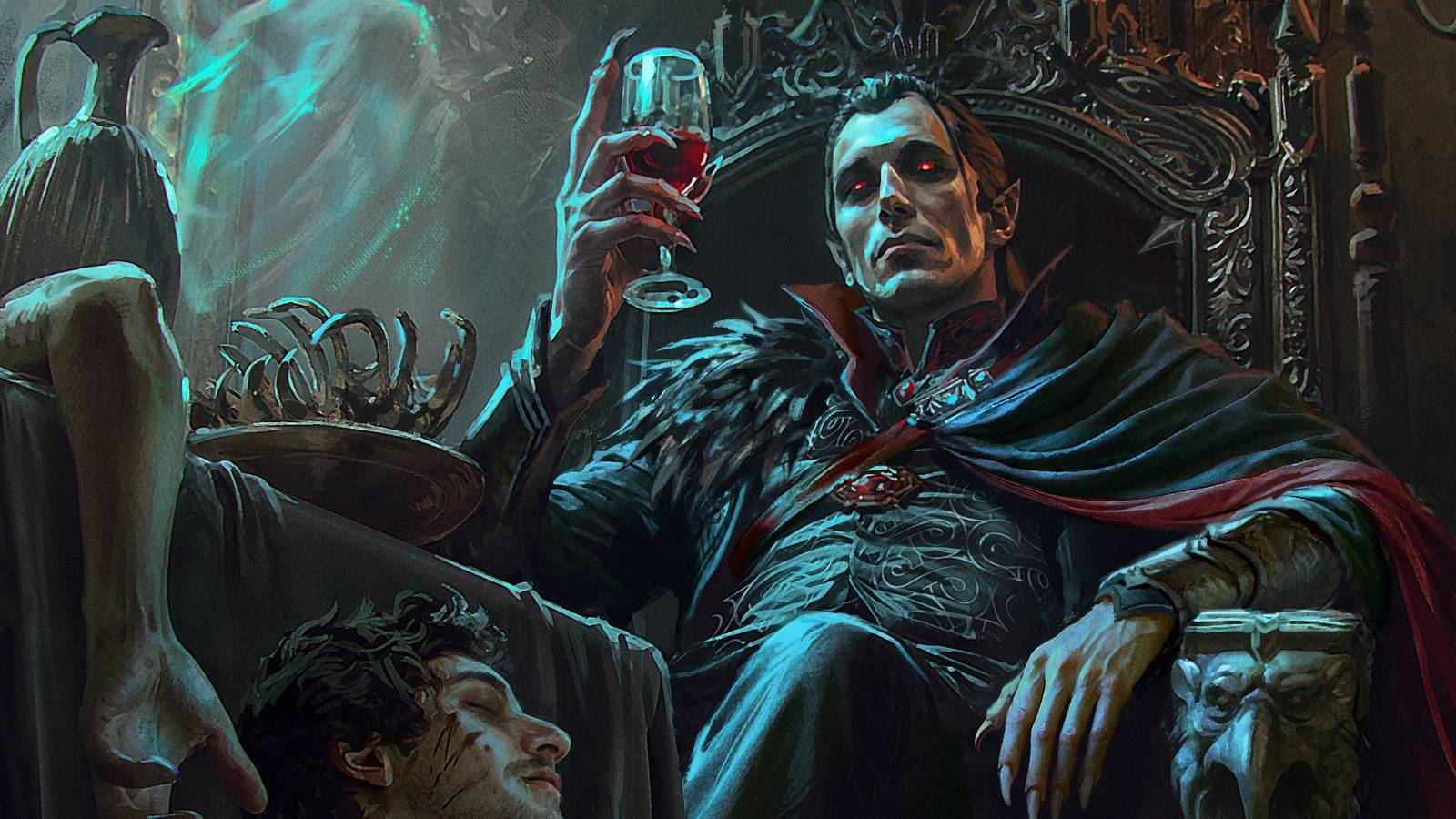
Ravenloft has stood as one of the most iconic and enduring settings in the Dungeons & Dragons canon for decades. Its origins date back to the classic 1983 adventure module built entirely around the tragic and terrifying figure of Count Strahd von Zarovich. To this day, Strahd remains the setting’s defining villain—a complex vampire lord, tormented monster, and tyrant trapped within the eternally mist-shrouded land of Barovia, doomed to repeat his tragic history without ever finding peace.
Over the years, the setting expanded dramatically beyond a single castle and valley, evolving into the sprawling "Domains of Dread." This vast collection of gothic horror realms is ruled by various individual Darklords, who are frequently depicted as both the masters and the prisoners of worlds explicitly shaped by their own deep-seated sins and obsessive flaws. This unique premise grants a potential television adaptation immense creative flexibility, allowing writers to bounce seamlessly between classic gothic horrors, localized cursed folklore, and psychological nightmares while maintaining a cohesive setting.
That structural versatility is precisely why Ravenloft has retained its grip on the tabletop community for generations. While the modern hardcover adventure Curse of Strahd remains the definitive and most popular entry point for millions of contemporary D&D players, recent sourcebooks have pushed the boundaries even further. Publications like Van Richten’s Guide to Ravenloft and Ravenloft: The Horrors Within have successfully broadened the scope of the setting, transforming it from a singular vampire story into a comprehensive toolkit capable of supporting virtually every subgenre of horror that the ruleset can accommodate.

D&D is getting busy on screen and beyond
The development of the Ravenloft series arrives as part of a much broader, aggressive industry push by Hasbro and Wizards of the Coast to expand the footprint of the Dungeons & Dragons intellectual property far beyond the boundaries of traditional rulebooks and tabletop sessions. While Netflix had initially invested considerable momentum into developing a sprawling series based on The Forgotten Realms, industry reports indicate that creative efforts have pivoted cleanly toward Ravenloft as the primary vehicle for the streamer’s live-action D&D ambitions.
Meanwhile, the status of other high-profile cinematic adaptations remains in flux. A direct sequel to the critically well-received feature film Dungeons & Dragons: Honor Among Thieves has faced an uncertain path forward at the box office and within studio boardrooms, even though co-writer and co-director Jonathan Goldstein recently confirmed that a completed script exists and is ready for production should the green light be given.
Beyond traditional film and television screens, the cultural reach and commercial dominance of Dungeons & Dragons have been heavily reinforced by adjacent media and gaming phenomena that continually draw new audiences into the hobby. Millions of players continue to actively play, modify, and fiercely discuss Larian Studios’ massive hit Baldur’s Gate 3 years after its initial 2023 launch, cementing its legacy as a landmark digital adaptation of the ruleset. Concurrently, independent actual-play juggernauts like Critical Role have fundamentally reshaped the entertainment landscape, turning tabletop roleplaying sessions into massive multimedia enterprises complete with live stadium tours, critically acclaimed animated television adaptations, and vast global audiences that stretch far beyond the traditional gaming table.