A peculiar wave of generative artificial intelligence content has washed across social media platforms, turning Nvidia CEO Jensen Huang into the unwitting star of a massive pop-art phenomenon. Across TikTok, Instagram, and X, users are scrolling past an avalanche of surreal, AI-generated videos that cast Huang in everything from surreal television parodies to awkward athletic matchups. But beneath the layers of digital distortion and viral humor lies a deeper cultural question: Are these creations simply harmless fun for the sake of entertainment, or do they represent a sophisticated, underlying rejection of everything Jensen Huang and his multi-trillion-dollar empire currently represent in the tech landscape?
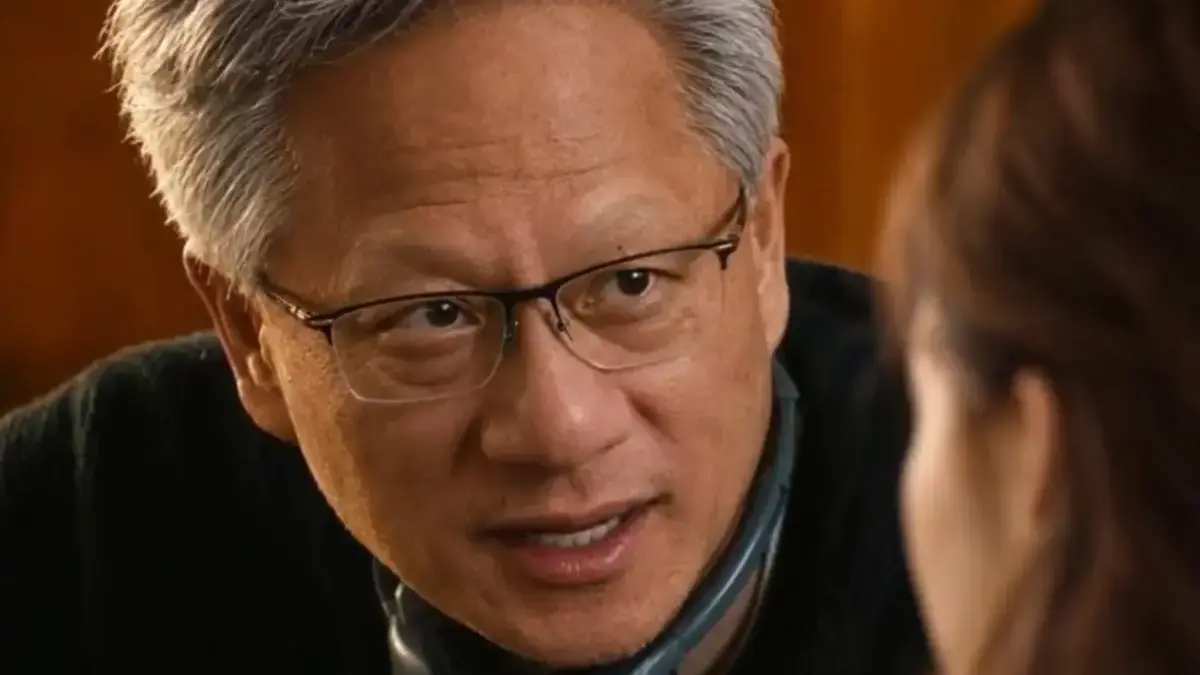
The content has been ricocheting across social media channels, proving almost impossible to miss for anyone following tech, business, or even just algorithms serving up lighthearted viral culture. One of the earliest and most widely discussed pieces of this digital wave reimagined the trailer for the television project "You Can See Everything," mimicking the style of creator Nathan Fielder. The execution is remarkably precise. The original dialogue and sound design remain intact, but the faces of the central figures have been seamlessly swapped with AI-generated likenesses of Jensen and Alice Huang. Every micro-movement in their facial expressions matches the original footage with striking accuracy, showcasing the chillingly impressive precision that contemporary generative video tools have achieved.
However, looking past the sublime technical execution and the cultural synergy between a heavily discussed entertainment property and the constant dominance of Nvidia in the weekly news cycle, a more compelling narrative emerges. What stands out about this avalanche of AI-generated media authored at Huang’s expense is that they appear to operate in two opposing directions simultaneously. On one side of the ledger, these videos function as a celebration of modern AI creator tools, acting as a grassroots pop-art movement where everyday users explore an emerging medium with a mixture of giddiness and experimental excitement. On the other side of the ledger, the exact same memes serve as a deliberate, heavy-handed rebuke of AI culture, corporate excess, and the broader technological ecosystem.
From AI NSYNC to AI Dunder-Mifflin
Observers scrolling through vertical video platforms can easily find humor in the sheer, madcap zaniness of Jensen and Alice Huang dancing to classic NSYNC tracks. Sometimes, AI-generated content is simply good, straightforward entertainment. When algorithms conjure up surreal scenarios—such as a video depicting Jensen getting his ankles broken by Alice Huang on a neighborhood basketball court—the reaction from many viewers is pure amusement.
Other creations push further into the realm of digital absurdity, such as a reimagined version of the cult classic film Napoleon Dynamite featuring Jensen, Alice, and Elon Musk. In this version, Huang steps into the role of Kip, complete with a dramatized videocard toss. While critics might dismiss these clips as low-effort digital slop, defenders argue they cross the threshold into genuine art. Comparisons can easily be drawn to historical movements, much like how Andy Warhol appropriated Campbell’s soup cans. While Warhol was not universally adored during his peak, his projects ultimately transcended simple appropriation to become commentary on consumer culture.
Yet, the Jensen Huang memes are distinct from standard viral jokes. The specific target of the mockery matters immensely. To a vast segment of the internet, Huang has become a living totem for all the perceived grievances associated with the current artificial intelligence boom. He is frequently viewed as the embodiment of tech oligarchy excess, the driving force behind massive data center expansions, and the face of hardware shortages that have impacted various sectors of the consumer electronics market.

Through this sweeping wave of user-generated content, Huang arguably faces a form of digital comeuppance. The ultimate irony of the trend lies in the methodology: critics are utilizing the very same generative AI tools that Nvidia’s hardware and software ecosystem helped enable to mercilessly roast the company’s chief executive. This dynamic evokes historical parallels, akin to rebels turning the sophisticated weapons of an empire back against its creators.
This underlying rebellion manifests clearly in a variety of widely shared clips. Some videos target Nvidia’s stock price fluctuations during market dips, while others present mockumentaries imagining Huang as a dysfunctional employee at Dunder-Mifflin. Additional creations take aim at Nvidia’s perceived shift away from consumer PC gaming hardware in favor of enterprise-level AI accelerators, striking a nerve among traditional PC enthusiasts.
The sheer volume and cultural penetration of these creations eventually drew the attention of mainstream publications like The New York Times, signaling that the trend had crossed a threshold from niche internet joke to broader societal commentary. This widespread visibility forces observers to confront a fundamental ambiguity: Are these memes a warm embrace of powerful new creative tools, or are they a nuanced, satirical critique of the artificial intelligence industry at large?
The Superposition of AI Grievance and AI Embrace
Naturally, there is no single, definitive answer to this question. Depending on the perspective of the individual meme creator, one can easily fall on either side of the ideological aisle, or—more plausibly—hold both contradictory ideas in mind simultaneously.
When attempts are made to reach out to the creators behind these viral pieces—such as the user @AlexesNakamoto, who produced the parody trailer—questions regarding their underlying motivations often go unanswered. Are they ardent supporters of artificial intelligence who simply enjoy playing with new technology, or are they satirizing the hubris of Silicon Valley leadership?
Ultimately, individual intent matters less once a meme enters the public domain. Digital culture dictates that creations effectively become public property, leaving audiences and communities to collectively decide their meaning. Observers who harbor criticisms of the broader artificial intelligence industry while maintaining neutral feelings toward Huang himself can still appreciate the deeper cultural layers at play.
The ongoing wave of Jensen Huang memes serves as compelling evidence that generative digital content, regardless of its technical flaws or "sloppy" execution, possesses the capacity for genuine cultural resonance. Whether one views the trend through the lens of artistic expression, technological critique, or simple internet humor, the phenomenon has sparked a vibrant debate over the intersection of corporate power, digital tools, and modern satire.