
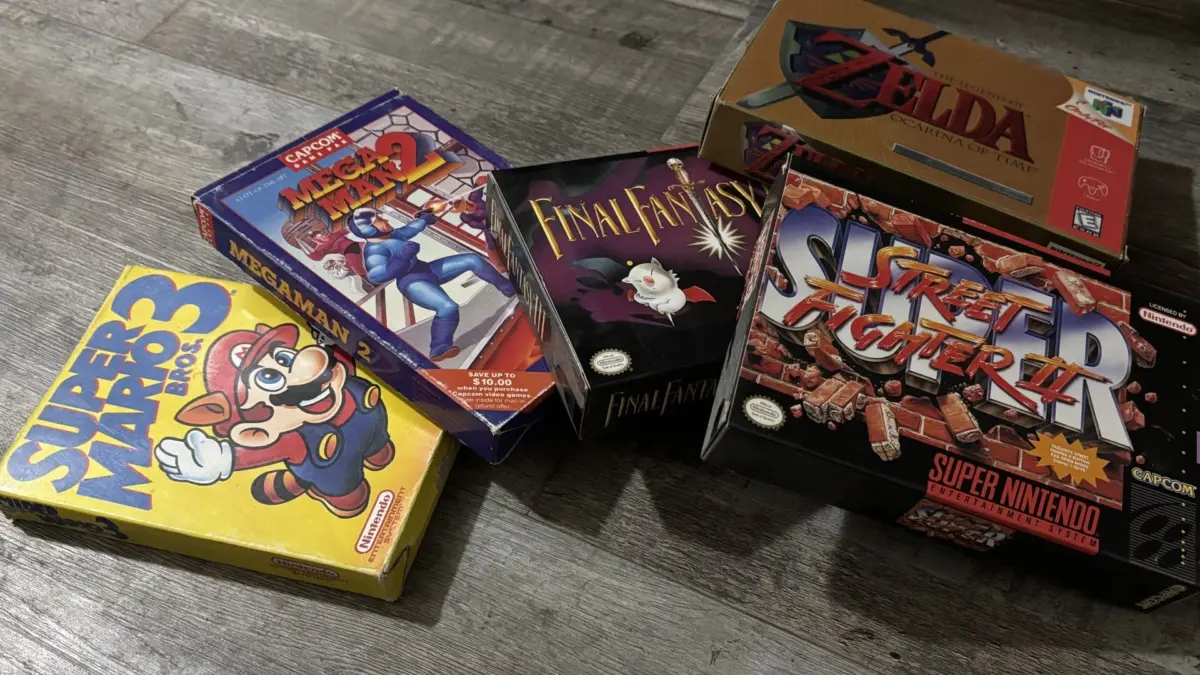
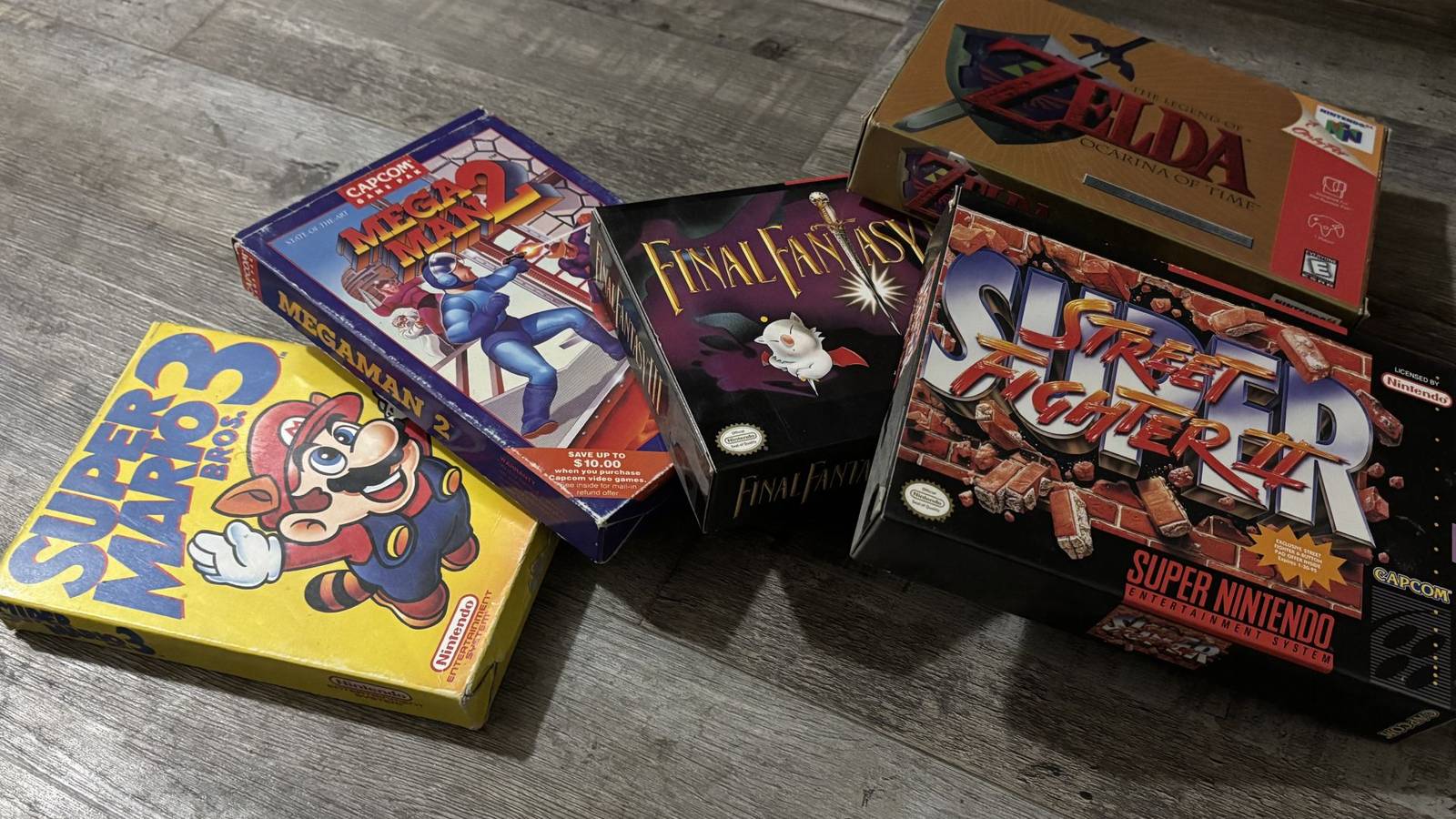
When looking back on the 20th century and the cultural milestones it produced, enthusiasts often gravitate toward a handful of favorite video games that defined their formative years. Yet, the medium introduced far more than personal nostalgia. Across hardware platforms as diverse as the Nintendo Entertainment System, the Sega Genesis, the Game Boy, the original PlayStation, and the personal computer, an array of pioneering heroes, emerging genres, and enduring franchises left an indelible mark on entertainment history.
These properties laid the foundational groundwork not only for their respective publishers and developers, but for the interactive medium as a whole. From digital gridirons to gothic castles, historical milestones charted a course for a multi-billion-dollar industry. Examining these heavyweights reveals the franchises that shaped the trajectory of modern gaming through sheer cultural and technical impact.
12. Madden
Publisher: Electronic Arts
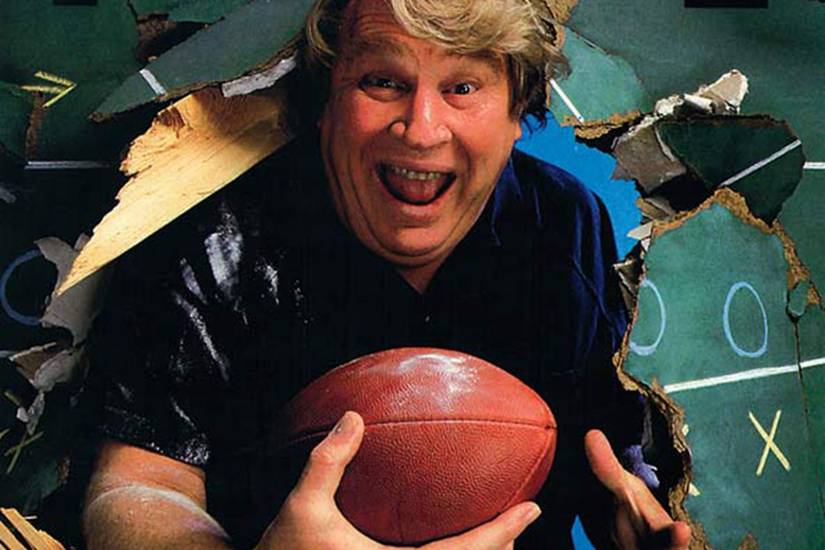
While popular culture often pictures interactive entertainment through the lens of starfanning spaceships, sword-wielding fantasy heroes, or platform-jumping mascots, the medium has always accommodated a broader scope of experiences. Electronic Arts recognized this potential when it released John Madden Football in 1988. The release marked the inception of a powerhouse series produced in partnership with the gregarious former player, coach, sports commentator, and pop-culture personality.
Electronic Arts published a wide array of sports titles throughout the 1990s, bringing fans digital adaptations of athletes across various professional leagues. However, its partnership with the National Football League proved the most commercially and culturally fruitful as the 20th century wound down and the next millennium began. Suddenly, consumers who felt no inherent attachment to fantasy princes or galactic bounty hunters found an interactive experience that mirrored their real-world passions, arriving in droves to support it. That enduring mainstream footprint continues to reverberate through modern pop culture, culminating in high-profile entertainment projects like the upcoming Madden biographical film featuring Nicolas Cage.
11. Mega Man
Publisher: Capcom

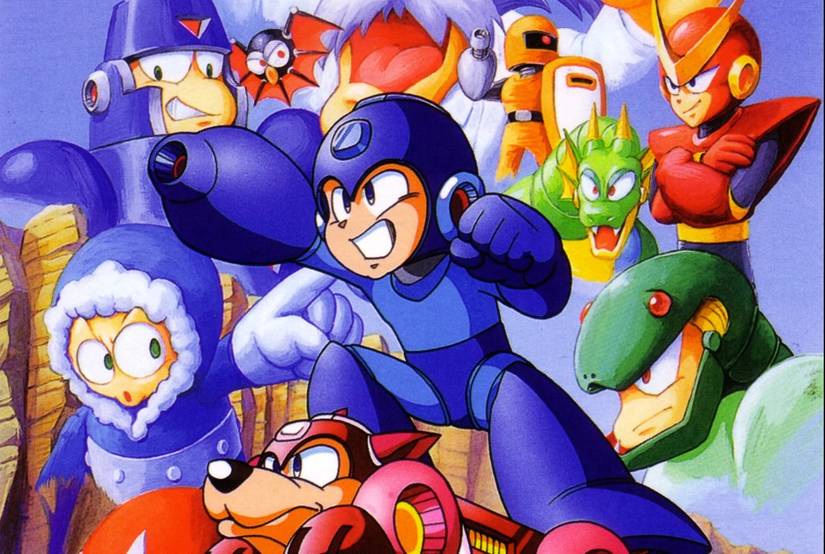
Capcom’s iconic Blue Bomber endured a rocky commercial start before decisively correcting course with the landmark release of Mega Man 2. That critical breakthrough ushered in a sustained golden era where each subsequent year delivered a masterclass in action-platforming design. The fundamental formula quickly established a reliable rhythm, even as the unflappable hero acquired dozens of innovative abilities and new companions across various hardware generations.
In almost every installment following the series’ debut, eight rogue machines wreaked havoc in the futuristic setting of 20XX, executing the fiendish schemes of the devious Dr. Wily. This clean, accessible concept underpinned numerous entries in the core series, spawned the acclaimed Mega Man X spin-off franchise, and expanded into numerous home console and arcade spin-offs. Though Mega Man’s presence in the current landscape has evolved, his legacy remains deeply embedded in the medium’s DNA—echoing through crossover appearances in titles like Super Smash Bros. and fresh mainline installments like the upcoming Mega Man: Dual Override.
10. Castlevania
Publisher: Konami
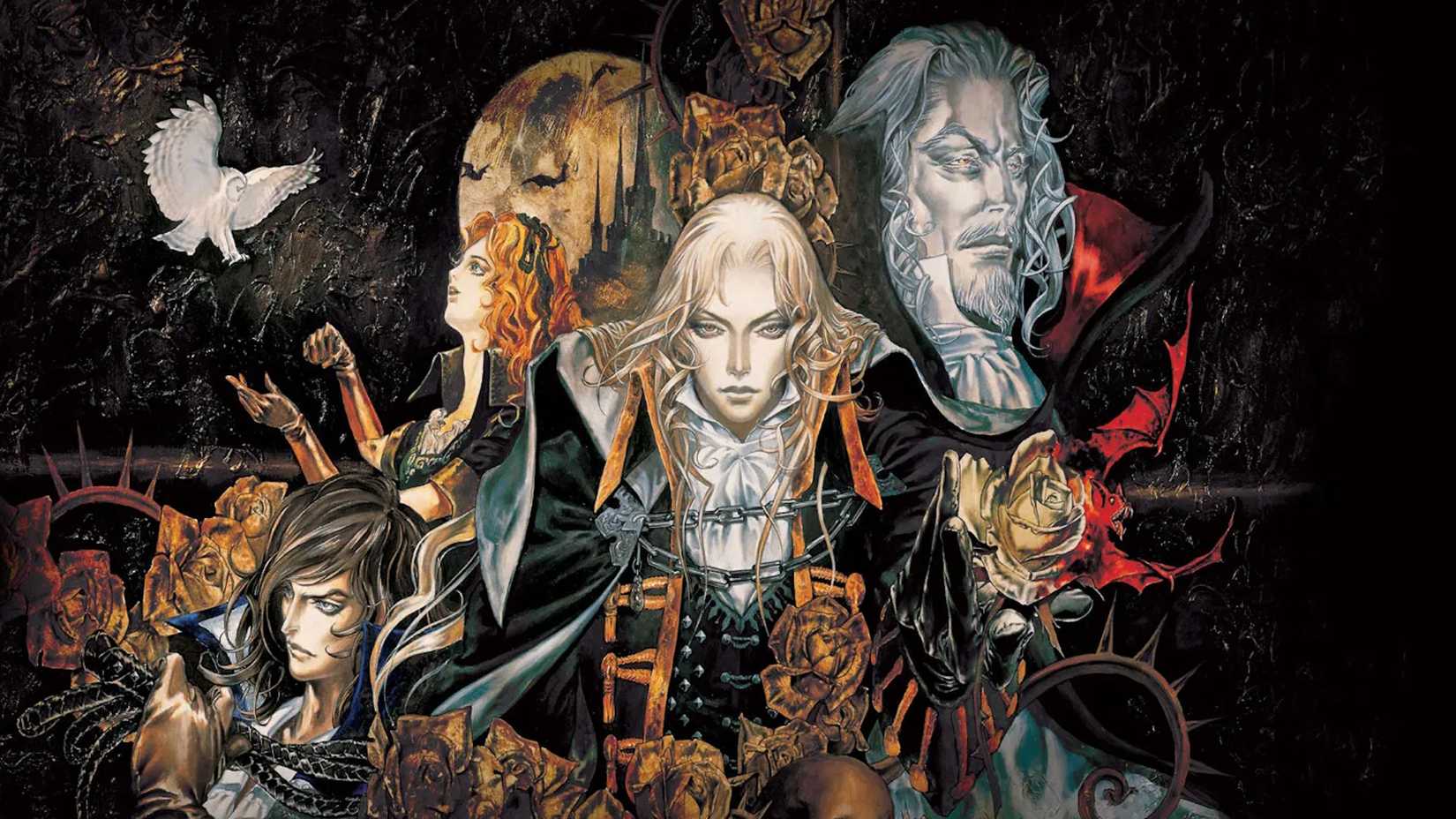
Gothic adventure games owe an enormous institutional debt to Castlevania and its extensive lineage of sequels, but the influential franchise holds another monumental claim to fame: it represents half of the inspiration behind the entire "Metroidvania" subgenre. That monumental design leap arrived courtesy of the universally acclaimed Symphony of the Night, which debuted on the PlayStation in Japan on March 20, 1997.
By the time Symphony of the Night rewrote the rules of exploration and progression, the franchise had already established a formidable library across foundational hardware platforms including the NES, the Sega Genesis, the MSX, and the Commodore 64. Initially inspired by classic horror cinema and gothic literature, Konami’s flagship vampire-hunting series eventually reversed the cultural flow by inspiring new adaptations outside of gaming, including a critically praised animated series on Netflix. Furthermore, the franchise continues to maintain relevance through modern releases, highlighted by projects like Castlevania: Belmont’s Curse.
9. Donkey Kong
Publisher: Nintendo
Tracing Nintendo’s extensive history of software development far enough back inevitably leads directly to Donkey Kong, the foundational franchise that proved the company possessed a truly singular talent for interactive design. The original arcade release of Donkey Kong, while revolutionary for its era, initially appeared to be a self-contained novelty rather than the seed of a sprawling multi-platform empire.
Yet, the property expanded rapidly. Donkey Kong Jr. inverted the dynamic by casting the original antagonist’s son as a heroic protagonist, followed by experimental diversions like Donkey Kong 3 and Donkey Kong Jr. Math. Years later, the iconic primate returned to prominence in Rare’s groundbreaking Donkey Kong Country trilogy on the Super Nintendo Entertainment System. Those visually striking titles successfully extended the hardware’s commercial lifespan while laying the groundwork for subsequent revivals across Nintendo’s modern console ecosystem.
8. Resident Evil
Publisher: Capcom
Raccoon City exists entirely within the realm of fiction, much like Hyrule, the Mushroom Kingdom, or other imaginative landscapes crafted by game developers. Yet, the crumbling municipality and its claustrophobic outskirts often evoke a tangible sense of place. Players vividly remember navigating deserted, shadow-drenched mansions, fleeing relentless biological horrors, and managing precious progress through sparse typewriter ribbons.
Resident Evil, alongside its extensive web of sequels and spin-offs, fundamentally reshaped the horror genre. The survival-horror pioneer spawned countless imitators—including Konami’s acclaimed Silent Hill franchise—while crossing over into feature-length films, novels, and tabletop adaptations. Decades after establishing the template for cinematic tension in the late 1990s, Capcom’s premier horror property remains a towering pillar of modern game development.
7. Street Fighter
Publisher: Capcom

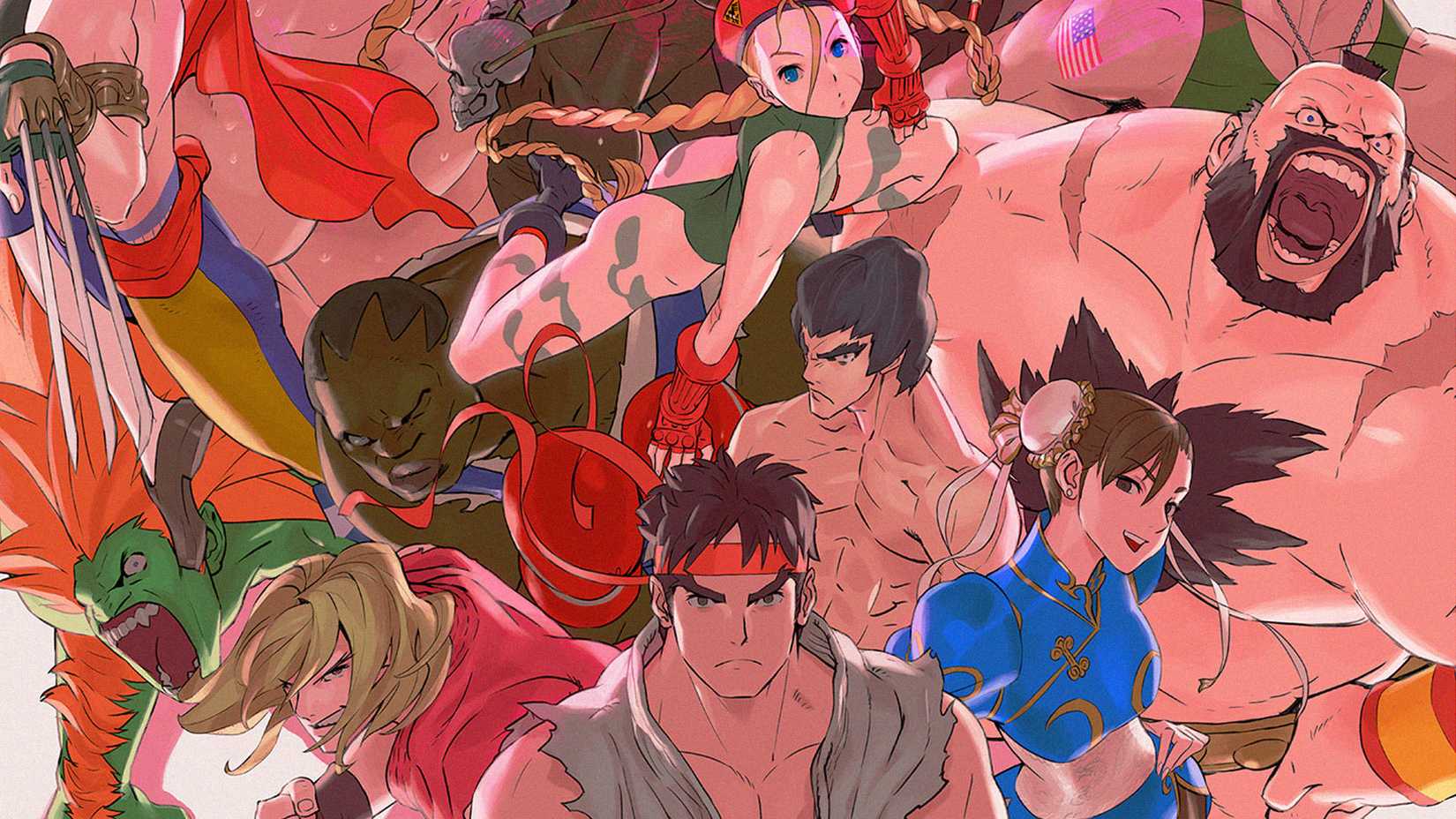
The Street Fighter franchise did not capture global attention until Street Fighter II: The World Warrior began drawing massive crowds to arcades following its release in March 1991. Its subsequent port to the Super Nintendo Entertainment System allowed players to practice complex special moves indefinitely without feeding endless quarters into coin slots.
During the height of the arcade boom, finding the definitive version of the experience meant tracking down dedicated cabinets housed in unexpected public venues, from local laundromats and pizza parlors to corner convenience stores. Capitalizing on this passionate, widespread audience, Capcom sustained a continuous stream of iterative sequels while expanding the intellectual property into animated films, live-action movies, and comic books. While the competitive fighting game landscape eventually grew to include formidable rivals like Mortal Kombat and Tekken, the cultural footprint of Street Fighter II remains entirely distinct.
6. Sonic the Hedgehog
Publisher: Sega
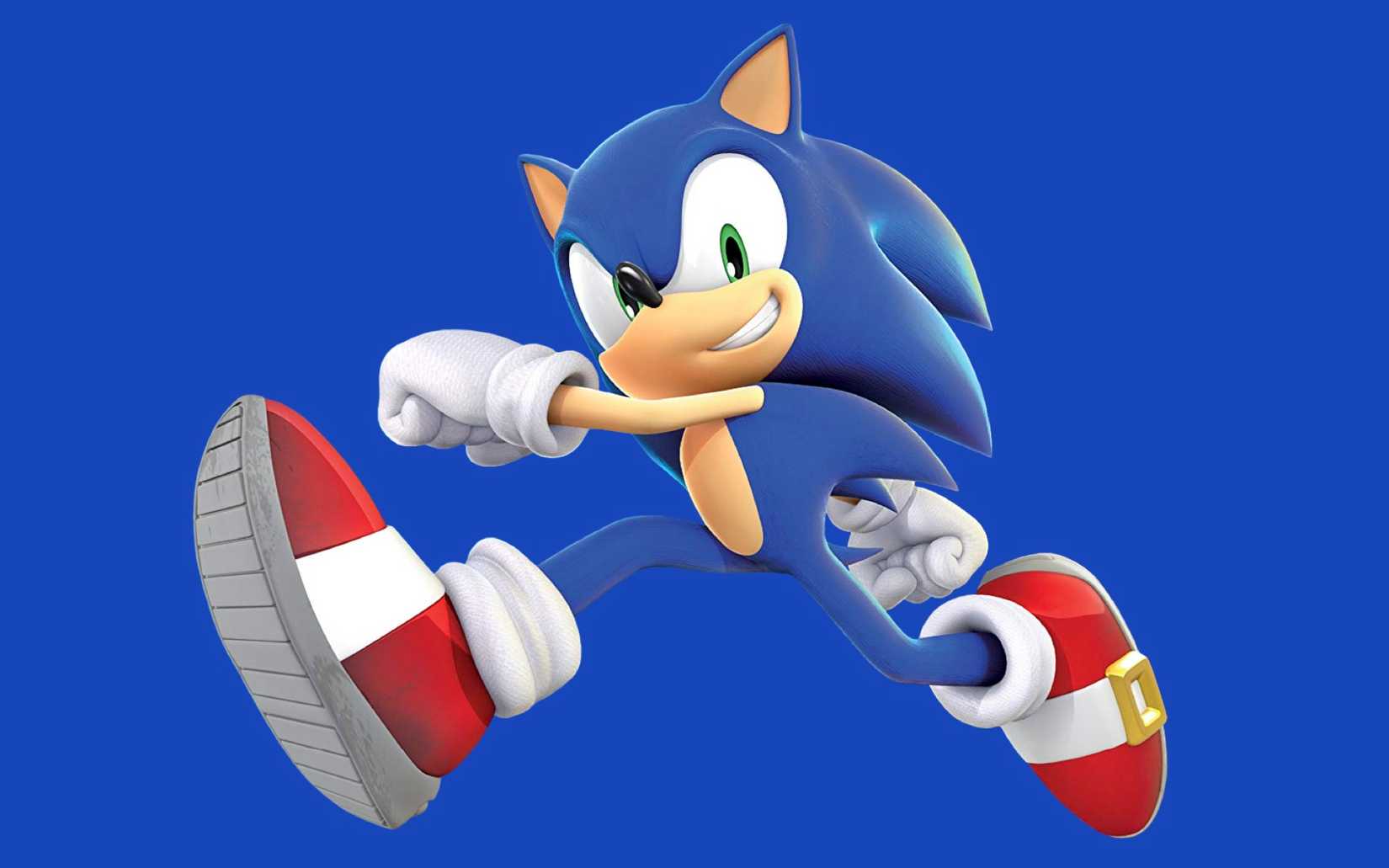
While Nintendo’s flagship plumber built an unmatched legacy, he lacked the specific brand of aggressive, youth-oriented attitude that defined the shifting cultural sensibilities of the early 1990s. Recognizing an opening in the marketplace, Sega introduced a direct competitor: a lightning-fast blue hedgehog sporting red sneakers, dark shades, and a distinct swagger.
Designed for high-speed momentum, Sonic collected golden rings that scattered across the screen whenever he misjudged a jump and brushed against hazardous obstacles. The fierce commercial rivalry between Sonic the Hedgehog, released on June 23, 1991, and its Nintendo counterparts forged a generational divide on schoolyards across the globe. Although those intense platform debates belong to a bygone era, the competitive energy of the 1990s console wars cemented both icons permanently in gaming history.
5. Pokémon
Publisher: Nintendo

The famous rallying cry "Gotta catch ’em all!" became an unprecedented cultural phenomenon for an entire generation of young players. While older generations occasionally expressed anxieties over the rising popularity of the pocket monsters, millions of children spent countless hours exploring digital tall grass, capturing unique creatures, and assembling competitive teams.
Remarkably, despite the franchise’s enduring modern ubiquity, the cultural fervor surrounding Pokémon felt uniquely intense during its late-1990s debut. Fans traded physical trading cards on school playgrounds, managed precious Game Boy battery life to conquer stubborn Gym Leaders, and coordinated with friends to trade version-exclusive species between Red and Blue cartridges. Bolstered by a massively popular television adaptation, the franchise established itself as a permanent giant in global entertainment.
4. Doom
Publisher: id Software
A running joke among technology enthusiasts asks a simple question: can a device run Doom? For decades, hobbyists have ported id Software’s classic first-person shooter to virtually any piece of hardware possessing a modest processor and a basic display, from digital cameras to office appliances.
Beyond its technical adaptability, the original release served as a major catalyst for early LAN networking parties, introduced players to the visceral depths of a sci-fi hellscape, and established a beloved franchise that heavily influenced the first-person shooter genre. Although the series has experienced shifting fortunes over the decades—even amid the critical success of modern reboots—its historical status as a defining pillar of 1990s PC gaming remains unquestioned.
3. Zelda
Publisher: Nintendo
The Legend of Zelda began with a straightforward narrative premise reminiscent of classic folklore, yet it quickly evolved into one of the most celebrated and critically revered franchises in interactive entertainment. In the 1990s, alongside brief television adaptations, the series captured imaginations through foundational installments on the NES, followed by a Super Nintendo masterpiece that convinced hesitant consumers to upgrade to 16-bit hardware.
Later, Link’s Awakening pushed the boundaries of portable gaming by delivering a sprawling adventure on the modest Game Boy, before Ocarina of Time revolutionized the medium with its visionary transition into three-dimensional space. Endlessly imitated yet rarely surpassed, Nintendo’s legendary epic remains a dominant force in modern game design.


Leave a Reply