
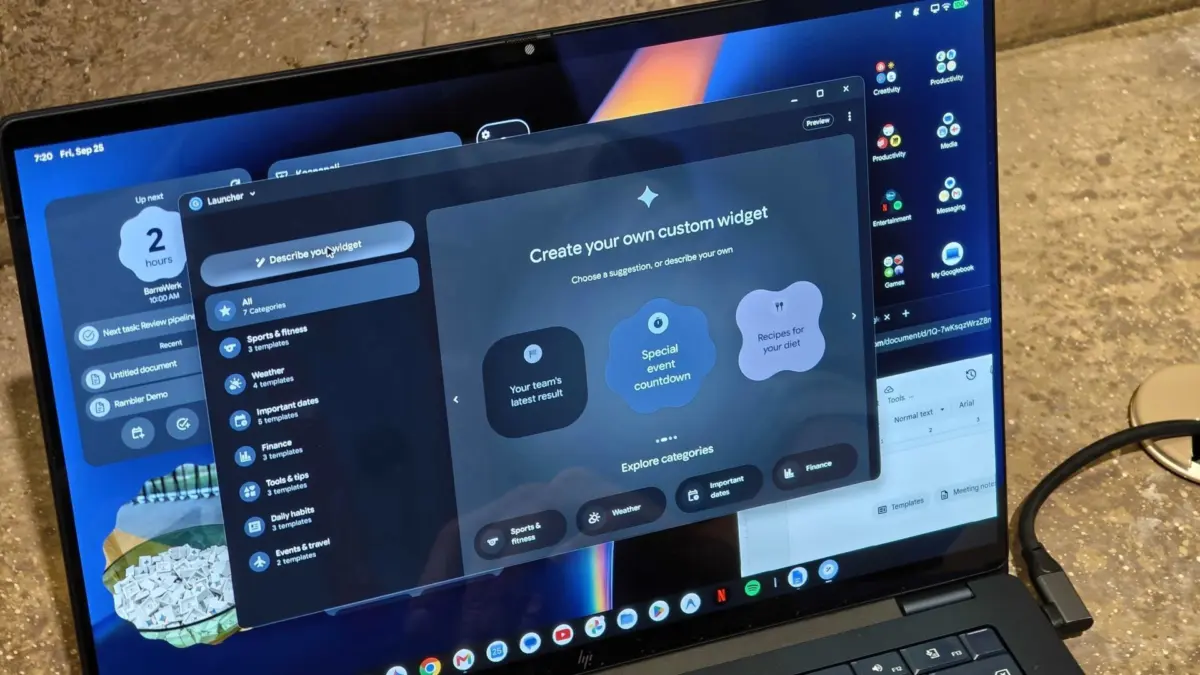
Samsung is reportedly preparing to join Google’s newly minted laptop ecosystem, with an upcoming device appearing on Geekbench carrying high-end hardware specifications. The sighting points to the tech giant’s first entry into the Googlebook series, which officially succeeded the long-running Chromebook lineup earlier this year.
According to details shared on social media by tipster Abhishek Yadav and highlighted by Android Headlines, the alleged Samsung Googlebook has been spotted running through benchmark testing with formidable processing architecture. The benchmark listing indicates that the device is powered by Qualcomm’s Snapdragon X Elite system-on-chip, aligning with the hardware choices seen in the initial wave of Googlebook hardware launched by manufacturers like ASUS, HP, and Dell.
The benchmark data details a 12-core Qualcomm processor configuration, featuring four cores clocked at 3.42GHz alongside eight performance cores running at 4.01GHz. Paired with this processing power is an Adreno X1-85 graphics processing unit. Beyond the core silicon, the Geekbench listing suggests that Samsung’s prospective Googlebook could ship with 16GB of RAM and operate on Android 17 software, pointing toward a deeply integrated mobile-desktop hybrid experience.
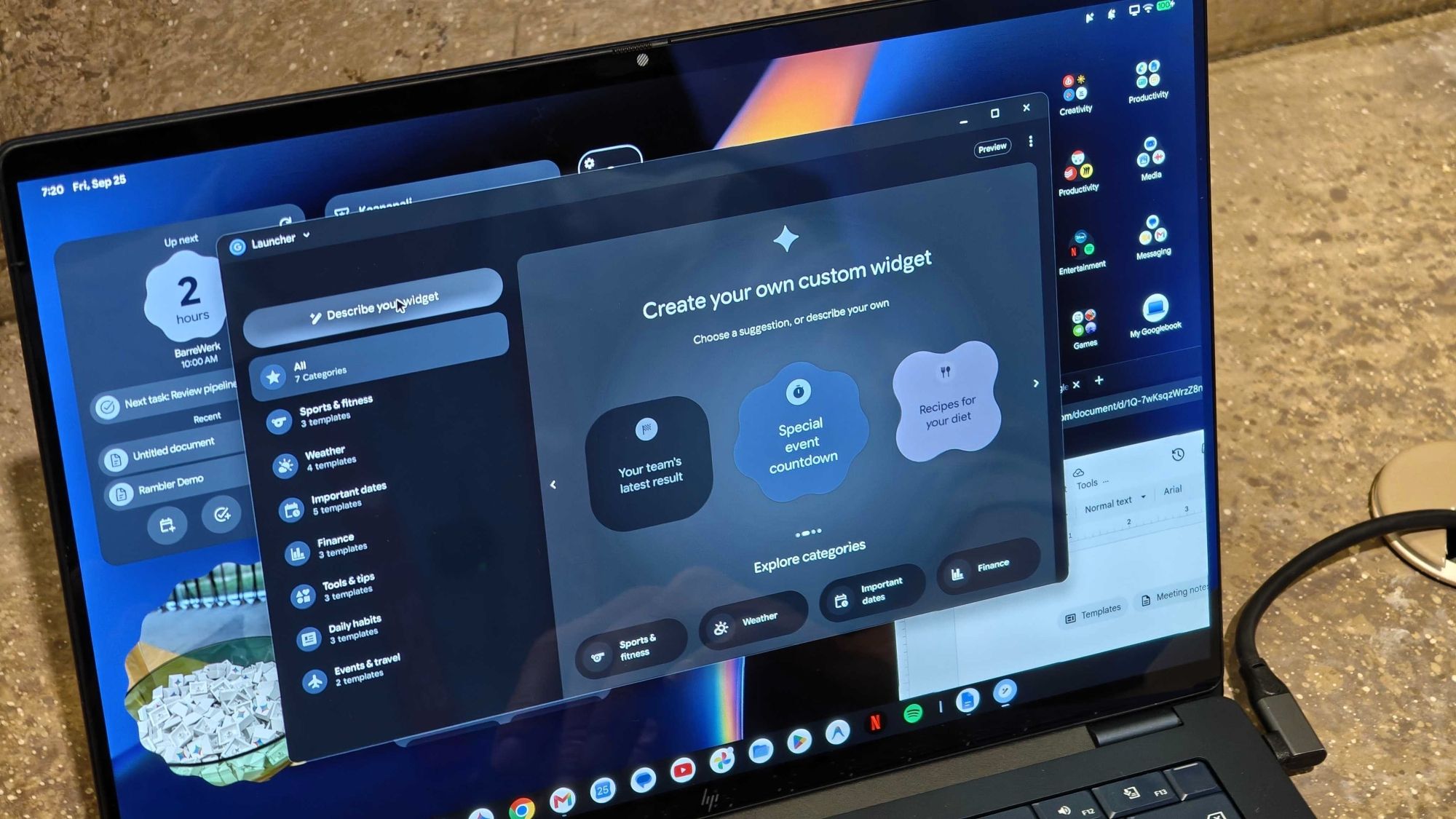
This benchmark appearance aligns with earlier industry rumors. Previously, industry publication SamMobile reported that Samsung was developing a new laptop running on Android software tailored for larger screens. However, those earlier whispers suggested a unique twist: Samsung could layer its proprietary One UI design language over the core operating system. This approach would mirror the user interface experience found on the company’s flagship Galaxy S smartphones and Galaxy Z foldable devices, potentially offering a familiar aesthetic and ecosystem continuity for loyal Samsung users.
Despite these intriguing benchmark leaks and supply chain rumors, the project remains in its early stages. Official details from Samsung are virtually non-existent, and consumer availability remains unconfirmed as industry watchers await official announcements.
The Second Wave and the Evolution of the Googlebook Ecosystem
The broader transition from Chromebooks to Googlebooks began earlier this year during The Android Show in May, where Google officially pulled back the curtain on its next-generation laptop platform. By late September, open pre-orders for the inaugural lineup kicked off, establishing a new baseline for Google’s personal computing strategy.
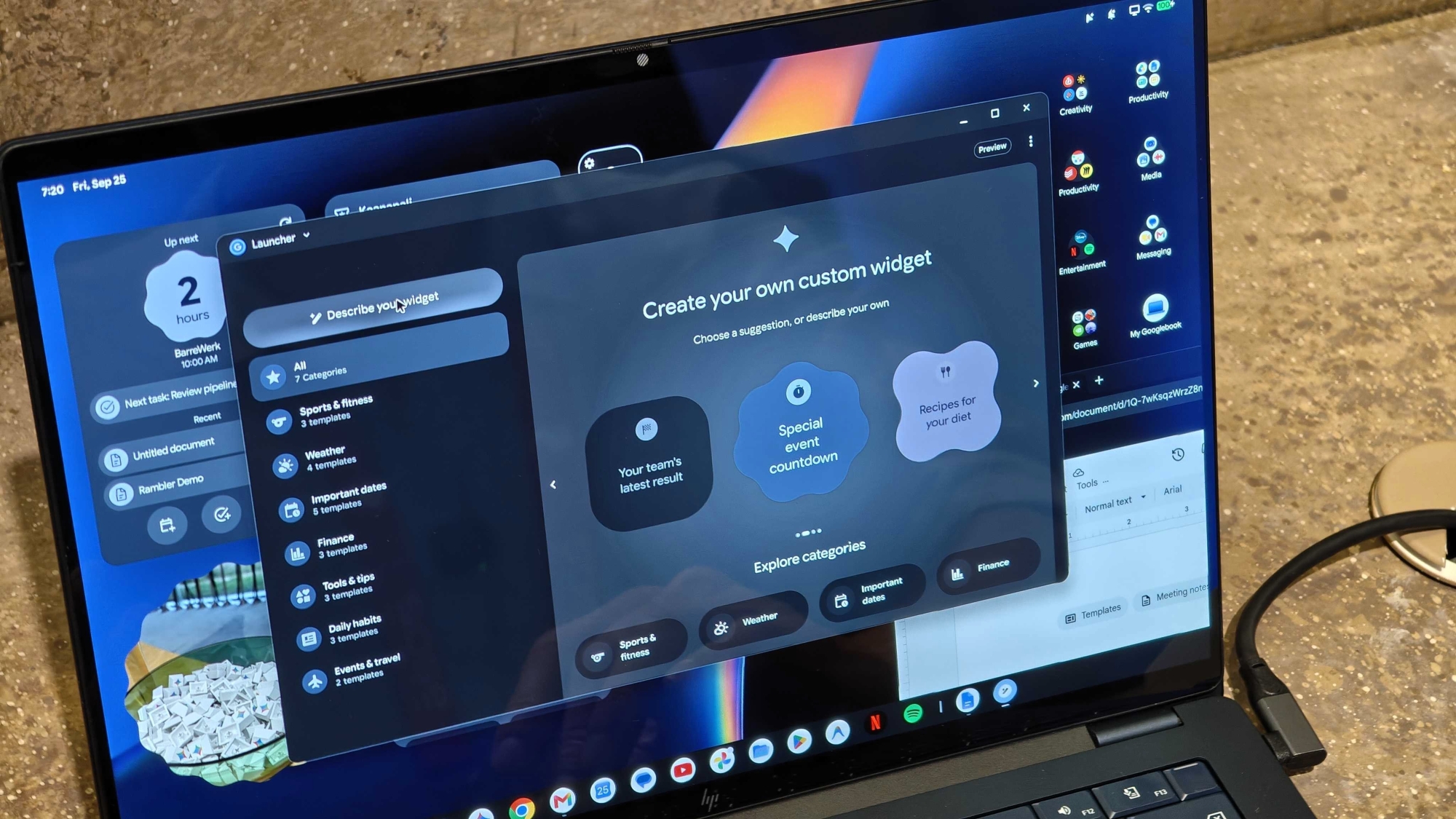
Priced starting at $899, the first generation of Googlebooks became available directly through Google and major consumer electronics retailers such as Best Buy. Hardware partners including ASUS, Dell, and HP spearheaded this initial rollout, introducing devices equipped with modern conveniences like touchscreens, responsive haptic glass trackpads, and backlit keyboards.
A primary pillar of the Googlebook platform is its deep ecosystem pairing with Android smartphones. During setup, users can seamlessly synchronize their devices by signing in, automatically porting over essential phone settings, saved Wi-Fi networks, historical messages, and user credentials. This frictionless integration aims to bridge the operational gap between mobile devices and personal computers.
Beyond ecosystem synchronization, the platform introduces advanced software utilities, highlighted by AI-driven capabilities like Magic Pointer. This feature allows users to simply hover their mouse pointer over on-screen elements and summon Google Gemini to provide contextual assistance, summarize content, or answer questions directly within their active workflow.
While initial industry reception toward the Googlebook transition carried a degree of hesitation, hands-on evaluations—such as those conducted during the Snapdragon Summit—have gradually shifted perceptions, revealing a surprisingly robust and capable computing experience. As hardware manufacturers like Samsung prepare to introduce their own interpretations of the platform, the Googlebook ecosystem continues to evolve, pointing toward a future where the boundaries between mobile operating systems and traditional laptop productivity blur even further.



Leave a Reply