The foldable smartphone craze has officially entered a turbulent yet fascinating new phase. While the market was once defined entirely by Android original equipment manufacturers (OEMs) pushing the boundaries of experimental hardware, the competitive landscape has evolved dramatically. The arrival of new heavy-hitting form factors, including the much-discussed Apple iPhone Duo, has completely altered consumer expectations and market dynamics. A recent analytics report for the third quarter of 2026 paints a vivid picture of just how unpredictable the foldable market has become, while offering a glimpse into what the industry might expect as it looks ahead to 2027.
According to a comprehensive global foldable shipment report released by Smart Analytics Global (SAG), the broader foldable smartphone market experienced a slight contraction in the third quarter of 2026. Global foldable shipments declined by 2% year-over-year, settling at just over 7.5 million units shipped during the quarter. Despite this minor overall market dip, Samsung managed to buck the trend within its own ecosystem, securing a staggering 13% year-over-year increase for the period. This growth was heavily fueled by the successful launch and strong consumer adoption of the Samsung Galaxy Z Fold 8, which ultimately allowed the South Korean tech giant to capture an imposing 69% of the total global foldable market share.
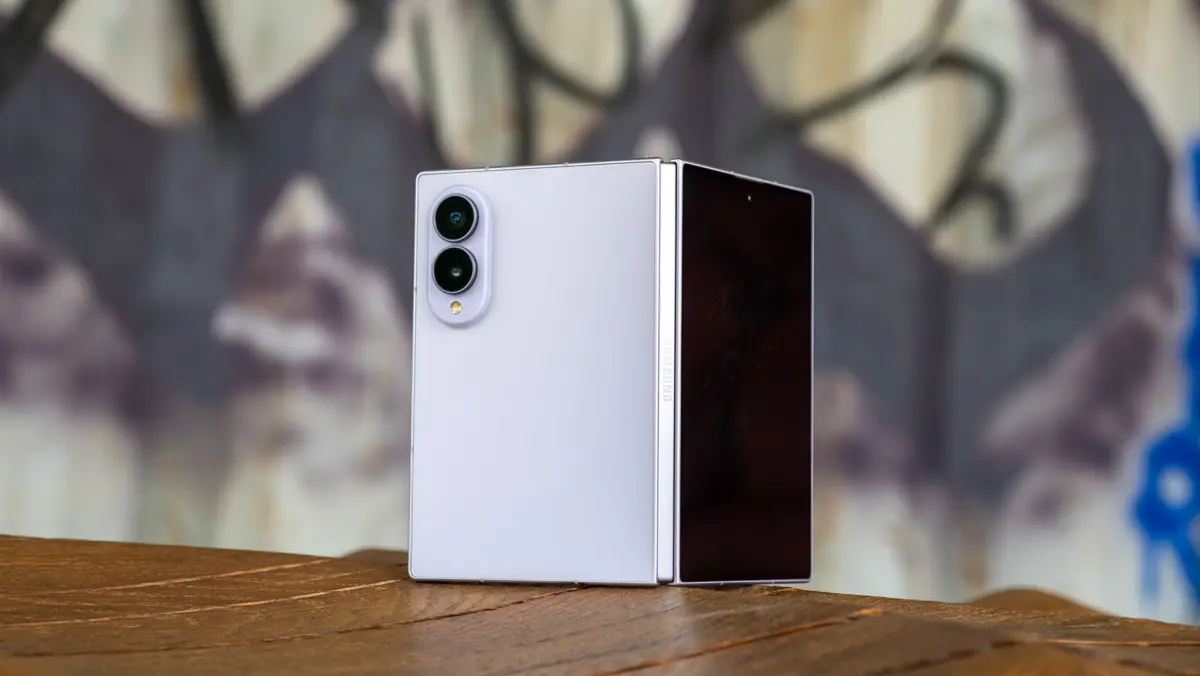
The significance of this dominance extends far beyond simple sales numbers; it represents a major shift in industrial design preferences. The Galaxy Z Fold 8 is Samsung’s first wide-foldable device, representing a departure from the taller, narrower aspect ratios that characterized earlier generations of the Galaxy Z Fold lineup. This wider, often shorter foldable design has increasingly become the industry standard, widely adopted by competing Chinese OEMs who recognized the ergonomic and media-consumption benefits of a more traditional screen layout when folded. SAG’s quarterly performance report highlights that this design pivot paid off handsomely for Samsung, translating into double-digit shipment growth in key regions such as South Korea and Europe.

Meanwhile, primary competitors continue to carve out their own spaces in the evolving ecosystem. Huawei remains a formidable force in the foldable sector, holding 14% of the global foldable market share during the third quarter. Devices like the Huawei Pura X View—widely recognized as an early pioneer of the wide foldable form factor—contributed significantly to the company’s standing, even as the report noted a slight year-over-year shipment decline for the brand.
The Market is Suffering
Despite Samsung’s individual success and the ongoing technological refinements seen across various brands, the wider foldable and traditional smartphone markets have faced persistent headwinds. To fully understand the current landscape, it is helpful to look back at the shifting tides of recent years. Back in early 2024, the foldable hierarchy experienced a seismic shock when Huawei temporarily dethroned Samsung, capturing the crown for global foldable shipments. That period marked a critical turning point for the industry, arriving at a time when many critics and consumers argued that Samsung had grown complacent with the iterative updates of its established Galaxy Z Flip and Fold series.
During the first quarter of 2024, Samsung’s foldable shipments plummeted by 42% year-over-year, while Huawei surged ahead with an astonishing 257% year-over-year increase. Fast forward to the present day, and while Huawei’s Pura X View and subsequent models did not dominate Q3 2026 to the exact degree that Samsung’s Fold 8 did, the competitive pressure remains palpable. SAG’s optimistic forecasts for 2027 point toward a major resurgence, but realizing that potential will ultimately depend on consumers opening their wallets in an uncertain economic climate.

Compounding the challenges in the foldable sector, the broader smartphone market has experienced severe contraction. Global phone shipments plummeted dramatically during the third quarter, marking the most substantial market drop in over a decade. Research data highlights a staggering 20% year-over-year decline across the global mobile industry, driving overall shipments down to historic lows not seen in fourteen years. Yet, even against this bleak economic backdrop, Samsung managed to maintain its stronghold at the apex of the industry, largely protected by the premium appeal and robust demand for its high-end flagship offerings, including the Galaxy Z Fold 8 and the larger Galaxy Z Fold 8 Ultra.
Android Central’s Take
The current state of the mobile industry is very much in a state of flux. While optimistic market analysts foresee a robust turnaround driven by new hardware categories, others remain cautious, warning that consumers may face continued financial strain heading further into 2027. At the heart of the matter is pricing. If manufacturers can deliver compelling devices at price points that everyday buyers can reasonably afford, market dynamics could shift dramatically. However, recent trends in pricing suggest a different reality.
Consider the escalating costs across the entire mobile spectrum: devices like Motorola’s Signature 27 command a hefty $1,599 price tag, and that is merely for a traditional slab phone rather than a cutting-edge foldable. Meanwhile, advanced foldable devices routinely push past the $2,000 threshold, representing a massive investment for any consumer. While tech enthusiasts have closely monitored developments like Apple’s entry into the space with the iPhone Duo, and wide foldables have undoubtedly captured the imagination of early adopters, numerous economic variables stand in the way of an immediate and universal market recovery. Whether the anticipated 2027 growth cycle materializes will depend entirely on how the industry navigates these steep pricing barriers and whether consumers find enough transformative value to justify the cost of upgrading.