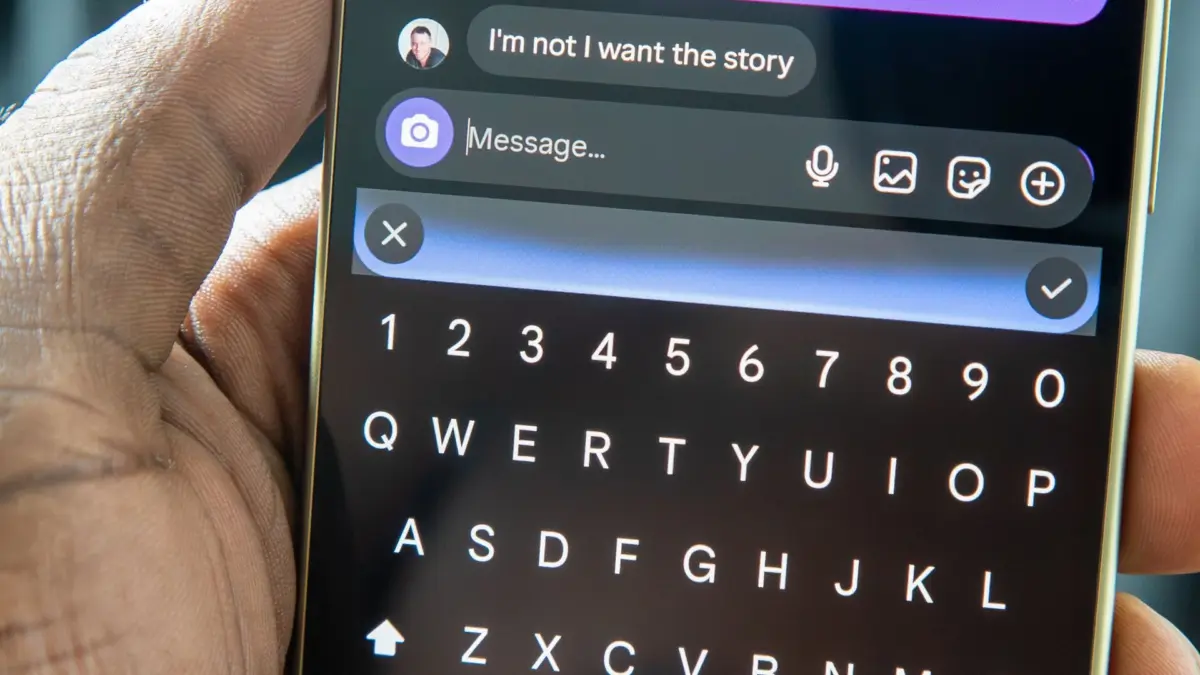
Samsung is reportedly preparing to introduce its own advanced artificial intelligence-powered voice typing tool for Galaxy
smartphones, signaling a direct response to one of the standout features of Google’s latest hardware lineup.
The competitive landscape of mobile artificial intelligence continues to evolve at a rapid pace, with major technology companies racing to redefine how users interact with their devices. Voice-to-text functionality, long considered a convenient alternative to manual typing, has historically suffered from inaccuracies, a lack of contextual understanding, and an inability to handle unorganized speech patterns. However, recent advancements in on-device AI models are transforming this utility into a sophisticated conversational assistant.
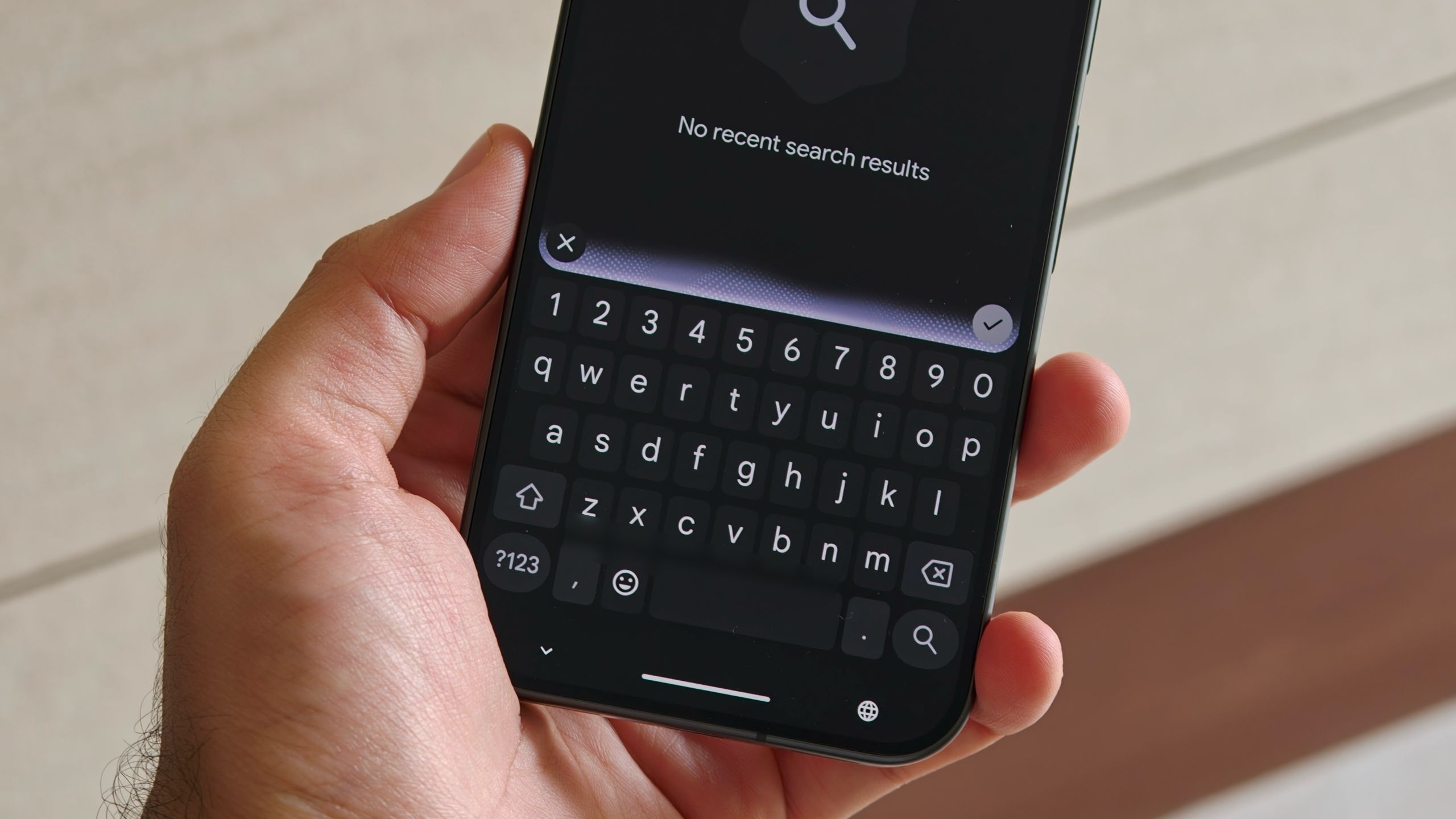
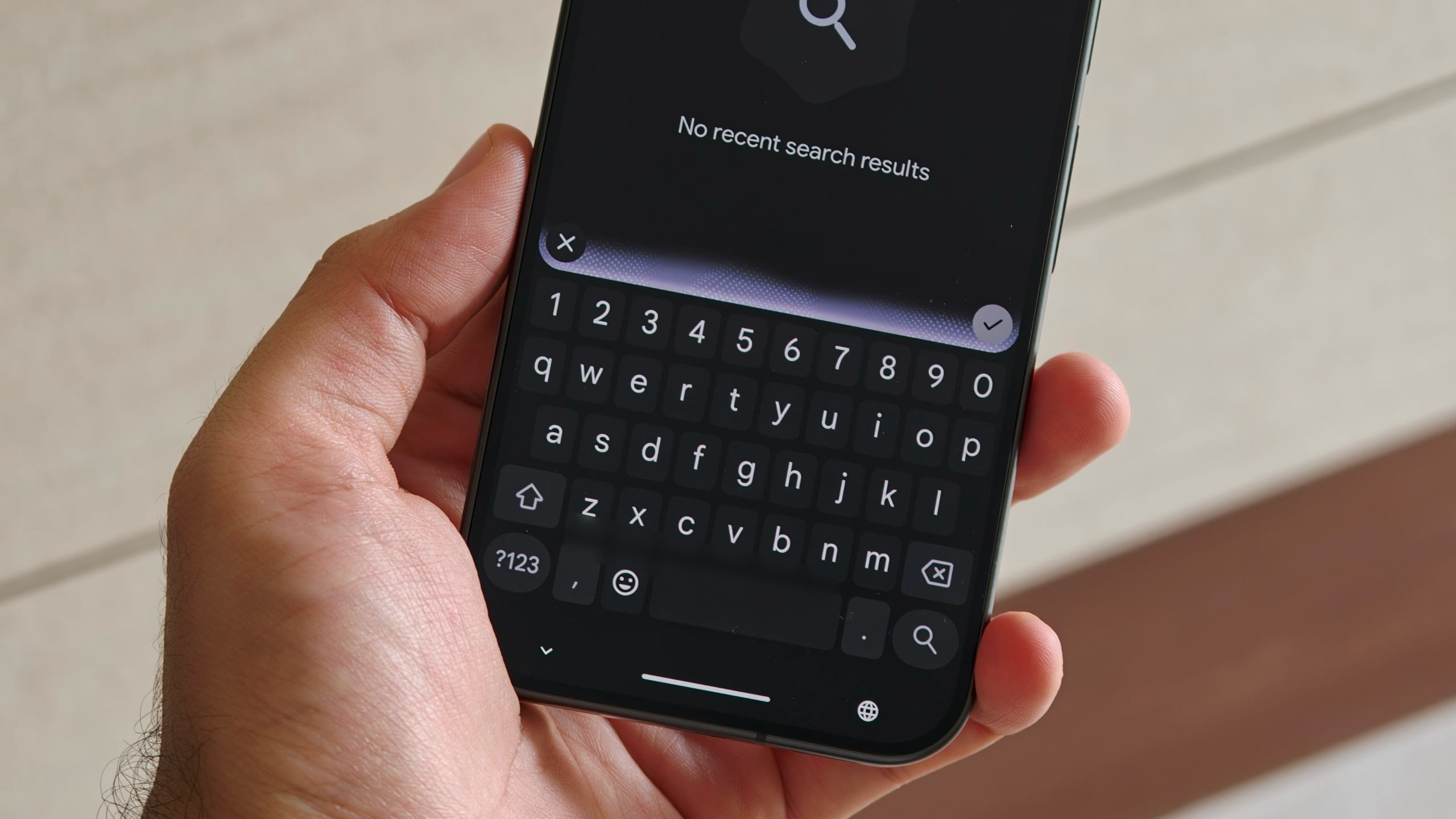
One of the most praised innovations introduced with the Google Pixel 11 series is Gboard’s Rambler feature. For those unfamiliar with the software, Rambler is an upgraded, AI-driven voice-to-text tool that fundamentally changes how users dictate messages, notes, and emails. Rather than requiring users to speak slowly, clearly, and with deliberate punctuation, Rambler allows individuals to speak in a completely unorganized, natural manner, trusting the underlying artificial intelligence to structure and format the text properly.
The system goes beyond simple transcription by actively refining sentences, automatically removing common verbal filler words such as "um" and "uh," and interpreting contextual commands. For instance, a user can dictate a rough stream of consciousness and command Rambler to rewrite the final output into a more casual text message or a formal professional email on the fly. This seamless integration of dictation and editing has quickly made Gboard’s Rambler one of the most celebrated software additions to the Pixel ecosystem.
Now, indications suggest that Samsung is developing its own equivalent capability for the Samsung Keyboard app on Galaxy smartphones. Recent reports indicate that Samsung has begun early work on a similar intelligent voice-to-text system slated for inclusion in future software releases, specifically pointing toward One UI 9.5.
According to software findings uncovered in internal test builds of One UI 9.5, Samsung Keyboard settings feature a newly added option provisionally titled "Refine voice input." Early descriptions associated with the feature outline functionality that closely mirrors Google’s approach. The tool is designed to automatically clean up verbal hesitations, filler words, and structural disorganization, delivering a polished and coherent block of text once the user finishes speaking.
This upcoming capability is expected to be deeply integrated with Galaxy AI, Samsung’s proprietary suite of artificial intelligence features hosted within its mobile ecosystem. While Samsung has not yet deployed official beta builds for One UI 9.5, industry observers anticipate that the feature will roll out to compatible Galaxy smartphones that already support advanced Galaxy AI processing capabilities once public testing commences. Although exact operational nuances and additional customization controls remain to be seen until the software sees a broader release, the addition underscores Samsung’s commitment to matching or exceeding the feature parity established by its primary Android competitors.
The development also highlights a broader industry trend toward smarter, more forgiving input methods across mobile operating systems. Users seeking advanced AI-powered voice typing are not entirely restricted to native first-party applications. Alternative software solutions and keyboard ecosystems have increasingly adopted similar concepts. Third-party applications like Microsoft’s SwiftKey have continuously integrated advanced AI utilities to enhance user productivity, while various unofficial ports and community-driven modifications have also emerged to bring features akin to Gboard’s Rambler functionality to a wider variety of Android devices outside of Google’s hardware ecosystem.
Despite the availability of alternative methods and third-party keyboard options across the broader Android marketplace, Google’s introduction of Rambler has established a high benchmark for native voice interaction on mobile devices. The positive reception of the feature on Pixel hardware has naturally prompted competing manufacturers to evaluate and develop parallel solutions to retain consumer interest and maintain competitive advantages within their respective product lines.
As Samsung continues development on One UI 9.5 and moves closer to official public beta testing, further details regarding the exact performance, language support, and device compatibility of its new voice input refinement tool are expected to emerge. For now, the move indicates that the ongoing race to integrate practical, productivity-enhancing artificial intelligence into everyday smartphone tasks remains a primary focus for the industry’s leading manufacturers, ensuring that users can look forward to increasingly intuitive ways to communicate using their mobile devices.