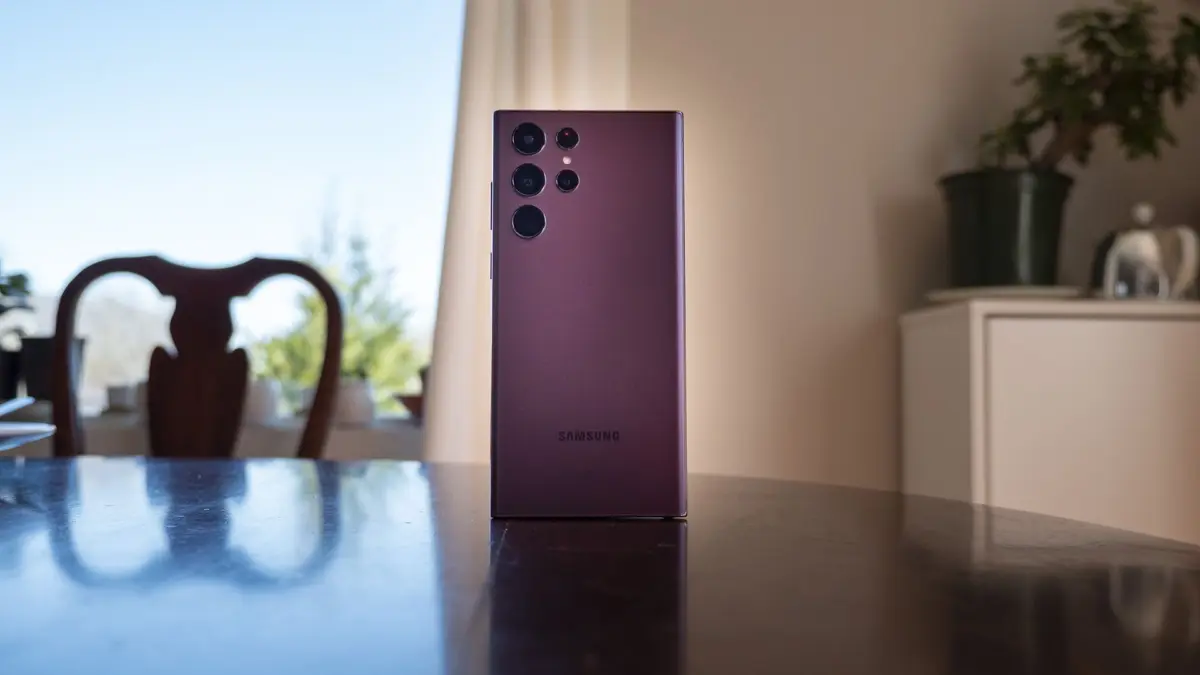
Samsung Electronics has been hit with a substantial financial penalty in its home market of South Korea over allegations that it misled consumers regarding the gaming performance capabilities of several past-generation flagship devices.
According to reports from Yonhap News, the South Korean Fair Trade Commission (FTC) has imposed a hefty fine of $15 million, equivalent to roughly 20 billion KRW, against the tech giant. The regulatory action centers around advertising and performance claims made for the Galaxy S21 series, the Galaxy S22 series, and the Galaxy Tab S8 lineup.
In its official statement regarding the penalty, the FTC highlighted the role that high-end gaming capabilities play in the marketing of modern consumer electronics. Regulators noted that gaming performance was treated by the manufacturer as one of the most effective and persuasive indicators for showcasing the raw processing power, rapid screen transitions, and elaborate graphical effects of its premium smart devices.
However, regulatory scrutiny revealed a stark contrast between what was marketed and the actual experience delivered to everyday users. Consumers purchasing these high-end devices under the impression that they were acquiring ultimate mobile gaming powerhouses frequently encountered performance limitations that were not transparently communicated at the time of purchase.
At the core of the controversy is a built-in software feature known as the Game Optimizing Service, commonly referred to as GOS. While Samsung positioned the software as a necessary heat management system designed to maintain device stability during extended gaming sessions, the FTC’s investigation concluded that the service acted more as a hindrance than a helpful utility.
According to the regulatory findings, the GOS mechanism would systematically begin limiting and throttling the device’s performance parameters the moment a mobile game was launched. This automated throttling frequently led to noticeable reductions in graphical fidelity, unexpected frame rate drops, screen freezing, and general lag during gameplay.
What particularly drew the attention of regulators is the operational nature of the throttling system. While consumers naturally expect a smartphone or tablet to slightly reduce its performance or lower graphical settings when internal temperatures climb to dangerously high levels to protect hardware, the FTC discovered that the GOS restricted GPU and CPU performance regardless of the physical temperature of the device. Whether the hardware was running cool or hot, the software intervention was applied to intensive gaming applications.
Following the announcement of the penalty, the FTC emphasized that the enforcement action reaffirms the fundamental responsibility of major corporations to clearly and transparently inform consumers of important factors that directly affect device performance. Regulators argue that withholding information about aggressive software-based performance restrictions prevents consumers from making fully informed purchasing decisions, especially when those devices are marketed heavily on their speed and gaming prowess.
Samsung, however, has firmly pushed back against the regulatory decision. In statements obtained by local media outlets, the company expressed clear disagreement with the FTC’s findings and the accompanying financial penalty. Samsung maintained that the Game Optimizing Service was purposefully integrated into the software architecture to allow users to enjoy demanding mobile games stably and safely for extended periods without risking sudden hardware shutdowns or excessive thermal buildup. Furthermore, the company indicated that it intends to actively defend its position and contest the fine through official channels.
Heat Management and Processor Evolution
The controversy surrounding the GOS highlights a long-standing challenge in the mobile industry: balancing raw processing power with effective thermal management. Mobile devices are packed with high-performance components inside tightly sealed, slim chassis, making efficient heat dissipation an ongoing engineering hurdle.
Samsung devices, particularly those utilizing the company’s proprietary Exynos chipsets in various international markets, have frequently faced criticism over thermal performance. Historically, certain Exynos processors gained a reputation among tech enthusiasts for heating up rapidly under sustained workloads compared to their Qualcomm Snapdragon counterparts.
In the wake of these persistent thermal challenges and consumer feedback, Samsung has dedicated significant engineering resources to improving how its hardware handles heat and intensive workloads. Recent generations of mobile processors, such as the Exynos 2600 and ongoing development cycles pointing toward future iterations like the Exynos 2700, have reportedly placed a heavy emphasis on energy efficiency, advanced cooling architectures, and maintaining cooler operating temperatures under heavy duress.
Despite these hardware-level improvements in newer generations, the regulatory penalty serves as a stark reminder of the delicate balance manufacturers must strike between protecting internal hardware from thermal stress and delivering the uncompromised performance that consumers expect when investing in premium flagship technology. As mobile gaming continues to grow in complexity—with visually demanding titles requiring stable frame rates and sustained GPU power—the transparency of how devices manage these intensive workloads remains a critical issue for both regulators and the consumer base at large.